10 Countries with the most overseas territories
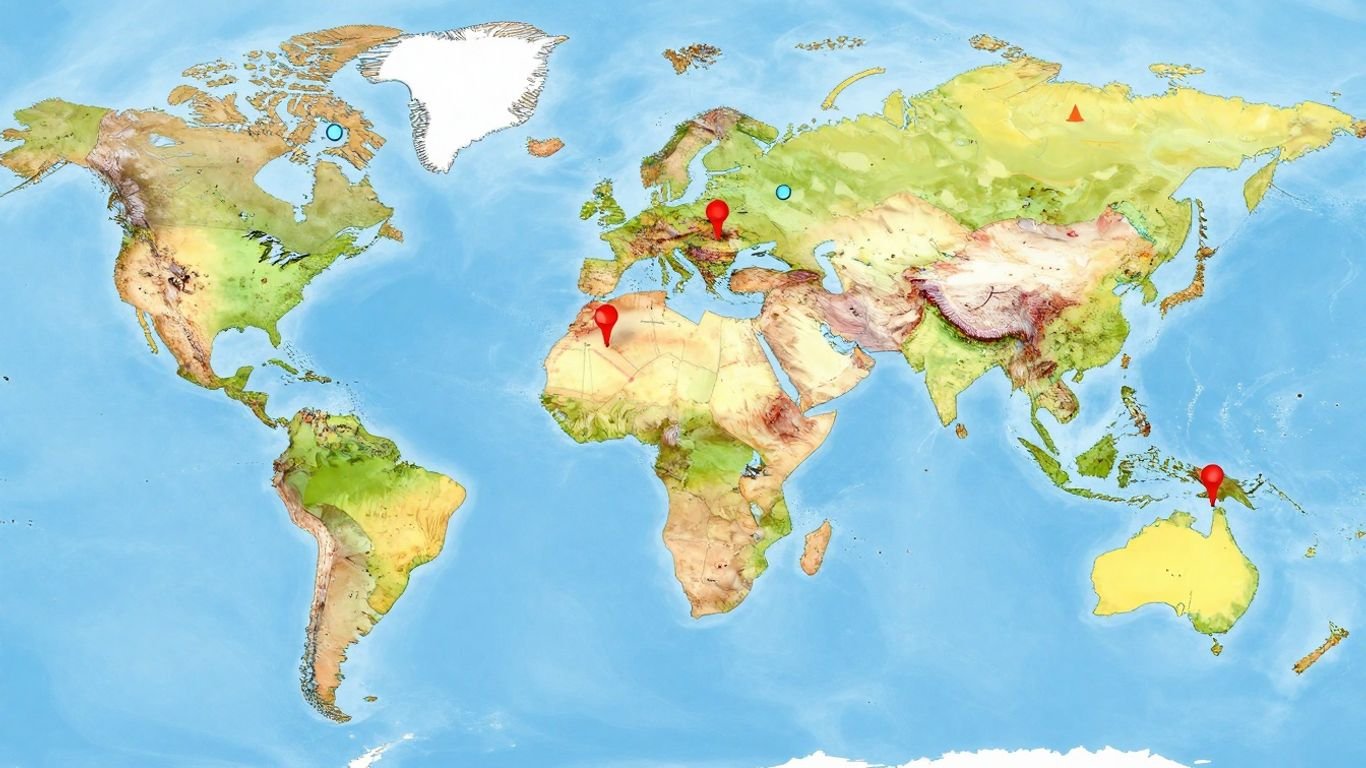
You know, it’s kind of wild when you think about how many places around the world are still connected to other countries, even if they’re super far away. These are often called overseas territories, and they’re basically like little extensions of the main country. Some of them are inhabited, some aren’t, and they all have their own stories. It makes you wonder how these connections came to be and what they mean today. We’re going to look at ten countries that have the most of these territories.
Key Takeaways
- The United Kingdom leads with the most overseas territories, a legacy of its historical global reach.
- Countries like the United States and France also maintain a significant number of these territories, often for strategic or historical reasons.
- Many overseas territories have varying degrees of self-governance, while others are primarily used for military or scientific purposes.
- These territories can be found across various regions, including the Caribbean, the Pacific, and polar areas.
- The status and administration of these territories differ greatly, from constituent countries to unincorporated areas.
1. United Kingdom
When you look at the map, the United Kingdom still has a pretty significant global footprint, even after all these years. It’s not just about the islands themselves, but the territories scattered across the globe. These aren’t exactly colonies in the old sense, but they are definitely overseas possessions.
The UK maintains control over 14 distinct territories. These range from places with their own governments, like Bermuda and Gibraltar, to uninhabited spots used for scientific or military purposes. It’s a complex setup, a legacy of a bygone era.
Here’s a quick look at some of them:
- Crown Dependencies: These include places like Guernsey, the Isle of Man, and Jersey. They’re not part of the UK, but the UK handles their defense and international dealings. Think of them as close associates.
- Overseas Territories: This is the biggest group. You’ve got places like the Falkland Islands, the British Virgin Islands, and Montserrat. Most of these have a good deal of self-rule, but the UK is still the ultimate authority on defense and foreign policy.
- Sovereign Base Areas: These are mainly in Cyprus, like Akrotiri and Dhekelia. They’re primarily for military use.
It’s interesting to see how these relationships have evolved. Some of these territories have been part of the British sphere for centuries. While the world has changed, and many former colonies by country have gone their own way, the UK’s overseas territories remain a unique part of its national identity. It’s a reminder of Britain’s historical reach, and how it continues to manage these areas today. The UK’s involvement in places like the British Indian Ocean Territory, for example, shows the ongoing strategic importance of these lands, even as international dynamics shift. The idea of nations holding onto territories, even small ones, is a topic that comes up now and then, sometimes sparking debate about ownership and influence in the modern world. For instance, there was talk about the US wanting to buy Greenland from Denmark, which shows that these kinds of discussions aren’t entirely new [658f].
The administration of these territories is a balancing act. It involves respecting local governance while maintaining overarching responsibilities. This structure reflects a modern approach to managing overseas interests, a far cry from the direct rule of the past.
2. United States
When we talk about countries with overseas possessions, the United States definitely makes the list. It’s not quite the British Empire of old, but Uncle Sam still holds onto a number of territories scattered across the globe. We’re talking about places like Puerto Rico and Guam, which are probably the most familiar to folks.
These aren’t exactly states, but they’re not entirely independent either. They fall under the umbrella of U.S. insular areas, and the setup can be a bit complicated. Some are organized territories, meaning they have a bit more structure, while others are unorganized, which is pretty much what it sounds like – less formal administration.
Here’s a quick look at some of the inhabited ones:
- Puerto Rico
- Guam
- U.S. Virgin Islands
- American Samoa
- Northern Mariana Islands
Then there are the uninhabited ones, mostly small islands in the Pacific, often used for military or scientific purposes. Think Baker Island or Midway Atoll. It’s a different kind of global footprint compared to the old colonial powers, but it’s still a significant part of the list of dependent territories.
The U.S. approach to these territories is unique, with varying degrees of self-governance and federal oversight. It’s a complex relationship that has evolved over time, reflecting different historical circumstances and strategic interests.
It’s interesting to see how these territories fit into the broader picture of global influence. While some might focus on economic or military might, the sheer number of these places shows a different kind of reach. It’s a reminder that the world stage is always shifting, and even established powers like the U.S. are part of that ongoing change, much like how China’s scientific output is changing global dynamics.
3. France
France, a nation with a long history and a global presence, still holds onto a significant number of overseas territories. It’s quite a collection, really, spread out across the globe. These aren’t just random islands; they’re considered integral parts of the French Republic, which is a pretty big deal.
When you look at France’s overseas holdings, it’s a bit of a mixed bag. You’ve got places like French Guiana, Guadeloupe, Martinique, Mayotte, and Réunion, which are basically treated like any other region within mainland France. Then there are the overseas collectivities, like French Polynesia, Saint Barthélemy, Saint Martin, Saint Pierre and Miquelon, and Wallis and Futuna. These have their own administrative setups. New Caledonia is in its own category, a ‘sui generis’ collectivity. And let’s not forget Clipperton Island, which is pretty much uninhabited and managed directly by the French government.
It’s interesting how these territories maintain different levels of autonomy while still being French. For instance, Saint Martin is actually fully part of the European Union, which is unique among the collectivities.
France’s overseas territories represent a complex administrative and political reality, a legacy of its historical reach that continues to shape its modern identity and global interactions.
Some of these territories are quite strategic. The Guiana Space Centre in French Guiana, for example, is a major hub for space launches. It shows that even with a modern outlook, France still has interests in areas that require significant infrastructure and international cooperation. It’s a reminder that global influence isn’t just about landmass but also about strategic positioning and technological capability. The country is looking for investment in critical mineral resources, which could be a future area of focus for these territories [38d9].
Here’s a quick look at some of the distinct types of French overseas territories:
- Overseas Regions/Departments: These are fully integrated into France, sharing the same administrative status as metropolitan regions.
- Overseas Collectivities: These have varying degrees of autonomy and specific administrative structures.
- Sui Generis Collectivity: New Caledonia stands out with its unique status.
- Uninhabited Territories: Such as Clipperton Island, administered directly by the government.
4. Australia
When we talk about countries with international territories, Australia often pops up, and for good reason. It’s not just about the mainland, you know. Australia has a collection of overseas territories, and they’re quite a mix.
Most of these are pretty remote, mostly uninhabited islands scattered across the oceans. Think of places like Heard Island and McDonald Islands, or the Coral Sea Islands. These aren’t exactly tourist hotspots; they’re mainly used for scientific research, keeping an eye on weather patterns, and managing Australia’s vast maritime zones. It’s a practical approach to managing distant lands.
Then there are the inhabited ones, which are a bit different. Christmas Island and the Cocos (Keeling) Islands, for example, have residents who are Australian citizens. Norfolk Island used to have more self-governance, but things have changed there over the years. These places have their own local administrations, but they ultimately fall under Canberra’s watch.
Australia also has a claim in Antarctica – the Australian Antarctic Territory. This is a massive chunk of land, but it’s all about science and international agreements down there. It’s a bit of a unique situation, really.
Managing these territories isn’t just about planting a flag; it’s about administration, resource management, and upholding international law. It shows a country’s reach and its commitment to overseeing areas beyond its immediate shores.
Here’s a quick look at Australia’s external territories:
- Inhabited Territories:
- Christmas Island
- Cocos (Keeling) Islands
- Norfolk Island
- Mostly Uninhabited Territories:
- Ashmore and Cartier Islands
- Coral Sea Islands
- Heard Island and McDonald Islands
- Antarctic Claim:
- Australian Antarctic Territory
It’s a complex setup, but it’s part of how Australia operates on the global stage, extending its influence and responsibilities far beyond the continent itself. You can find more details on the Australian External Territories and their administration.
5. Netherlands
When you think of the Netherlands, you probably picture windmills and tulips, right? But this European nation has a surprisingly large footprint beyond its borders, mostly in the Caribbean. The Kingdom of the Netherlands isn’t just the European part; it includes three autonomous “constituent countries” in the Caribbean: Aruba, Curaçao, and Sint Maarten. These places have their own governments and parliaments, kind of like mini-nations within the larger kingdom. It’s a bit different from how other countries handle their overseas bits.
Then there are the three special municipalities: Bonaire, Sint Eustatius, and Saba. These are directly run by the government in The Hague. So, while they’re part of the Kingdom, they don’t have the same level of independence as Aruba or Curaçao. It’s a complex setup, really. All these places share Dutch nationality, and citizens are also EU citizens, but only the European part of the Netherlands is actually in the EU and uses the Euro. The Caribbean parts have their own arrangements.
It’s interesting how these islands maintain their own identities while still being tied to the Netherlands. They have a unique history and culture, shaped by their location and past. The Dutch government is responsible for defense and foreign affairs for the whole Kingdom, which is a pretty big job.
The Dutch Kingdom’s structure is a bit of a throwback, showing how historical ties can lead to unique political arrangements that persist even today. It’s not your typical colonial setup, but more of a partnership, albeit one with clear lines of authority from the European center.
These Caribbean territories are important for the Netherlands, not just for historical reasons but also for economic and strategic ones. They offer a different perspective on Dutch culture and influence. It’s a system that has evolved over time, and it’s definitely not something you see every day. The relationship between the Netherlands and these islands is a good example of how countries manage territories with varying degrees of self-governance. You can find more details on the Kingdom of the Netherlands and its constituent parts.
6. Denmark
When we talk about Denmark and its overseas territories, it’s a bit different from some of the other countries on this list. Instead of a bunch of far-flung islands, Denmark’s situation is more about two large, self-governing regions: Greenland and the Faroe Islands.
These places aren’t just random outposts; they’re considered constituent parts of the Kingdom of Denmark. Think of it like a family where everyone has their own room and makes their own decisions, but they’re all still under the same roof. Greenland and the Faroe Islands have their own parliaments and leaders, handling their own internal affairs. This setup is often called the “Unity of the Realm” or Rigsfællesskabet.
It’s a pretty unique arrangement, especially when you consider Greenland’s massive size and its strategic location. The relationship is built on a lot of autonomy for these territories, while Denmark still plays a role, particularly in areas like defense and foreign policy. It’s not quite the same as a colony, more like a partnership within a larger kingdom. You can find more details about the Danish Realm here.
Here’s a quick look at the setup:
- Greenland: The largest island in the world, with its own government and a lot of natural resources. It’s been a part of the Kingdom for ages, but it’s definitely got its own distinct identity.
- Faroe Islands: A group of islands in the North Atlantic, known for their rugged beauty and unique culture. They also have a high degree of self-governance.
This model shows a way for a country to manage diverse territories without resorting to direct control, allowing for local decision-making while maintaining a connection to the central kingdom.
7. New Zealand
New Zealand, while a proud independent nation, also has a few overseas connections that put it on this list. It’s not quite the same as the UK’s sprawling empire of old, but these are still territories that fall under its umbrella in some way.
We’re talking about the Realm of New Zealand here. It’s a bit of a unique setup, honestly. You’ve got the Cook Islands and Niue, which are self-governing states. They pretty much run their own show, but New Zealand still handles some of their defense and foreign relations stuff. It’s a partnership, I guess you could call it. Then there’s Tokelau, which is a bit different. It’s a territory of New Zealand, and they’ve had a couple of votes on self-governance, but it hasn’t quite reached that point yet.
And let’s not forget the Ross Dependency. This is New Zealand’s claim in Antarctica. It’s mostly for scientific research, and under the Antarctic Treaty, all those territorial claims are kind of on hold, but it’s still there on the map as New Zealand’s.
So, while not a massive collection of islands scattered across the globe, these territories show that New Zealand has its own unique place in the world.This represents a distinct form of influence, emphasizing partnership and shared responsibility over direct authority. It’s interesting to see how these relationships have evolved over time, especially with places like the Cook Islands having their own distinct identity while still being linked to Wellington. It’s a modern take on overseas territories, for sure.
8. Norway
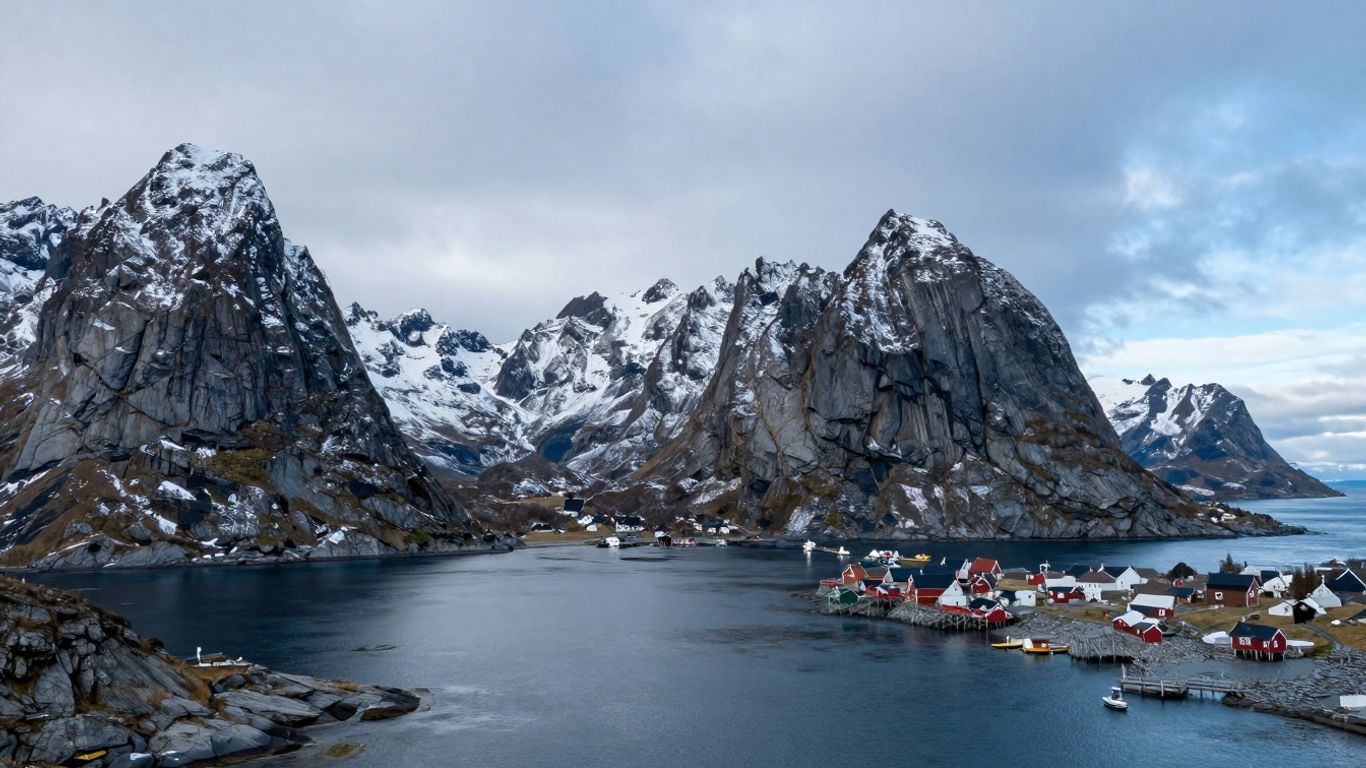
When you think about countries with overseas territories, Norway might not be the first one that pops into your head. But this Nordic nation has a few spots on the map that are technically part of the Kingdom. Most of these are way up north or way down south, in some pretty remote places.
Norway’s main claim to fame in this regard is Svalbard. It’s an Arctic archipelago, and it’s pretty unique. Under the Svalbard Treaty from 1920, Norway has sovereignty, but it’s also a demilitarized zone and a free economic zone. This means folks from other countries can live and work there, which is a bit different from your typical territory. It’s the northernmost place with a permanent civilian settlement, which is kind of wild to think about.
Then there’s Jan Mayen. This one’s a bit simpler – it’s an uninhabited volcanic island in the Arctic, mostly used for scientific research. It’s administered by a county municipality, so it’s not quite the same as Svalbard.
Beyond the Arctic, Norway also has claims in Antarctica. These are Bouvet Island and Peter I Island. Both are uninhabited and mostly covered in ice. These are considered dependent territories, managed by a department in Oslo. It’s interesting how these countries maintain claims in places like Antarctica, even with international agreements like the Antarctic Treaty System in place. It really shows the ongoing geopolitical interest in these remote regions, much like the discussions around Greenland and its potential acquisition.
So, while not as extensive as some other nations on this list, Norway’s territories are notable for their extreme locations and unique administrative statuses. It’s a reminder that even smaller countries can have a global footprint, especially in the polar regions.
9. Finland
When we talk about countries with overseas territories, Finland might not be the first one that springs to mind, but they do have one significant autonomous region.
This region is the Åland Islands. It’s a bit of a unique situation, governed by a special Act on the Autonomy of Åland, along with some international agreements. Basically, Finland has the ultimate say, but these islands get to run a lot of their own stuff. They’re also demilitarized, which is interesting.
- Åland Islands: Governed by a special act and international treaties.
- Autonomy: Significant self-governance within Finland.
- Demilitarized Status: A key feature of their unique arrangement.
It’s not quite the same as, say, the UK’s vast collection of territories, but it shows how even smaller nations can have distinct administrative arrangements. It’s a reminder that the world map isn’t just solid blocks of land; there are these interesting layers of governance and history.
The arrangement for the Åland Islands highlights a different approach to managing distinct populations and territories, focusing on autonomy within a sovereign state rather than outright possession of distant lands. It’s a model that prioritizes local control while maintaining national sovereignty.
While Finland’s situation is quite specific, it’s worth noting how different countries handle their external territories. Some, like Denmark, have large autonomous regions like Greenland, which has even been the subject of some rather outlandish proposals. It really makes you think about the complexities of sovereignty and territory in the modern world.
10. China
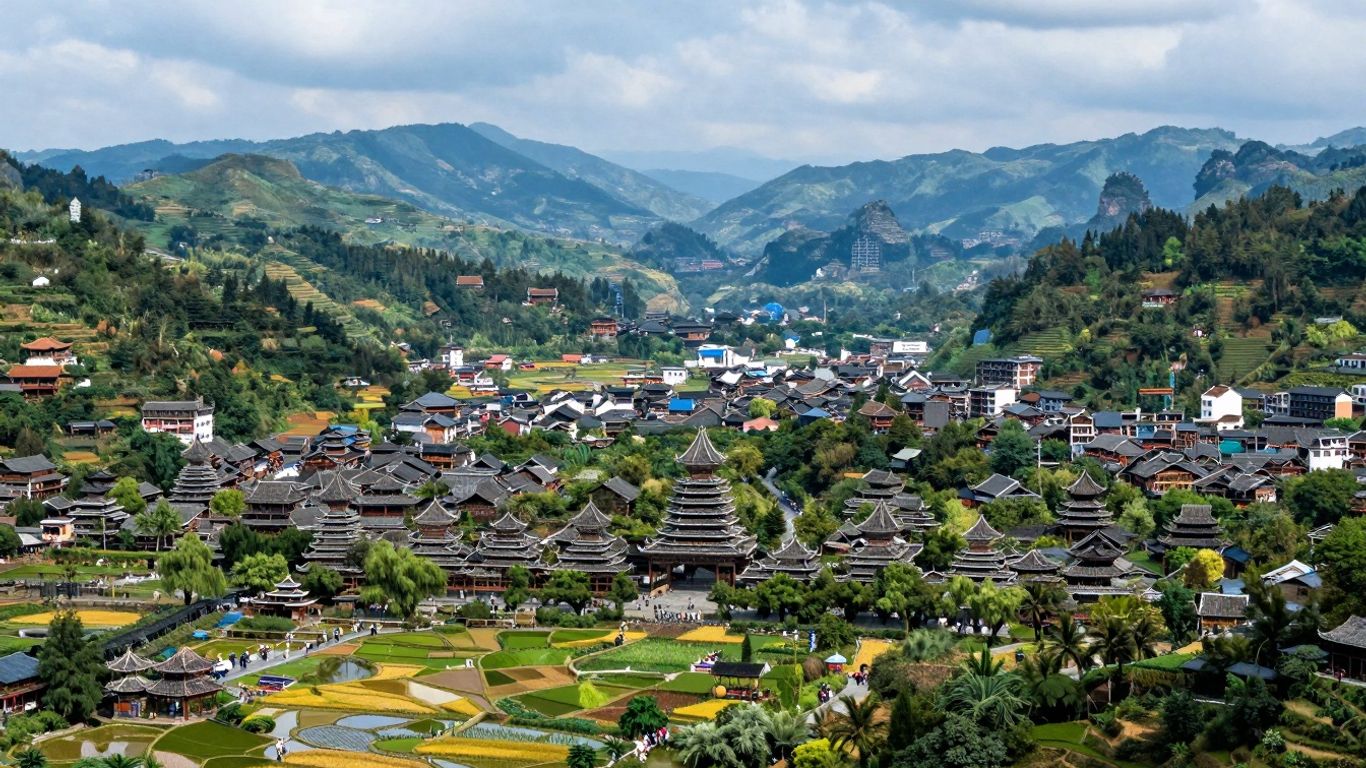
When we talk about countries with overseas territories, China doesn’t really fit the mold like the UK or France. Instead of far-flung islands, China’s situation is more about its special administrative regions (SARs). These are Hong Kong and Macau.
These places are pretty unique. They operate under a “One Country, Two Systems” idea, meaning they have their own economic, legal, and political setups, quite different from mainland China. Hong Kong, a former British colony, came back to China in 1997 and is a huge financial hub. Macau, a former Portuguese spot, returned in 1999 and is known for its casinos and finance. They’re officially part of China, but they run on their own rules.
China’s approach to territories is less about traditional overseas holdings and more about integrating distinct regions with unique histories and systems back into the fold.
It’s important to note that China also considers Taiwan a province, though Taiwan governs itself. This is a whole different ballgame and not really comparable to overseas territories.
So, while China doesn’t have a list of scattered islands like some other nations, its SARs represent a significant, albeit different, form of territorial control and administration. It’s a modern take on managing diverse regions within a single sovereign state, focusing on autonomy within a unified structure rather than distant colonial outposts. This distinction is key when looking at global overseas holdings.
So, What Does It All Mean?
Looking at these countries with all their far-flung territories, it’s pretty clear that history still has a long reach. These places, some inhabited, some not, are reminders of past empires and, for some nations, still strategic assets today. Whether for defense, trade, or just because, these territories are a big part of the global picture. It makes you wonder what the future holds for them, and for the countries that still hold onto them. It’s a complex world out there, and these islands and lands are a big part of that story.
Frequently Asked Questions
What are overseas territories?
Overseas territories are areas of land that a country controls but are not directly connected to its main landmass. Think of them like distant islands or regions that still belong to a country, even though they are far away. Many of these places are like historical reminders of when countries had large empires.
Why do countries still have overseas territories?
Countries keep these territories for many reasons. Some are important for military bases, helping a country protect itself. Others are used for scientific research, like studying weather or animals. Sometimes, these places are kept for economic reasons or because the people living there have historical ties to the country.
Are people in overseas territories citizens of the main country?
It depends! In many cases, people living in overseas territories are citizens of the country that controls the territory. For example, people in U.S. territories like Puerto Rico are U.S. citizens. However, the level of self-rule and rights can vary a lot from place to place.
Do overseas territories have their own governments?
Yes, most overseas territories have their own local governments. They can make decisions about their day-to-day lives, like schools and local laws. However, the main country usually handles important things like defense and foreign relations.
Are all overseas territories inhabited?
No, not all of them! Some overseas territories are just small islands or areas that nobody lives on. These are often used for scientific research, like weather stations or protecting wildlife, or for strategic military purposes.
Does the UK still have the most overseas territories?
Yes, the United Kingdom still has the most overseas territories. Many of these are spread out across the world in places like the Caribbean, the Atlantic, and the Pacific. These territories have different levels of self-government.


![[Declan Rice] in Arsenal kit, running on a football pitch.](https://countrybrief.com/wp-content/uploads/2025/10/thumbnail-42-768x432.jpeg)