Venezuela seeks Russian weapons, Chinese radars, Iranian drones amid reported US military pressure
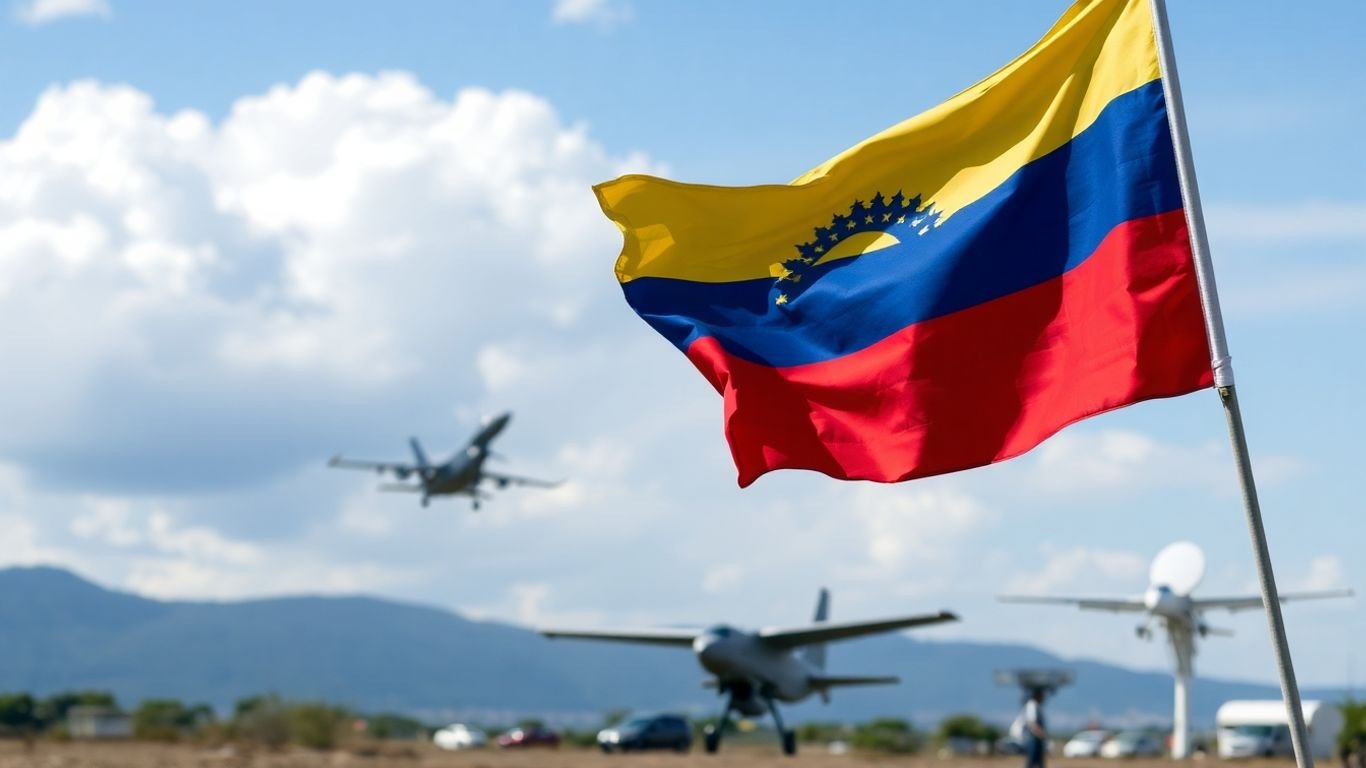
Things are getting tense down in Venezuela. Reports suggest President Maduro is reaching out to Russia, China, and Iran for military help. It sounds like he’s worried about the U.S. military presence ramping up in the Caribbean. He’s apparently asking for everything from drone weapons and radar systems to help fixing up old Russian planes. It’s a complex situation with a lot of global players involved.
Key Takeaways
- Venezuela is reportedly seeking advanced drone weapons and radar systems from Iran and China, respectively, amid perceived U.S. military pressure.
- President Maduro has also appealed to Russia for repairs to Russian-made aircraft and potential missile unit assistance, requesting a three-year financing plan.
- The U.S. has increased its military presence in the Caribbean, deploying assets like the aircraft carrier USS Gerald R. Ford, which Caracas views as aggressive.
- The situation highlights a growing multi-polar competition, with Russia and China potentially offering support to Venezuela, though Russia’s capacity is debated due to its involvement in Ukraine.
- Venezuela’s own military arsenal is said to be in poor condition, with many Russian-made systems inoperable, making its reliance on foreign aid more pronounced.
Venezuela Seeks Advanced Drone Weapons Amidst US Pressure
Things are getting pretty tense down in Venezuela, and it looks like President Maduro is really trying to beef up his country’s defenses, especially with all the talk about the U.S. military presence ramping up in the Caribbean. It’s not just about having more stuff; it’s about having the right kind of stuff, and that seems to mean drones. Venezuela is reportedly looking into acquiring some pretty advanced Iranian drone technology, with a focus on long-range capabilities. We’re talking about drones that could potentially cover distances of up to 1,000 kilometers. That’s a serious range.
Iran’s Role in Supplying Long-Range Drones
Iran has become a significant player in the global market for military drones for sale, and Venezuela is clearly looking to tap into that. It’s not just about the drones themselves, but also the accompanying tech. Reports suggest Venezuela is also interested in "passive detection equipment," which sounds like a way to keep tabs on what’s happening without giving away their own position. This kind of geopolitical drone use is becoming more common as countries look for asymmetric ways to project power or defend themselves.
GPS Jammers to Disrupt US Operations
Adding to the drone focus, Venezuela is also reportedly seeking GPS jammers. This is a pretty direct move, aimed at potentially messing with U.S. operations in the region. If you can disrupt navigation systems, you can cause a lot of problems for aircraft and ships. It’s a bit of a cat-and-mouse game, where one side tries to gain an advantage, and the other tries to counter it. The U.S. has been increasing its military presence, including deploying assets like the aircraft carrier USS Gerald R. Ford, which Caracas views as acts of aggression, not just counternarcotics operations.
Venezuela’s Growing Drone Capabilities
So, what does this all mean for Venezuela? It suggests a strategic shift towards drone warfare and electronic countermeasures. It’s a way to try and level the playing field, or at least create some uncertainty for potential adversaries. The country seems to be trying to build up its capabilities in a few key areas, hoping to deter any further escalation.
The current situation highlights a complex interplay of regional security concerns and international power dynamics. Venezuela’s pursuit of advanced drone technology and jamming capabilities appears to be a direct response to perceived external threats and a desire to bolster its defensive posture in a volatile geopolitical landscape.
Here’s a quick look at what’s reportedly being sought:
- Long-range drones (up to 1,000 km)
- Passive detection equipment
- GPS jammers
It’s a developing story, and how these efforts play out will be interesting to watch.
Russian Arms and Radar Systems Requested by Caracas
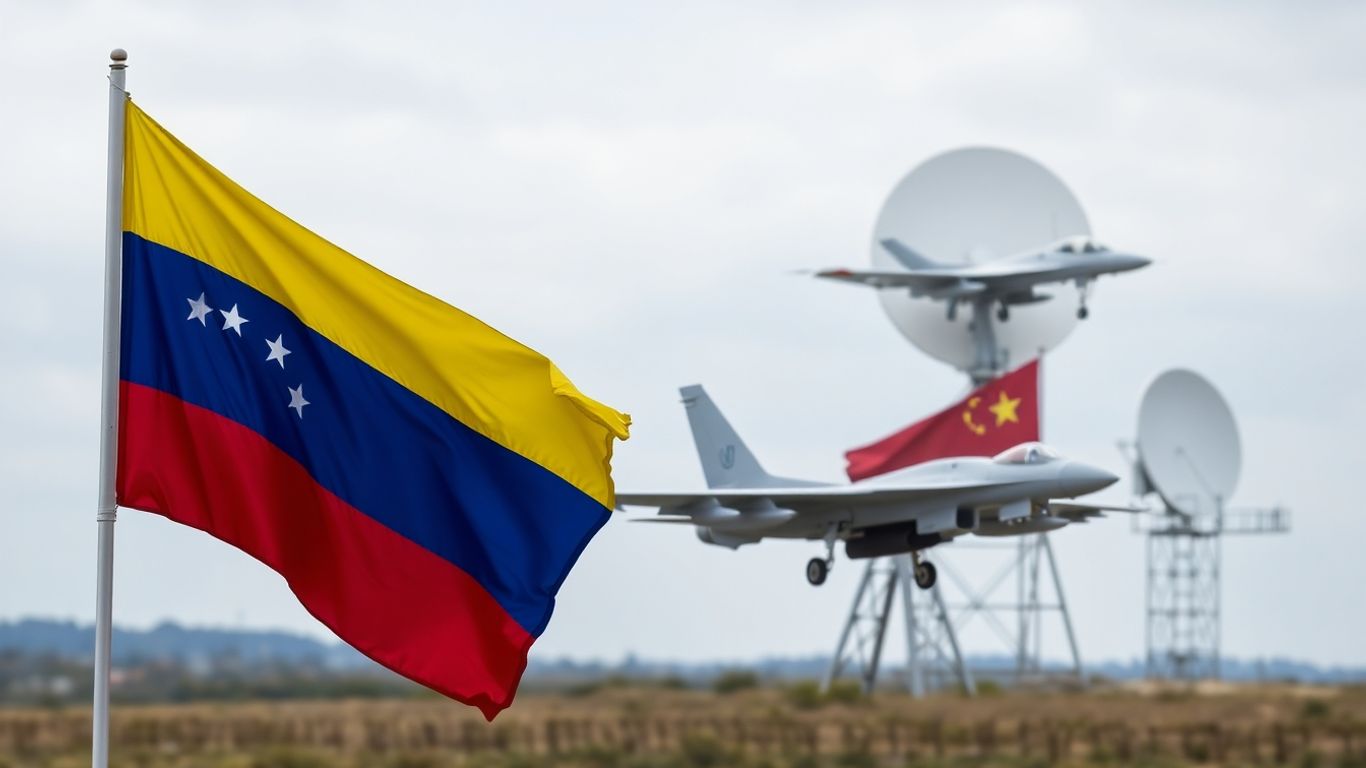
Amidst reports of increased U.S. military presence in the Caribbean, Venezuela’s President Nicolás Maduro has reportedly reached out to Russia for significant military hardware. This isn’t just about a few spare parts; the requests are quite extensive, aiming to bolster the nation’s defense capabilities. Maduro’s plea includes requests for aircraft repairs, missile units, and crucially, advanced radar systems.
Maduro’s Plea for Aircraft Repairs and Missile Units
Sources suggest that Maduro sent a personal letter to Russian President Vladimir Putin detailing these needs. The Venezuelan leader is looking for help to get some of his Russian-made Sukhoi Su-30 fighter jets back in working order. Beyond just fixing planes, there’s also a reported request for missile systems. This indicates a desire to not only maintain existing assets but also to acquire new offensive or defensive capabilities.
Acceleration of Chinese Radar Production
It’s not just Russia. Venezuela has also reportedly asked China to speed up the production of radar systems. This move, alongside the requests to Russia, highlights a broader strategy to acquire advanced surveillance and defense technology from its allies. The focus on radar systems suggests a strong interest in improving Venezuela’s ability to detect and track potential threats in the region.
Strategic Importance of Russian Military Support
Receiving advanced radar systems and operational aircraft from Russia would be a significant boost for Venezuela’s military. It signals a deepening of the military ties between the two nations, especially at a time when Venezuela feels under pressure. The ability to repair and potentially expand its air force and missile capabilities could change the military balance in the region.
The requests for military hardware from Russia and China, coupled with drone procurements from Iran, paint a picture of a nation actively seeking to build a more robust, multi-faceted defense network. This is happening as geopolitical tensions in the Caribbean continue to rise.
Here’s a look at the types of military support being sought:
- Aircraft Maintenance: Repair and overhaul of existing Russian-made fighter jets.
- Missile Systems: Acquisition of new missile units to bolster defensive capabilities.
- Radar Technology: Requests for advanced radar systems from both Russia and China to improve surveillance.
- Financing: Reports indicate a request for a three-year financing plan for these military acquisitions.
US Military Buildup in the Caribbean
Iran’s Role in Supplying Long-Range Drones
Venezuela has reportedly been coordinating with Iran to get some serious drone tech. We’re talking about drones that can go the distance, which is a pretty big deal. They’re also looking into Iranian systems that can mess with GPS signals. This move seems aimed at countering any potential U.S. operations in the region. It’s like they’re trying to build up their own electronic warfare capabilities.
GPS Jammers to Disrupt US Operations
Speaking of GPS jammers, this is a pretty interesting development. The idea is to create a sort of electronic shield, making it harder for U.S. forces to navigate or guide their own equipment accurately if things were to get heated. It’s a defensive move, for sure, but it also shows a willingness to engage in asymmetric tactics. They’re not just looking for bigger guns; they’re thinking about how to disrupt the enemy’s tech.
Venezuela’s Growing Drone Capabilities
It’s clear Venezuela is trying to beef up its drone game. Beyond just getting them from Iran, they’re also asking China for radar systems. This suggests a broader strategy to improve their surveillance and potentially offensive drone operations. The goal seems to be creating a more layered defense and intelligence network. This push for advanced drone technology and supporting systems marks a significant shift in Venezuela’s military posture.
Maduro’s Plea for Aircraft Repairs and Missile Units
President Maduro has apparently sent personal letters to leaders in Russia and China, asking for help. Specifically, he’s looking for repairs on Russian-made aircraft, which, from what I hear, are in pretty rough shape. He’s also requesting missile systems. It sounds like a desperate move to keep his existing military hardware functional and add some new punch.
Acceleration of Chinese Radar Production
Venezuela isn’t just looking to Russia; China is also on their radar, literally. They’ve asked Beijing for advanced radar systems. There are reports that China might be speeding up production of these radars to meet Venezuela’s needs. This shows how interconnected these countries are becoming in terms of military supply chains.
Strategic Importance of Russian Military Support
Getting Russia to help with aircraft repairs and missile systems is a big deal for Venezuela. It’s not just about the hardware itself, but also about maintaining a relationship with a key ally. Russia has its own issues, especially with the ongoing situation in Ukraine, so any support they can offer Venezuela is a strategic move for them too. It keeps a foothold in the region.
Deployment of Aircraft Carrier USS Gerald R. Ford
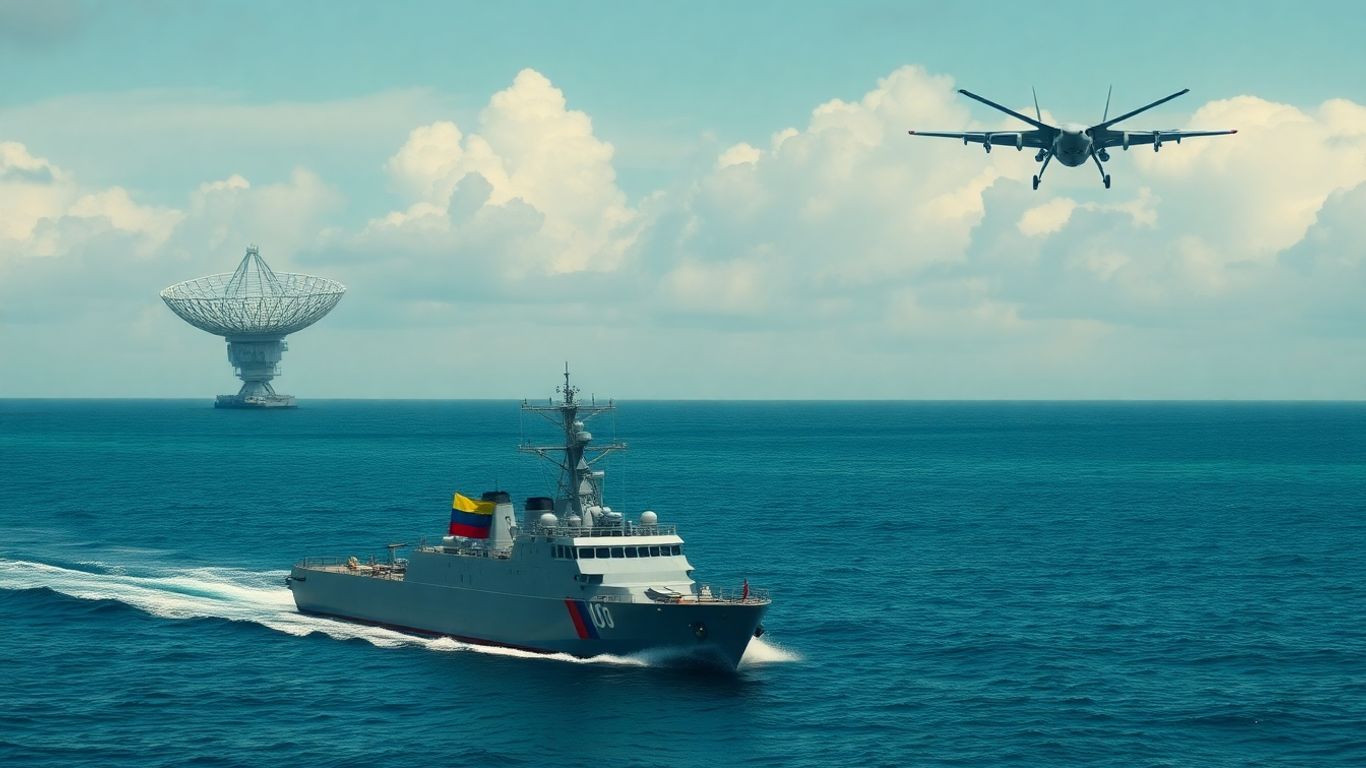
The U.S. has been making a show of force in the Caribbean. One of the big pieces is the deployment of the USS Gerald R. Ford, a massive aircraft carrier. This isn’t just a small patrol; it’s a significant naval presence. They say it’s for counternarcotics operations, but honestly, with all the other military assets moving around, it feels like more than just a drug bust.
Naval Assets and Reconnaissance Drones
It’s not just the Ford. There are other warships and reconnaissance drones being sent into the area too. This buildup is pretty substantial. The U.S. is putting a lot of assets on display, which definitely sends a message to Venezuela and its allies. It’s a way to project power and keep a close eye on everything happening.
Counternarcotics Operations or Regime Change Preparation
So, the official line from the U.S. is that these military movements are about stopping drug trafficking. But a lot of people, including analysts and even some former officials, are saying this could be a precursor to something bigger. The sheer scale of the deployment has led to speculation that it might be preparation for a more direct intervention, or at least a significant escalation of pressure aimed at regime change. It’s hard to say for sure what the ultimate goal is, but the military activity is definitely raising eyebrows.
The increased U.S. military presence in the Caribbean, while officially tied to counternarcotics efforts, has fueled speculation about broader geopolitical intentions. The deployment of major naval assets and advanced surveillance technology in close proximity to Venezuelan waters is seen by some as a deliberate tactic to exert pressure on the Maduro government and its allies, potentially signaling a shift towards more assertive foreign policy in the region.
Multi-Polar Competition and Shifting Alliances
This whole situation highlights how the world is changing. It’s not just the U.S. calling all the shots anymore. You’ve got Russia, China, and Iran all stepping in to support Venezuela. This shows a move towards a more multi-polar world where different powers are competing for influence. Alliances are shifting, and countries are looking for partners who can meet their needs, whether it’s military hardware or political backing.
Russia’s Strategic Dilemma in Ukraine and Venezuela
Russia is in a tough spot. They’re already stretched thin with the war in Ukraine, and now they’re being asked to provide military support to Venezuela. It’s a balancing act for Moscow. Do they divert resources to help an ally in Latin America, or do they keep their focus squarely on Europe? It’s a strategic dilemma that shows the global reach of current conflicts.
China’s Economic and Military Cooperation
China’s involvement is also significant. They’re not just selling weapons; they’re also involved in economic cooperation. This dual approach allows them to build influence in Venezuela and the wider region. Their willingness to supply radar systems and potentially other military tech shows their growing assertiveness on the global stage and their commitment to deepening ties with countries that might be at odds with the U.S.
Inoperable Russian-Made Aircraft and Systems
It’s a bit of a sad state of affairs for Venezuela’s military hardware. A lot of the Russian-made aircraft and other systems they bought years ago are apparently not in working condition. Reports suggest that only a handful of their Sukhoi fighter jets are actually airworthy. This is due to a lack of maintenance and technical support, which is a pretty big problem when you’re relying on foreign equipment.
Dependence on Foreign Military Aid
This situation really highlights how dependent Venezuela has become on outside help for its military. When your own equipment isn’t working, you have to turn to allies like Russia, China, and Iran just to keep things operational or to get new gear. It’s a cycle that can be hard to break, especially when there are economic challenges.
Questionable Operability of Existing Missile Systems
Even the missile systems that Venezuela claims to have, like the Russian-made Igla-S portable missiles, are facing questions about their actual operability. Western sources are apparently skeptical about whether these systems are truly functional. This raises concerns about the overall readiness and effectiveness of Venezuela’s armed forces, despite claims of having certain capabilities.
Geopolitical Implications of Venezuelan Arms Procurement
This whole situation in Venezuela is getting pretty complicated, isn’t it? It’s not just about one country anymore. When Venezuela starts looking to Russia, China, and Iran for military gear, it really shakes things up on a global scale. It’s like a ripple effect, pushing other countries to pick sides or at least pay closer attention.
Multi-Polar Competition and Shifting Alliances
We’re seeing a real shift here, moving away from a world where one or two powers call all the shots. Venezuela’s outreach to these three nations signals a growing multi-polar environment. It’s a way for them to push back against what they see as U.S. dominance in the region. Other countries in Latin America are watching this closely, and some are quietly aligning with Washington, while others might see opportunities in these new partnerships. It’s a delicate balancing act for everyone involved.
Russia’s Strategic Dilemma in Ukraine and Venezuela
For Russia, this is a tough spot. They’re already dealing with a lot in Ukraine, and sending significant military aid to Venezuela would stretch their resources even thinner. It’s a strategic gamble. Do they try to maintain their influence in the Western Hemisphere, which is important for them, or do they focus on the immediate conflict in Europe? It’s a real head-scratcher, and they might end up offering more symbolic support than actual hardware. Moscow’s capacity is definitely a question mark right now.
China’s Economic and Military Cooperation
China’s involvement is interesting too. They have a lot of economic ties with Venezuela, and this could be a way for them to expand their military cooperation as well. It’s a low-cost way for Beijing to gain influence and potentially counter U.S. interests. They’re not just handing out loans anymore; they’re looking at strategic partnerships that could pay off down the line. It’s a smart move for them, really.
The current arms procurement by Venezuela isn’t just about defense; it’s a clear signal of a changing global order. It highlights how nations are seeking diverse partnerships to navigate perceived threats and assert their autonomy in an increasingly complex international landscape.
Here’s a quick look at what’s happening:
- Increased Diplomatic Maneuvering: Expect more back-and-forth between the U.S. and its allies, and Venezuela’s new partners.
- Regional Instability: The situation could lead to more tension and uncertainty across Latin America.
- Arms Race Concerns: While Venezuela’s existing arsenal is in rough shape, these new acquisitions could spark concerns about a regional arms buildup.
- Economic Factors: China’s role, in particular, is tied to its economic interests, making it a key player in this geopolitical chess game.
Deterioration of Venezuela’s Military Arsenal
It’s kind of sad, really, when you look at Venezuela’s military hardware these days. They’ve spent a ton of money over the years, especially back when Hugo Chávez was in charge, buying all sorts of gear from Russia. But a lot of it just sits there, not working. We’re talking about planes that can’t fly, missile systems that are probably useless, and equipment that’s just gathering dust.
Inoperable Russian-Made Aircraft and Systems
From what defense experts are saying, it’s pretty grim. Out of, say, 25 Sukhoi fighter jets they bought, only about four or five are actually airworthy. That’s a huge chunk of their air power just grounded. It’s not just the planes, either. Many of their Russian-made tanks and helicopters are in similar shape. The maintenance just isn’t there, and they don’t seem to have the Russian technicians needed to keep things running.
Dependence on Foreign Military Aid
This whole situation highlights how much Venezuela relies on outside help for its military. They bought all this equipment, but without the ongoing support, spare parts, and technical know-how from the original suppliers, it just becomes expensive junk. It’s like buying a fancy car but never getting oil changes or tune-ups – eventually, it’s going to break down.
Questionable Operability of Existing Missile Systems
Even when they claim to have systems ready, there are serious doubts about how well they actually work. For instance, Maduro has mentioned having thousands of Russian-made Igla-S portable missiles. But Western sources are pretty skeptical about their readiness and effectiveness. It makes you wonder what they’d actually be able to do if they ever needed to use them.
The reality on the ground is that Venezuela’s military, once a significant regional force, has been hollowed out by years of underfunding, mismanagement, and a failure to maintain complex foreign-made equipment. This leaves them in a precarious position, especially when facing external pressures.
Here’s a quick look at some of the issues:
- Aircraft: A significant portion of their Russian-made fighter jets are reportedly non-operational.
- Missile Systems: Claims of operational readiness for older missile units are often met with skepticism.
- Maintenance: A lack of spare parts and qualified technical personnel cripples the upkeep of advanced weaponry.
- Logistics: The ability to deploy and sustain military operations is severely hampered by the state of their equipment.
A Risky Game in the Caribbean
So, it looks like Venezuela is really trying to shore up its defenses by reaching out to Russia, China, and Iran. With the U.S. making its presence known in the Caribbean, President Maduro is clearly feeling the heat and looking for backup. Whether these international partnerships can actually deliver the military hardware and support Venezuela needs, especially with Russia tied up in Ukraine, remains to be seen. It’s a complicated situation, and honestly, it feels like a high-stakes chess match where everyone’s watching to see who makes the next move.
Frequently Asked Questions
Why is Venezuela asking Russia and China for weapons?
Venezuela is reportedly seeking weapons and military equipment from Russia and China because it feels pressured by the United States. President Maduro has written letters asking for help, like fixing fighter jets and getting new radar systems, to defend against what he calls U.S. aggression. This is happening while the U.S. has increased its military presence in the Caribbean.
What kind of weapons is Venezuela trying to get from Iran?
Venezuela is trying to get drones from Iran that can fly very long distances, up to about 600 miles. They are also interested in equipment that can block GPS signals, which could be used to disrupt U.S. military operations in the area.
Is the U.S. military actually preparing to attack Venezuela?
The U.S. says its military buildup in the Caribbean, including sending an aircraft carrier and other ships, is for fighting drug cartels. However, some people believe it could be preparation for a possible military action against Venezuela’s government. Venezuela sees these U.S. actions as aggressive.
Can Russia really help Venezuela much right now?
Russia is currently focused on the war in Ukraine and is dealing with economic problems due to sanctions. While Russia has a history of supplying arms to Venezuela and has signed cooperation agreements, experts think Russia might not have the resources to provide significant military help if the U.S. were to take action. They might offer symbolic support instead.
How good is Venezuela’s current military equipment?
Venezuela’s military equipment, much of which was bought from Russia, is reportedly in bad shape. Many of their Russian-made fighter jets and other systems are not working because they haven’t been maintained properly. Some experts say the weapons bought years ago are now outdated.
Why are countries like China and Iran getting involved in this situation?
China and Iran are working with Venezuela partly because they have economic and political ties with the country. They may see supporting Venezuela as a way to challenge U.S. influence in Latin America. It’s a way for them to gain strategic advantage and stretch U.S. attention without a huge cost.