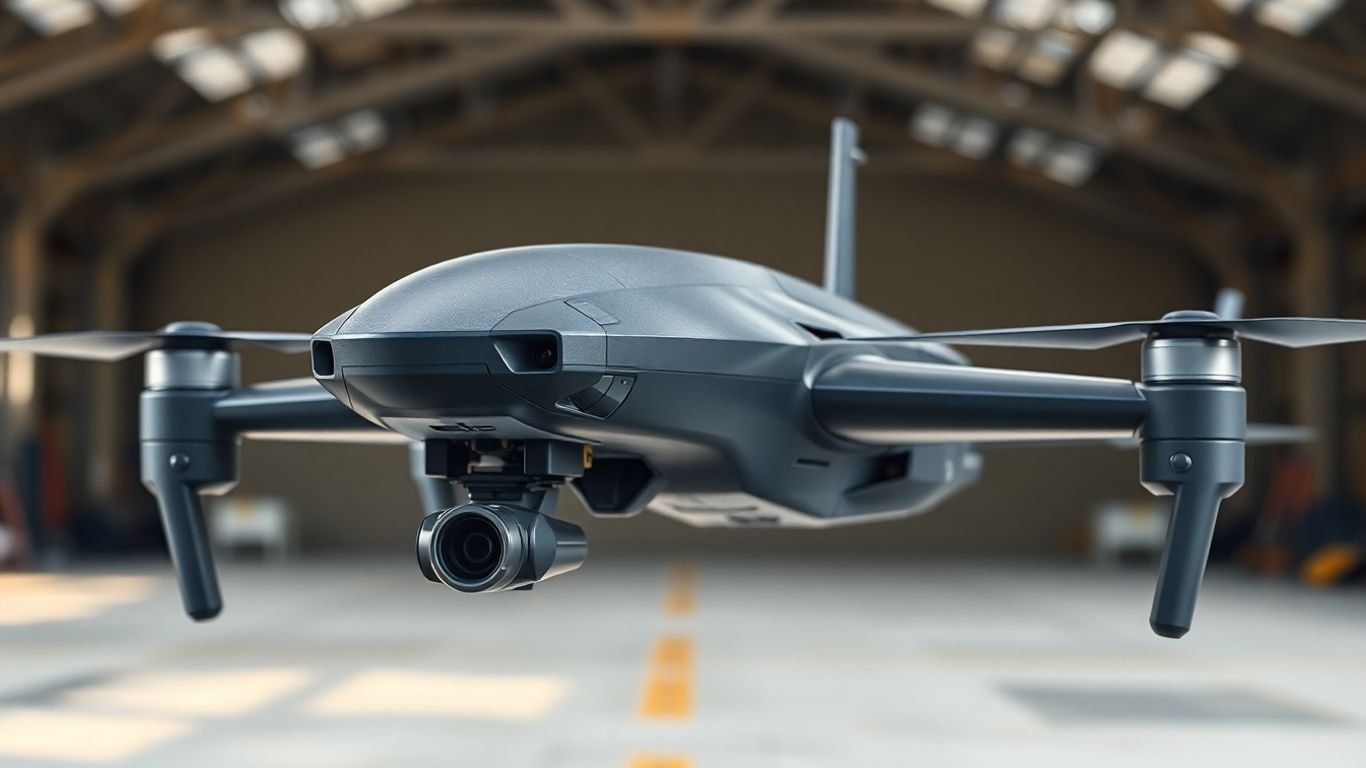
The future of war is 3D-printed drones
So, I’ve been reading up on how drones are changing things, and it turns out 3D printing is a pretty big deal in this whole drone war thing. Forget those old ways of making stuff; now you can just print a drone, almost like printing a document. This whole idea is shaking up how militaries and even regular businesses operate, making drones faster to get, cheaper, and way more adaptable. It’s pretty wild to think about, but it looks like this tech is going to be everywhere soon.
Key Takeaways
- 3D printing lets us make drones much faster and cheaper than before, changing the game for drone war.
- You can print custom drones for specific jobs right where you need them, making them super flexible.
- This new way of making drones means we can build a lot more of them quickly, which is a big deal for military needs.
- Countries like the US and China are already using 3D printing for military drones, and others are catching up.
- Beyond fighting, 3D-printed drones can help with disaster relief, delivering supplies, and doing special jobs for businesses.
Revolutionizing Drone War With Additive Manufacturing
The Dawn Of Expeditionary Drone Production
Forget waiting weeks or months for drones to be shipped from some distant factory. The game is changing, and it’s happening right on the front lines. Imagine soldiers, in a remote location, needing a specific type of drone for a mission – maybe for reconnaissance, maybe for delivering supplies. Instead of relying on what’s already in the supply chain, they can actually build it themselves, right there. This isn’t science fiction anymore. Companies are developing systems that can fit inside a shipping container, packed with industrial 3D printers. These units can churn out a drone body, sometimes up to six feet long, in about half a day using readily available materials like nylon powder. This ability to produce drones on-demand, close to where they’re needed, is a massive shift. It means less reliance on complex logistics and more immediate capability for troops in the field.
Leaping Over Traditional Manufacturing Hurdles
Traditional drone manufacturing is a slow, expensive process. It involves specialized factories, complex supply chains, and a lot of waste. Think about it: you need a specific part? You have to order it, wait for it, and if it’s not quite right, you start the whole process over. 3D printing, or additive manufacturing, flips this on its head. Instead of carving away material, you’re building it up, layer by layer. This means:
- Less Material Waste: You only use the material you need for the part.
- Reduced Tooling: No need for expensive molds or specialized tools for every single design.
- Faster Prototyping: Designs can be tested and modified much more quickly.
This approach bypasses many of the bottlenecks that have slowed down drone development and deployment in the past. It’s about making things simpler and faster.
The old way of making things just doesn’t cut it anymore when the battlefield changes by the hour. We need to be able to adapt, and that means making things where we need them, when we need them. 3D printing is the key to that kind of agility.
Customization For The Modern Battlefield
Every mission is different, right? One day you need a drone that can carry a camera for surveillance, the next you need one that can deliver a small medical package. With traditional manufacturing, making these custom changes is a huge undertaking. But with 3D printing, it’s much more straightforward. You can tweak the design on a computer – maybe change the shape of the wings for better aerodynamics, add a different mount for a sensor, or reinforce a certain part for durability. Then, you just print the updated version. This level of customization means that drones can be precisely tailored to the specific demands of a mission, rather than trying to make a one-size-fits-all model work. It’s about having the right tool for the job, every single time.
The Strategic Advantage Of 3D-Printed Drones
So, why is everyone getting so excited about 3D-printed drones? It really comes down to a few big wins that traditional manufacturing just can’t match. Think about it: making drones used to take ages and cost a fortune. Now, with additive manufacturing, we’re seeing a total game-changer.
Cost-Effectiveness In Drone Deployment
One of the most obvious benefits is how much cheaper these things are to make. Instead of needing massive factories and complex assembly lines, you can print a drone with less material waste. This is a huge deal, especially for military stuff where you might need a lot of drones that aren’t meant to last forever. Imagine needing a swarm of drones for a mission; printing them on demand means you don’t have to sink a ton of cash into each one. This makes things like loitering munitions, those one-way attack drones, way more practical and affordable to produce.
Scalability For Mass Production
This ties right into cost. Because you can print them, you can also make a lot of them, really fast. If a situation changes or you need more drones than you planned for, you can ramp up production without a massive headache. It’s not like you’re waiting months for a new factory line to be built. This means forces can react much quicker to what’s happening on the ground.
Rapid Iteration And Deployment
This is where things get really interesting. Need a drone that can carry a specific medical kit to a remote area? Or maybe one with a special camera for surveying? With 3D printing, you can tweak the design and print a new one in a matter of hours, not weeks or months. This means you can test new ideas, fix problems quickly, and get the exact drone you need for a specific job out the door in no time. It’s like having a custom drone shop that can whip up anything you need, right when you need it.
The ability to quickly design, print, and deploy drones tailored to specific missions is fundamentally changing how we approach aerial operations. This flexibility means drones can adapt to dynamic environments and evolving needs with unprecedented speed.
Here’s a quick look at how the advantages stack up:
- Reduced Material Waste: Additive manufacturing uses only the material needed, unlike subtractive methods.
- Lower Tooling Costs: No need for expensive molds or dies for each new design.
- Faster Prototyping: Test new designs and make improvements in days, not months.
- On-Demand Production: Print drones as needed, reducing inventory and storage costs.
Global Innovations In 3D-Printed Drone Technology
It’s pretty wild how fast things are changing with drones, especially with 3D printing getting involved. Different countries are really jumping on this, seeing how it can shake things up for both military and everyday uses. It’s not just about making drones faster; it’s about making them smarter and more adaptable.
United States: Leading Military And Commercial Innovation
The U.S. has been pushing hard on this, particularly the military. Think about Task Force 99 in Qatar – they’ve shown they can design, print, and fly a drone in just two days. That’s huge for getting custom drones out there quickly for things like delivering medicine or doing surveillance. They can tweak the drone’s parts, what it carries, and its sensors on the fly.
This rapid, on-site production means military units can adapt to changing battlefield needs without waiting weeks for new equipment. It’s a game-changer for operational flexibility.
Commercial companies in the States are also getting in on the action. Startups are using 3D printing to make specialized drones for jobs like surveying land or managing deliveries. Plus, there’s a lot of work going into connecting AI with these 3D-printed drones, leading to more autonomous flights and data collection that helps industries from farming to watching over the environment. This is where we’re seeing a lot of next-gen drone technology emerge.
China’s Military Applications And Mass Production
China’s military is also using 3D printing for drones, especially for things like loitering munitions, or ‘kamikaze’ drones. The idea here is to make a lot of them, cheaply and quickly. 3D printing cuts down on both the time and the cost of making these expendable drones. This focus on high-volume, low-cost drones is really changing how their military operates and surveils.
United Kingdom’s Commercial Drone Development
Over in the UK, the focus has been more on the commercial side of things. Companies there are using 3D printing to create drone parts that are light, strong, and can be made to order. These are being used for deliveries, checking on infrastructure like bridges, and monitoring environmental changes. The UK’s Ministry of Defence has also looked into this, with research labs exploring how additive manufacturing can speed up the creation of military drone parts, aiming for custom drones ready in less than a day for specific missions.
Future Capabilities Of 3D-Printed Drones
Enhanced Durability and Performance
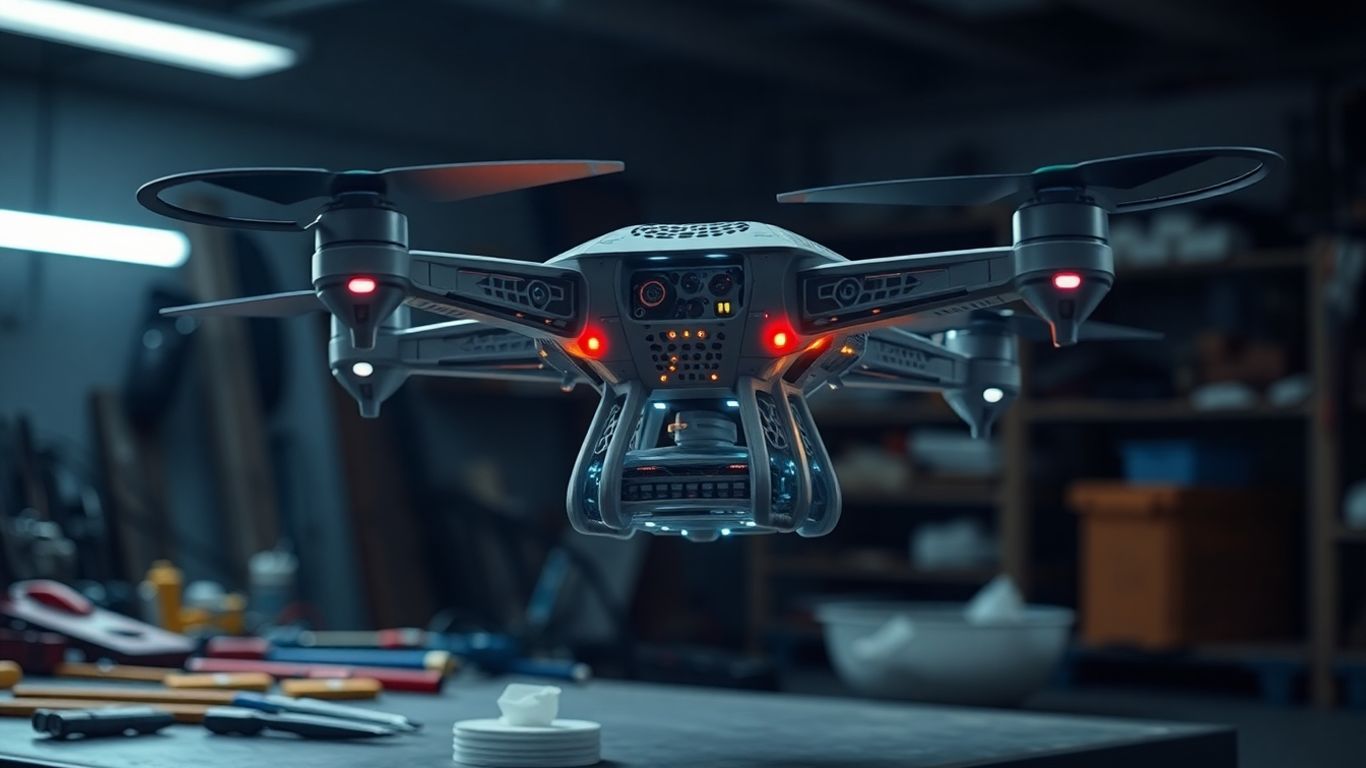
We’re seeing some pretty cool stuff happening with materials science and 3D printing. It means we can make drone parts that are tougher and work better. Think about drones that can fly longer, carry more stuff, and just generally hold up better when things get rough. It’s not just about making them out of plastic anymore; we’re talking about advanced composites and even some metal printing that makes these machines way more robust.
Autonomous Systems and Collaboration
This is where things get really interesting. Imagine drones that don’t just fly pre-programmed routes. With 3D printing, we can build in more complex systems, and that opens the door for drones to make decisions on their own. They could figure out the best way to get somewhere, avoid obstacles, or even fix minor issues themselves. Plus, they’ll be able to work together, like a swarm, coordinating their actions for bigger jobs.
- Self-repairing components: Minor damage can be addressed on the fly.
- Adaptive flight paths: Drones can reroute based on real-time conditions.
- Cooperative mission execution: Multiple drones working as a team.
On-Demand Printing for Dynamic Missions
This is a big one. The ability to print a drone right when and where you need it changes everything. If a mission suddenly requires a specific type of drone, say for delivering medicine to a tricky spot, you can just print it. No waiting for shipments or factory production.
The speed at which a drone can be designed, printed, and deployed is shrinking dramatically. This means military units or rescue teams can adapt to new situations almost instantly, without being held back by traditional manufacturing timelines. It’s about having the right tool, ready to go, at the exact moment it’s needed.
Transforming Warfare With 3D-Printed Drones
Loitering Munitions: A New Era Of Attack Drones
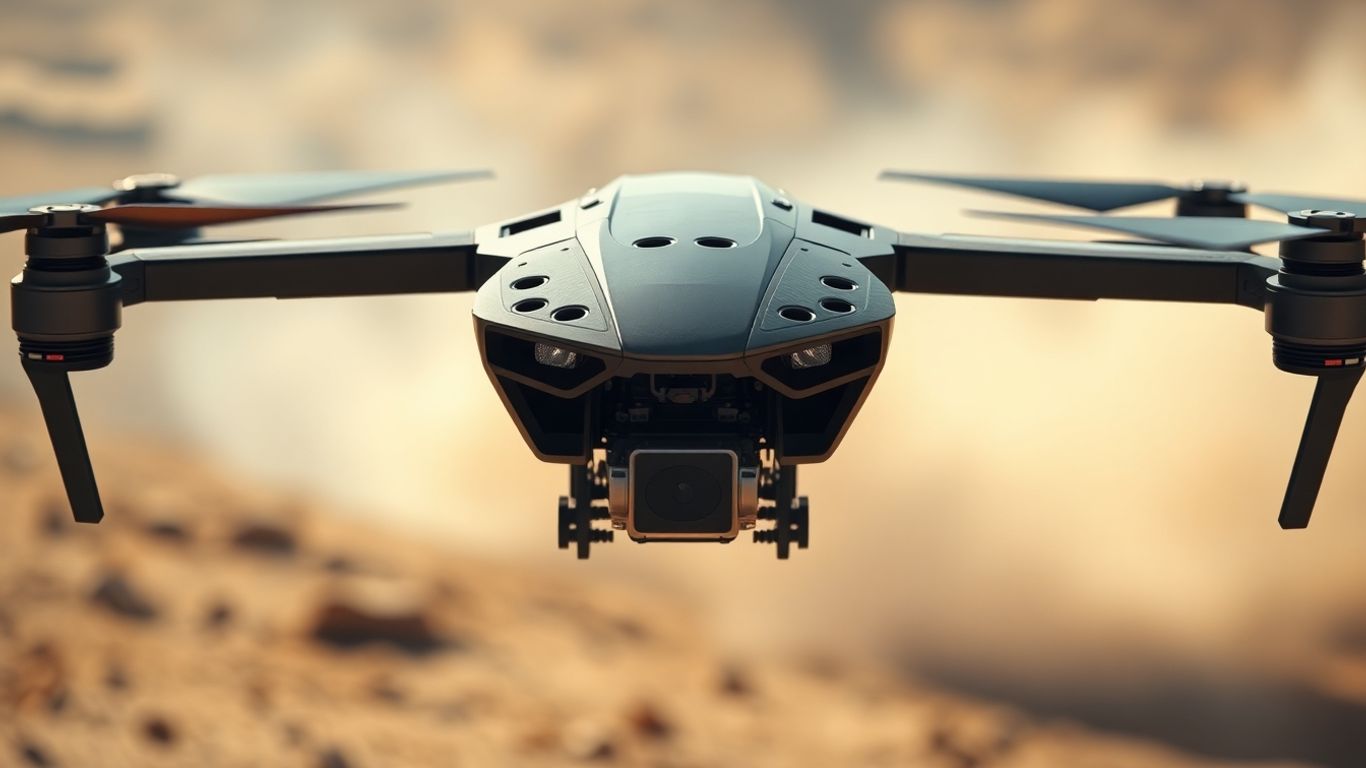
Forget the old way of doing things. When we talk about future combat drones, especially those that can just hang around waiting for a target, 3D printing is a total game-changer. Think of loitering munitions – basically, one-way attack drones. Traditionally, making these things was a whole production. Now? You can print them pretty cheaply and fast. This means armies can have a lot more of them, ready to go. It’s a big shift in how we approach aerial warfare.
Rapid Response And Battlefield Adaptability
What’s really cool about 3D printed military tech is how fast you can change things up. Need a drone that can carry a specific sensor or a different kind of payload? With traditional manufacturing, that’s a long wait. But with 3D printing, you can tweak the design and print a new one in hours, not months. This means soldiers on the ground can get exactly what they need, when they need it. It makes the whole unmanned aerial systems evolution way more flexible.
The Role Of Drones In Modern Drone War
So, how does this all fit into the bigger picture of modern conflict? Well, 3D printing means we can print drones right near the front lines. Imagine a shipping container that’s basically a mini drone factory. This cuts down on shipping time and costs, and it means you’re not reliant on big, far-off factories. This ability to produce drones on-demand, tailored for specific missions, is what’s really going to define autonomous aerial warfare going forward. It’s not just about having drones; it’s about having the right drones, made quickly and affordably, wherever they’re needed.
Beyond The Battlefield: Commercial And Humanitarian Uses
So, while the military applications of 3D-printed drones are pretty wild, it’s not just about fighting. This tech is also shaking things up in ways that help people and businesses. Think about getting supplies to folks who really need them, fast. That’s where these printed drones really shine.
Disaster Relief And Medical Supply Delivery
When a natural disaster hits, getting help to people can be a huge challenge. Roads might be blocked, and traditional transport is slow. This is where 3D-printed drones become lifesavers. They can be printed right near the affected area, cutting down on wait times. We’re talking about getting medicine, blood, or even food to isolated communities much quicker than before. It’s a game-changer for emergency response teams.
- Rapid Deployment: Drones can be printed and launched within hours, not days.
- Access to Remote Areas: They can reach places that are hard to get to by land.
- Customizable Payloads: Drones can be printed to carry specific items, like medical kits or communication gear.
Specialized Drones For Industrial Applications
Beyond emergencies, industries are finding all sorts of uses for these custom-built drones. Need to inspect a tall wind turbine or map out a large construction site? Instead of buying a generic drone and hoping it works, you can now print one specifically for the job. This means better data collection and more efficient operations. Companies are looking at drones for everything from checking pipelines to monitoring crops. The ability to tailor a drone for a specific task means less wasted time and better results.
Transforming Logistics With Aerial Capabilities
Logistics is another area getting a serious upgrade. Imagine a warehouse where you can print a drone on demand to move parts around or to deliver small packages to nearby locations. This could really speed up internal operations. For businesses that need to move goods, especially in tricky terrain or to remote spots, 3D-printed drones offer a flexible and potentially cheaper way to get things done. It’s all about making delivery chains smarter and faster. The U.S. Air Force is even looking into this for expeditionary manufacturing, showing how far this idea can go Firestorm Lab.
The flexibility of additive manufacturing means that drone designs can be tweaked and improved constantly. This iterative process allows for rapid adaptation to new challenges and opportunities, making 3D-printed drones a dynamic tool for various non-military applications.
The Sky’s the Limit
So, what does all this mean for the future? It looks like drones are going to get way more common, and not just for the big military guys. Being able to print them on the fly, or even right near the action, changes everything. Think about getting supplies to people in tough spots, or having eyes in the sky for all sorts of jobs, way faster and cheaper than before. It’s not just about making more drones; it’s about making the right drones for whatever needs to be done, right when it needs doing. This whole 3D printing thing is really just getting started, and it’s going to keep shaking things up, making aerial tech more accessible and useful for everyone.
Frequently Asked Questions
What is 3D printing and how does it apply to drones?
3D printing, also called additive manufacturing, is like building something layer by layer from a digital design. For drones, this means we can create parts or even whole drones much faster and in custom shapes than with old-fashioned factories. It’s like using a special printer to build a drone instead of cutting and assembling pieces.
Why are 3D-printed drones better than traditionally made ones?
They can be made much quicker and cheaper. Imagine needing a special drone for a mission; with 3D printing, you can design and print it in hours, not weeks. Plus, you can make them exactly how you need them for the job, like adding stronger parts or special equipment.
Can 3D-printed drones be used in wars?
Yes, definitely. Armies can print drones right near where the fighting is happening. This means they can quickly replace lost drones or make new ones with specific tools for spying or attacking. It makes them much faster to respond to the battlefield.
Are 3D-printed drones only for the military?
Not at all! These drones are also great for helping people. Think about delivering medicine to places cut off by floods or helping farmers check their crops. Businesses can also use them for deliveries or inspecting tall buildings. They’re becoming useful in many areas.
What countries are leading in 3D-printed drone technology?
Countries like the United States are using them a lot for their military and for new business ideas. China is also making many of them, especially for military use. The United Kingdom is focusing on using them for everyday jobs, and places like Israel are known for their advanced military drone tech made with 3D printing.
What’s next for 3D-printed drones?
We’ll likely see drones that can fly longer, carry more, and are even tougher. They might also become smarter, able to work together, or even fix themselves. The possibilities are huge, making drones more affordable and useful for almost anything.