CIA launches EU charm offensive
So, the CIA is apparently trying to mend fences with Europe. It seems like there have been some trust issues lately, and the agency’s director has been doing some traveling to smooth things over. It’s all about getting back on the same page, especially with all the global stuff going on. They’re talking about sharing information and working together on security, which makes sense, I guess. It’s a bit of a diplomatic push, you could say.
Key Takeaways
- The CIA is making an effort to rebuild trust with European partners through direct engagement and reaffirming intelligence sharing.
- Discussions are focused on current global threats, particularly from Russia and China, and maintaining open communication channels.
- There’s a need to balance security needs with privacy concerns, especially regarding digital technologies and data.
- The agency is also trying to connect with the public more directly, using social media and sharing unclassified information.
- Strategic alliances and cooperation are highlighted, with specific mention of issues like chip restrictions and broader European security.
Rebuilding Trust Through Diplomacy
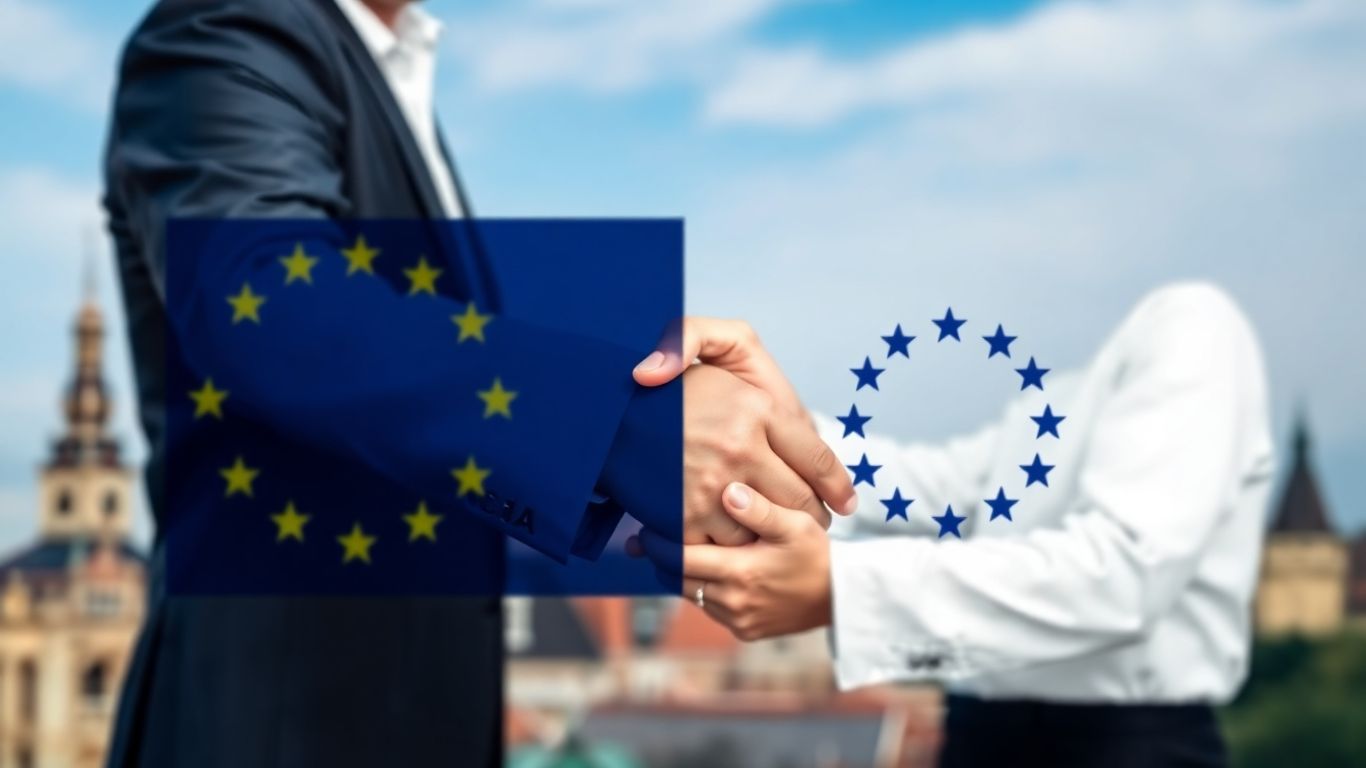
It seems like the CIA is making a real effort to patch things up with its European partners. After some rocky patches, the agency is apparently reaching out, trying to show that they’re still a reliable source for intel.
CIA Director’s European Outreach
Reports suggest the CIA Director himself has been on the ground, meeting with top EU officials. The goal? To get back on the same page and reaffirm that the US still values that intelligence exchange. It’s all about keeping those communication channels open, especially with all the global stuff going on.
Reaffirming Intelligence Sharing Commitments
There’s been some talk, and maybe some worry, about whether the US is still a solid partner when it comes to sharing sensitive information. The CIA is pushing back on that, saying any suggestion that they’re not reliable is just not true. They want everyone to know that the commitment to sharing intelligence is still very much there. It’s a delicate dance, using covert diplomacy strategies behind the scenes to smooth things over.
Addressing Concerns Over US Reliability
Some of the unease might stem from past actions, like when intelligence sharing with certain countries was briefly paused, or when key positions were filled with people who seemed more loyal to the administration than to the intelligence mission itself. The CIA is trying to counter these narratives directly, aiming to put those doubts to rest and show that the US remains a steadfast ally in the intelligence world.
Building bridges takes time and consistent effort. It’s not just about what’s said in official meetings, but also about the quiet conversations and the actions that follow. The agency is trying to signal a return to a more predictable and collaborative approach.
Here’s a quick look at some of the areas they’re focusing on:
- Russia and China: These two countries are consistently mentioned as major concerns, and the CIA wants to make sure allies are aligned on how to approach the intelligence gathering related to them.
- Open Communication: The emphasis is on keeping lines of communication open, even when disagreements arise. This is key to managing any potential misunderstandings.
- Commitment to Allies: The agency is working to demonstrate that the US remains a dependable partner, despite any past hiccups.
Navigating Evolving Global Threats
The world isn’t exactly getting simpler, is it? With big players like Russia and China constantly shifting the geopolitical landscape, it’s more important than ever for intelligence agencies and governments to keep talking. The CIA’s recent outreach to European allies isn’t just about smoothing ruffled feathers; it’s about making sure everyone’s on the same page when it comes to the big, scary stuff happening out there.
Focus on Russia and China
These two countries are definitely top of mind for intelligence agencies right now. Their actions have a ripple effect across the globe, from military posturing to economic influence. Keeping a close eye on their developments and understanding their intentions is a massive task. It means sharing information, analyzing trends, and trying to predict what might happen next. It’s a constant game of chess, but with much higher stakes.
Maintaining Open Lines of Communication
When things get tense, the worst thing you can do is shut down. The CIA’s push to keep communication channels open with European partners is a smart move. It means that even when disagreements pop up, there’s still a way to talk things through. This is especially true when dealing with sensitive intelligence. You need to know you can trust the source, and that they’ll share what’s important, even if it’s not always comfortable.
The complex web of international relations means that no single country can effectively tackle major global challenges alone. Collaboration, even between nations with differing viewpoints, is key to managing risks and finding common ground.
The Role of Diplomacy in National Security
Sometimes, the best way to deal with a threat isn’t with a missile, but with a conversation. Diplomacy plays a huge part in national security. It’s about building relationships, understanding different perspectives, and finding ways to de-escalate tensions before they boil over. This can involve everything from high-level talks to quiet back-channel communications. It’s a less flashy part of security, but it’s often the most effective in the long run.
For example, consider the ongoing situation in Eastern Europe. While military readiness is important, diplomatic efforts to maintain stability and prevent further escalation are just as vital. This includes:
- Consistent dialogue with NATO allies.
- Sharing intelligence on troop movements and potential provocations.
- Working towards de-escalation strategies through diplomatic channels.
It’s a delicate balancing act, but one that’s absolutely necessary to keep the peace.
Technological Diplomacy and Data Security
Criticism of Digital ID Plans
There’s been some pushback from tech circles regarding the EU’s ideas for digital identification. Companies, including those with ties to the intelligence community, have voiced concerns. One firm, Palantir, through its UK head, Louis Mosley, called the proposed digital ID measures "very controversial." This highlights a tension between government initiatives and private sector views on data management and citizen identification. It’s a tricky balance, trying to modernize services while respecting privacy.
Encrypted Messaging and EU Regulations
Another area of discussion involves encrypted messaging apps. Some services, like Signal, have even suggested they might pull out of the EU market if certain regulations, like the proposed "Chat Control" plan, go through. This is a big deal because these tools are often used for secure communication, even by government officials. The CIA itself has defended the use of Signal for its own operations, pointing out that many of its officers rely on it. This shows how important these communication channels are for modern intelligence agency foreign policy and geopolitical communication tactics.
Balancing Security and Privacy
Ultimately, this all comes down to finding a way to keep data secure without overstepping boundaries. The EU is looking at ways to manage digital information, while tech companies and even intelligence agencies are grappling with how to operate within these evolving rules. It’s a complex puzzle, and finding solutions that satisfy everyone – governments, citizens, and businesses – is a real challenge. The goal is to protect national security interests while also upholding individual privacy rights. It’s a constant negotiation, and one that will shape how we interact with technology and each other for years to come.
The push for digital identification and stricter data regulations in the EU presents a complex landscape. It forces a re-evaluation of how information is handled, who has access to it, and what safeguards are in place. This isn’t just about technology; it’s about trust and the future of digital interaction.
Expanding Public Engagement
CIA’s Social Media Presence
The CIA has been making some interesting moves lately, trying to connect with people in new ways. You might have seen them pop up on social media platforms like Twitter. It’s a bit of a shift from their usual, you know, secret agent stuff. They’ve started sharing unclassified information, which is kind of neat. It’s all about making the agency’s work and history more accessible to the public. They even have a bit of a sense of humor about it, with some early tweets playing on their secretive nature. It’s a way to show a different side, beyond just the headlines.
Sharing Unclassified Information
So, what kind of stuff are they putting out there? Think historical tidbits from their museum, facts about their mission, and general updates. It’s not classified, of course, but it gives folks a peek behind the curtain. They’re aiming to be more open about what they do, within the limits of national security, naturally. It’s a balancing act, for sure.
Engaging with the Public Through Diplomacy
This whole social media push is part of a broader effort to engage more directly. It’s like a modern form of diplomacy, reaching out to people where they are. They want to build a better understanding of their role and responsibilities. It’s not just about reacting to events; it’s about proactively communicating.
This outreach is a strategic move to demystify the agency and build bridges of communication. By sharing non-sensitive details, they hope to foster a more informed public discourse about intelligence work and its place in national security.
Here’s a quick look at some of their early social media activity:
- Platform Launch: Twitter account initiated.
- Follower Growth: Rapid increase in followers within hours of launch.
- Content Focus: Sharing unclassified historical facts and mission-related information.
- Engagement Strategy: Using humor and direct communication to connect with users.
Strategic Alliances and Diplomacy
US-Poland Relations and Chip Restrictions
Things have been a bit tense lately between the US and Poland, especially with that whole chip restriction issue. Poland sees itself as a solid ally, and they’re trying to build up their military, which is pretty important given their location. But these US decisions on tech, like blocking certain AI chips, are causing some friction. It makes you wonder how these kinds of trade policies affect the bigger picture of our alliances. It’s not just about the chips themselves, but what they mean for a partner’s security goals. This situation highlights the delicate balance between national economic interests and maintaining strong international partnerships.
European Security and NATO Allies
When we talk about alliances, NATO is obviously a big one. The CIA’s outreach to EU officials is partly about making sure everyone’s on the same page regarding security threats. It’s not just about sharing intel; it’s about showing up for each other. With everything going on in Eastern Europe, having a united front is pretty key. The agency wants to reassure allies that the US is a reliable partner, which is important for collective defense. It’s about more than just military might; it’s about trust and consistent support.
Diplomacy in Military Expansion
Sometimes, diplomatic efforts are directly tied to military developments. For instance, when countries are looking to expand their defense capabilities, like Poland is, it can have ripple effects. The CIA’s role here is to understand these shifts and how they impact regional stability. It’s a complex web where intelligence gathering meets diplomatic maneuvering. The goal is to anticipate potential issues and work with allies to address them proactively, rather than just reacting to crises. This kind of engagement helps shape the broader US European influence landscape.
Wrapping It Up
So, it looks like the CIA is trying to mend some fences over in Europe. After some rocky times, they’re reaching out, saying they still want to share information and work together. They met with some big EU players to smooth things over and talk about what’s happening with Russia and China. It’s a bit of a move to show they’re still a reliable partner, even if things got a little weird with intelligence sharing before. Only time will tell if this effort really rebuilds that trust, but for now, it seems like they’re making an attempt to get back on the same page.
Frequently Asked Questions
Why is the CIA reaching out to Europe?
The CIA is talking to European countries to rebuild trust and make sure they can still count on each other for important information. They want to keep communication lines open, especially with big global challenges happening.
What are the main global threats the CIA is focused on?
The CIA is paying close attention to threats from countries like Russia and China. Working together with allies is key to national security when facing these kinds of problems.
What’s the issue with digital IDs and encrypted messages?
Some tech companies and the CIA are concerned about new European plans for digital IDs and how encrypted messages are handled. They worry about balancing safety with people’s right to privacy.
Is the CIA using social media?
Yes, the CIA has started using social media, like Twitter, to share information that isn’t secret. This helps them connect with the public and explain what they do.
How does the CIA work with allies like Poland?
The CIA works with allies on many things, including security. For example, there have been discussions about things like chip technology that affect allies like Poland, especially when it comes to military readiness.
Why is sharing intelligence important?
Sharing intelligence helps countries work together to prevent bad things from happening. It’s like sharing clues to solve a big puzzle to keep everyone safe.