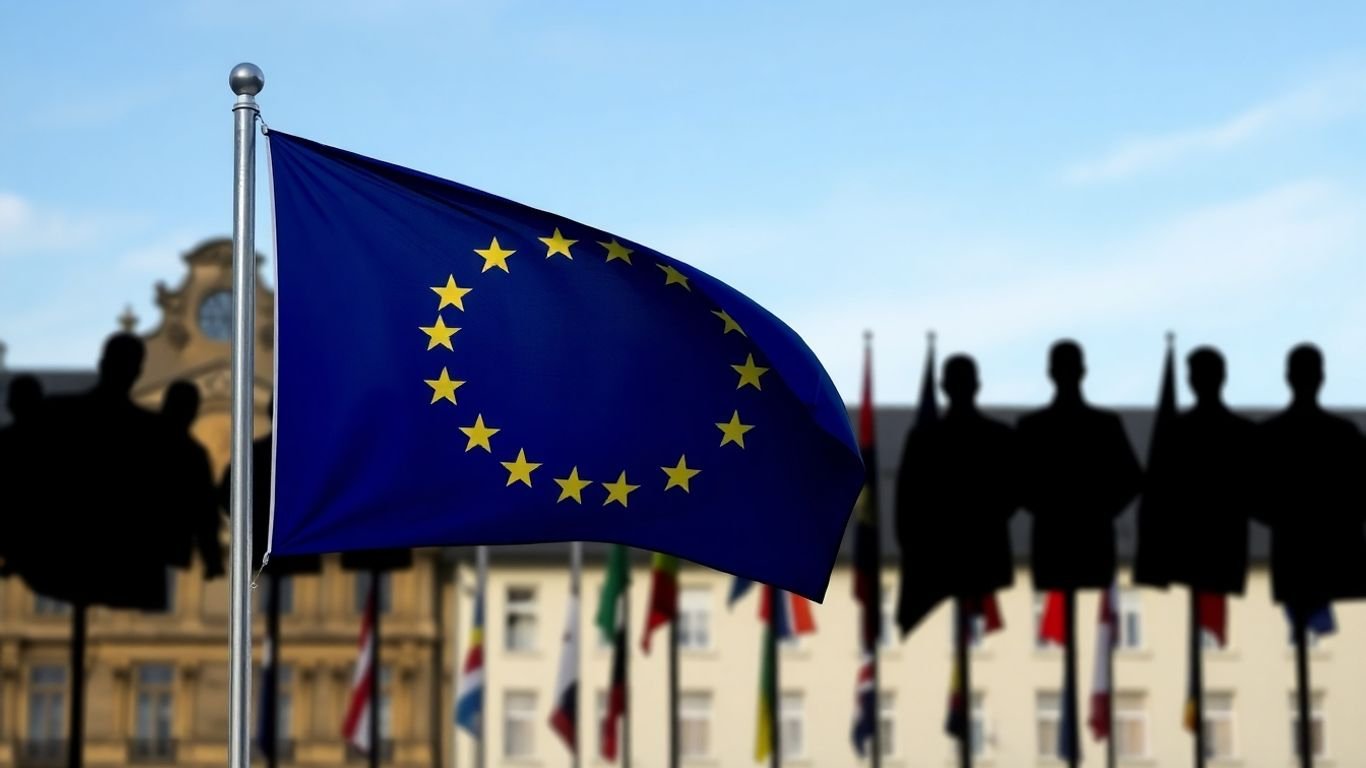
Hungary’s anti-Ukraine alliance proposal gets support in EU nation
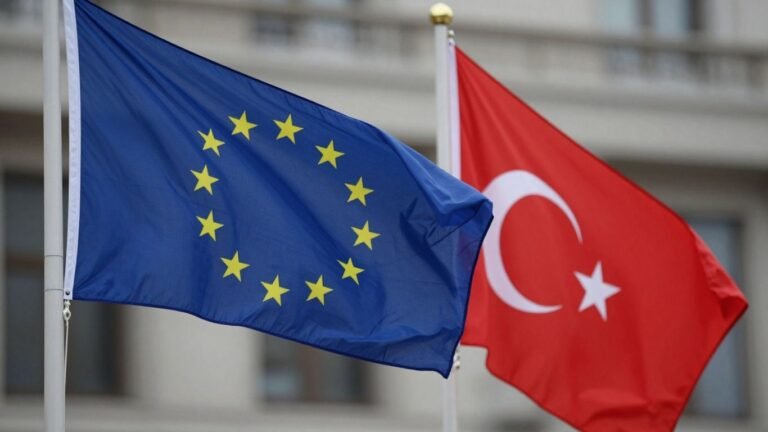
It looks like Hungary is trying to get some other EU countries on board with its view on Ukraine. Prime Minister Viktor Orbán seems to be talking with leaders in Slovakia and the Czech Republic about forming a sort of group that’s not exactly thrilled about the EU’s current approach to Ukraine. This is happening while Ukraine is still trying to join the EU, and it’s causing some ripples within the bloc. Let’s break down what’s going on.
Key Takeaways
- Hungary, led by Viktor Orbán, is reportedly working to build an ‘anti-Ukraine’ alliance within the EU, aiming to coordinate stances with Slovakia and the Czech Republic.
- This potential bloc, championed by figures like Orbán, Robert Fico (Slovakia), and Andrej Babiš (Czech Republic), opposes sending military aid to Ukraine and favors a peaceful resolution, differing from the broader EU consensus.
- While Hungary supports EU enlargement for Western Balkan nations, Moldova, and Georgia, it argues that Ukraine’s membership would be detrimental, potentially dragging the EU into the conflict and straining the EU budget.
- The proposed alliance could significantly impact the EU’s ability to provide financial and military support to Ukraine, potentially slowing down decision-making and creating divisions among member states.
- Hungary’s strategy includes seeking allies within the European Parliament and expressing discontent with current EU leadership, aiming to influence EU policy through various channels, including maintaining its veto power.
Hungary’s Stance On Ukraine’s EU Bid
Hungary’s position on Ukraine’s bid to join the European Union has been a point of significant discussion and, frankly, a bit of a headache for many within the EU. Prime Minister Viktor Orbán has been quite vocal about his opposition, even going so far as to suggest he’d use his veto power to block any progress. It’s not that Hungary is against the idea of EU enlargement in general; in fact, they’re quite supportive of countries in the Western Balkans getting in. It’s specifically Ukraine that seems to be the sticking point.
Opposition To Ukraine’s Membership
Budapest’s argument is pretty straightforward: they believe Ukraine joining the EU would be bad for both Europe and Hungary itself. They’ve pointed to the ongoing conflict as a major reason, suggesting that Ukraine’s membership would essentially drag the entire bloc into the war. It’s a stance that puts Hungary at odds with most other EU leaders, who actually opened accession talks with Ukraine in 2023. Orbán wasn’t present for that vote, which tells you something.
Arguments Against EU Accession
The reasons cited for this opposition are varied. One major concern is the potential for the war to escalate and spread if Ukraine becomes an EU member. Hungary also argues that Ukraine’s borders aren’t entirely settled, hinting at potential territorial issues. Beyond the security aspect, there’s the financial side. Hungary worries that a significant chunk of the EU’s budget would have to be redirected for Ukraine’s reconstruction, impacting funds for existing members. They’ve even proposed a "strategic partnership" as an alternative, which is a status Ukraine already holds.
National Consultation Results
To gauge domestic opinion, the Hungarian government conducted a national consultation, a sort of non-binding survey. The results, as reported by Budapest, showed an overwhelming majority – 95% – opposing Ukraine’s membership. This domestic backing seems to reinforce the government’s firm stance on the issue. It’s a complex situation, and Hungary’s approach to enlargement is definitely something to watch as these discussions continue within the European Union.
The Hungarian government’s position is a delicate balancing act, supporting enlargement for some regions while actively opposing it for Ukraine, citing security and financial concerns as primary drivers for their dissent.
Emerging Ukraine-Skeptic Alliance In The EU
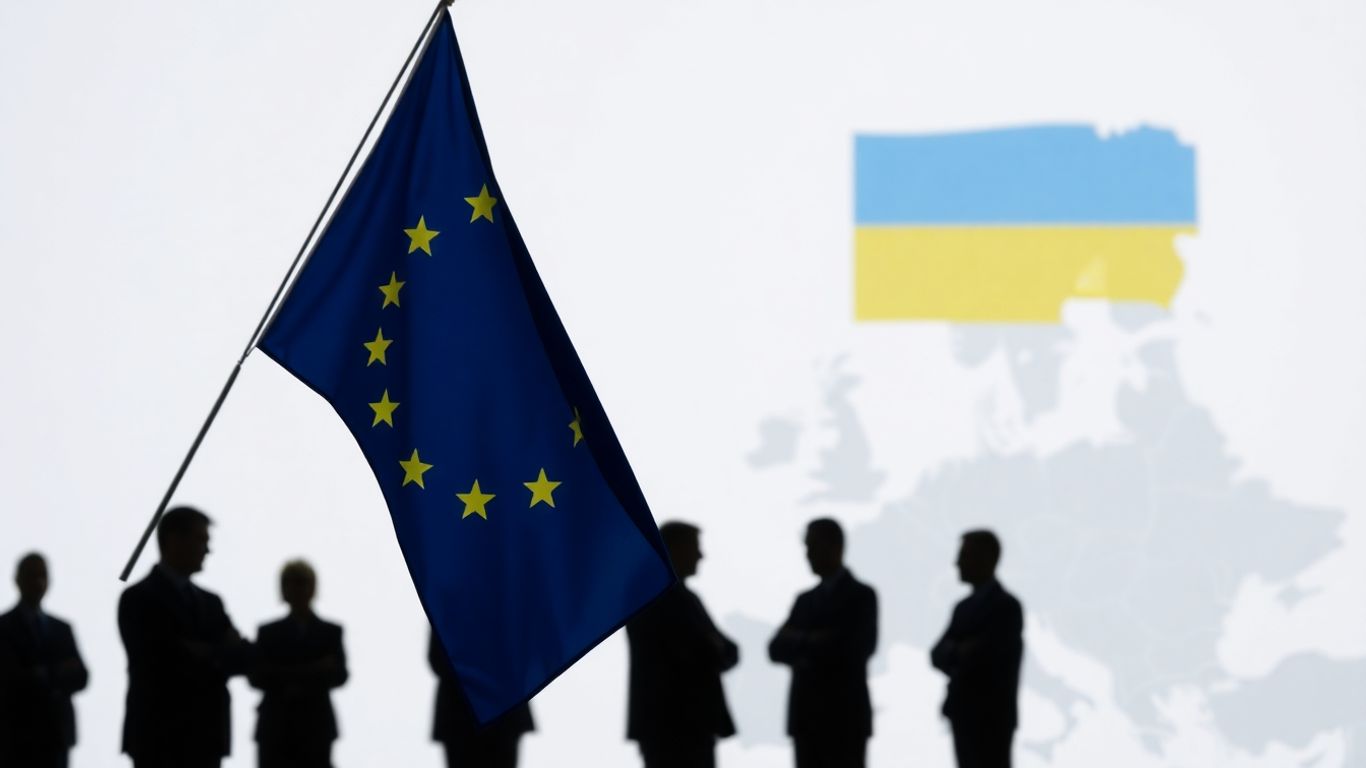
It looks like a new group is starting to form within the European Union, and it’s not exactly thrilled about the current approach to Ukraine. Hungary, under Viktor Orbán, is reportedly trying to get Slovakia and the Czech Republic on board for a more unified stance. The idea is to coordinate their positions before big EU meetings, especially when it comes to anything involving Ukraine. This isn’t exactly a formal pact yet, but the conversations are happening.
Coordination With Slovakia And Czech Republic
Balazs Orbán, a key advisor to the Hungarian Prime Minister, has been pretty open about this. He mentioned that he thinks a bloc of countries that are more cautious about supporting Ukraine "will come – and be more and more visible." This comes after the recent election results in the Czech Republic, where Andrej Babiš’s party, which has similar views, came out on top. Slovak Prime Minister Robert Fico also seems to be on the same page, favoring peace talks over sending more weapons. It’s like they’re trying to recreate some of the old Visegrad Group coordination, but with a specific focus on Ukraine policy.
Potential Impact On EU Support For Ukraine
So, what does this mean for Ukraine? Well, if these countries really team up, it could make things trickier for the EU when it comes to sending financial and military aid. We’ve already seen some hesitation from certain member states, and this kind of alliance could amplify that. It might slow down decisions or even block certain proposals, especially those involving funds or frozen assets. It’s a delicate balance, and any significant shift in consensus could have ripple effects.
The current direction in Brussels is seen by some as leading towards more conflict, and there’s a growing desire among certain leaders to push for diplomatic solutions and maintain economic ties, even with Russia. This divergence in opinion could reshape how the EU collectively responds to ongoing international crises.
Comparison To Visegrad Group
This whole idea reminds a lot of how the Visegrad Group used to work, particularly during the migration crisis a few years back. Back then, Hungary, Poland, the Czech Republic, and Slovakia often presented a united front against certain EU policies, like mandatory relocation quotas. While Poland has since taken a different path regarding Ukraine, the memory of that coordinated action is clearly influencing this new push for alignment. It shows that when countries with similar concerns decide to work together, they can certainly make their voices heard on the European stage. Hungary is working to strengthen its political partnerships within Brussels, according to Viktor Orbán’s political director [1bd2].
Here’s a quick look at the general stances:
- Hungary: Skeptical of extensive military aid, favors diplomatic solutions.
- Slovakia: Prime Minister Fico has called for peace talks and maintaining ties with Russia.
- Czech Republic: Incoming government under Babiš has signaled a halt to direct military aid and a less interventionist approach.
This emerging alignment, while still informal, could definitely change the dynamics of EU decision-making on Ukraine.
Key Figures And Their Positions
Viktor Orbán’s Vision
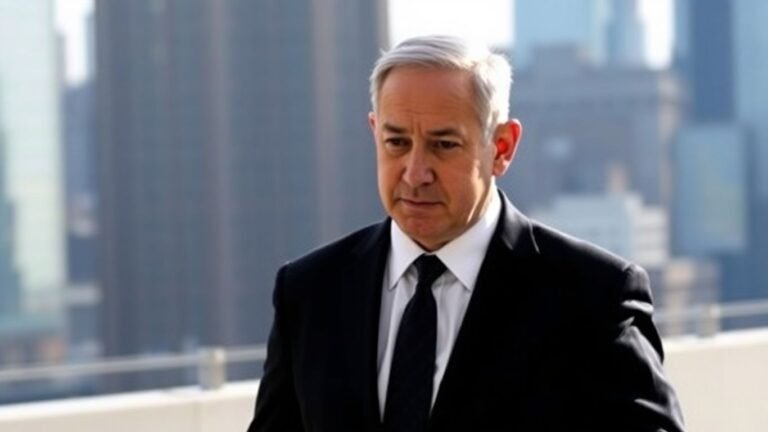
Viktor Orbán, Hungary’s long-serving Prime Minister, is the architect behind this push for a more "Ukraine-skeptic" bloc within the European Union. His vision seems to be about carving out a distinct path for certain member states, one that prioritizes national interests and a more cautious approach to the ongoing conflict in Ukraine. He’s not just talking about this; he’s actively trying to build a coalition. Orbán believes that by coordinating with like-minded leaders, Hungary can have a stronger voice in shaping EU policy, especially concerning aid and sanctions related to Ukraine. He’s been quite vocal about his desire for dialogue with Russia and has expressed concerns about the EU’s current trajectory.
Robert Fico’s Stance
Slovak Prime Minister Robert Fico aligns himself with Orbán’s general sentiment. He’s also been critical of the EU’s current approach to the Ukraine conflict, particularly regarding the flow of military and financial aid. Fico has openly called for a shift towards diplomatic solutions and has voiced concerns about the economic impact of sanctions on Russia. His position suggests a willingness to explore closer ties with Russia, a stark contrast to the dominant narrative in Brussels. This shared skepticism makes him a natural potential partner for Orbán’s initiative.
Andrej Babiš’s Alignment
Andrej Babiš, the leader of the ANO party in the Czech Republic, represents another key figure in this emerging alignment. Following his party’s electoral success, Babiš has signaled a similar cautiousness regarding extensive support for Ukraine. He has, at times, echoed the calls for de-escalation and dialogue, and has been criticized by some in the Czech political landscape for being too close to Orbán’s positions. His potential involvement could significantly bolster the numbers for this "Ukraine-skeptic" group, though the formalization of any such alliance is still a work in progress. His alignment, whether formal or informal, could represent a significant shift in the Czech Republic’s foreign policy stance within the EU.
Here’s a look at their general positions:
- Viktor Orbán: Advocates for a distinct national interest-driven EU policy, prioritizing dialogue with Russia and questioning extensive Ukraine aid.
- Robert Fico: Supports a peaceful resolution to the conflict, critical of current EU sanctions and military support for Ukraine.
- Andrej Babiš: Expresses skepticism towards current EU Ukraine policy, favoring de-escalation and dialogue, with potential for closer ties with Russia.
The coordination among these leaders isn’t just about Ukraine; it reflects a broader desire among some Central and Eastern European nations to assert greater independence in foreign policy decisions, pushing back against what they perceive as a top-down approach from Brussels.
Hungary’s Broader EU Enlargement Policy
While Hungary is making waves with its stance on Ukraine’s EU bid, it’s not like Budapest is against the whole idea of the European Union growing. Far from it, actually. Hungary has a pretty clear position when it comes to expanding the bloc, and it’s not a one-size-fits-all approach. They’re quite keen on seeing the Western Balkan countries join the EU, arguing it’s good for stability in that region. It feels like they see a clear path for countries like Serbia, North Macedonia, and others to become members.
Support For Western Balkans
Hungary has consistently backed the accession of Western Balkan nations. The argument is that these countries have been working on meeting membership criteria for a while now, and their progress should be faster. It’s seen as a way to boost regional stability, which makes sense. If things are shaky in the Balkans, that uncertainty can spread. Plus, Hungary has business interests there, so stability is good for everyone involved.
Position On Moldova And Georgia
When it comes to Moldova and Georgia, Hungary’s stance is also quite supportive. They’ve said Moldova’s accession is something they back without any major conditions, even pointing out that Moldova could provide needed workers for the EU. Georgia’s bid is also supported, though things have gotten a bit complicated there with the European Union and the ruling party. Still, Hungary’s position remains positive.
Strategic Partnership Proposal
Instead of full membership for Ukraine right now, Hungary has floated the idea of a strategic partnership. This isn’t a new concept, as Ukraine already has an association agreement with the EU. The thinking here, at least from Budapest’s perspective, is that full membership could be costly and potentially drag the EU into the ongoing conflict. It’s a different way of looking at how Ukraine can work closely with the bloc without the immediate complexities of full accession. This approach highlights Hungary’s nuanced view on EU enlargement.
Hungary’s approach to EU enlargement shows a selective engagement, prioritizing certain regions and countries while expressing reservations about others. This strategy appears to be driven by a mix of geopolitical considerations, economic interests, and a desire to shape the future direction of the European Union.
Challenges To EU Consensus On Ukraine
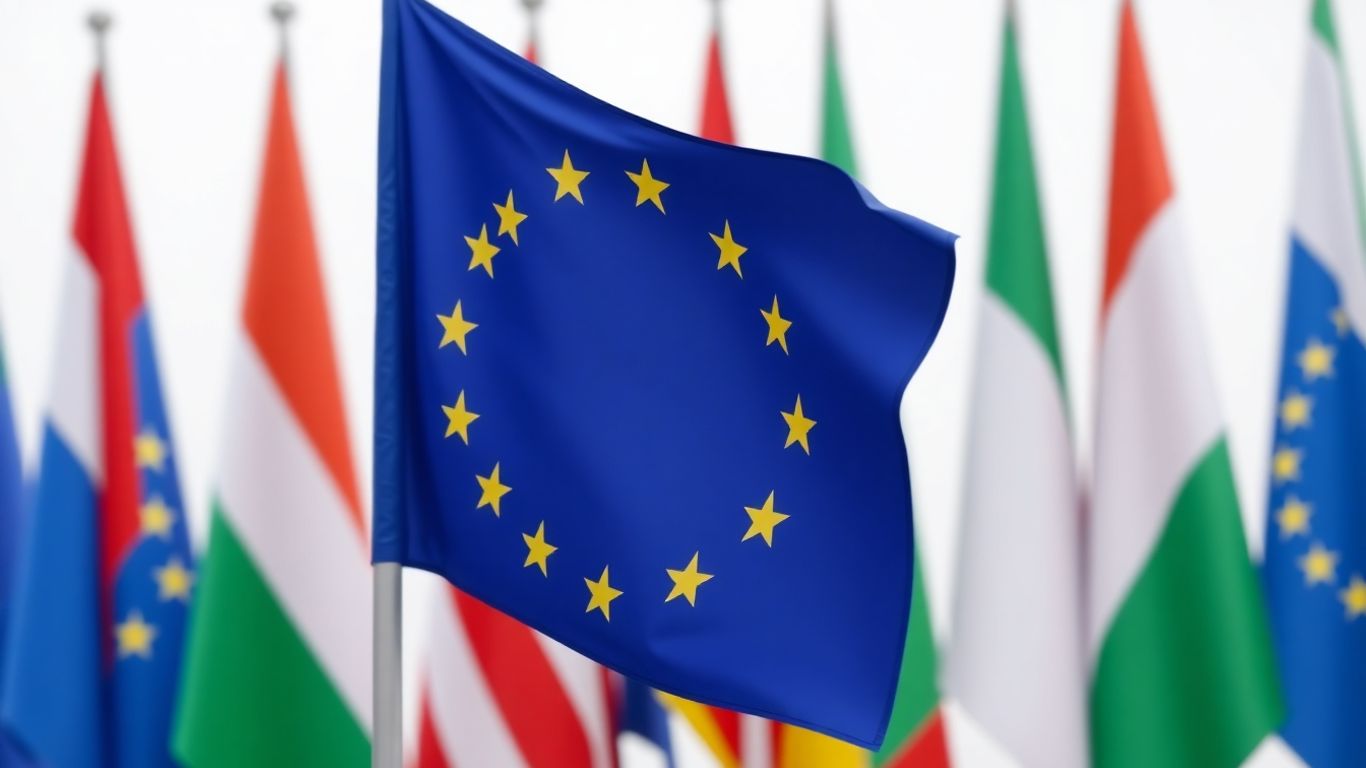
It’s not exactly smooth sailing when it comes to getting all EU countries on the same page about Ukraine. Hungary, for one, has been pretty vocal about its reservations, and it’s not alone in feeling that way. This creates some real hurdles for any unified EU action.
Divergent Views On Military And Financial Aid
Getting everyone to agree on sending money or weapons to Ukraine is proving tricky. While some member states are all in, others, like Hungary, are hesitant. The argument from Budapest is that more aid just prolongs the conflict and could even make things worse for Europe. They’re not against helping Ukraine, mind you, but they prefer to focus on humanitarian aid and immediate peace talks rather than military support. This difference in opinion can really slow things down.
Concerns Over Escalation And War Prolongation
There’s a genuine worry among some EU nations that continued military involvement could lead to a wider conflict. It’s a delicate balance, trying to support Ukraine without dragging the whole continent into a war. Some leaders are concerned that the current path might not lead to a quick resolution and could, in fact, make the situation more volatile. It’s a heavy thought, considering the potential consequences.
Hungary’s Continued Ties With Russia
Another point of contention is Hungary’s ongoing relationship with Russia, particularly concerning energy supplies. While many EU countries have been trying to reduce their reliance on Russian energy, Hungary has maintained these ties. This has led to some friction and questions from other member states about Budapest’s overall stance and commitment to the EU’s collective policies towards Russia. It makes building a united front a lot harder when there are these differing approaches.
The idea that more weapons will solve this is just not sitting right with everyone. People are worried about where this all leads and if there’s a real plan for peace that doesn’t involve endless fighting. It’s a tough conversation to have when the stakes are so high.
Here’s a look at how some countries are leaning:
- Strong Support: Countries like Poland and the Baltic states have been very vocal in their support for significant military and financial aid to Ukraine.
- Hesitant Stance: Hungary has consistently voiced opposition to large-scale military aid, preferring diplomatic solutions.
- Shifting Positions: Other nations, like Slovakia and the Czech Republic, have seen shifts in their governments, leading to changes in their approach to supporting Ukraine, sometimes mirroring Hungary’s concerns.
This patchwork of opinions means that reaching a unanimous decision on major Ukraine-related policies within the EU is often a significant challenge.
Hungary’s Influence Within The EU
Hungary has been making waves in the European Union lately, especially with its stance on Ukraine. It’s not exactly a secret that Budapest has been pushing back against Ukraine’s bid to join the EU. This isn’t just talk, either; Hungary has the power to slow things down, and sometimes even stop them, using its veto. It’s a pretty big deal when you consider how much the EU usually tries to move forward together.
Maintaining Veto Power
Hungary’s government has made it clear they want to keep their veto power, particularly when it comes to big decisions like EU enlargement. Prime Minister Viktor Orbán has shown he’s willing to use this tool, even if it means going against the majority. Remember back in December 2023? Orbán stepped out of a meeting, and boom, negotiations with Ukraine could start without Hungary’s immediate approval. It’s a strategic move, showing that even a single country can really impact the EU’s direction. This ability to block decisions gives Hungary significant leverage in negotiations and policy-making.
Strategic Partnerships In European Parliament
Beyond just blocking things, Hungary is also busy building connections. They’re looking for allies in the European Parliament, not just among the far-right but even reaching out to other groups. The idea is to create a network that can support Hungary’s positions on various issues. This involves working with think tanks and other organizations in Brussels to get their message out and find common ground with different political factions. It’s a way to build influence from the ground up, not just at the top leadership level.
Discontent With Current EU Leadership
There’s a noticeable undercurrent of dissatisfaction with the current leadership at the European Commission, especially with Ursula von der Leyen. Hungary, along with potential allies, seems to be looking for a shift away from the current centrist majority. This discontent fuels the search for new partnerships and a desire to reshape the EU’s political landscape. It’s all part of a bigger picture where Hungary is trying to carve out a more prominent and independent role within the bloc, aiming to form an anti-Ukrainian bloc with countries like Slovakia and the Czech Republic.
Hungary’s approach highlights a broader trend of national interests being prioritized within the EU. While the bloc often strives for unity, individual member states like Hungary are increasingly asserting their distinct viewpoints and seeking to influence policy through strategic alliances and the careful use of their institutional powers. This dynamic creates a complex environment for decision-making, where consensus can be challenging to achieve.
What’s Next for This Alliance?
So, it looks like Hungary is trying to get a few other countries on board with its less-than-enthusiastic approach to supporting Ukraine within the EU. While it’s not a done deal yet, and these countries haven’t officially signed anything, the idea is definitely out there. If this "Ukraine-skeptic" group does gain traction, it could make things trickier for the EU when it comes to deciding on aid for Ukraine. It’s a developing situation, and we’ll have to wait and see if this informal alliance actually takes shape and how it might change the dynamics in Brussels.
Frequently Asked Questions
Why is Hungary against Ukraine joining the EU?
Hungary believes that Ukraine joining the European Union could be bad for both Europe and Hungary. Prime Minister Viktor Orbán has said he doesn’t want Hungary to be part of an alliance where a new member is constantly at risk of war, which could then involve Hungary too. He feels that if Ukraine joins, the war could become Europe’s war, and Hungary doesn’t want that.
Is Hungary trying to form a group of countries against supporting Ukraine?
Yes, reports suggest Hungary is trying to build a group of EU countries that are skeptical about supporting Ukraine. They are talking with leaders in Slovakia and the Czech Republic to try and get them to agree on similar ideas before important EU meetings. This could make it harder for the EU to give money and weapons to Ukraine.
What is Hungary’s stance on other countries joining the EU?
While Hungary opposes Ukraine’s membership, Prime Minister Viktor Orbán is a strong supporter of other countries joining the EU. This includes countries in the Western Balkans, like Serbia and Bosnia and Herzegovina, as well as Moldova and Georgia. Hungary believes these countries belong in the EU and that their membership would help make the region more stable.
Does Hungary send any help to Ukraine?
Hungary does provide humanitarian aid and electricity to Ukraine. However, they are against sending any financial or military support. The Hungarian government argues that more support from Europe will only make the war longer and could lead to more dangerous situations in Europe.
What does Hungary think about its relationship with Russia?
Hungary has faced criticism from other EU countries because it continues to buy energy from Russia and maintain political and trade ties. The Hungarian government has stated that Russia is responsible for the invasion of Ukraine and has called for peace, but they also want to keep some connections with Russia, especially for energy needs.
Has Hungary ever blocked EU decisions on Ukraine before?
Yes, Hungary has used its veto power in the EU before. For example, at a big EU meeting in December 2023, Prime Minister Orbán left the room during discussions about Ukraine’s membership talks. This allowed other EU leaders to start the talks without Hungary’s approval. Later, he also lifted his veto on a large financial aid package for Ukraine after some EU funds were released to Hungary.




2 Comments