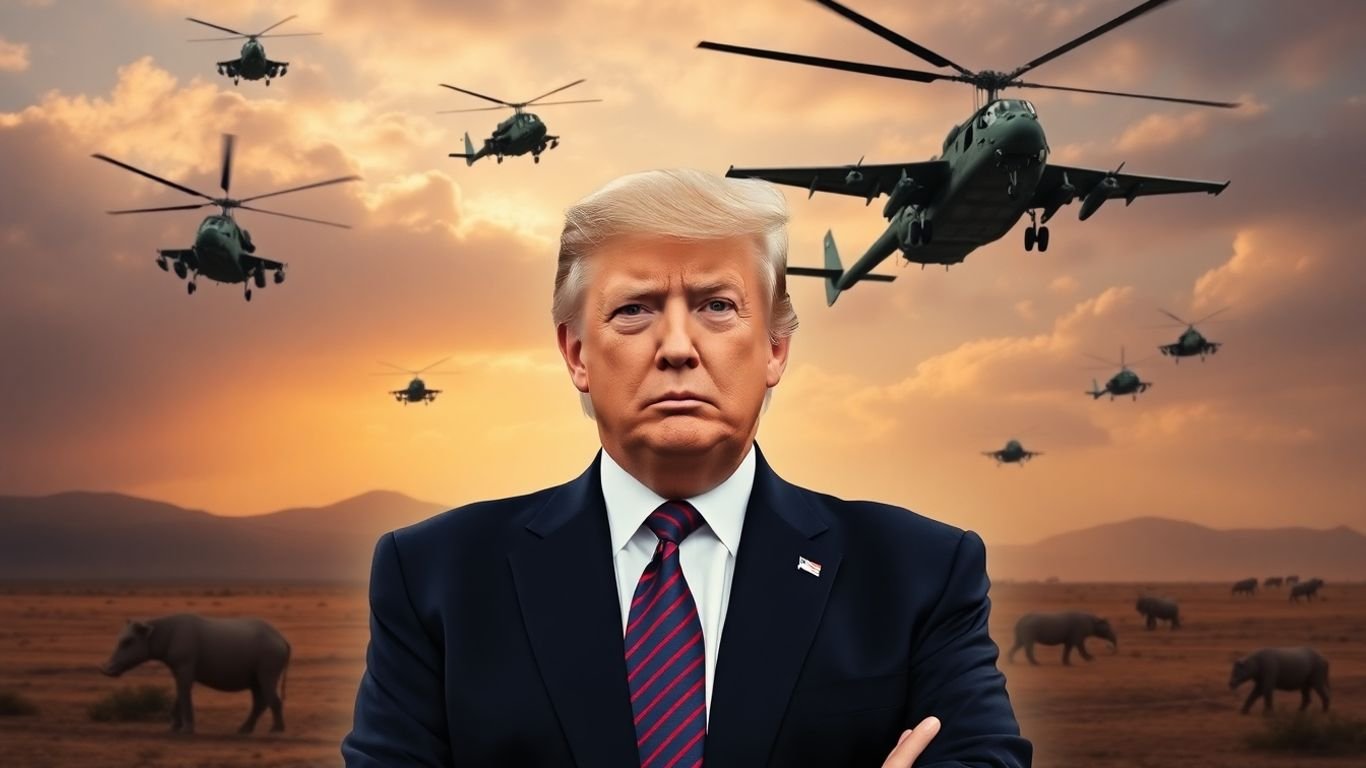
Trump threatens military action in Africa
So, President Trump is saying some pretty strong things about Nigeria lately. He’s talking about possibly sending in the military or doing air strikes there. The reason he’s giving is that he believes Christians are being killed in large numbers and the Nigerian government isn’t doing enough about it. This has caused quite a stir, and Nigeria is pushing back, saying that’s not the whole story.
Key Takeaways
- President Trump has ordered the Pentagon to plan for potential Military Action in Nigeria, including ground troops or air strikes, due to his concerns about the killing of Christians.
- Trump also threatened to cut off all US aid and assistance to Nigeria if the government doesn’t address the alleged persecution of Christians.
- Nigerian officials have denied claims of a ‘Christian genocide,’ stating that violence affects people of all faiths and is carried out by various groups, not just against Christians.
- Experts and monitoring groups suggest that while violence is a serious issue in Nigeria, data does not support the claim that Christians are disproportionately targeted compared to Muslims.
- Nigeria has welcomed US assistance in fighting insecurity but insists that any Military Action must respect its territorial integrity and sovereignty, with officials downplaying a literal interpretation of Trump’s threats.
Trump’s Threat Of Military Action In Nigeria
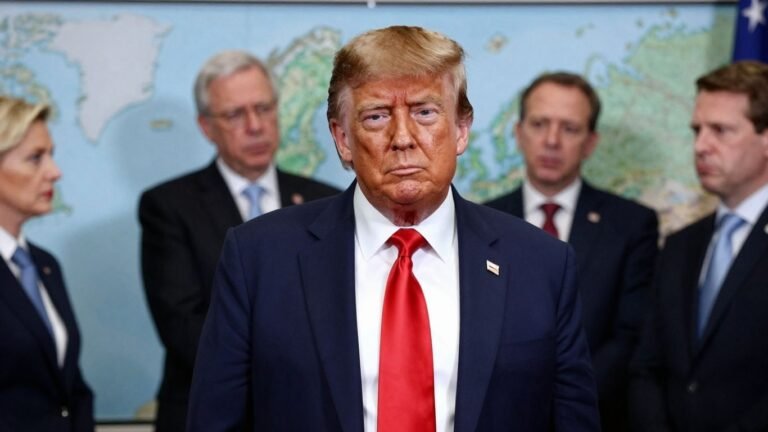
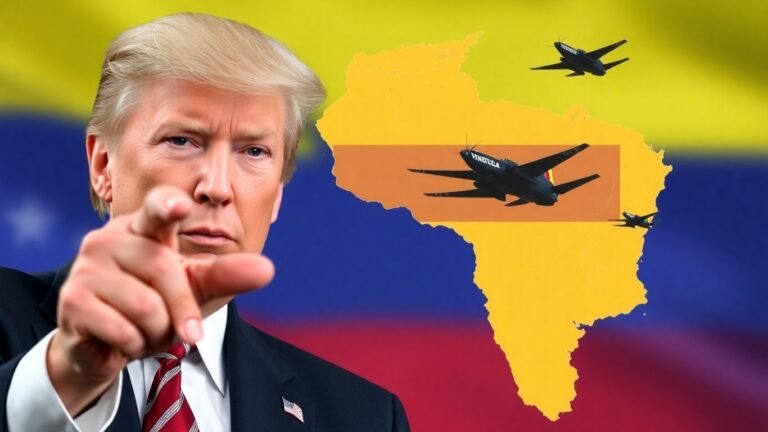
This past weekend, President Trump made some pretty strong statements regarding Nigeria, specifically threatening military action. He’s ordered the Pentagon to get ready for potential operations there, citing concerns about the treatment of Christians. It’s a pretty serious escalation in rhetoric, and it’s definitely got people talking about US military intervention Africa.
US President Orders Pentagon To Plan For Potential Military Action
Trump announced on social media that he’s instructed the military to prepare for "possible action." He didn’t hold back, saying that if the Nigerian government doesn’t step up to stop the killing of Christians, the U.S. might intervene "guns-a-blazing." He also warned of cutting off all aid and assistance to the country, calling it "now disgraced." This move signals a significant shift in Trump Africa policy, moving from diplomatic pressure to direct military threats.
Allegations Of Failing To Rein In Persecution Of Christians
The core of Trump’s concern seems to be the alleged persecution of Christians in Nigeria. He’s stated that "record numbers of Christians" are being killed and that the U.S. "will not allow that to happen." This has led to Nigeria being added back to the U.S. State Department’s "Countries of Particular Concern" list, which flags nations accused of violating religious freedoms. It’s a complex situation, and these allegations are a major point of contention in the ongoing geopolitical conflict Africa.
Warning To Halt All Aid And Assistance To Nigeria
Beyond the military threat, Trump also issued a stark warning about financial aid. He explicitly stated that "all aid and assistance to Nigeria" would be stopped if the government doesn’t act. This financial pressure, combined with the threat of military force, represents a dual-pronged approach to influencing US foreign policy Africa. It’s a move that could have significant repercussions for Nigeria’s economy and its relationship with the United States.
Potential Military Action Scenarios
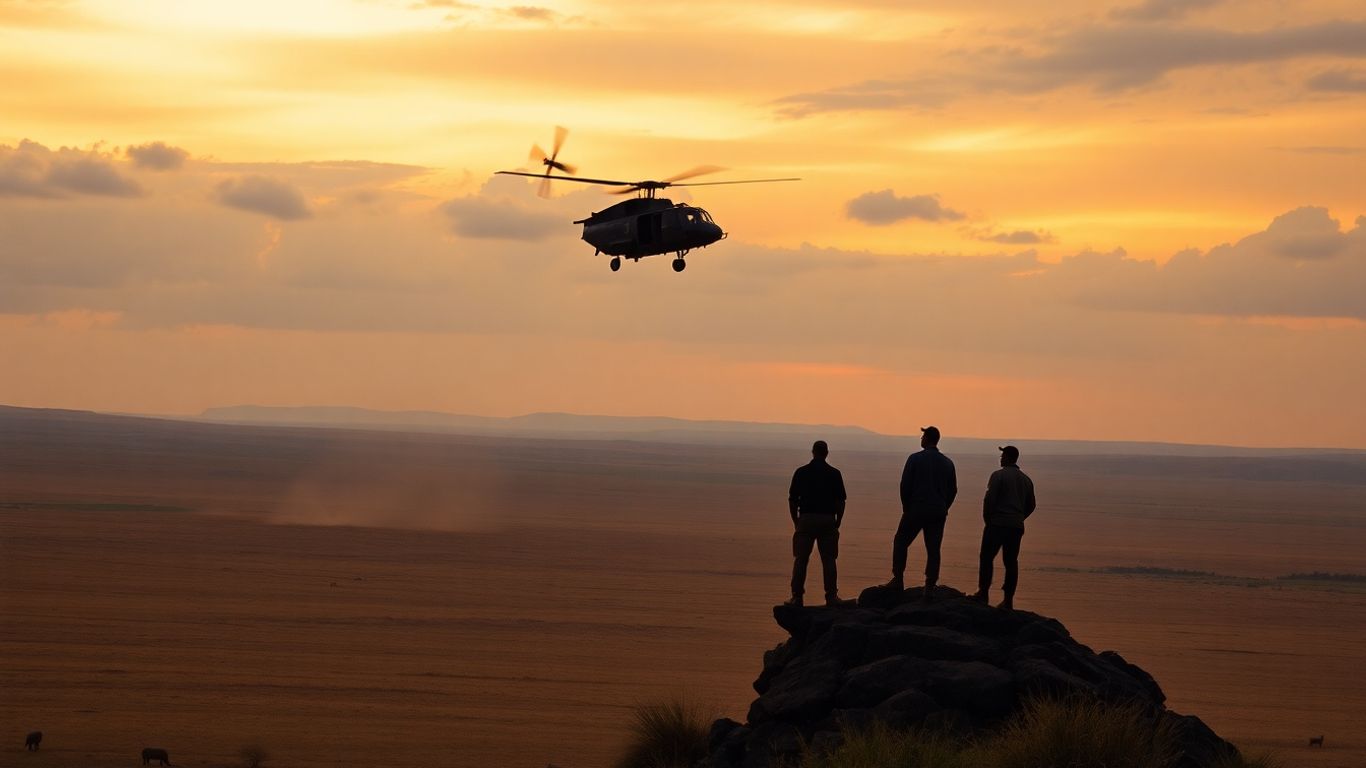
So, what exactly does "potential military action" mean when we’re talking about Nigeria? President Trump has been pretty vocal about this, suggesting a few different ways the U.S. might get involved.
Deployment Of US Troops On The Ground
One of the possibilities Trump has floated is sending American soldiers directly into Nigeria. This would mean boots on the ground, actively engaging with whatever groups are causing the violence. It’s a pretty serious step, and it raises a lot of questions about how that would work and what the objectives would be. It’s not something the U.S. does lightly, that’s for sure.
Carrying Out Air Strikes In Nigeria
Another option mentioned is conducting air strikes. This would involve using aircraft to target specific locations or groups within Nigeria. It’s a way to project force without necessarily putting troops in direct combat situations on the ground. The idea is to hit targets from a distance.
A Range Of Military Options Considered
When Trump says "a range of military options," it suggests they’re looking at more than just those two scenarios. This could include things like providing intelligence support, training Nigerian forces, or even naval blockades, though those are less likely given the context. Basically, the Pentagon is probably exploring every tool in the toolbox to see what might fit the situation, whatever that situation truly is.
The specifics of any potential military intervention remain vague, with the President indicating a broad spectrum of possibilities rather than a defined plan. This approach leaves room for interpretation and raises concerns about the clarity of U.S. intentions and the potential consequences for regional stability.
Nigeria’s Response To Military Action Threats
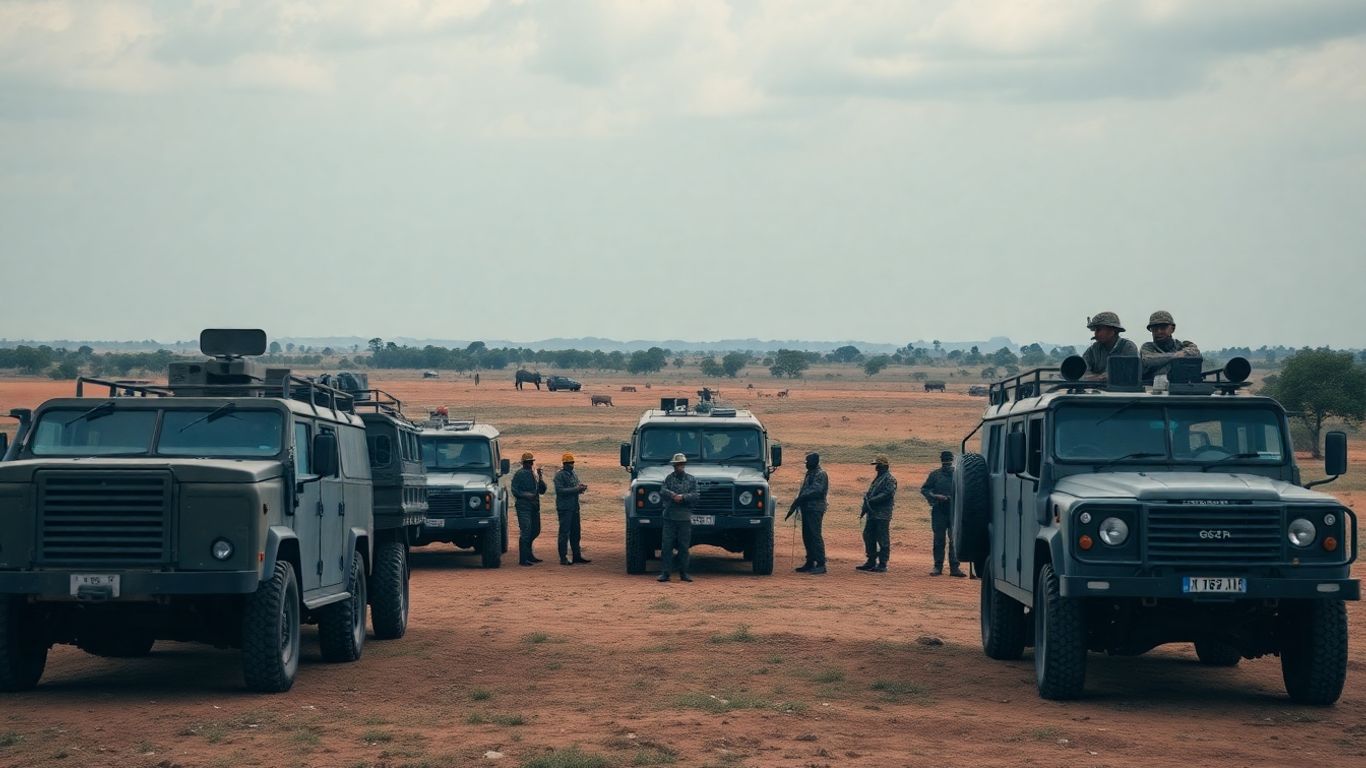
Well, Nigeria’s government has definitely had something to say about those strong words coming from the US President. They’ve made it pretty clear that while they’re open to help in tackling the serious security issues, any outside military involvement needs to respect their sovereignty.
Welcome US Assistance With Respect For Territorial Integrity
Nigeria has stated that they’re ready to work with the United States to fight armed groups. It’s a big deal for them to get support, especially with the ongoing African security threats. However, they’ve emphasized that this help must come with a clear understanding and respect for Nigeria’s borders and internal affairs. They don’t want any situation where foreign intervention undermines their own control over their territory. It’s like inviting a friend to help clean your house, but you still want to be the one deciding where the furniture goes.
Denial Of Mass Killings Of Christians
Nigerian officials have pushed back against the idea that Christians are being specifically targeted for mass killings. They acknowledge that there are indeed killings happening, but they stress that these attacks aren’t limited to one religious group. Both Muslims and people of other faiths are affected by the violence. They point out that groups like Boko Haram and others affiliated with al-Qaeda and ISIS are the ones causing trouble, and these groups don’t discriminate based on religion. It’s a complex conflict, and they feel the narrative of a targeted Christian genocide isn’t accurate.
Sovereign Country Should Carry Out Action Together
Nigeria sees itself as a sovereign nation, and they believe that any significant action, especially military action, should be a joint effort. They’re not against the idea of cooperation, but they want to be partners in the process, not just a place where action happens to them. The idea is that if there’s a plan, it should be developed and executed together, respecting Nigeria’s role and authority. This also touches on the idea that Nigeria is looking to strengthen its international partnerships, perhaps even considering new alliances like Nigeria Joining BRICS, to better manage its security and foreign policy independently.
The government’s stance is that while they welcome international support in combating terrorism and insecurity, it must be done in a way that upholds their national sovereignty and territorial integrity. They are keen to collaborate but insist on being a primary actor in decisions affecting their country.
Here’s a quick look at the points made:
- Openness to aid: Nigeria welcomes US assistance in fighting insecurity.
- Sovereignty is key: Any intervention must respect Nigeria’s territorial integrity.
- Denial of religious targeting: Claims of mass killings of Christians are disputed; violence affects all faiths.
- Joint action preferred: Nigeria wants to be a partner in any military actions, not just a recipient.
Context Of Religious Freedom Concerns
Nigeria Added To ‘Countries Of Particular Concern’ List
So, the US government put Nigeria on this list, called ‘Countries of Particular Concern.’ This happened because they felt religious freedom wasn’t being respected enough there. It’s a designation that can lead to sanctions, and it’s a pretty serious label. They’d actually taken Nigeria off this list in 2023, but now it’s back on. This move by the Trump administration definitely adds a layer of tension to things.
Claims Of Genocide Against Christians Circulating
There’s a lot of talk, especially from some corners in the US, about a "Christian genocide" happening in Nigeria. President Trump himself has pointed to this, saying Christianity is under an "existential threat" and blaming "radical Islamists" for "mass slaughter." These claims often cite thousands of deaths, but the evidence presented can be a bit thin. It’s a narrative that’s been building for a while, and it’s certainly amplified by these kinds of statements.
Experts Deny Evidence Of Disproportionate Targeting Of Christians
However, many folks who study the situation on the ground, like legal analysts and conflict experts, push back on the idea of a genocide. They point out that while violence is a real problem in Nigeria, it’s not just Christians who are being targeted. Attacks happen across different faiths, and often, the majority of victims are actually Muslims, especially in the north where groups like Boko Haram are active. It seems like the situation is way more complicated than just one group being singled out for elimination. The data suggests that while Christians are indeed victims, they are not disproportionately targeted compared to other groups.
Here’s a quick look at some numbers that have been reported:
| Group Targeted | Number of Attacks (Approx.) |
|---|---|
| Christians | 50 |
| All Civilians | 1,923 |
Note: These figures represent reported attacks on civilians in Nigeria so far this year, according to ACLED, a crisis-monitoring group. The number of attacks specifically targeting Christians due to their religion is a fraction of the total.
Motivations Behind Violence In Nigeria
It’s easy to get caught up in the headlines about Nigeria, especially when talk turns to the Nigeria killing Christians. But the reality on the ground is way more complicated than just one group targeting another. The violence we’re seeing isn’t just about religion, though that’s a part of it for some groups. A lot of it boils down to old-school fights over who controls what, land disputes, and ethnic tensions that have been simmering for ages. Think of it like a tangled mess of different conflicts all happening at once.
Complex Conflict Dynamics Over Political Power And Land Disputes
At its core, a lot of the unrest stems from competition for resources and political influence. Different communities and ethnic groups often clash over access to land, water, and other vital resources. This can escalate into serious violence, especially in areas where governance is weak or where there’s a history of mistrust between groups. It’s not always about faith; sometimes it’s just about who gets to farm where or who has a say in local politics.
Clashes Between Herders And Farming Groups
One of the most visible and persistent conflicts is between nomadic herders, often Muslim, and settled farming communities, who are frequently Christian. These clashes are primarily driven by competition for land and water, especially as climate change makes resources scarcer. When herders’ cattle stray onto farmlands, or when farmers block access to grazing areas, it can quickly turn violent. These disputes can become cyclical, with retaliatory attacks happening on both sides.
Targeting Of All Faiths By Insurgent Groups
Then you have the extremist groups like Boko Haram and ISWAP. While some of their rhetoric might focus on religion, their actions often show a broader pattern of violence. They attack indiscriminately, hitting markets, schools, and places of worship – both churches and mosques. Their goal is often to destabilize the region and sow chaos, and they don’t seem to care much about the religious identity of their victims. Data shows that while Christians are targeted, Muslims and people of other faiths are also victims in large numbers. It’s a tragedy that affects everyone.
The violence in Nigeria is a multifaceted issue, driven by a mix of factors including resource competition, ethnic rivalries, and the destabilizing actions of extremist groups. Attributing it solely to religious persecution oversimplifies a complex reality and risks misdirecting efforts to find lasting solutions.
Here’s a look at some of the groups involved and the types of violence:
- Extremist Insurgents: Groups like Boko Haram and ISWAP aim to establish their own caliphates and often use terror tactics. They are responsible for large-scale attacks, bombings, and abductions.
- Farmer-Herder Conflicts: These disputes are often localized but can be very deadly, involving clashes over land and resources. They can escalate into wider ethnic or religious tensions.
- Banditry and Criminal Gangs: In some regions, particularly the northwest, criminal gangs engage in kidnapping for ransom, cattle rustling, and other violent crimes, further contributing to insecurity.
International Reactions To Trump’s Stance
Alarm Across Nigeria Urging Government Action
President Trump’s strong words about potential military intervention in Nigeria certainly got people talking back home. You could feel a wave of concern ripple through the country, especially on social media. Many Nigerians expressed a strong desire for their government to really ramp up efforts against the various militant groups. The idea of foreign troops on their soil, even with good intentions, is a sensitive one, and there’s a clear push for Nigeria to handle its own security challenges.
Nigerian Officials Downplay Literal Interpretation Of Threats
Despite the strong language, many Nigerian officials and commentators seemed to view Trump’s statements with a degree of skepticism, suggesting they weren’t meant to be taken as a direct, immediate threat of invasion. Some pointed out that Trump has a particular way of communicating and that his underlying intent might be to push for more action against insecurity. There’s a hope that discussions, perhaps even between leaders, could clarify the situation and lead to constructive support rather than unilateral action.
Concerns Over Divisive Narratives Amplifying Instability
It’s not just Nigeria reacting, though. There’s a broader worry that these kinds of pronouncements, especially when they focus on religious divides, can actually make things worse. Experts and observers note that the conflict in Nigeria is really complex, involving land disputes, resource competition, and various insurgent groups that don’t just target one faith. Focusing too narrowly on one aspect, they argue, risks oversimplifying the situation and could inadvertently fuel further instability by playing into divisive narratives.
The situation on the ground is multifaceted, with violence impacting communities across different religious and ethnic lines. Attributing the entirety of the conflict to a single cause or targeting a specific group overlooks the intricate web of factors at play, including socio-economic pressures and political power struggles that have plagued the region for years.
What’s Next?
So, President Trump’s strong words about potentially sending troops or launching air strikes in Nigeria have definitely stirred things up. Nigeria’s government says they’re working to keep everyone safe and that these attacks aren’t just targeting Christians, but people of all faiths. They’re open to help, but want to keep control of their own country. It’s a complicated situation with a long history of violence from different groups, and it seems like the claims about who is being targeted aren’t quite matching up with what groups monitoring the violence are seeing. We’ll have to wait and see if this leads to any actual military moves or if it’s more about political messaging.
Frequently Asked Questions
Why did President Trump threaten military action in Nigeria?
President Trump said he was considering military action because he believed Christians were being killed in very large numbers in Nigeria and that the Nigerian government wasn’t doing enough to stop it. He also threatened to cut off all U.S. aid to the country.
What kind of military action did Trump mention?
When asked, President Trump suggested that possible actions could include sending U.S. troops into Nigeria or carrying out air strikes. He described potential actions as ‘fast, vicious, and sweet.’
How did Nigeria respond to Trump’s threats?
Nigerian officials stated that while they welcome help in fighting armed groups, any action must respect their country’s borders. They also denied that only Christians are being targeted, explaining that various groups, including Muslims, are victims of violence. Some Nigerian officials suggested they didn’t take Trump’s threats literally, believing his intention was to help.
Is it true that Christians are being mass-killed in Nigeria?
While violence and killings do occur in Nigeria, experts and Nigerian officials say there’s no evidence to prove that Christians are being specifically targeted for mass killings or that it’s a ‘Christian genocide.’ They point out that armed groups attack people of all faiths, and many victims are also Muslims. The violence is often linked to conflicts over land, resources, and general insecurity caused by extremist groups.
Why did the U.S. put Nigeria on a ‘Countries of Particular Concern’ list?
The U.S. administration added Nigeria to this list because they claim the country has violated religious freedoms. This designation can lead to sanctions. However, Nigeria’s government has stated that religious freedom is protected and that the characterization of the country as religiously intolerant doesn’t match reality.
What are the real reasons for violence in Nigeria?
The violence in Nigeria is complex. It involves conflicts between farming and herding groups over land and water, issues related to political power, ethnic rivalries, and attacks by extremist groups like Boko Haram. These groups often target everyone, regardless of their religion.