
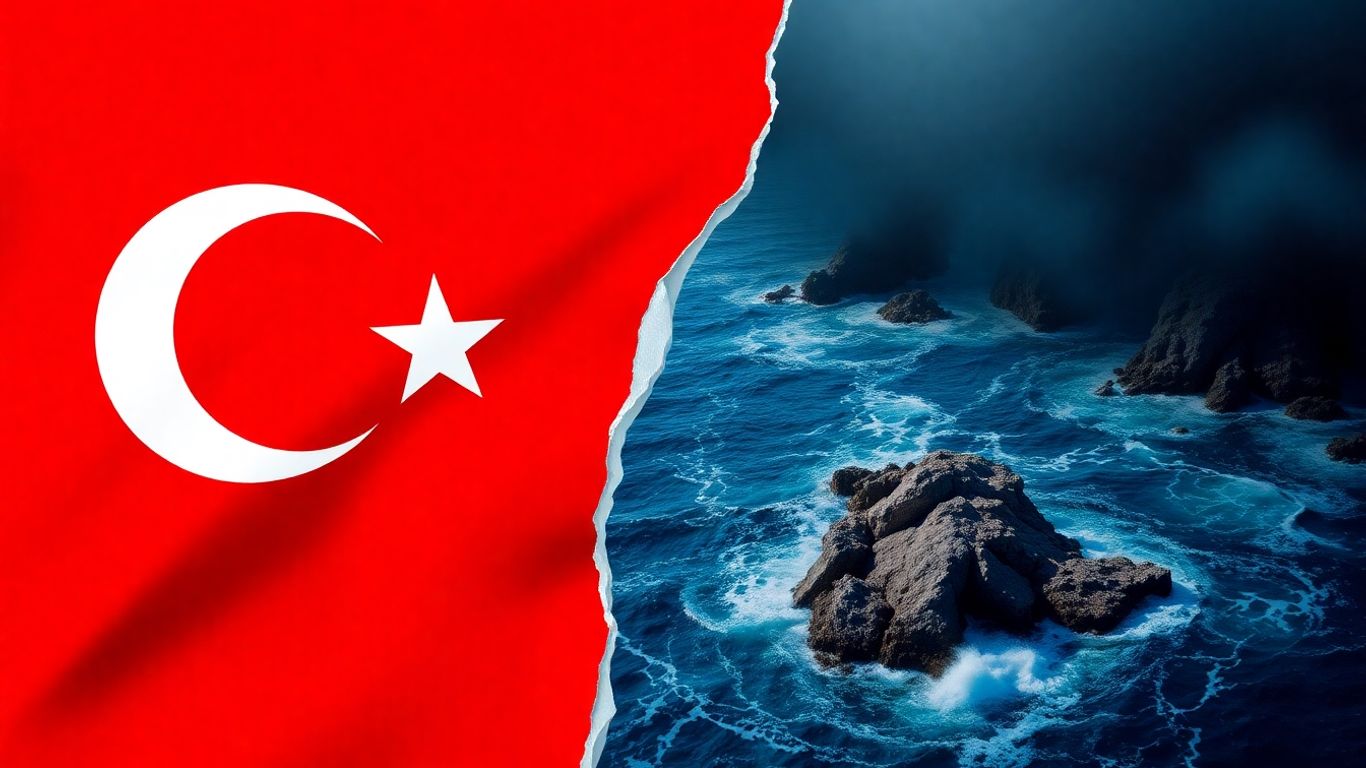
The crescent and star divide: Ankara’s golden child just ran away from home
So, it looks like Ankara’s golden child, the Turkish Republic of Northern Cyprus, might be pulling a fast one and running away from home. A recent election there has stirred things up, potentially shifting the power balance in the Eastern Mediterranean. It’s a complex situation, with deep roots in history and politics, and it’s got a lot of people in Turkey talking – and maybe a little worried. This whole thing goes beyond just local politics; it’s a sign of bigger changes happening.
Key Takeaways
- The recent election in Northern Cyprus saw a shift away from Ankara’s preferred candidate, signaling a potential change in the region’s political landscape.
- This outcome highlights the limits of Turkey’s influence, even in areas heavily reliant on its support, and suggests a growing desire for autonomy.
- Economic ties, with Northern Cyprus heavily dependent on Turkey’s budget and infrastructure, have long been a tool for Ankara to maintain control.
- Nationalist voices in Turkey are reacting strongly, demanding closer integration with Northern Cyprus, which could set a precedent for other regional autonomy movements.
- The election results point to a potential turning point for the island and challenge Turkey’s long-standing dominance in the Turkey Mediterranean.
Ankara’s Shifting Influence In The Eastern Mediterranean
The Eastern Mediterranean has always been a complex chessboard, and lately, the moves coming from Ankara have been getting a lot of attention. It feels like Turkey’s foreign policy shifts are becoming more pronounced, leading to some interesting dynamics in the region. We’re seeing a real test of Ankara’s regional influence, especially with all the ongoing Eastern Mediterranean disputes.
The Election Results And Internal Contradictions
The recent election results in Northern Cyprus have really stirred things up, showing some cracks in how things have been done. While President Erdogan congratulated the winner, Tufan Erhurman, it was a bit of a mixed bag. Erdogan had openly backed Ersin Tatar, who was all about strong ties with Ankara. The campaign itself was full of symbolic gestures, like billboards showing Erdogan and Tatar together, with a slogan about walking the same path. It felt like a big push to show unity, but maybe it didn’t quite land the way they hoped.
The political landscape in Northern Cyprus is more than just a local affair; it’s a reflection of broader trends and Ankara’s own internal political currents. The outcome suggests that the strategies employed by the ruling party at home might not be translating as effectively abroad.
Erdogan’s Preferred Candidate And Symbolic Gestures
Erdogan clearly had a favorite in the election, and he wasn’t shy about showing it. His visit around the anniversary of Turkey’s military intervention on the island was packed with symbolism. Think billboards, merged flags – the whole nine yards. Then there was the opening of a new government complex in Northern Nicosia. Ankara presented it as a sign of growing statehood and solidarity. But some saw it differently, viewing it as an attempt to tie Northern Cyprus even closer to Turkey, almost like a second palace for the president beyond Turkey’s borders.
Northern Cyprus As A Symbol Of Statehood Or Dependence
This whole situation raises a big question: is Northern Cyprus being built up as a symbol of its own statehood, or is it becoming more dependent on Ankara? The infrastructure, from water to energy, is largely built and managed by Turkish companies with state backing. A lot of the money for public services and imports comes straight from Turkey’s budget. This financial connection is a powerful tool for Ankara, giving it a strong presence and influence in a strategically important part of the Mediterranean. It’s a delicate balance between supporting a partner and maintaining control, and it seems that balance is being re-evaluated.
Here’s a quick look at some of the economic ties:
- Infrastructure Development: Major projects in transportation, energy, and communications are often spearheaded by Turkish state-backed firms.
- Financial Lifeline: Significant portions of Northern Cyprus’s budget, including energy imports and public administration, rely on direct funding from Turkey.
- Strategic Importance: The island’s location makes it key for Turkey’s defense and intelligence operations in the Eastern Mediterranean.
It’s clear that Ankara’s approach to foreign policy is evolving, and the situation in Northern Cyprus is a significant part of that story. The region is watching to see how these shifts play out.
A New Political Landscape For Turkey Mediterranean
The recent election results in Northern Cyprus are shaking things up, signaling a potential shift in how things work between Ankara and the island. It’s not just about who won; it’s about what that win means for Turkey’s political alliances and the broader geopolitical challenges in Turkey. This election might be the start of a new chapter, one where Ankara’s direct influence isn’t as automatic as it used to be.
The Broader Regional Power Dynamics
Things are getting complicated in the Eastern Mediterranean. Turkey has been a major player, but recent events suggest that its grip might be loosening. The election of a president who favors a federal solution, rather than the hardline stance Ankara often pushes, shows that local sentiment isn’t always in sync with the capital. This isn’t just a local issue; it has ripple effects across the region, potentially altering existing power balances.
Erhurman’s Victory And Its Implications For Ankara
When Tufan Erhurman won, it was a clear signal. He’s more aligned with a federal Cyprus and closer ties to Europe, which is a departure from the previous administration’s close alignment with Ankara. This victory suggests that Turkish Cypriots are looking for a different path, one that might involve more autonomy and less direct control from Turkey. It puts Ankara in a tricky spot, as they’ve often relied on a more unified front from their allies.
Erosion Of Erdogan’s Control In Reliant Structures
It seems like President Erdogan’s ability to dictate terms, even in places that have historically been very dependent on Turkey, is facing new limits. The election outcome is a clear example of this. It shows that even with strong economic and political ties, local populations can make their own choices. This could be a wake-up call for Ankara, indicating that their strategies might need to adapt to changing local dynamics. The situation is complex, and how Turkey responds will be watched closely by many, especially given the ongoing discussions about governance in other regions, like Gaza [b70f].
- Shifting Alliances: The election highlights a potential divergence in political goals between Ankara and its traditional partners.
- Regional Rebalancing: Other regional powers are likely observing these shifts and may adjust their own strategies accordingly.
- Internal Turkish Politics: The outcome could also influence domestic debates within Turkey regarding its foreign policy and regional ambitions.
Strategic Missteps And Nationalist Pushback

It seems like Ankara’s approach to Northern Cyprus might have hit a few bumps lately. Some folks within Turkey’s own political circles are pointing fingers, saying the campaign for Tatar was, well, a bit of a mess. They’re talking about tactics that were “flawed and clumsy,” which is a polite way of saying they didn’t quite land right. It wasn’t just the organization, either; bringing in certain public figures and celebrities apparently did more harm than good, making Tatar seem less credible. And those polls? If they were suggesting an easy win, that might have made the campaign team a little too comfortable, not adjusting when they should have.
Criticism Of Campaign Tactics And Organization
One of the big complaints is that the campaign didn’t really connect with the local vibe. They leaned heavily on Turkish nationalist symbols and even songs from Turkey’s Black Sea region. For many Turkish Cypriots, though, that stuff feels a bit out of place. They tend to lean more towards moderate, pro-European ideas. It’s like trying to push a political strategy that works in one place onto another, expecting the same results, and it just doesn’t fly. This whole election is being seen by some as proof that you can’t just copy-paste Ankara’s political playbook anymore.
Cultural Disconnect And Alienation Of Voters
The idea that Northern Cyprus is a "strategic shield" for Turkey is a strong one for some, but it seems to have overlooked the evolving identity and aspirations of the people living there. Pushing a purely security-focused narrative might not be enough when people are also looking for economic opportunities and closer ties with Europe.
The Limits Of Ankara’s Political Playbook
This whole situation highlights how Ankara’s influence, while still significant, isn’t as automatic as it once was. The election results are making people question if the old ways of doing things are still effective. It’s a sign that maybe a more nuanced approach is needed, one that respects the local context and doesn’t just assume a shared political outlook. The pushback isn’t just about this one election; it’s about a broader question of how Turkey engages with its neighbors and allies, a topic that has seen differing views on national sovereignty in other contexts as well.
Devlet Bahceli, a key figure in Turkish politics, has been quite vocal, calling the election results “unacceptable.” He’s pushing for Northern Cyprus to formally join Turkey, even suggesting things like changing license plates to reflect this. While Erdogan might not be able to make such bold statements publicly due to international considerations, Bahceli often seems to voice these more hardline nationalist sentiments. This nationalist reaction is a significant part of the story, showing a segment of the political spectrum that is unhappy with any move away from a closer union with Turkey.
The Economic Ties Binding Northern Cyprus
Northern Cyprus is pretty much tied at the hip to Turkey, economically speaking. It’s not just about friendly business deals; it’s a whole system built and funded by Ankara. Think about the big stuff: roads, water pipes, power lines, even the phones – Turkish companies, often with government backing, built and run most of it. It’s like Turkey decided to build its own little economic zone over there.
Infrastructure and State-Supported Companies
Most of the major infrastructure projects in Northern Cyprus have been handled by Turkish firms. These aren’t just small-time outfits; they’re often large companies that get a lot of support from the Turkish state. This means that when you look at the physical setup of the place, it’s very much a reflection of Turkish investment and planning. It’s not organic growth, you see; it’s more like a planned extension.
Financial Dependence On Türkiye’s Budget
And then there’s the money. A huge chunk of what keeps Northern Cyprus running – from building new things to just paying for electricity and the government itself – comes straight from Turkey’s national budget. It’s a constant flow of funds that makes the region heavily reliant on Ankara. This financial lifeline means that Turkey has a pretty direct say in how things are managed.
Economic Control As A Strategic Instrument
This economic dependence isn’t just about keeping the lights on; it’s a smart move by Turkey. By controlling the purse strings and the major economic players, Ankara can keep a firm grip on a really important spot in the Mediterranean. It gives them political clout and a way to stay involved long-term. It’s a way to make sure their influence is felt, even if things change politically.
The island’s location is a big deal. It’s close to major shipping routes and has strategic importance for defense and intelligence. Turkey uses bases there to keep an eye on what’s happening in the wider region, showing that for them, it’s more than just a political statement; it’s a key part of their security setup.
Here’s a quick look at where some of the money goes:
- Infrastructure Development: Roads, ports, airports, and utilities.
- Public Services: Funding for government operations and social programs.
- Energy Imports: Covering the cost of electricity and fuel.
- State-Owned Enterprises: Support for companies operating under Turkish direction.
This setup means that any major shift in Turkish policy or economic health can have a direct and significant impact on Northern Cyprus. It’s a relationship that’s hard to untangle, and it shapes a lot of the decisions made on the island.
Challenging Ankara’s Dominance In The Region
The Significance Of The Turkish Mediterranean
The Turkish Mediterranean, particularly the northern part of Cyprus, has long been a key area for Ankara’s regional strategy. It’s not just about politics; it’s deeply tied to defense and economic interests. Think of it as a strategic outpost, vital for monitoring maritime activity and asserting influence in a busy part of the world. The Gecitkale Airbase, for instance, hosts Turkish aircraft and drones, acting as eyes and ears across the Eastern Mediterranean. This presence underscores how Ankara views the island as more than just a political statement; it’s a geopolitical necessity.
A Potential Turning Point For The Island
The recent election results could signal a real shift. If the new leadership pushes for a federal solution and seeks closer ties with the European Union, it might mean a move away from Ankara’s tight grip. This isn’t just a local affair; it reflects broader changes happening within Turkey itself. The way Ankara has dealt with its own internal opposition seems to be influencing its foreign policy, and losing a close ally like Northern Cyprus shows the limits of that approach. It’s a sensitive outcome for Ankara, especially given the new leader’s ties to Turkey’s main opposition party.
Federal Solution Versus Status Quo
There’s a clear divide on how to move forward. Some, like former President Ersin Tatar, argue strongly for keeping things as they are. They believe a federal model would lead to Turkish troops leaving the island and weaken Turkey’s crucial foothold in the Eastern Mediterranean. From this perspective, maintaining the current status quo is seen as vital for Turkey’s national security and its position in ongoing discussions about maritime borders and energy routes. It’s a perspective rooted in a desire to preserve what’s seen as a linchpin in Ankara’s defense and foreign policy.
The economic ties binding Northern Cyprus are substantial. Infrastructure, from water to energy, is largely managed by Turkish companies with state backing. Much of the funding for public services and imports comes directly from Turkey’s budget. This financial dependence is a tool Ankara uses to maintain its presence and influence in a sensitive Mediterranean location.
This situation is reminiscent of other geopolitical tensions, where economic reliance can translate into political leverage. It’s a delicate balance, and the recent election might just be the spark that ignites a new chapter in the region’s complex story. The outcome could have ripple effects, potentially influencing how other nations perceive their own relationships with larger regional powers. It’s a situation worth watching closely, especially considering the broader dynamics at play in places like US-Russia relations.
Here’s a look at the differing viewpoints:
- Status Quo Argument: Preserving Turkish military presence and influence in the Eastern Mediterranean.
- Federal Solution Argument: Seeking greater autonomy and closer ties with international bodies like the EU.
- Ankara’s Concern: Potential erosion of influence and a precedent for other autonomy movements.
It’s a complex puzzle with high stakes for everyone involved.
Nationalist Reactions And Future Implications
The recent election results in Northern Cyprus have certainly stirred the pot, especially among the more nationalistic circles in Ankara. It’s like a parent watching their kid suddenly decide they want to move out and make their own way. Devlet Bahceli, a prominent figure and ally of President Erdogan, didn’t hold back, calling the outcome "unacceptable." He’s pushing hard for the Northern Cypriot parliament to reject any talk of a federal solution and instead vote to officially join Turkey. He even threw out the idea of changing license plates to reflect an "82nd region" of Turkey, which is a pretty bold statement, basically suggesting Northern Cyprus become another province.
Bahceli’s strong words aren’t just his own opinion, though. Many see him as a sort of unofficial mouthpiece for the government. President Erdogan is dealing with a lot of domestic issues right now, so he can’t always say the really radical stuff publicly. Bahceli steps in to voice those harder-line sentiments. It’s a way to signal Ankara’s displeasure without directly breaking international norms.
Demands For Formal Union With Türkiye
This push for formal union isn’t new, but the election results seem to have amplified it. For some, the idea of Northern Cyprus becoming fully integrated into Turkey is the only logical next step, a way to solidify ties and ensure stability. It’s seen as a way to protect their identity and interests.
Bahceli’s Rhetoric As An Unofficial Voice
As mentioned, Bahceli’s statements are often interpreted as a reflection of sentiments within the Turkish government that can’t be openly expressed. His calls for closer integration and rejection of federal solutions signal a preference for a more direct relationship, even if it means bypassing established negotiation frameworks. This approach highlights the internal political dynamics at play in Ankara.
Precedent For Autonomy Movements In The Region
There’s a real concern among some in Ankara that if Northern Cyprus gains more autonomy or moves towards a federal solution, it could set a precedent. This could potentially embolden other groups seeking greater self-rule in regions bordering Turkey. It’s a tricky balance; Ankara wants influence but also worries about encouraging similar movements closer to home. The fear is that a more independent Northern Cyprus could destabilize the broader region and even challenge Turkey’s own territorial integrity in the long run. It’s a complex geopolitical puzzle, and this election has certainly added a new piece to it, potentially signaling a decline of Turkish influence in the Eastern Mediterranean.
The economic ties binding Northern Cyprus are deep and wide-ranging. From the roads and power lines to the very money flowing into public services, much of it originates from Turkey. This financial dependence gives Ankara significant leverage, making the island an integral part of Turkey’s economic and strategic planning in the Mediterranean.
What Happens Next?
So, what does this all mean? It looks like Ankara’s tight grip on Northern Cyprus might be loosening. The election results show that Turkish Cypriots are looking for a different path, one that might involve more independence and maybe even closer ties with Europe. For President Erdogan, this isn’t just a small hiccup; it’s a sign that his influence isn’t as strong as it used to be, even in places he thought he could count on. It’s a big deal, and it could change how Turkey plays its cards in the whole Eastern Mediterranean region. We’ll have to wait and see if this ‘golden child’ really does run away for good.
Frequently Asked Questions
What does ‘Ankara’s golden child ran away from home’ mean in this context?
It’s a metaphor! ‘Ankara’ refers to the government of Turkey. ‘Golden child’ means a favorite or something Turkey felt very proud of. ‘Ran away from home’ suggests that Northern Cyprus, which Turkey has supported a lot, is now making its own choices that don’t align with what Turkey wants, like electing a leader who wants different things.
Who is Tufan Erhurman and why is his win important?
Tufan Erhurman is the leader elected in Northern Cyprus. His win is important because he wants Northern Cyprus to be more independent and possibly join with the rest of Cyprus in a federal system. This is different from what Turkey’s government, led by President Erdogan, has been pushing for.
What is the ‘crescent and star’ mentioned in the article?
The crescent and star are symbols found on the flags of both Turkey and Northern Cyprus. The article uses this imagery to show how Turkey tried to present itself and Northern Cyprus as being very closely linked and united, almost like one entity, especially during election campaigns.
How does Turkey influence Northern Cyprus?
Turkey provides a lot of money and support for Northern Cyprus. This includes building roads, power plants, and other important things. Many companies from Turkey also run these projects. This financial and infrastructure help means Northern Cyprus depends a lot on Turkey, giving Turkey a lot of say in how things are run.
Why are some people in Turkey unhappy with the election results?
Some politicians and people in Turkey, especially those who are very nationalistic, are upset because they see Erhurman’s win as a loss of Turkey’s influence. They worry that Northern Cyprus might become less connected to Turkey and that this could weaken Turkey’s position in the Eastern Mediterranean region.
What does a ‘federal solution’ mean for Cyprus?
A federal solution means that the island of Cyprus would be united, but it would have two main parts or regions, each with its own government, working together under a central federal government. This is different from the ‘two-state’ idea that Turkey has often supported, which would keep the island divided.
![[Trump] speaks sternly, pointing with a blurred border background.](https://countrybrief.com/wp-content/uploads/2025/11/thumbnail-152-768x432.jpeg)

![[Donald Trump] in a formal setting, looking at the camera.](https://countrybrief.com/wp-content/uploads/2026/03/journalist2Fa37a4be5-a449-472f-ba93-627e76e0d8a62Fthumbnail-768x432.jpeg)