Trump unveils what Putin allegedly told him about Ukraine
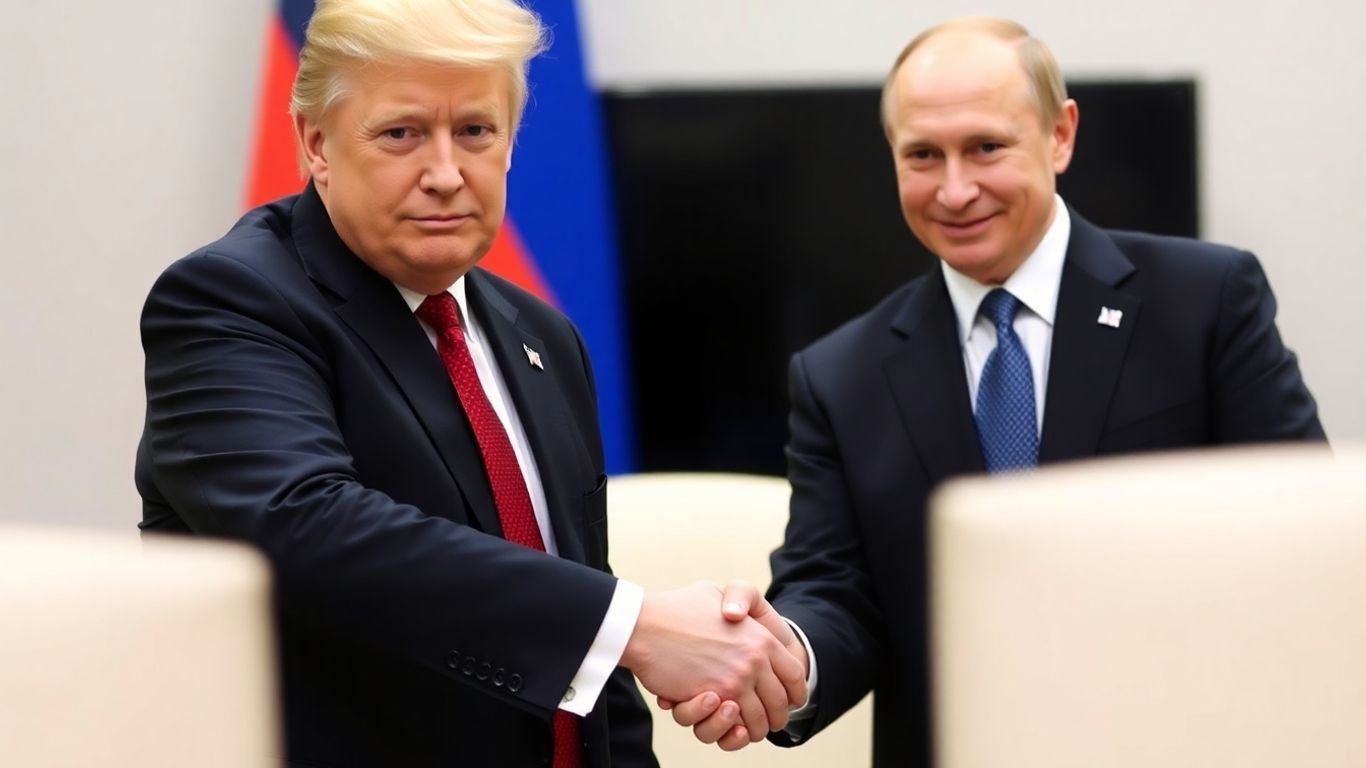
So, Donald Trump recently made some pretty interesting claims about what Vladimir Putin allegedly told him regarding the whole Ukraine situation. It sounds like Trump had a conversation with Putin and is now sharing his take on what the Russian leader supposedly wants. It’s a lot to unpack, especially with the ongoing conflict and the USA’s involvement, so let’s break down what Trump has been saying and what it might mean.
Key Takeaways
- Donald Trump claims Russian President Vladimir Putin wants to resolve the war in Ukraine and suggested the USA should help facilitate a deal.
- Trump reportedly told Ukrainian President Zelensky that Russia was winning and that Ukraine needed to make a deal, even suggesting ceding territory.
- Zelensky’s team was reportedly taken aback by some of Trump’s suggestions, particularly regarding security guarantees and territorial concessions.
- International figures, like the Polish Prime Minister, have voiced opposition to pressuring Ukraine into territorial concessions, while others suggest Trump’s statements echo Kremlin talking points.
- Russia’s stated goals include a lasting resolution with recognition of current territorial gains, and Putin reportedly believes a rapprochement between Moscow and Washington is important.
Trump’s Claims About Putin’s Ukraine Stance
So, Donald Trump has been talking about his conversations with Vladimir Putin regarding Ukraine, and it’s quite a story. He claims Putin told him that Russia has been trying to sort out the conflict for a long time, and basically, it’s America’s turn to step in and get it done. Trump even mentioned that Putin said the invasion was just a "special operation," not really a war. He also seemed to think the Russian economy was doing just fine.
Putin’s Alleged Desire for a Settled War
According to Trump, Putin expressed a strong desire to see the conflict in Ukraine settled. Trump relayed that Putin felt Russia had been trying to find a peaceful resolution for over a decade without success. This suggests, from Trump’s perspective, that Putin was looking for an external party, specifically the US, to help broker a deal.
Putin’s View on Ukraine’s "Special Operation"
Trump stated that Putin referred to the invasion of Ukraine as a "special operation." This phrasing is significant because it aligns with the official Russian government narrative, which avoids calling the conflict a war. Trump seemed to echo this sentiment, implying that Putin didn’t see it as a full-scale war.
Putin’s Reportedly Positive Economic Outlook for Russia
During these discussions, Trump also claimed that Putin painted a positive picture of Russia’s economic situation. He mentioned that Putin believed the Russian economy was "doing great." This assertion contrasts with many Western assessments of Russia’s economy under sanctions.
Trump’s recounting of his conversations with Putin offers a particular lens through which to view the conflict. It’s important to consider these claims within the broader context of the ongoing war and international relations.
Here’s a breakdown of some key points from Trump’s alleged Trump Putin Ukraine conversation:
- Putin’s alleged statement: Russia has been trying to settle the war for 10 years without success.
- Putin’s alleged request: Asked Trump to resolve the conflict.
- Putin’s alleged description of the invasion: A "special operation," not a war.
- Putin’s alleged economic assessment: The Russian economy is "doing great."
These claims from Trump about Putin’s alleged statements on Ukraine provide a unique, albeit controversial, perspective on the situation. It’s a narrative that certainly adds another layer to the complex dynamics of the Trump administration Russia policy.
Trump’s Proposed Solutions for Ukraine
Ceding Territory for Peace
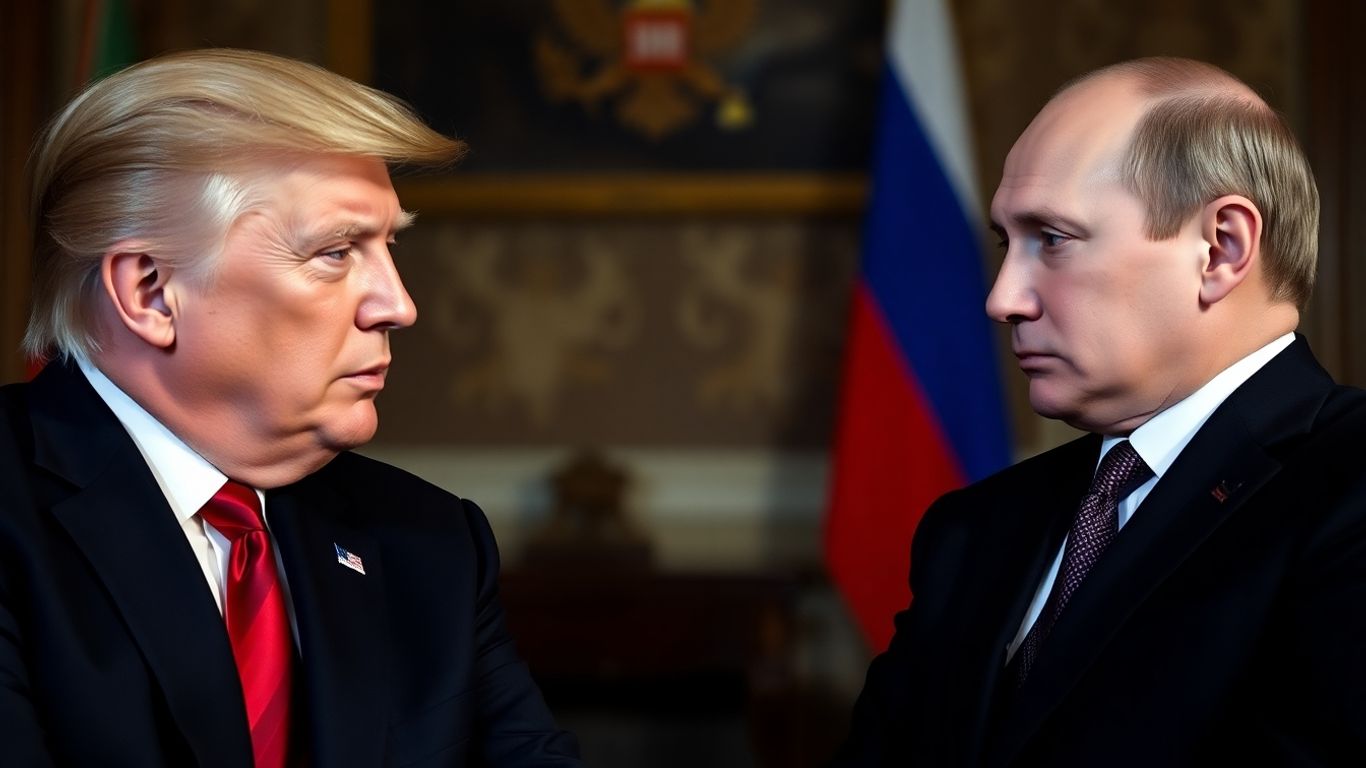
So, Donald Trump has been floating some pretty interesting ideas about how to wrap up the whole Ukraine situation. Apparently, he thinks that giving up some land is the way to go. He’s mentioned that Putin told him Russia has "won certain property" and that this should be part of any peace deal. It sounds like he’s suggesting that Ukraine should just accept that some territory is lost, and that’s that. He even said something about "property lines being defined by war and guts." It’s a bit of a tough pill to swallow, I imagine, for Ukraine.
Security Guarantees for Both Sides
Beyond just handing over land, Trump also brought up the idea of security guarantees. This is where things get a little fuzzy, but the gist seems to be that both Ukraine and Russia would get some kind of assurance. He suggested this after his talks with Zelensky, and apparently, the Ukrainian side was pretty surprised by it. It’s not entirely clear what these guarantees would look like, but it sounds like an attempt to make both sides feel safe, even after all the fighting.
Freezing Conflict Along Current Lines
Another angle Trump has pushed is simply freezing the conflict where it is right now. He’s said that about 78% of the land is already taken by Russia, and maybe the best thing to do is just leave it that way for now. He mentioned that negotiating the rest is "very tough." So, the idea here is to stop the fighting along the current battle lines and figure out the rest later. It’s a way to stop the bloodshed without necessarily resolving all the underlying issues, at least not immediately.
Zelensky’s Reaction to Trump’s Proposals
Disappointment Over Missile Supply
President Zelensky was openly disappointed after leaving his meeting with Trump, mostly because there was no offer of Tomahawk missiles on the table. Ukraine had been hoping for these advanced weapons to help push back Russian forces, especially since other support had already stalled. After the conversation, Zelensky’s delegation reportedly felt let down. Trump told him he wasn’t really considering sending Tomahawks, suggesting that maybe Kyiv and Moscow just needed to handle the fighting themselves.
Many in Ukraine expected the US to step up their military assistance, but the message from Washington was clear: additional missile supply wasn’t happening for now.
Pushback Against Territorial Concessions
Zelensky didn’t hold back his frustration at Trump’s suggestion that peace might require Ukraine to give up territory already occupied by Russia. During their talks, Trump floated the idea of making a deal based on where the current battle lines stood. This would mean recognizing Russian advances since 2022 as a given. Zelensky, however, firmly rejected the idea of ceding more of Ukraine’s land. He said, basically, Ukraine had already lost enough and wasn’t interested in trading any more ground for a deal.
Key points that fueled Zelensky’s resistance:
- He views any land concessions as rewarding aggression.
- Ukraine’s sovereignty isn’t up for negotiation.
- Giving up more territory would likely erode public trust in his administration.
Taken Aback by Security Guarantee Suggestion
Another proposal that caught Zelensky off guard was Trump’s idea to offer security guarantees to both Ukraine and Russia, aiming to freeze the conflict where it stands. For Ukraine, this was a tough pill to swallow. The idea felt like it left the country vulnerable and forced Kyiv to legitimize Russia’s hold on occupied regions. Even Zelensky’s inner circle was surprised — not just by the suggestion, but by how willing Trump appeared to accept permanent loss of Ukrainian land.
| Proposal | Ukraine’s Reaction |
|---|---|
| Freeze battle lines as new borders | Strong rejection |
| Security guarantees to both sides | Shock and disappointment |
| No commitment on missile supply | Deep frustration |
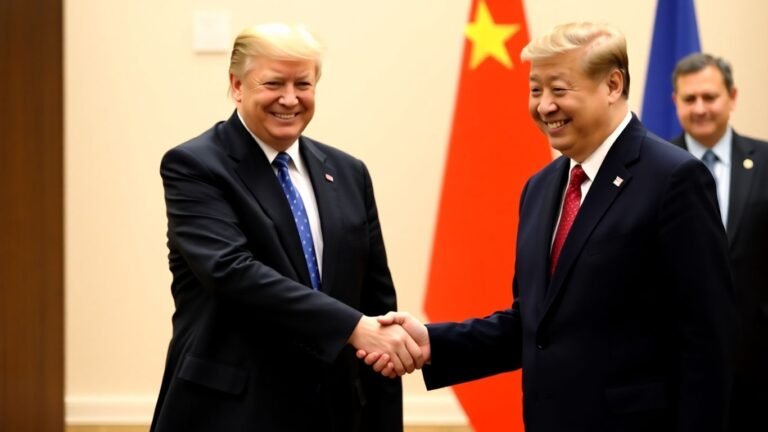
And to understand more about the context shaping Washington’s role, consider how Presidents have sought help from other world leaders, as with Trump’s earlier talks with Xi Jinping to seek China’s help resolving the Ukraine dispute (agreements with China).
It’s obvious Zelensky faced a tough meeting and left with fewer promises than he hoped for, while Trump’s approach highlighted just how differently the US and Ukraine see the possibility of peace right now.
International Perspectives on Trump’s Ukraine Stance
Polish Prime Minister’s Opposition to Pressure
When Donald Trump suggested that Ukraine might need to cede territory to Russia to end the conflict, Polish Prime Minister Donald Tusk made his stance quite clear. He tweeted that no one should be pressuring Ukrainian President Zelensky into making territorial concessions. Tusk believes the focus should be on pressuring Russia to stop its aggression, stating that appeasement has never led to a just and lasting peace. It seems like a pretty straightforward point, really. You don’t reward bad behavior, right?
Hungarian Prime Minister’s Views on Ukraine’s Chances
Donald Trump also met with Hungarian Prime Minister Viktor Orban, and they apparently discussed the war in Ukraine. Trump reportedly asked Orban if he thought Ukraine could actually win. Orban’s response was a bit cagey, saying, "You know, miracles can happen." Trump seemed to find that amusing. It’s interesting how different leaders approach this whole situation. Orban has been pretty consistent in his views, often seeming more aligned with Russian interests than those of the broader European Union.
European Official’s Claims of Parroting Kremlin Points
There have been some pretty serious claims made about Trump’s conversations regarding Ukraine. One European official, who apparently had knowledge of a meeting between Trump and Zelensky, suggested that Trump was repeating points that sounded a lot like Kremlin propaganda. For instance, Trump apparently mentioned that Putin told him the invasion was a "special operation, not even a war." He also reportedly commented that the Russian economy was "doing great." This official also claimed Trump got frustrated looking at battlefield maps and dismissed them, saying he didn’t know where the lines were. It makes you wonder what exactly is being communicated and who is influencing these statements. The UK perspective on Ukraine conflict, like many others, has been one of unwavering support for Ukraine’s sovereignty and territorial integrity.
It’s a complex web of statements and reactions, with different leaders weighing in with their own takes on how the conflict should be resolved. The idea of freezing the conflict along current lines, for example, has been floated, but it raises a lot of questions about what that actually means for the people living in those areas and for the long-term stability of the region. It’s not as simple as just drawing a line on a map.
Here’s a quick look at some of the reported proposals and reactions:
- Trump’s Alleged Proposals:
- Ceding territory to Russia for a ceasefire.
- Providing security guarantees to both sides.
- Freezing the conflict along current battle lines.
- Key Reactions:
- Polish PM: Opposed to pressuring Ukraine for territorial concessions.
- European Official: Claimed Trump echoed Kremlin talking points.
- Ukrainian Delegation: Reportedly taken aback by the security guarantee suggestion.
Russia’s Stated Goals and US-Russia Relations
When it comes to the situation in Ukraine, Russia has been pretty clear about what it wants. They’re not just looking for a quick pause in the fighting; they want a lasting resolution. The Kremlin’s take is that a temporary ceasefire just gives Ukraine and its Western friends time to regroup and rearm, which doesn’t really solve anything in the long run. It’s a complex situation, and understanding Russia’s perspective is key to grasping the dynamics of US Russia relations Ukraine.
Desire for Lasting Resolution
Moscow has consistently said that it’s aiming for a permanent end to the conflict. They believe that any settlement needs to address the root causes and ensure stability, not just put a temporary band-aid on the problem. This desire for a long-term fix is a central theme in their public statements.
Territorial Recognition as a Condition
Part of Russia’s stated goal for a lasting peace involves recognizing the current territorial situation. This is a big sticking point, as it implies Ukraine would need to cede territory. It’s a tough pill to swallow for Ukraine and its allies, who are pushing for continued Western military support. The idea of territorial concessions is something that has been met with strong pushback.
Importance of Moscow-Washington Rapprochement
Beyond the specifics of the Ukraine conflict, Putin has also made it clear that he sees a benefit in improving relations between Moscow and Washington. He believes that a better relationship between the two nuclear powers is important for global security. This suggests a broader view that resolving regional conflicts is tied to the overall health of US Russia relations Ukraine.
The ongoing discussions about potential future contacts between leaders and the possibility of new negotiations highlight the intricate nature of international diplomacy. It’s a delicate dance, with each side trying to position itself for what they believe is the best outcome.
Here’s a look at some of the key points Russia has emphasized:
- Ukrainian Neutrality: Russia wants assurances that Ukraine will not join military alliances that could be seen as a threat.
- Demilitarization: A reduction in Ukraine’s military capabilities is another stated goal.
- Denazification: This is a term used by Russia, though its exact meaning and implementation are subjects of debate.
It’s worth noting that these are Russia’s stated goals, and the path forward involves many different viewpoints and interests. The United States issued a warning about Russia’s plans to invade Ukraine back in late February 2022, based on intelligence about troop movements along the border. This historical context is important when considering the current state of US Russia relations Ukraine.
Trump has also made statements about his own role in potentially settling the conflict, claiming he could do so quickly. However, these claims and proposals have met with varied reactions from different international players. The situation remains fluid, with ongoing diplomatic efforts and public statements shaping the narrative.
Trump’s Shifting Statements on Ukraine Negotiations
It seems like Donald Trump’s stance on the Ukraine conflict has been a bit of a moving target lately. One minute he’s talking about brokering peace, the next he’s denying specific details of his conversations with Vladimir Putin. It’s hard to keep up, honestly.
Denial of Discussing Donbas Cession
There was a lot of talk after a meeting where Trump apparently suggested Ukraine should give up territory to Russia to end the fighting. He later came out and said that wasn’t the case at all. He claimed they never discussed ceding the Donbas region. Instead, he said his idea was to just freeze the conflict along the current battle lines. He mentioned that Russia already controls a large chunk of land, around 78%, and that the rest could be negotiated later. It’s a bit confusing because reports from people present suggested a much more direct push for territorial concessions.
Statements on Property Lines Defined by War
During some of these discussions, Trump reportedly expressed frustration with the maps showing the front lines. He seemed to suggest that the current lines on the battlefield should be the basis for any agreement. He was quoted as saying things like, "They can negotiate something down the line," implying that the immediate focus should be on stopping the fighting where it is. This idea of accepting de facto borders drawn by the conflict itself has been a recurring theme in some of his remarks.
Cancellation and Postponement of Putin Meeting
Things got even murkier when a planned meeting between Trump and Putin, which was supposed to happen in Hungary, was called off. Initially, it seemed like Trump was the one pulling the plug, but then Putin’s side said it wasn’t canceled, just postponed. This back-and-forth just adds to the general confusion about where things stand. The whole situation highlights the difficulty in reaching a stable agreement when the details seem to change so frequently.
The constant shifts in messaging make it tough to understand the actual diplomatic strategy, if there even is one. It leaves many wondering what the real intentions are behind these statements and proposed solutions.
What Does This All Mean?
So, we’ve heard some pretty wild things about what Putin allegedly told Trump regarding Ukraine. It sounds like Trump believes Putin is ready to make a deal, but on his terms, which would mean Ukraine giving up land. Trump also seems to think the US should be the one to sort it all out, and he’s not too happy with how things are going. It’s a lot to take in, and honestly, it’s hard to know what’s really going on behind the scenes. We’ll just have to wait and see how this all plays out.
Frequently Asked Questions
What did Donald Trump say Vladimir Putin told him about the war in Ukraine?
Donald Trump stated that Vladimir Putin told him the war in Ukraine was a “special operation,” not a real war. Putin also allegedly mentioned that Russia’s economy was doing very well and that he wanted to settle the conflict, suggesting it had been going on too long. Trump claimed Putin believed it was America’s turn to help find a solution.
What solutions did Trump propose to end the war in Ukraine?
Trump suggested that Ukraine should give up some of its land to Russia to achieve peace. He also mentioned the idea of freezing the conflict along the current battle lines, implying that Russia would keep the territory it had already taken. Additionally, he talked about providing security guarantees to both sides involved in the fighting.
How did Ukrainian President Zelensky react to Trump’s suggestions?
President Zelensky seemed disappointed by Trump’s proposals. He was reportedly taken aback by the idea of security guarantees and pushed back against giving up any Ukrainian territory. He had hoped to get more weapons, like missiles, from the U.S. during his meeting with Trump.
What were the reactions from other world leaders to Trump’s stance on Ukraine?
Some leaders disagreed with Trump’s approach. The Prime Minister of Poland, for instance, stated that Ukraine should not be pressured to give up land and that the focus should be on stopping Russia’s aggression. There were also claims from a European official that Trump was repeating points made by the Kremlin.
What does Russia say it wants regarding Ukraine?
Russia has said it wants a lasting peace deal, not just a temporary pause in fighting. They have indicated that a settlement would need Ukraine to remain neutral and to accept the current territorial situation, meaning Russia would keep parts of Ukraine it has occupied. Russia also believes that better relations between Moscow and Washington are important.
Have Trump’s statements about the war and negotiations changed over time?
Yes, Trump’s statements have varied. At one point, he seemed to suggest that Ukraine should cede territory like the Donbas region. Later, he denied discussing specific territorial concessions and instead said the fighting should just stop at the current lines, noting that Russia already controlled a large portion of Ukrainian land.