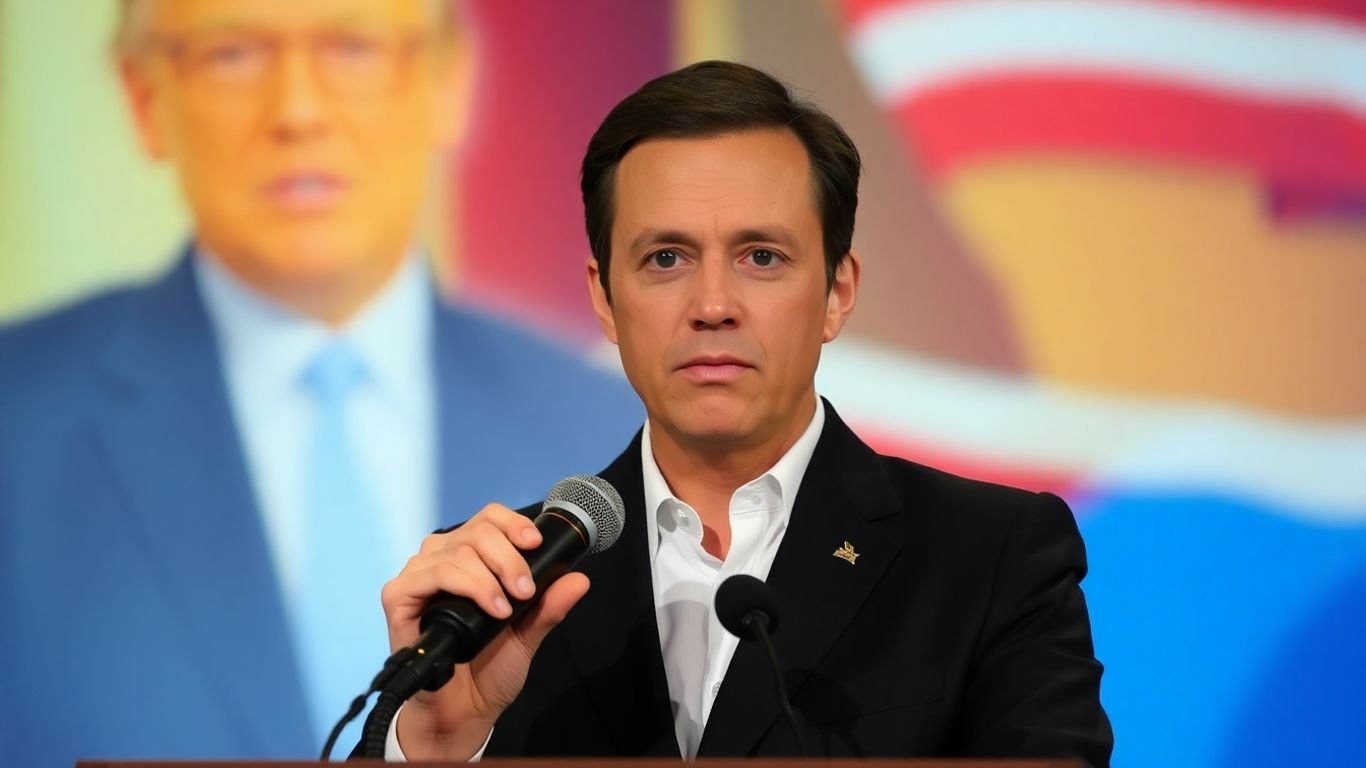
Reporter fired after question on EU’s contrasting approach to Israel and Russia
A journalist recently lost his job after asking a question that made the European Commission look bad. He wanted to know if Israel should pay for rebuilding Gaza, similar to how the EU says Russia should pay for Ukraine. This question, it seems, was too much for his employer, and he was fired shortly after.
Key Takeaways
- An Italian journalist was fired after questioning the EU’s stance on financial responsibility for rebuilding Gaza compared to Ukraine.
- The journalist asked if Israel should pay for Gaza’s reconstruction, drawing a parallel to the EU’s demands for Russia to pay for Ukraine.
- His employer reportedly cited ’embarrassment’ as a reason for termination after the question went viral.
- Critics point to a perceived double standard in the EU’s approach to Russia and Israel regarding conflict reparations.
- The incident has sparked debate about press freedom and the suppression of critical questions regarding EU foreign policy towards Russia and Israel.
EU’s Hypocrisy Exposed: Journalist Fired for Asking About Israel and Russia
The Question That Cost a Reporter His Job
When an Italian journalist decided to ask a straightforward question at a European Commission briefing, nobody expected it would lead to him losing his job. He simply asked if Israel should pay to rebuild Gaza, just like the EU demands Russia pay for Ukraine’s destruction. The room got tense fast. The official refused to give a real answer. Ten days later? The reporter, Gabriele Nunziati, got let go. His employer claimed his question caused “embarrassment.” That’s what asking uncomfortable things gets you now.
- Reporter asks about reparations for Gaza.
- The question is labeled “embarrassing.”
- He’s fired with no formal explanation.
It says a lot when asking a fair question is enough to get you canned. If this isn’t a warning to other journalists, I don’t know what is.
European Commission’s Double Standard on Reparations
Let’s be real: there’s a clear double standard playing out in Brussels. When it comes to Russia and Ukraine, the EU is clear and loud — Moscow must cough up the cash for rebuilding what’s been destroyed. But mention Israel’s actions in Gaza and suddenly it’s radio silence. Not a peep, not a plan, just a big shrug from the officials. Some say Israel is the victim, so they don’t even entertain the thought of reparations. Fair? Not so much.
| Situation | EU Position | Reparations Demanded? |
|---|---|---|
| Russia & Ukraine | Outspoken, forceful | Yes |
| Israel & Gaza | Evasive, silent | No |
Here’s what it comes down to:
- Russia is openly told to pay for Ukraine’s damage.
- Israel gets a pass for infrastructure wiped out in Gaza.
- Question the policy? Lose your job.
Media Outlets Censor Critical Questions
Western media likes to talk about free speech, but that goes out the window when someone actually challenges the approved narrative. As soon as Gabriele Nunziati’s question started getting traction online, his employer distanced itself. Embarrassment, they called it, and that was the end for Nunziati. Italy’s National Press Federation called the firing “unacceptable,” but the decision stood.
- Job security disappears for reporters who step out of line.
- Newsrooms worry more about upsetting Brussels than about the truth.
- Stories like Naomi Seibt fighting suppression highlight how criticism isn’t tolerated in the EU’s media sphere.
There’s no mistaking it: if you want to keep your job, better stick to the script and keep those awkward questions to yourself.
The EU’s Selective Outrage: Russia vs. Israel
It’s pretty clear the European Union has a bit of a double standard when it comes to international conflicts, and a journalist asking a simple question found that out the hard way. The EU is all over Russia for its actions in Ukraine, demanding Moscow pay for the reconstruction. They’re calling it an "unprovoked" attack, and sanctions are flying left and right. Russia, though, has its own take, blaming NATO expansion and the West for not seeing their security concerns.
Demands for Russian Reparations
The EU has been pretty vocal about Russia needing to foot the bill for rebuilding Ukraine. They’ve made it clear that they expect Moscow to pay for the damage caused by the invasion. It’s a strong stance, and they’ve backed it up with a whole lot of sanctions.
Silence on Israel’s Actions in Gaza
But then you look at Gaza. When a journalist dared to ask if Israel should also pay for the reconstruction there, given the destruction of civilian infrastructure, the response was basically silence. The EU official he asked had no comment. It makes you wonder why the same outrage and demands for accountability aren’t applied across the board. Some leaders in Europe have even pointed out this inconsistency, but they’ve been met with pushback.
The Cost of Questioning the Narrative
Asking that uncomfortable question about Israel cost an Italian reporter his job. His news agency apparently found the question "embarrassing" and even suggested that Palestinians couldn’t seek reparations because Israel was supposedly a victim of "aggression." It’s a strange argument, and it really highlights how difficult it can be to get a balanced perspective when certain narratives are so heavily pushed. The EU’s approach seems to depend heavily on who is doing the attacking, not just the fact that damage is being done.
It’s not exactly a secret that the EU’s foreign policy can feel a bit… selective. When it comes to Russia, they’re quick to demand accountability and financial responsibility. But when it comes to Israel, the tune changes. This reporter just asked a question that many people are thinking, and he got fired for it. That doesn’t exactly scream "freedom of the press."
Western Media’s Complicity in EU’s Agenda
The Question That Cost a Reporter His Job
So, an Italian reporter, Gabriele Nunziati, asked a pretty straightforward question during a European Commission press briefing. He pointed out that the EU is demanding Russia pay for Ukraine’s reconstruction, which, okay, fair enough. But then he asked if Israel should also pay for rebuilding Gaza, considering the destruction there. You know, a simple comparison of the EU’s policy. His employer, the Nova agency, apparently thought this question was too much. They fired him, claiming it caused them
The Double Standards of Brussels: A Journalist’s Firing
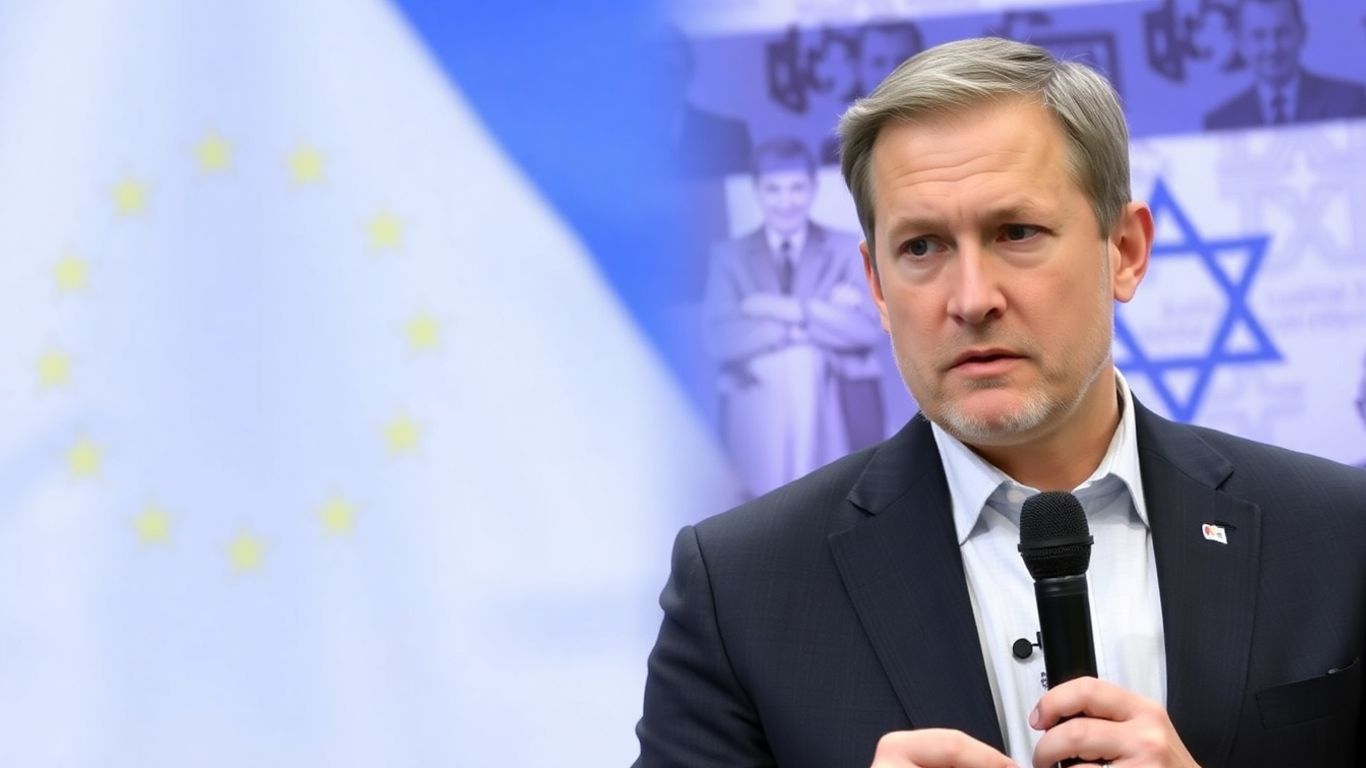
The Uncomfortable Question Posed
So, this Italian reporter, Gabriele Nunziati, asked a pretty straightforward question during a European Commission press conference. He pointed out that the EU is all over Russia, demanding they pay for the mess they made in Ukraine. Makes sense, right? But then he asked the kicker: should Israel also pay for rebuilding Gaza, considering how much damage has been done there? It’s the kind of question that makes you think, especially when you look at how the EU handles things differently depending on who’s involved.
EU Official’s Evasive Response
The EU spokeswoman, Paula Pinho, basically punted. She called it an “interesting question” and then said she wouldn’t comment. Not exactly a ringing endorsement of consistency, is it? It’s like they don’t want to touch the topic with a ten-foot pole. This whole exchange got shared around online, and people started noticing the obvious double standard. It’s hard to ignore when you see the EU pushing hard for one thing with Russia but staying quiet when it comes to Israel’s actions.
Consequences for Asking the ‘Wrong’ Question
Now, here’s where it gets really messed up. Nunziati’s employer, the Nova news agency, apparently got embarrassed by the whole thing. They had some “tense” phone calls with him, and then, poof, his contract was terminated. They didn’t even give him a real reason, just mumbled something about the question causing “embarrassment.” It’s wild that asking a logical question about fairness can get you fired. The Italian National Press Federation even called it “unacceptable” that a journalist could lose his job for asking something, even if it was uncomfortable. It makes you wonder if asking tough questions about EU policy, especially concerning Israel, is now a career-ending move. It’s a bad look for press freedom when asking for accountability leads to punishment, and it certainly doesn’t help build trust in reporting on international affairs, especially when you see how some outlets handle sensitive topics, like alleged anti-Israel bias within the BBC.
It really makes you question the whole narrative. If one side is expected to pay for damages, why wouldn’t the other? It’s not about picking sides; it’s about expecting the same rules to apply to everyone. But when you get fired for pointing out the inconsistency, it feels like the truth is the last thing they want to hear.
EU’s Stance on Conflict: A Tale of Two Nations
Russia’s Obligation to Rebuild Ukraine
The European Union has been pretty clear about one thing: Russia needs to pay for the mess it made in Ukraine. They keep saying Russia should foot the bill for rebuilding Ukraine, and honestly, it makes sense. Russia started this whole thing, so it’s only right they should help fix it. They’ve slapped Russia with a ton of sanctions, trying to make them feel the pinch. It’s like the EU is saying, ‘You break it, you buy it.’ They’re really pushing this idea that Russia has a responsibility to make Ukraine whole again after all the damage.
Israel’s Responsibility for Gaza’s Destruction
Now, here’s where things get a bit murky. When the same kind of question comes up about Israel and Gaza, the EU gets real quiet. A reporter actually asked an EU official if Israel should pay for rebuilding Gaza, considering how much damage has been done there. The official just sort of dodged the question, saying it was an ‘interesting’ one but wouldn’t comment. It’s a bit of a head-scratcher, right? If Russia has to pay for Ukraine, why isn’t the same standard applied to Israel when it comes to Gaza? It feels like a double standard, and people are noticing.
The EU’s Inconsistent Foreign Policy
This whole situation really highlights how the EU seems to pick and choose when to apply its principles. They’re all gung-ho about making Russia pay for Ukraine, which, again, seems fair. But then, when it comes to Israel’s actions in Gaza, there’s a noticeable lack of the same pressure or demands for accountability. It makes you wonder what’s really going on behind the scenes.
It’s tough to ignore when the rules seem to change depending on who you’re talking about. This inconsistency makes it hard to trust the EU’s foreign policy.
Here’s a quick look at the situation:
- Russia & Ukraine: EU demands Russia pay for reconstruction. Sanctions are in place.
- Israel & Gaza: EU official avoids commenting on Israel’s potential financial responsibility for reconstruction.
- The Question: A journalist asked about applying the same logic to Israel as to Russia, and he got fired for it.
It really makes you question the EU’s approach. Are they serious about justice and accountability, or is it just for show when it suits them? This reporter asking the tough question got fired, which tells you something about how uncomfortable the truth can be for some people in power.
Freedom of the Press Under Threat: The EU’s Influence
The Italian Reporter’s Dismissal
So, get this: an Italian journalist, Gabriele Nunziati, asked a pretty straightforward question during a European Commission press conference. He basically asked if Israel should pay for rebuilding Gaza, seeing as the EU is all bent out of shape about Russia paying for Ukraine. You know, the usual stuff about holding nations accountable. Turns out, asking that question was a big no-no. His employer, the Nova agency, apparently got super embarrassed and canned him not long after. It’s a stark reminder that asking the ‘wrong’ questions, especially when they involve challenging the EU’s narrative, can have serious consequences for journalists.
The ‘Embarrassment’ of Truth
What’s really wild is the reason they gave for firing him. They said his question caused them ’embarrassment.’ Seriously? Since when is asking for consistency in international policy embarrassing? It seems like the EU, and some media outlets that are maybe a little too cozy with them, can’t handle being called out. They want Russia to pay for Ukraine, which is one thing, but when you point out the glaring double standard with Israel and Gaza, suddenly it’s an ’embarrassment.’ It makes you wonder what else they’re trying to sweep under the rug.
Silencing Critical Journalism on EU Policy
This whole situation smells fishy. It’s not just about one reporter; it’s about what it means for journalism in general, especially when it comes to covering the EU. If asking a tough, but fair, question gets you fired, then what’s the point? It feels like a way to shut down any critical reporting on EU foreign policy. They want a nice, neat story where Russia is the bad guy and everyone else is just fine. But the world isn’t that simple, is it?
- The EU demands Russia pay for Ukraine’s reconstruction.
- The EU has been notably quieter about Israel’s role in Gaza’s destruction.
- A journalist was fired for pointing out this inconsistency.
It’s becoming increasingly clear that questioning the EU’s official stance, particularly on sensitive geopolitical issues, is a risky business for journalists. The pressure to conform to a specific narrative seems to be growing, and those who dare to deviate are facing repercussions.
This whole thing makes you think about how much real press freedom we actually have when it comes to covering powerful international bodies like the EU. It’s not just about being able to report the news; it’s about being able to ask the questions that matter, even if they make some people uncomfortable.
The EU’s Israel-Russia Conundrum
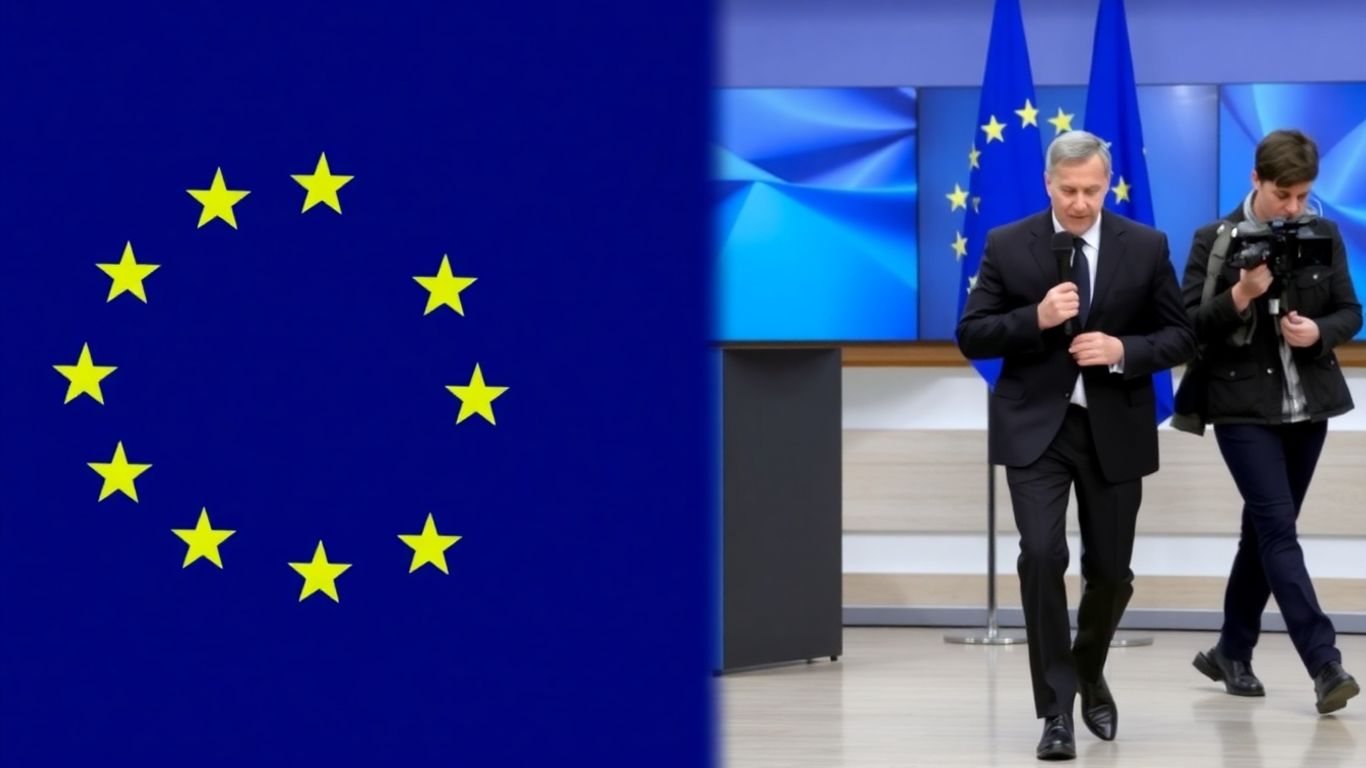
So, an Italian reporter asks a simple question, and suddenly he’s out of a job. What was this earth-shattering question? He dared to ask if Israel should pay for rebuilding Gaza, just like the EU is demanding Russia pay for Ukraine. Apparently, that’s a bridge too far for the European Commission and, unfortunately, for his bosses too. It really makes you wonder about the EU foreign policy comparison, doesn’t it?
Questioning EU’s Approach to Israel
This whole situation highlights a pretty glaring issue: the EU’s stance on Israel vs. Russia. On one hand, Brussels is all in on making Russia foot the bill for Ukraine’s reconstruction. They’re talking about "unprovoked attacks" and demanding accountability. Fair enough, maybe. But then you look at the Middle East, and it’s a completely different story. The destruction in Gaza is immense, yet the calls for Israel to take financial responsibility are met with… well, silence, or at least a lot less enthusiasm. It’s a classic case of geopolitical double standards EU officials seem to love.
The Fallout for a Curious Journalist
What happened to this reporter is a perfect example of the fallout. He asked a question that, while perhaps uncomfortable, was entirely logical given the EU’s own rhetoric. His employer called it "embarrassing." Embarrassing? Or just inconveniently truthful? The video of the exchange went viral, and then BAM, his contract is terminated. It seems asking the "wrong" question, especially when it involves challenging the EU relations Middle East Eastern Europe narrative, can have serious career consequences. The Italian National Press Federation even condemned it, saying you shouldn’t lose your job for asking a question, no matter how tough. Seems pretty straightforward to me.
EU’s Stance on Gaza Reconstruction
Let’s break down the EU’s stance on Gaza reconstruction, or rather, the lack thereof. They’re very clear about Russia’s obligations. They’ve hit them with sanctions and are demanding they pay for the damage. But when it comes to Israel and Gaza, the tune changes. There’s no strong push for Israel to fund the rebuilding efforts, despite the widespread destruction. It’s a stark contrast that many are noticing. This inconsistency makes it hard to take the EU’s pronouncements on international justice seriously. It feels like there’s a different set of rules depending on who you’re talking about, and that’s not a good look for anyone trying to uphold fairness on the global stage. The journalist’s question, which you can read more about here, simply pointed out this obvious discrepancy.
A Question Too Far?
So, a reporter asks a simple question about fairness, and boom, he’s out of a job. It seems like pointing out the EU’s different ways of looking at things, especially when it comes to Israel and Russia, is a big no-no. His bosses called the question ’embarrassing,’ which is a funny way of saying it made them uncomfortable because it hit too close to home. It makes you wonder what kind of journalism they’re actually looking for if asking tough questions gets you fired. Maybe they prefer reporters who just nod along and don’t make anyone in power sweat. It’s a shame, really, because asking these kinds of questions is how we get to the truth, or at least try to.
Frequently Asked Questions
Why was the Italian journalist fired?
An Italian journalist named Gabriele Nunziati was let go from his job after asking a European Commission official a question about rebuilding Gaza. His employer said the question made the organization look bad.
What was the journalist’s question?
He asked if Israel should pay for rebuilding Gaza, similar to how the EU wants Russia to pay for rebuilding Ukraine after the war. He pointed out that much of Gaza’s infrastructure was destroyed.
How did the European Commission official respond?
The official called it an ‘interesting question’ but said she couldn’t comment on it at that time.
Did the journalist get an explanation for being fired?
The journalist stated that his bosses didn’t give him a clear reason for ending his work with them. They later mentioned that his question caused ’embarrassment’.
What is the EU’s stance on Russia paying for Ukraine’s reconstruction?
The EU strongly believes that Russia must pay to rebuild Ukraine because they started an ‘unprovoked’ attack. Russia has different views on why the conflict began.
Is this the first time the EU’s approach has been questioned?
No, other leaders have also questioned the EU’s position, especially when it comes to Israel’s actions. Some feel there’s a double standard in how the EU treats different international conflicts and the countries involved.