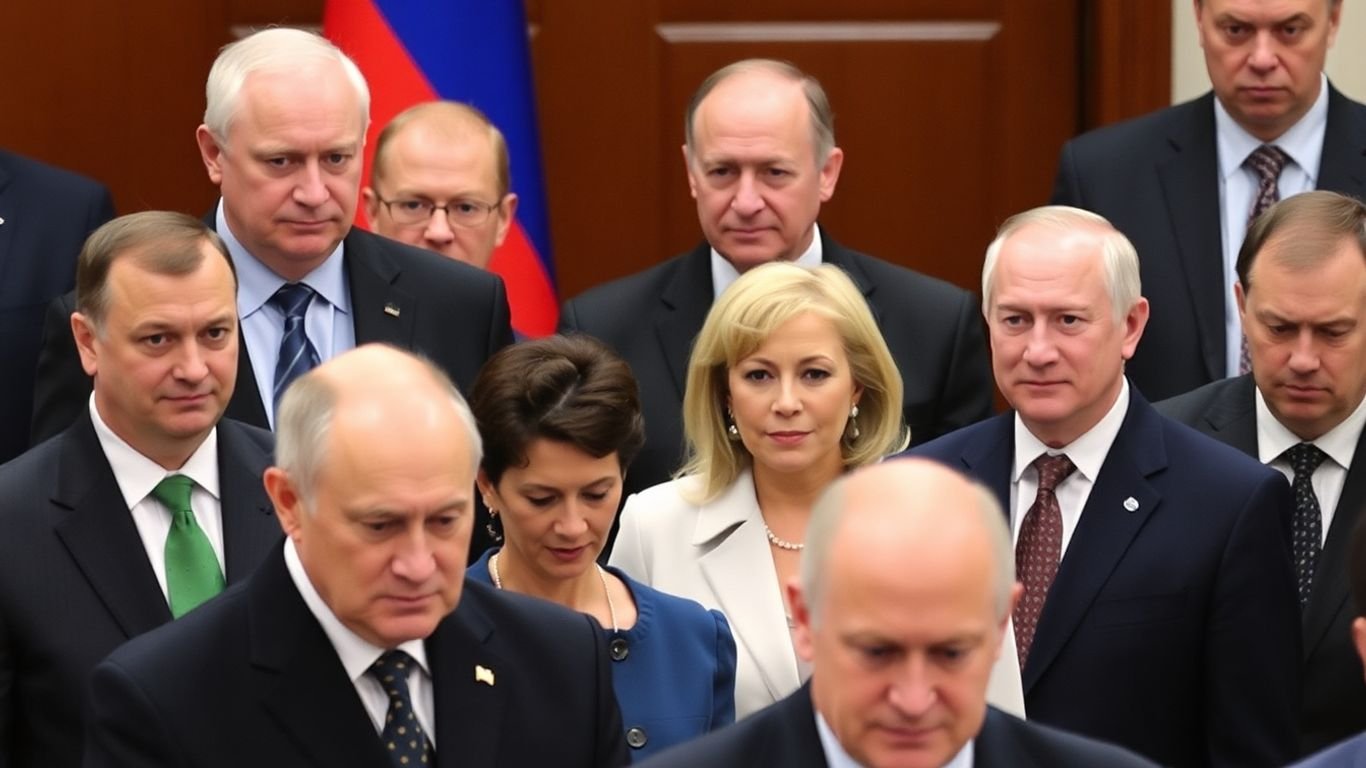
Russia’s G20 summit delegation revealed
The upcoming G20 summit in South Africa has revealed Russia’s delegation, and it’s a bit different this year. President Putin won’t be there in person, and neither will Foreign Minister Sergey Lavrov. Instead, presidential aide Maksim Oreshkin is stepping up to lead the Russian team. This shift has sparked some talk, especially with Lavrov’s absence from recent events. Let’s break down who’s going and what it might mean for Russia’s presence at the G20.
Key Takeaways
- Maksim Oreshkin, a presidential aide and special envoy for economic cooperation, will lead Russia’s delegation at the G20 summit.
- Neither President Vladimir Putin nor Foreign Minister Sergey Lavrov will attend the summit in person.
- Kremlin aides Denis Agafonov and Svetlana Lukash, along with deputy ministers Aleksandr Pankin and Ivan Chebeskov, are also part of the Russian team.
- Oreshkin’s role highlights Russia’s focus on economic matters, particularly its response to sanctions and managing international trade.
- South Africa is hosting the G20 summit, marking a significant moment as the first African nation to lead the forum and advance development priorities for Africa and the Global South.
Russia’s G20 Delegation: Key Players Revealed
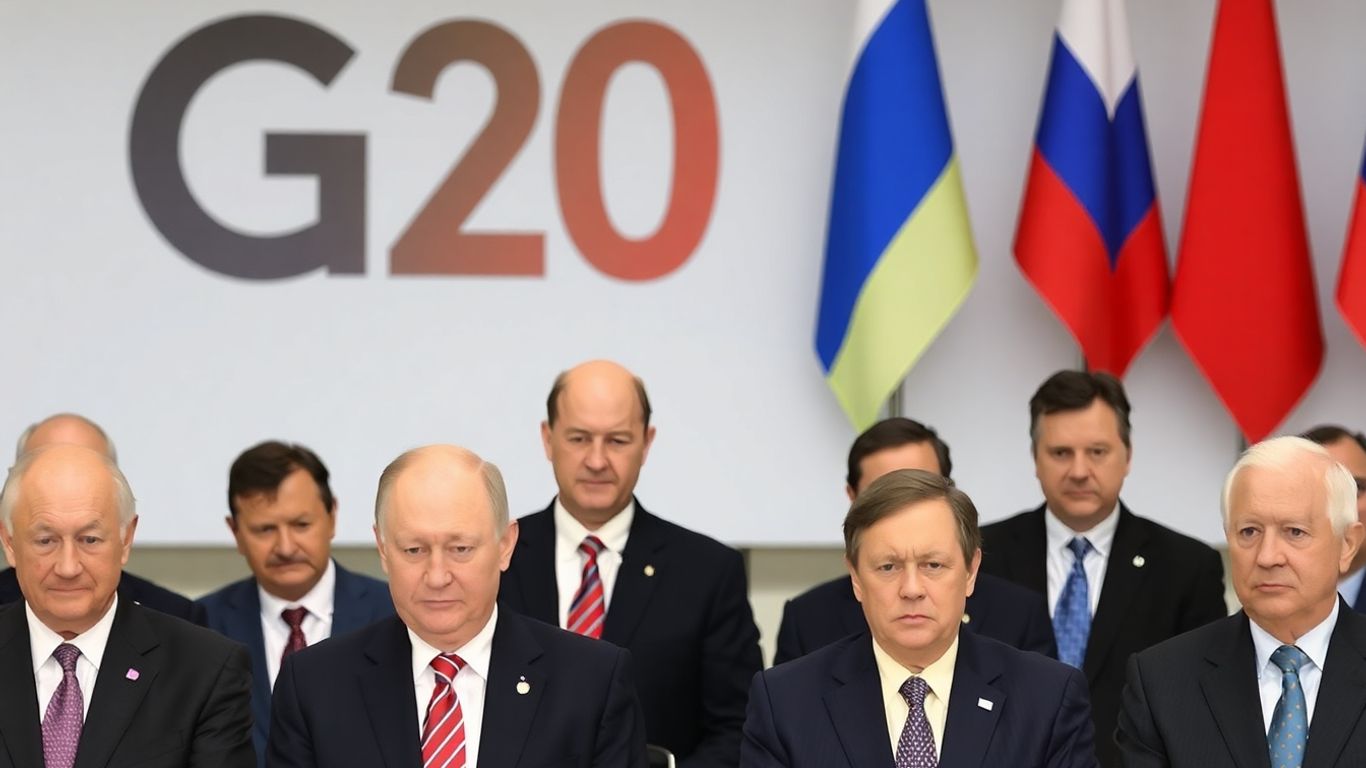
So, the list of who’s actually going to be representing Russia at the upcoming G20 summit in South Africa is out. It’s not exactly a shocker, but it’s worth noting who’s making the trip. Presidential aide Maksim Oreshkin will be leading the Russian delegation, which tells you something about what Moscow prioritizes for this particular meeting.
Maksim Oreshkin To Lead Russia’s G20 Delegation
Maksim Oreshkin is heading up the Russian team. He’s not just some random bureaucrat; he’s got a background as a former minister of economic development and is currently Putin’s special envoy for economic cooperation within the BRICS+ group. This means he’s been pretty involved in figuring out how Russia deals with all the sanctions and tries to keep its trade relationships going. He’s definitely a key figure when it comes to Russia’s economic strategy, especially now. It’s interesting that he’s the one in charge, given the circumstances.
Kremlin Aides Join Russia’s G20 Contingent
Besides Oreshkin, there are a couple of other names from the Kremlin making the journey. Denis Agafonov and Svetlana Lukash are also part of the Russian delegation attending the G20. Their presence suggests that the Kremlin wants to keep a close eye on the proceedings and ensure their interests are directly represented by those close to the top.
Deputy Ministers Round Out Russia’s G20 Team
Rounding out the group are deputy ministers Aleksandr Pankin and Ivan Chebeskov. These appointments show that Russia is sending a team with a mix of economic and diplomatic experience. It’s not the full presidential treatment, of course, but it’s a solid group tasked with representing Russia’s stance on various global issues at the upcoming G20 meeting Russia is participating in. The absence of Putin and Lavrov is certainly noticeable, making Oreshkin’s leadership role even more significant for the Russian delegation attending G20.
The selection of Oreshkin to lead the delegation underscores Russia’s focus on economic matters and its efforts to navigate international financial discussions amidst ongoing geopolitical challenges. It signals a pragmatic approach to engaging with global partners on trade and sanctions-related issues.
Putin’s Strategic Absence From G20 Summit
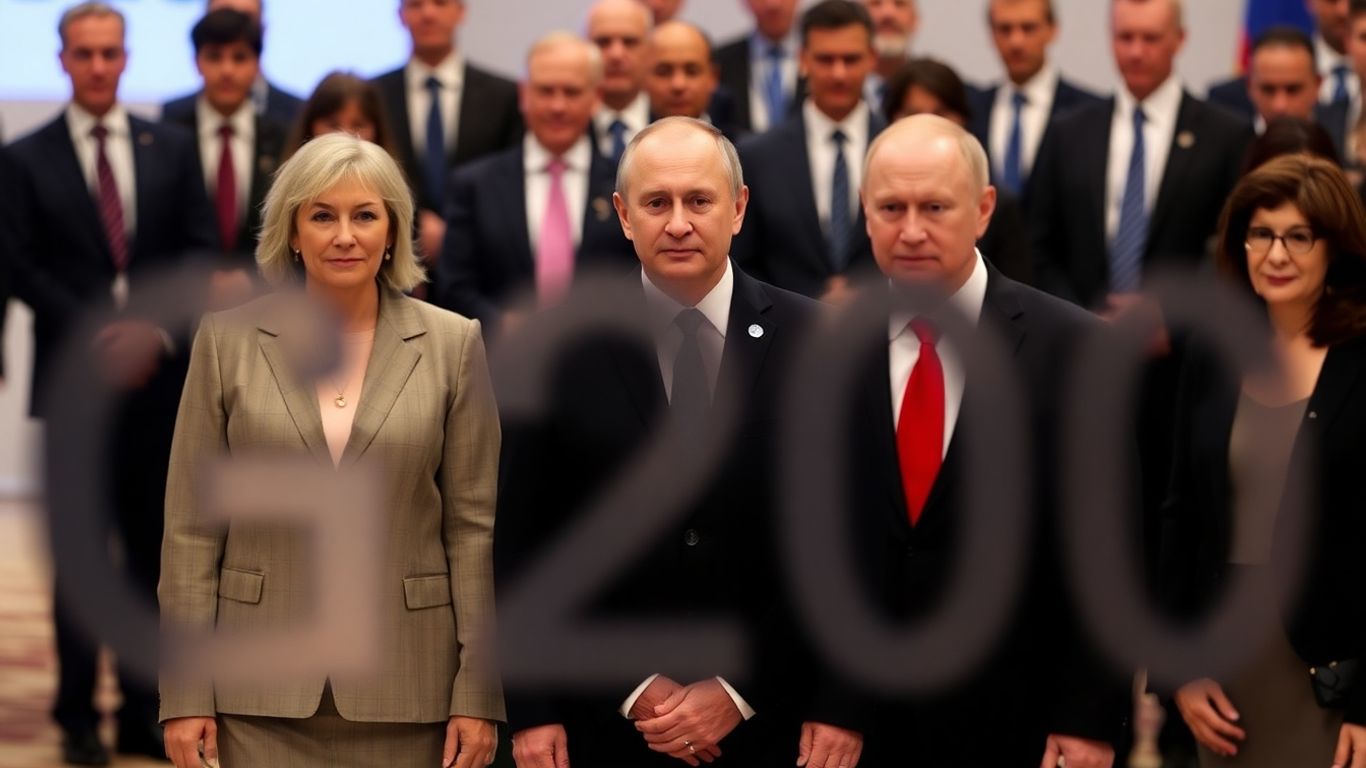
So, President Putin isn’t showing up to the big G20 shindig in South Africa. Instead, he’s sending Maksim Oreshkin, a presidential aide and his special envoy for BRICS+ economic stuff. This isn’t exactly a shocker, given the current global climate. Putin’s been keeping a pretty low profile internationally, and frankly, who can blame him? The whole world is watching Russia right now, and maybe he figures it’s better to let others handle the diplomatic heavy lifting.
Presidential Aide Represents Russia Amidst Putin’s Absence
Maksim Oreshkin is stepping up to lead the Russian delegation. He’s not exactly a household name, but he’s got some serious economic chops. He used to be the Minister of Economic Development and is apparently pretty involved in how Russia is dealing with all those sanctions. He’s also tasked with managing trade with other countries, which is no small feat these days. It’s a clear sign that Russia wants to focus on the economic side of things at this summit. Oreshkin will be joined by other Kremlin aides and deputy ministers, rounding out the team. It’s a bit of a reshuffle, with Foreign Minister Sergey Lavrov also out of the picture for this particular event.
No Putin, No Lavrov: Russia’s G20 Delegation Strategy
It’s pretty telling that neither Putin nor his top diplomat, Sergey Lavrov, are making the trip. This isn’t just a casual decision; it feels deliberate. Lavrov’s absence, in particular, has fueled a lot of chatter. Some folks are whispering that he might have fallen out of favor, especially after a reported tough phone call with US officials about Ukraine.
The Kremlin, of course, is shooting down all those rumors, saying everything is perfectly fine. They’re insisting Lavrov is still hard at work. But still, you have to wonder what’s really going on behind closed doors. It’s a bit of a mystery, and honestly, it makes you think about the internal dynamics within the Russian leadership. This move signals a potential shift in how Russia engages on the global stage, prioritizing economic discussions over high-level political appearances.
South Africa Welcomes US Vice President Amidst Trump’s No-Show
Interestingly, US President Trump also decided not to attend. He’s sending Vice President J.D. Vance instead. South Africa, hosting the event, has welcomed Vance’s presence, saying the summit will be a success no matter who shows up. They’re really trying to make this a big deal for Africa, being the first African nation to lead the G20.
Moscow seems to be on board with this, praising South Africa’s role and calling it a constructive step. It’s a bit of a diplomatic dance, with everyone trying to play their part. You’ve got Russia sending its economic point man, the US sending its VP, and South Africa trying to keep the focus on African development. It’s going to be fascinating to see how it all plays out, especially with the big players like Putin and Trump opting out.
Lavrov’s G20 Snub: Speculation and Kremlin Denials
The buzz in Moscow lately hasn’t been about the usual headlines, but rather the absence of Foreign Minister Sergei Lavrov from this year’s G20 summit delegation. For a man who’s served as Russia’s diplomatic firebrand for more than two decades, his name missing from the list got folks talking. If you know Russian politics at all, you know a no-show like this throws red meat to the rumor mill.
Sergei Lavrov’s Absence Fuels Kremlin Intrigue
Right after Lavrov missed a critical Kremlin security meeting—one where Putin talked about nuclear weapons testing—theories took off. People wondered if he’d fallen out of favor with President Putin, especially since he also lost his spot as the lead at the G20 in South Africa. There’s no official explanation, just that it was supposedly “agreed in advance.”
What stands out is that Lavrov was the only permanent member of the security council not in the room. And when there’s no real info, speculation fills the gap:
- Lavrov’s increasingly sharp rhetoric in recent months.
- Moscow insiders talking about a “diplomatic mishap” during tough conversations with Americans.
- Former officials pointing to Lavrov’s shrinking inner-circle influence, especially as newer faces like Kirill Dmitriev cozy up to Putin.
Not every absence signals a shakeup, but with Lavrov left out of two high-profile events back-to-back, Kremlin watchers are right to raise an eyebrow. It’s rarely just a calendar conflict.
Kremlin Dismisses Rumors of Lavrov’s Displeasure
Of course, as soon as these stories hit the press, the Kremlin set about putting them to rest. A spokesperson called the rumors “absolutely untrue” and said there’s “no need to pay attention,” stressing that Lavrov is “actively at work.” According to recent coverage, there’s no indication Lavrov has been “banished,” and he apparently continues his daily duties as foreign minister without issue. The message from the Kremlin is clear: everything is fine, nothing to see here—just routine operations. The official line, as presented in dismissed speculation about a rift, says any talk of a falling out is baseless.
Here’s how the Kremlin tackled the chatter:
- Public statements confirming Lavrov’s ongoing role.
- A push in state media, including interviews with Lavrov, showing he’s still in the mix.
- Direct dismissal of claims from outside sources.
Lavrov Replaced as Head of Russian G20 Delegation
The real new headline is that a more junior official, Maksim Oreshkin, is now leading Russia’s delegation at the G20 summit. Lavrov getting bumped down the ladder indicates some real shifts in the inner workings of Russian diplomacy—at least for this high-visibility event. It’s rare, and it doesn’t go unnoticed.
For a quick comparison of G20 leadership in recent years:
| Year | Russia’s Delegate | Notable Change |
|---|---|---|
| 2023 | Sergei Lavrov | None |
| 2024 | Sergei Lavrov | None |
| 2025 | Maksim Oreshkin (not Lavrov) | First change in years |
What’s next for Lavrov? Hard to say. The Kremlin’s official denials are strong, but as every Russian political watcher knows, absence can speak louder than words. For now, the world is left to do what it does best—read between the lines.
The Ukraine Conflict’s Shadow Over G20 Diplomacy
Lavrov’s Stance on Ukraine Peace Talks
Look, the whole situation in Ukraine is a mess, and it’s definitely casting a long shadow over these international meetings. Russia, through its Foreign Minister Lavrov, has been pretty clear about what it wants to see happen to end the fighting. They’re talking about needing recognition for the territories they’ve taken and for Ukraine to stay neutral, meaning no NATO membership or foreign bases. It’s a tough stance, and it’s hard to see how everyone can agree on that.
US Frustration Over Continued Russian Attacks on Ukraine
The United States, and frankly, a lot of other countries, are getting pretty fed up with the ongoing attacks. It seems like every time there’s a chance for a pause or some kind of de-escalation, Russia just keeps pushing. This constant fighting makes any kind of diplomatic progress incredibly difficult. It feels like a cycle that’s hard to break, and honestly, it makes you wonder if anyone really wants peace or if it’s just talk.
Russia’s Terms for Ending the Invasion of Ukraine
So, what does Russia actually want to stop the invasion? It’s not just a simple ceasefire. They’re looking for Ukraine to accept the current territorial situation, which is a huge sticking point. Plus, they want guarantees that Ukraine won’t join NATO or host foreign military assets. It’s a pretty demanding list, and it’s clear they aren’t backing down easily. This makes finding common ground at the G20, or anywhere else, a real challenge.
Here’s a breakdown of what Russia is asking for:
- Recognition of Russian-controlled territories.
- Ukraine’s neutrality (no NATO membership).
- No foreign military bases or weapons in Ukraine.
It’s a complex situation, and you can see why it’s dominating discussions, even at a summit focused on global economics.
Russia’s Economic Strategy and G20 Engagement
Oreshkin’s Role in Russia’s Economic Response to Sanctions
Maksim Oreshkin, now leading Russia’s team at the G20 economic forum Russia, has been a key figure in how the country handles the economic pressure from Western sanctions. He’s not just a figurehead; he’s been in the thick of things, trying to keep the Russian economy steady. It’s a tough job, no doubt, with a lot of moving parts and international scrutiny. His background as a former minister of economic development gives him a solid foundation for this role.
The global economic landscape is always shifting, and countries need to adapt. Russia’s approach, under figures like Oreshkin, focuses on internal resilience and finding new trade partners. It’s about weathering the storm and looking for opportunities where others see only challenges.
Managing Trade Relations with Foreign Countries
Dealing with other countries on trade is a big part of what Russia aims to do at forums like the G20. Oreshkin’s role as special envoy for economic cooperation within the BRICS+ group shows this focus. It’s about building bridges and keeping the flow of goods and services going, even when political winds are unfavorable. This involves a lot of back-and-forth, trying to find common ground on trade terms and agreements.
Here’s a look at some key areas Russia is focused on:
- Diversifying Trade Partners: Moving beyond traditional markets to build new relationships.
- Securing Supply Chains: Ensuring that essential goods can still reach Russia and its partners.
- Promoting Investment: Encouraging foreign investment in Russian industries.
- Negotiating Trade Deals: Working on agreements that benefit all parties involved.
BRICS+ Cooperation and Russia’s Economic Outlook
Russia sees BRICS+ as a significant platform for its economic future. This group of nations offers an alternative framework for economic cooperation, especially in the face of sanctions. The idea is to create a more balanced global economic system. Oreshkin’s involvement here is pretty central to that effort. It’s about more than just trade; it’s about shaping a different economic future. The erosion of the middle class in some nations is a concern that affects global stability, and Russia’s economic strategy aims to mitigate such risks internally and through its partnerships.
Russia’s economic outlook is complex, influenced by both internal policies and external pressures. The G20 summit provides a stage to present its economic narrative and seek areas of mutual interest with other nations, despite the current geopolitical climate.
South Africa’s G20 Presidency: A Milestone for Africa
This year, South Africa is stepping up to lead the G20, and honestly, it’s a pretty big deal. It’s the first time an African nation has taken the helm of this major global forum. President Ramaphosa has been talking about using this chance to push for development priorities that matter to Africa and the wider Global South. It’s about time these voices got a bigger platform, right?
First African Nation to Lead the G20 Forum
It’s not every day you see a country like South Africa taking the reins of something as significant as the G20. This presidency is a chance to really put African issues on the global map. They’re aiming to bring a different perspective to the table, focusing on things like infrastructure, trade, and sustainable development that directly impact the continent. It’s a move that could really shift the focus of global economic discussions.
Advancing Africa and Global South Development Priorities
South Africa has laid out a clear agenda, and it’s all about lifting up the Global South. They want to talk about things that actually help developing nations grow, not just the usual stuff the big players focus on. Think about things like better access to markets, fairer trade deals, and getting more investment into crucial sectors. It’s a bold plan, and it’ll be interesting to see how much traction it gets.
Moscow Praises South Africa’s Constructive G20 Role
Even Russia is chiming in, saying they think South Africa’s presidency is a positive step. They’ve called it a milestone for Africa and a good move for cooperation between countries. It seems like Russia sees this as a way to build stronger ties with African nations and promote a more multipolar world. They’ve even been working closely with countries like Nigeria joining BRICS to strengthen these relationships. It’s a sign that the global landscape is definitely changing, and South Africa is right in the middle of it.
So, Who’s Actually Going?
Well, it looks like the big players, Putin and Lavrov, are sitting this G20 summit out. Instead, they’re sending Maksim Oreshkin, who’s apparently got a handle on economic stuff and dealing with sanctions. He’ll be joined by a few other officials. It’s interesting, though, how Lavrov isn’t going, especially after all the talk about him maybe being out of favor. The Kremlin says everything’s fine, but you know how it is – sometimes things aren’t always what they seem. We’ll have to wait and see what happens with this delegation and if any of the usual drama pops up.
Frequently Asked Questions
Who is leading Russia’s team at the G20 summit?
Maksim Oreshkin, an advisor to President Putin, is heading the Russian delegation at the G20 summit. He also works as Putin’s special representative for economic ties within the BRICS+ group.
Will President Putin attend the G20 summit?
No, President Vladimir Putin will not be attending the G20 summit in person. An aide will represent Russia in his place.
Is Foreign Minister Sergey Lavrov attending the G20 summit?
No, Sergey Lavrov will not be part of the Russian delegation at the G20 summit. A different official has been appointed to lead the team.
Why are Putin and Lavrov not attending the G20 summit?
The Kremlin has stated that President Putin will not attend in person. There has been some speculation about why Foreign Minister Lavrov is also not attending, but officials have dismissed rumors of any issues.
Who else is in Russia’s G20 delegation?
Besides Maksim Oreshkin, the delegation includes Kremlin aides Denis Agafonov and Svetlana Lukash, and deputy ministers Aleksandr Pankin and Ivan Chebeskov.
What is significant about South Africa hosting the G20 summit?
This is a historic event because South Africa is the first African nation to lead the G20 forum. They aim to focus on development priorities for Africa and the Global South.
![[Eddie Howe] looking determined on a football pitch.](https://countrybrief.com/wp-content/uploads/2026/02/journalist2F44f0df73-dd26-4348-8dfe-b310d591d7ff2Fthumbnail-768x432.jpeg)