Israel Attack Leaves UN Forces Under Fire
So, the Israel Defense Forces (IDF) apparently fired on some UN peacekeepers down in southern Lebanon. They’re saying it was a mistake, blaming bad weather for not recognizing them. The UN folks weren’t too happy about it, calling it a serious violation. This isn’t the first time things have gotten tense between Israel and the UN peacekeepers in the region, and it really highlights the ongoing security concerns Israel has on its northern border, with Hezbollah being a constant worry. The UN’s role there is to monitor the ceasefire and try to keep things stable, which is a tough job, especially with these kinds of incidents happening.
Key Takeaways
- The Israel Defense Forces (IDF) confirmed firing warning shots at individuals they later identified as UN peacekeepers in southern Lebanon.
- IDF cited poor weather conditions as the reason for misidentifying the UN peacekeepers as “suspects.”
- UNIFIL condemned the incident as a “serious violation” of UN Security Council Resolution 1701 and called for an end to aggressive behavior.
- Previous incidents involving Israeli drones and tanks have also led to accusations from UNIFIL against IDF operations.
- Israel maintains its security concerns regarding threats from Hezbollah along its northern border, influencing its operations in the region.
Israel Defense Forces Respond To UN Peacekeeper Incident
IDF Cites Poor Weather Conditions For Firing
So, the Israel Defense Forces (IDF) put out a statement about that incident where their troops fired near some UN peacekeepers. They’re saying it was all a big misunderstanding, chalked up to really bad weather. Apparently, the soldiers spotted what they thought were two “suspects” in the Al-Hamames area down in southern Lebanon. Because of the poor visibility, they fired some warning shots to get them to back off.
It wasn’t until later that they realized these “suspects” were actually UNIFIL soldiers on patrol. The IDF is pretty clear that there was no intention to target UNIFIL personnel, and they’re handling it through the usual communication channels with the UN. They also mentioned they’re still focused on removing any threats to Israel’s security, which is, you know, their main job.
Warning Shots Fired At “Suspects”
The whole situation started when IDF troops identified two individuals in a sensitive border area. Given the challenging weather conditions, which made identification difficult, the soldiers followed protocol and fired warning shots. This is standard procedure when unidentified individuals are detected in areas where security threats are a concern. The aim was to deter and identify, not to engage. The IDF maintains that these actions were taken in response to perceived suspicious activity, and the subsequent review confirmed the individuals were UN peacekeepers. This highlights the complexities of operating in a volatile region, especially when visibility is compromised.
No Deliberate Fire Directed At UNIFIL Soldiers
Let’s be clear: the IDF is adamant that no deliberate fire was aimed at the UNIFIL soldiers. They’re framing this as a case of mistaken identity, a consequence of the poor weather that day. The troops on the ground acted based on what they perceived as a security risk, firing warning shots as a precautionary measure. Once the situation was reviewed and the identities of the individuals were confirmed as UN peacekeepers, the IDF immediately initiated communication through liaison channels.
This incident, while unfortunate, underscores the IDF’s commitment to de-escalation and proper procedure, even in challenging circumstances. It’s a reminder of the constant vigilance required on the northern border, where threats are ever-present, and the potential for miscalculation is always there. This isn’t about Middle East military action in the aggressive sense, but about protecting Israeli citizens from ongoing dangers, which sometimes involves difficult judgment calls.
UNIFIL Condemns Israeli Actions
Serious Violation Of UN Security Council Resolution 1701
Well, this is just not good. The United Nations Interim Force in Lebanon, or UNIFIL as everyone calls it, is pretty upset with the Israeli Defense Forces after an incident over the weekend. They’re saying the IDF fired on their peacekeepers, which is a big deal. UNIFIL is calling it a “serious violation” of UN Security Council Resolution 1701. That resolution is supposed to keep things calm between Israel and Lebanon, and firing on UN troops definitely doesn’t help with that. It’s like, what’s the point of having peacekeepers if they’re not safe?
Peacekeepers Forced To Take Cover
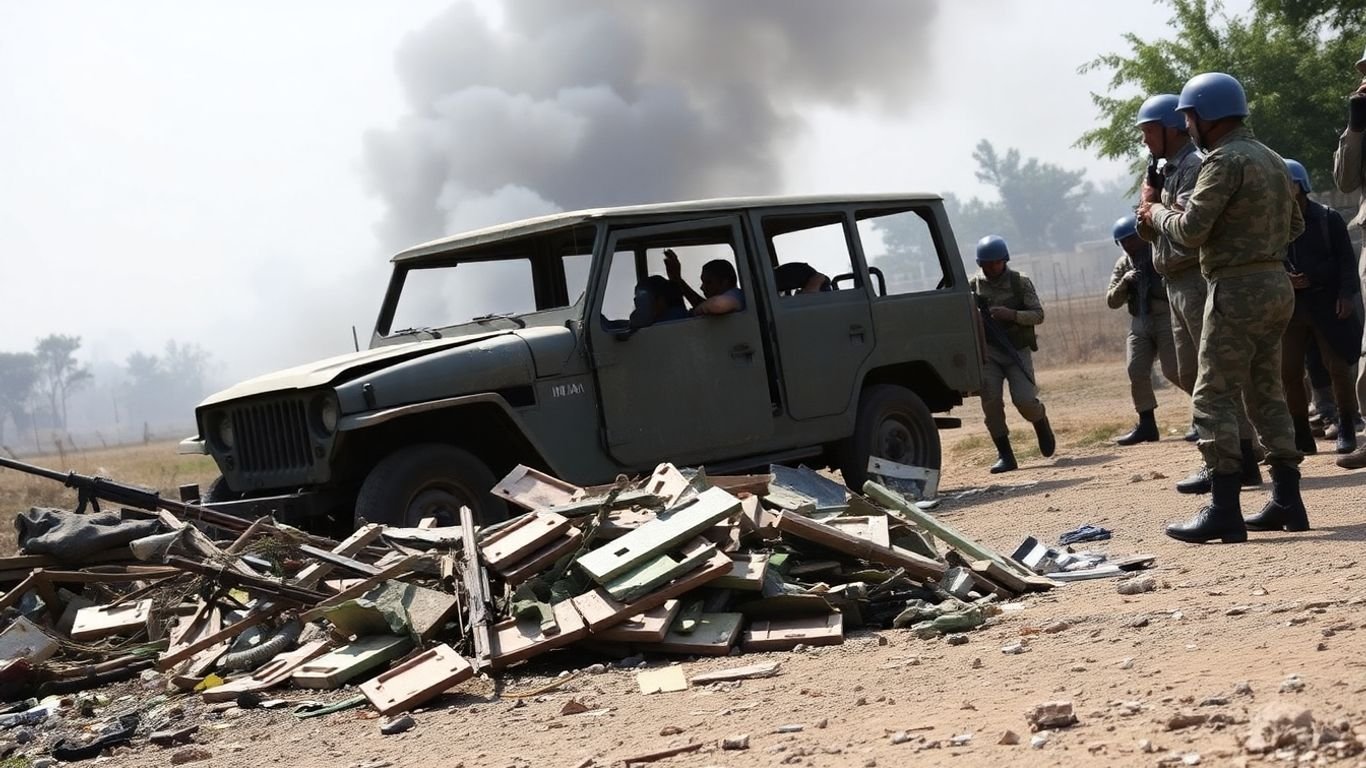
According to UNIFIL, their guys were out on patrol in southern Lebanon when Israeli forces, reportedly from a Merkava tank, opened fire. The rounds landed pretty close, about five meters from the peacekeepers. Naturally, they had to scramble for cover. It sounds like they were stuck there for about half an hour before the firing stopped and they could get out safely. Thankfully, nobody got hurt, but still, that’s a pretty scary situation to be in. It’s not exactly what you’d call a friendly encounter.
Call For IDF To Cease Aggressive Behavior
UNIFIL isn’t just letting this slide. They’ve put out a statement urging the IDF to stop what they’re calling “aggressive behavior and attacks on or near peacekeepers.” They’re emphasizing that their personnel are there to help bring stability to the region, and actions like this make their job a whole lot harder.
This isn’t the first time UNIFIL has had issues with the IDF recently, either. There have been other complaints about drones dropping grenades and other incidents. It seems like there’s a lot of friction happening along that border, and UNIFIL wants it to stop. They’re trying to do their job, and they want the IDF to respect that. It’s a tough situation, especially with everything else going on in the area, and you can see why activists are protesting when things get this tense.
Escalating Tensions Between Israel And UNIFIL
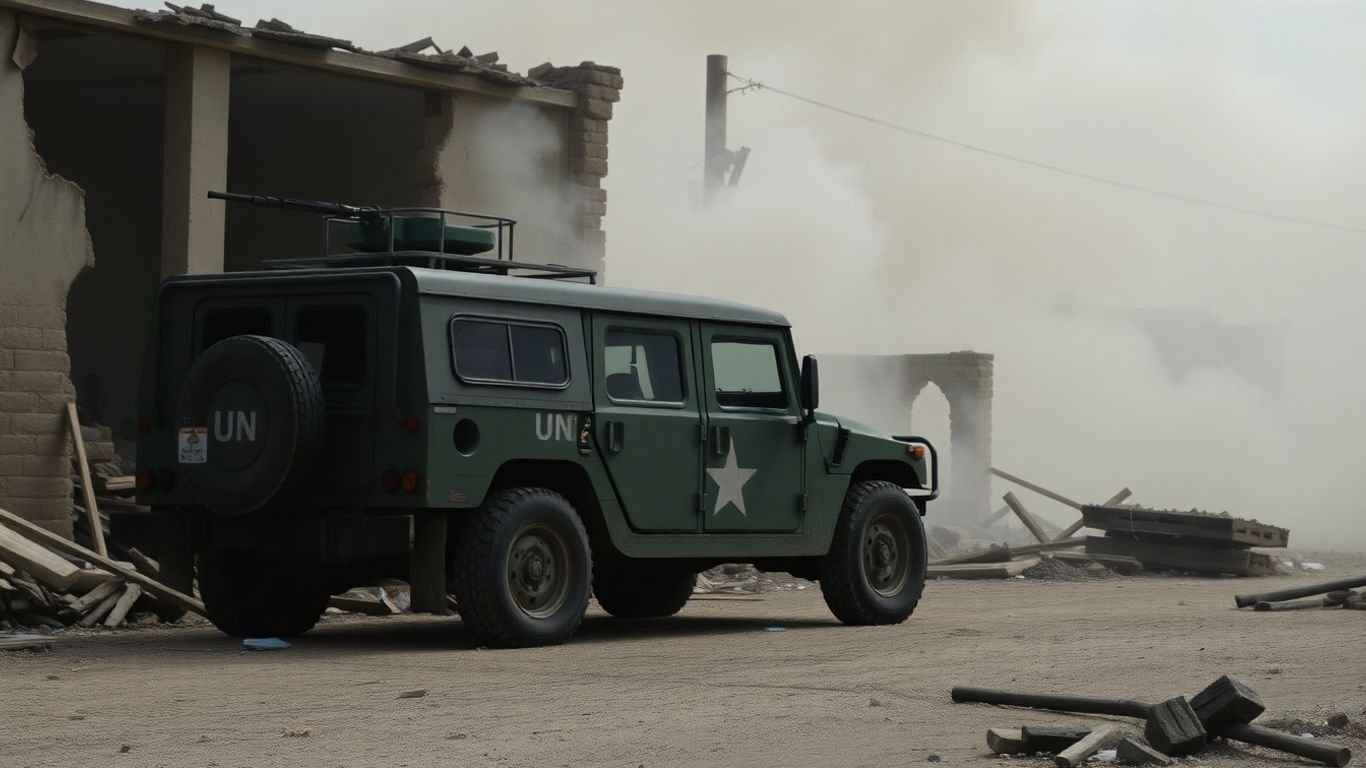
Things have been getting pretty tense lately between the Israel Defense Forces (IDF) and the UN peacekeepers, UNIFIL. It feels like every few weeks there’s a new incident, and honestly, it’s making everyone nervous. The recent firing on UNIFIL soldiers, which the IDF blamed on bad weather and misidentification, is just the latest in a string of events that are really straining relations.
Previous Incidents Involving Israeli Drones And Tanks
It’s not just this one shooting. UNIFIL has been lodging more and more complaints against the IDF. Last month, they reported that IDF drones dropped grenades near their observers not once, but three times. One observer even got hurt. Then, UNIFIL shot down an IDF drone, saying it was flying too close and aggressively. The IDF, of course, said the drone wasn’t a threat. There’s also been a dispute about Israel building a border wall, with Lebanon claiming it’s on their side of the Blue Line, which Israel denies. These aren’t isolated events; they’re part of a pattern that’s making the UN force feel targeted.
UNIFIL Accusations Against IDF Operations
UNIFIL has been pretty vocal about what they see as IDF overreach. They’ve accused the IDF of firing on their peacekeepers from tanks, with rounds landing just meters away. The UN force has repeatedly called on the IDF to stop aggressive behavior towards their personnel. They say these actions are serious violations of UN Security Council Resolution 1701, which is supposed to maintain the peace. It’s clear UNIFIL feels the IDF’s operations, especially in light of the ongoing Gaza conflict escalation, are becoming increasingly problematic and dangerous for their mission.
Israel’s Stance On UNIFIL’s Effectiveness
Israel, on the other hand, has long argued that UNIFIL isn’t doing enough. They believe the UN force has failed to prevent Hezbollah from building up its military presence along the border over the years. From Israel’s perspective, their actions, including IDF strikes on Lebanon, are necessary to counter threats from Hezbollah and maintain security along their northern border. They see UNIFIL’s complaints as a distraction from the real issue: Hezbollah’s persistent aggression. It’s a tough situation where both sides feel justified in their actions, but the UN peacekeepers are caught in the middle.
Israel’s Security Concerns On Northern Border
IDF Operations To Remove Threats To Israel
The Israel Defense Forces (IDF) are constantly working to keep our citizens safe, especially along the volatile northern border. It’s not just about reacting to incidents; it’s about proactively removing threats before they can materialize. We’ve seen how groups like Hezbollah, backed by Iran, have used southern Lebanon as a staging ground for attacks against us. Our operations are designed to disrupt these hostile activities and prevent them from escalating.
Hezbollah Threats Along The Border
Let’s be clear: Hezbollah is a major security concern for Israel. For years, this Iran-backed terror group has been amassing rockets and building up its military infrastructure right on our doorstep. They’ve openly stated their goal is to destroy Israel. The attacks that started in October 2023, following the Hamas invasion, are a stark reminder of this persistent danger. We can’t just sit back and wait for the next attack. Our primary responsibility is to protect the people of Israel.
Maintaining Strategic Border Positions
Following the 2006 conflict and the subsequent UN Security Council Resolution 1701, a ceasefire was established. However, the reality on the ground is that Hezbollah has continued to violate the spirit, if not the letter, of that agreement. Israel maintains a presence in certain strategically important positions along the border. This isn’t about occupying Lebanese territory; it’s about having the necessary vantage points and defensive capabilities to monitor and counter immediate threats. These positions allow us to respond quickly to incursions and attacks, safeguarding our communities in the north who have been displaced and live in constant fear.
The security situation on our northern border is complex and requires constant vigilance. We are committed to defending our sovereignty and ensuring the safety of our citizens against any and all threats emanating from Lebanese territory, particularly from Iran-backed terrorist organizations.
The Role Of UNIFIL In Southern Lebanon
Monitoring Ceasefire Between Israel And Hezbollah
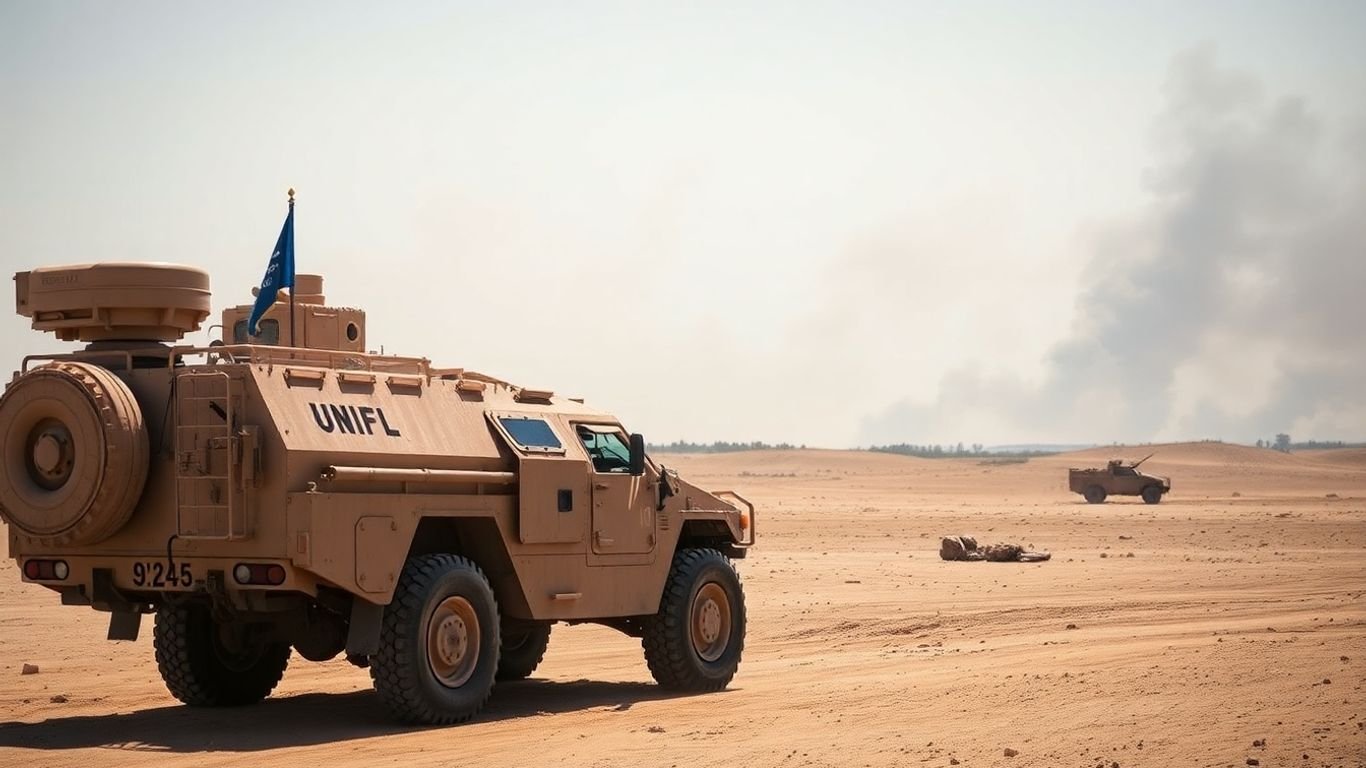
The United Nations Interim Force in Lebanon, or UNIFIL as it’s commonly known, has been around since 1978. Its main job is to keep an eye on things along the border between Israel and Lebanon. Think of them as the referees trying to make sure the ceasefire holds, especially between Israel and Hezbollah. They’re supposed to be a buffer, a presence that discourages any major flare-ups. It’s a tough gig, given the history and the constant tension.
Restoring Stability In The Region
Beyond just watching, UNIFIL is also tasked with helping to bring some calm back to southern Lebanon. This involves working with the Lebanese army to get state authority back in areas where it’s been weak. They’ve supported the Lebanese military’s redeployment, which is supposed to help the country regain control. The idea is that a stable Lebanon means a more secure border for Israel too. It’s a delicate balance, and UNIFIL is right in the middle of it.
UNIFIL’s Mandate And Presence
UNIFIL’s mandate got a boost after the 2006 war. Resolution 1701 is the big one here, setting out what they’re supposed to do. They’re meant to help ensure that Hezbollah isn’t building up its military strength near the border, which is a major concern for Israel. Currently, there are about 10,500 peacekeepers from nearly 50 countries. It’s a significant international presence, but lately, there have been more complaints about Israeli actions impacting their operations. This mission, however, is slated to end in 2027, which adds another layer of uncertainty to the region’s stability.
The effectiveness of UNIFIL has been questioned by Israel, which argues the force hasn’t done enough to curb Hezbollah’s military buildup over the years. This ongoing debate highlights the complex challenges in maintaining peace and security in southern Lebanon.
What Now?
Look, this whole thing with the UN peacekeepers getting fired on is just another mess in an already messy region. Israel says it was a mistake, bad weather, they thought they saw suspects. The UN is calling it a serious violation, which, yeah, it sounds like it. But honestly, who knows what’s really going on out there? It’s a tough spot for everyone involved, and these kinds of incidents just add to the tension. We’ll have to wait and see how this plays out, but it’s clear things aren’t exactly calm on the border.
Frequently Asked Questions
What happened between the Israel Defense Forces (IDF) and UN peacekeepers?
The IDF confirmed they fired warning shots at two individuals they thought were threats. Later, they realized these individuals were actually UN peacekeepers on patrol. The IDF said this happened because of bad weather making it hard to see clearly and that they didn’t mean to shoot at the UN soldiers.
Did the UN peacekeepers get hurt?
No, thankfully, no one was injured in the incident. The UN peacekeepers were able to take cover and leave the area safely after about 30 minutes once the firing stopped and the Israeli tank moved back.
What is UNIFIL and what is its role?
UNIFIL stands for the United Nations Interim Force in Lebanon. It’s a peacekeeping mission that has been in southern Lebanon for a long time. Its main job is to help keep the peace between Israel and Lebanon, especially by watching the border and making sure a ceasefire is followed.
Why did the UN call this a “serious violation”?
The UN said the shooting was a ‘serious violation’ of a UN agreement called Resolution 1701. This resolution basically says that only UN peacekeepers and the Lebanese army should be operating in southern Lebanon. Firing at UN soldiers goes against this rule.
Has this kind of thing happened before?
Yes, this isn’t the first time there have been issues. UNIFIL has reported other incidents recently involving Israeli drones and tanks firing near their peacekeepers. These events show that tensions are still high in the region.
Why is Israel concerned about its northern border?
Israel says it needs to protect itself from threats along its northern border, especially from Hezbollah. The IDF carries out operations to remove these threats and maintain its positions to keep the country safe.