No Ukraine ceasefire ‘this year’ – Finnish president
So, Finland’s president, Alexander Stubb, dropped some not-so-great news about the situation in Ukraine. He’s not feeling very hopeful about a ceasefire happening anytime soon, maybe not even this year. It sounds like we might have to wait until spring for any real chance of peace talks starting. This comes at a tough time for Ukraine, with Europe trying to figure out how to keep sending aid and dealing with some internal issues.
Key Takeaways
- Finnish President Alexander Stubb doesn’t expect a ceasefire or peace talks in Ukraine to happen this year, suggesting spring might be a more realistic timeframe.
- Finland, which shares a long border with Russia, has shifted its stance on neutrality after Russia’s 2022 invasion and is now a NATO member.
- President Stubb highlights the need for European resilience, using the Finnish concept of ‘sisu,’ to navigate the ongoing conflict and Russia’s actions.
- Stubb maintains a relationship with former U.S. President Trump and uses it to advocate for Ukraine, explaining Finland’s perspective and how to approach Russia.
- Key issues for a future peace in Ukraine include providing security guarantees, rebuilding the country’s economy, and resolving territorial disputes.
Finnish President’s Grim Outlook on Ukraine Ceasefire
Looks like we’re in for a long haul with this whole Ukraine situation. Finnish President Alexander Stubb isn’t exactly painting a rosy picture, and honestly, who can blame him? He’s pretty blunt about it: don’t expect any ceasefire or peace talks to get off the ground this year. He mentioned in an interview that if things start moving by March, that would be a good sign. That’s not exactly a ringing endorsement for a quick end to the fighting, is it?
No Optimism for Peace Talks This Year
Stubb’s been pretty clear that he’s not feeling optimistic about any breakthroughs soon. He told the Associated Press that getting a ceasefire or even starting peace negotiations before the year is out is a long shot. It’s a tough pill to swallow, especially when you see the ongoing destruction and suffering. It feels like we’re stuck in a holding pattern, with Russia showing no real signs of backing down. The idea that we might have to wait until spring just to begin talking peace is pretty grim.
Springtime as a Potential Turning Point
While the current outlook is bleak, Stubb did offer a sliver of hope, suggesting that springtime might be a more realistic timeframe for some kind of progress. He said that getting
Finland’s Stance on Russia and Ukraine Conflict
Lessons from the Winter War
Finland’s history with Russia is long and, frankly, not always pleasant. Back in the late 1930s and early 1940s, they went through the Winter War and the Continuation War. It was a brutal time. Despite being massively outnumbered, the Finnish soldiers showed incredible grit, what they call ‘sisu.’ They really made the Soviets pay for every inch of ground. In the end, Finland lost some territory, about 10% of its land, but they managed to keep their independence. It’s a stark reminder of what happens when a smaller nation stands up to a giant neighbor. This historical experience shapes how Finland views the current conflict.
Shifting Neutrality Post-2022 Invasion
For a long time, Finland tried to stay neutral, especially after those wars. It was their way of keeping the peace, or at least trying to. But when Russia decided to go all-in on Ukraine in 2022, that changed everything. It was a wake-up call. Finland realized that neutrality wasn’t going to cut it anymore. They saw what Russia was capable of, and it made them rethink their whole security strategy. It wasn’t an easy decision, but it was one they felt they had to make for their own safety.
NATO Membership and Border Security
So, after years of neutrality, Finland joined NATO. It was a big move, and it happened pretty quickly after the 2022 invasion. Now, they’ve got the backing of the whole alliance. Plus, Finland has this really long border with Russia, over 800 miles. That’s a lot of frontier to worry about. They’ve always taken border security seriously, but now with NATO, it’s a different ballgame. They’re beefing up defenses and working closely with their new allies. It’s all about making sure that whatever happens on the other side of that border doesn’t spill over into Finland.
Here’s a look at Finland’s border situation:
| Feature | Detail |
|---|---|
| Length with Russia | Approx. 1,340 km (830 miles) |
| NATO Membership | Joined April 2023 |
| Historical Stance | Neutrality until 2022 |
| Current Focus | Enhanced border security, collective defense |
Finland’s decision to join NATO wasn’t taken lightly. It was a direct response to Russia’s aggressive actions and a clear signal that they would no longer rely solely on neutrality to protect themselves. The long shared border makes this a matter of immediate national security.
Navigating the Complexities of the Russia-Ukraine War
Look, nobody’s feeling great about how things are going over in Ukraine. It’s a mess, plain and simple. President Stubb is pretty clear: don’t expect any kind of ceasefire or real peace talks this year. Maybe, just maybe, things could start moving by springtime, but that’s a big maybe. Putin isn’t exactly showing signs of backing down; he still wants to erase Ukraine’s independence and sovereignty. It’s a tough pill to swallow, especially when you see the ongoing fighting and the sheer stubbornness from Moscow.
The Need for European ‘Sisu’
Europe needs to dig deep and find some grit, that Finnish ‘sisu’ they talk about. It means staying cool, collected, and tough, even when things look bleak. Russia isn’t just fighting a war on the ground; they’re waging a hybrid war across Europe, messing with things through sabotage, propaganda, and general chaos. It’s designed to make us panic, but that’s exactly what we shouldn’t do. We need to keep our heads straight and not get rattled by their games. This isn’t just about Ukraine anymore; it’s about the stability of the whole continent. We’ve seen how bad things can get when a major power decides to invade, and frankly, the situation in places like Gaza, where families are facing a harsh winter without electricity, shows the devastating human cost of prolonged conflict and instability [d712].
Addressing Corruption in Kyiv
Now, about Ukraine itself. There’s been some noise about corruption, and President Stubb is right to point it out. Zelenskyy needs to sort that out, fast. Allegations of kickbacks and embezzlement only give Russia more ammo to use against Ukraine. It makes it harder for allies to keep supporting Kyiv when there are questions about how the money and resources are being handled. We need to see swift action to clean house so that Russia can’t exploit these issues. It’s not about doubting Ukraine’s cause, but about making sure the support we give is used effectively and that the government is seen as trustworthy.
Maintaining Allied Support for Ukraine
Keeping allies on board is going to be a challenge. Stubb mentioned his relationship with President Trump, which he uses to help bridge gaps and keep the U.S. engaged. It’s a smart move. Trump has a unique way of getting things done, or at least trying to. While some of his actions, like denying certain missile requests, might seem odd, the overall goal is to keep pressure on Russia. Europe needs to step up its own game, too, not just with military aid but also by looking at things like using frozen Russian assets to help fund Ukraine’s rebuilding. The big questions remain: security guarantees for Ukraine, rebuilding its economy, and figuring out those thorny territorial claims. It’s a long road, and we can’t afford to lose focus or waver in our commitment.
The Role of U.S. Diplomacy in Ukraine
Stubb’s Relationship with President Trump
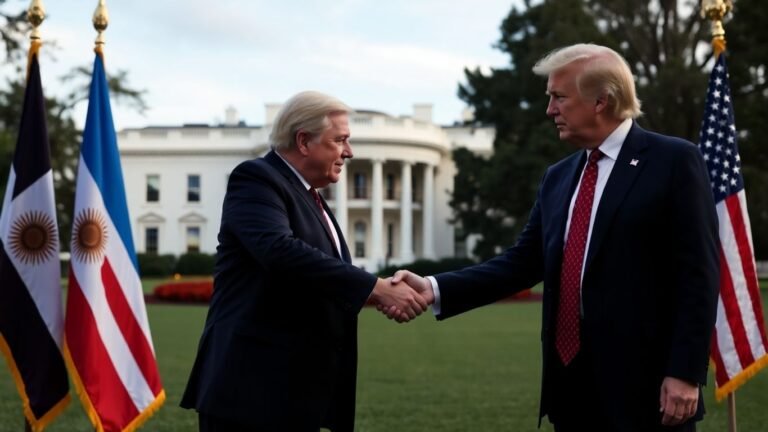
It seems like Finland’s President Stubb has a pretty direct line to Donald Trump, which is interesting. They’ve played golf together, and Stubb’s been in meetings with Trump and Zelenskyy. Stubb figures he can just tell Trump how he sees things, maybe explain Finland’s own history with Russia, or just give his take on how to handle Putin. He figures if Trump picks up on even one idea out of ten, that’s a win. It’s a bit of a different approach than most European leaders probably have.
Leveraging Influence for Ukraine’s Cause
Stubb thinks that to get any kind of peace deal, both Trump and the European leaders need to really put the screws to Russia. He believes Putin’s main goal is just to erase Ukraine’s independence, and that hasn’t changed since the war started. To make that happen, Stubb suggests using frozen Russian money – there’s a lot of it sitting in Europe – to help fund Ukraine. He also thinks more military pressure on Moscow is needed. He even gave Trump credit for sanctioning some big Russian energy companies, saying that was a good move, but he also said more needs to be done to give Ukraine the ability to strike Russia’s military targets.
Strategic Mistakes by Russia
There was this one time when Trump was supposed to meet Putin, but the meeting got called off pretty suddenly. Stubb thinks that was a big screw-up by the Russians. Apparently, the U.S. realized the Russians weren’t budging on anything, so there wasn’t much point in having Trump go into a meeting where he wouldn’t get any kind of deal. Stubb called it a strategic mistake, saying they had a chance and just blew it. It shows how complicated these international dealings can get, and how one wrong move can really mess things up.
Key Issues for a Future Ukraine Peace
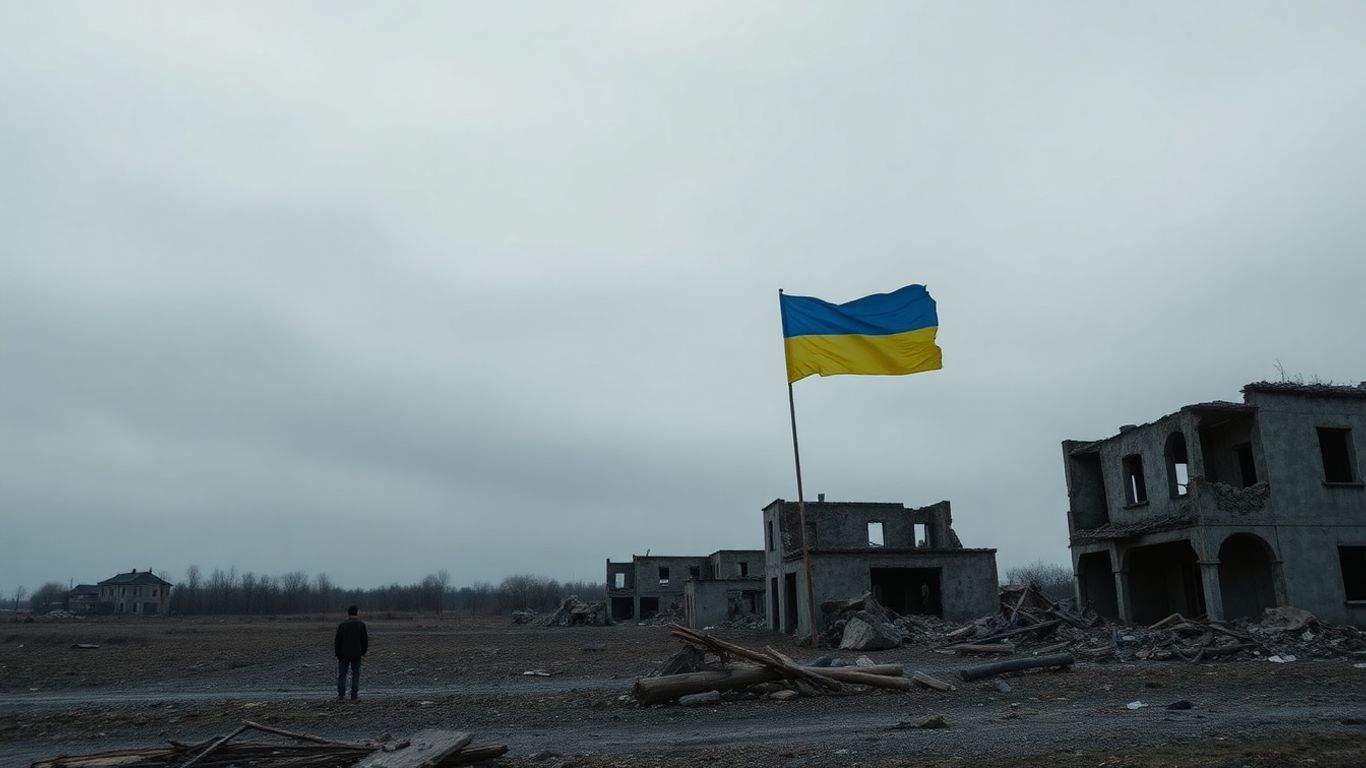
Look, nobody’s got a crystal ball for when this whole mess in Ukraine will actually end. Finnish President Alexander Stubb isn’t exactly optimistic about a ceasefire happening anytime soon, maybe not even this year. He figures springtime might be a better bet to even start talking peace. But before any real peace talks can even get off the ground, there are some pretty big hurdles to clear. It’s not just about shaking hands; it’s about sorting out some serious stuff.
Security Guarantees for Ukraine
This is a big one. Ukraine needs to know it won’t be left vulnerable again. What kind of promises will Russia actually keep? And who’s going to back them up? We’re talking about making sure Ukraine can defend itself, no matter what happens down the road. It’s about building trust, which, let’s be honest, is pretty thin on the ground right now. The goal is to have concrete plans in place so that Ukraine isn’t just hoping for the best.
Rebuilding Ukraine’s Economy
This war has absolutely wrecked Ukraine’s economy. We’re talking about massive reconstruction efforts. Where’s all that money going to come from? Stubb mentioned using frozen Russian assets, which is an interesting idea, but it’s not going to be simple. Ukraine needs more than just aid; it needs a solid plan to get back on its feet and become self-sufficient again. This includes dealing with internal issues, like the corruption scandals that have popped up. You can’t rebuild a strong nation if there’s graft at the top. President Zelenskyy needs to get a handle on that, fast, so Russia can’t use it against them. It’s about making sure the money actually goes to rebuilding, not lining pockets. We need to see progress on resuming negotiations for financial matters.
Resolving Territorial Claims
This is probably the stickiest wicket of them all. What happens to the land? Russia wants a chunk, Ukraine wants it all back. There’s no easy answer here. Stubb pointed out that Putin’s main goal is to erase Ukraine’s independence. So, any deal that doesn’t respect Ukraine’s sovereignty is a non-starter. It’s a tough balancing act, trying to find a solution that both sides can live with, even if they don’t like it. Finding common ground on territory will be the ultimate test of any peace process.
The path to peace is paved with difficult conversations and hard compromises. It’s not about wishful thinking; it’s about facing reality and making tough decisions that, hopefully, lead to a more stable future for Ukraine and the wider region. Europe needs to stay patient and keep supporting Kyiv through this ordeal.
Finland’s President on Dealing with Putin
Dealing with Vladimir Putin isn’t exactly a walk in the park, and Finnish President Alexander Stubb knows this better than most. He’s found himself in a unique position, acting as a go-between, trying to explain the situation to folks like former U.S. President Donald Trump. Stubb mentioned that he can share his perspective on how Finland handled past conflicts with Russia, or just generally how to approach dealing with Putin. He figures if he can get even one idea to stick with Trump out of ten, that’s a win. It’s a tough gig, and he admits it’s been a bit of a grind, requiring a good dose of that Finnish ‘sisu’ – you know, that grit and resilience we’ve talked about.
Stubb has been pretty clear that a ceasefire in Ukraine isn’t likely to happen anytime soon, maybe not even before spring. He’s not exactly optimistic about peace talks kicking off this year. Putin’s main goal, Stubb believes, is to chip away at Ukraine’s independence and sovereignty. It’s a hard truth, but you can’t just pretend things are different.
Understanding Putin’s Objectives
From Stubb’s viewpoint, Putin’s core objective is pretty straightforward: he wants to deny Ukraine its independence, its right to self-govern, and its territorial integrity. It’s not about negotiation; it’s about control. This isn’t a new tactic, and it’s why Finland, with its own history of dealing with Russian aggression, understands the stakes. Putin’s actions are a clear signal that he doesn’t respect international norms or the sovereignty of other nations. It’s a dangerous game he’s playing.
The Grind of Negotiations
Stubb has been involved in discussions about how to secure Ukraine’s future, and he’s stressed the need for concrete security guarantees. Getting to a ceasefire or any kind of peace deal is proving to be a real challenge. It’s a slow, difficult process, and Stubb has openly stated that it requires that special Finnish quality of ‘sisu’. He’s been working on clarifying the military options that could back up any future peace agreement, and it sounds like some progress has been made, with various countries committing resources. It’s not glamorous work, but it’s necessary.
Admiring Zelenskyy’s Leadership
Despite the difficulties and even some internal issues in Ukraine, like corruption scandals that can play right into Russia’s hands, Stubb has a lot of respect for Ukrainian President Volodymyr Zelenskyy. Leading a country in wartime is an incredibly tough job, and Stubb admires Zelenskyy’s ability to handle such an existential crisis. He believes that you learn a lot about people when they’re under that kind of pressure. It’s a testament to Zelenskyy’s character that he’s still standing strong. Stubb also pointed out that Zelenskyy needs to quickly address the corruption issues to avoid giving Russia more ammunition. It’s a delicate balance, but one that’s vital for Ukraine’s long-term survival and its fight for freedom. The destruction of major energy infrastructure, like the 750Ka power plant, only adds to the pressure on Ukraine and its allies to secure energy independence.
Here’s a look at some key points Stubb has emphasized:
- Ceasefire unlikely before spring.
- European allies must maintain support for Ukraine.
- Zelenskyy needs to swiftly address corruption allegations.
The path to peace is long and winding, and dealing with leaders like Putin requires a steady hand and a deep well of resilience. It’s not about wishful thinking; it’s about facing reality and working through the tough problems, step by painstaking step.
What Does This Mean For Us?
So, it sounds like we’re in for a long haul with this Ukraine situation. The Finnish president isn’t exactly painting a rosy picture for peace talks anytime soon, maybe not even by next spring. It’s a tough pill to swallow, especially when you see the endless stream of news about the fighting. We’ve got to keep our eyes open and remember what’s really going on over there, and frankly, who’s really benefiting from all this. It’s a messy business, and it doesn’t look like it’s wrapping up anytime soon. We’ll just have to wait and see how things play out, but don’t expect any quick fixes.
Frequently Asked Questions
When does the Finnish President think a ceasefire in Ukraine might happen?
Finnish President Alexander Stubb doesn’t think a ceasefire or peace talks will start this year. He believes spring might be a more realistic time for some progress.
What are Russia’s main goals in Ukraine, according to the Finnish President?
President Stubb feels that Russia, led by Vladimir Putin, wants to take away Ukraine’s independence, its right to govern itself, and its land.
How has Finland’s relationship with Russia changed?
Finland used to be neutral after fighting the Soviet Union in the past. But after Russia’s big invasion of Ukraine in 2022, Finland decided to join NATO.
What does ‘sisu’ mean, and why is it important for Europe?
‘Sisu’ is a Finnish word that means having strength, not giving up, and being tough. President Stubb thinks Europe needs this quality to get through tough times, especially with Russia’s ongoing actions.
What are the main challenges for achieving peace in Ukraine?
According to President Stubb, three big things need to be figured out: making sure Ukraine is safe, rebuilding its economy, and deciding what to do about the land that’s been fought over.
Why is Finland’s President Alexander Stubb able to talk to Donald Trump about Ukraine?
President Stubb has a good relationship with Donald Trump, even playing golf together. This allows Stubb to share his views on the war and try to keep support for Ukraine strong.
![[Fetterman] stands firm amidst party division.](https://countrybrief.com/wp-content/uploads/2025/10/thumbnail-57-768x432.jpeg)
![[Donald Trump] looks disappointed with election results.](https://countrybrief.com/wp-content/uploads/2025/11/thumbnail-52-768x432.jpeg)