Almost half of Japanese support defending Taiwan – poll
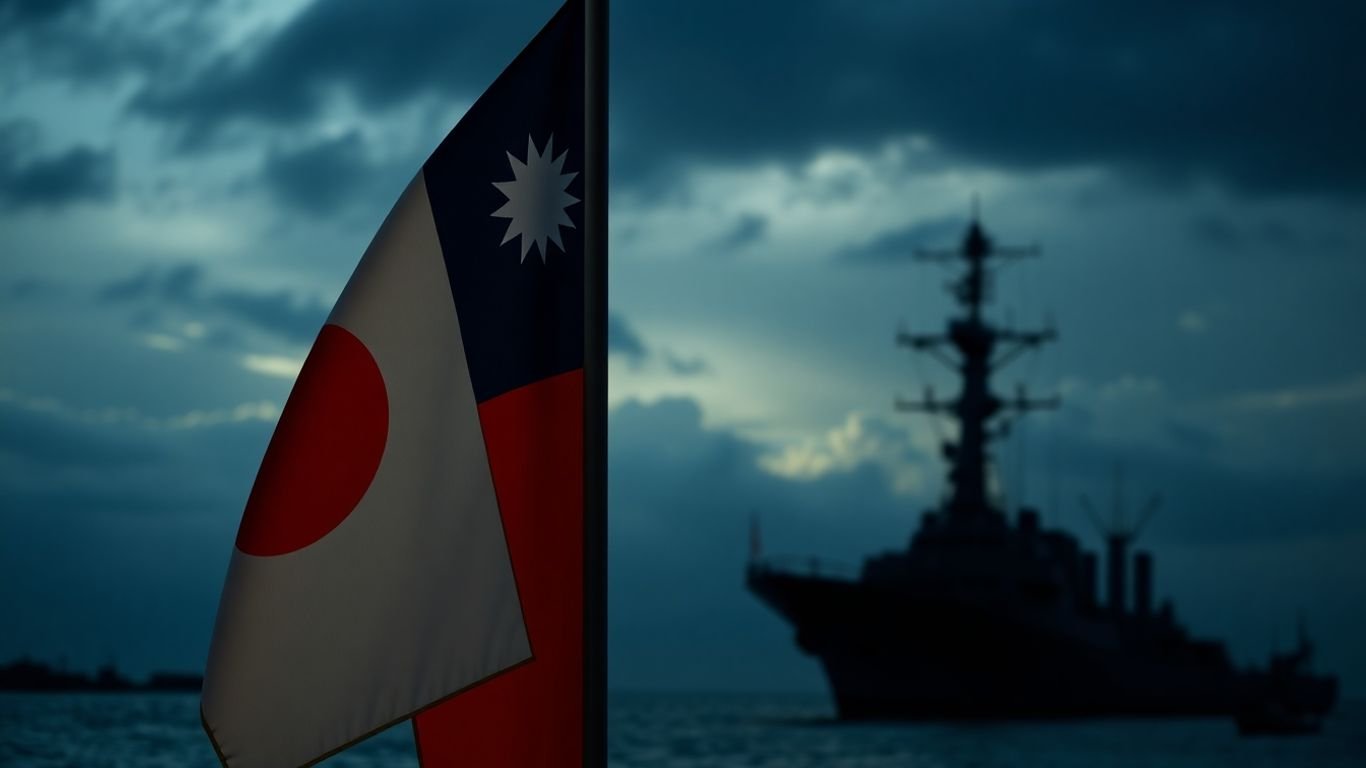
It looks like Japan is starting to rethink its position on Taiwan. A recent poll shows that almost half of Japanese people would be okay with defending Taiwan if China decided to make a move. This comes as Japan’s new prime minister has made some pretty direct comments about the situation, which has obviously gotten China all riled up. It’s a big shift from how things used to be, and it’s definitely worth looking at what this means for everyone in the region.
Key Takeaways
- A new poll indicates that nearly half of Japan’s population supports defending Taiwan if conflict arises with China.
- A significant majority, over 60%, of Japanese surveyed also want Tokyo to increase defense spending.
- Japan’s Prime Minister has signaled a potential shift from past policies by stating that a Chinese attack on Taiwan could be a “survival-threatening situation” for Japan.
- China has strongly protested Japan’s stance, viewing any intervention in Taiwan as an act of aggression and a violation of the One-China principle.
- Tensions between China and Japan are high, with potential economic impacts and a backdrop of historical grievances influencing current regional dynamics.
Japanese Public Opinion Shifts On Taiwan’s Defense
Nearly Half Support Defending Taiwan Against China
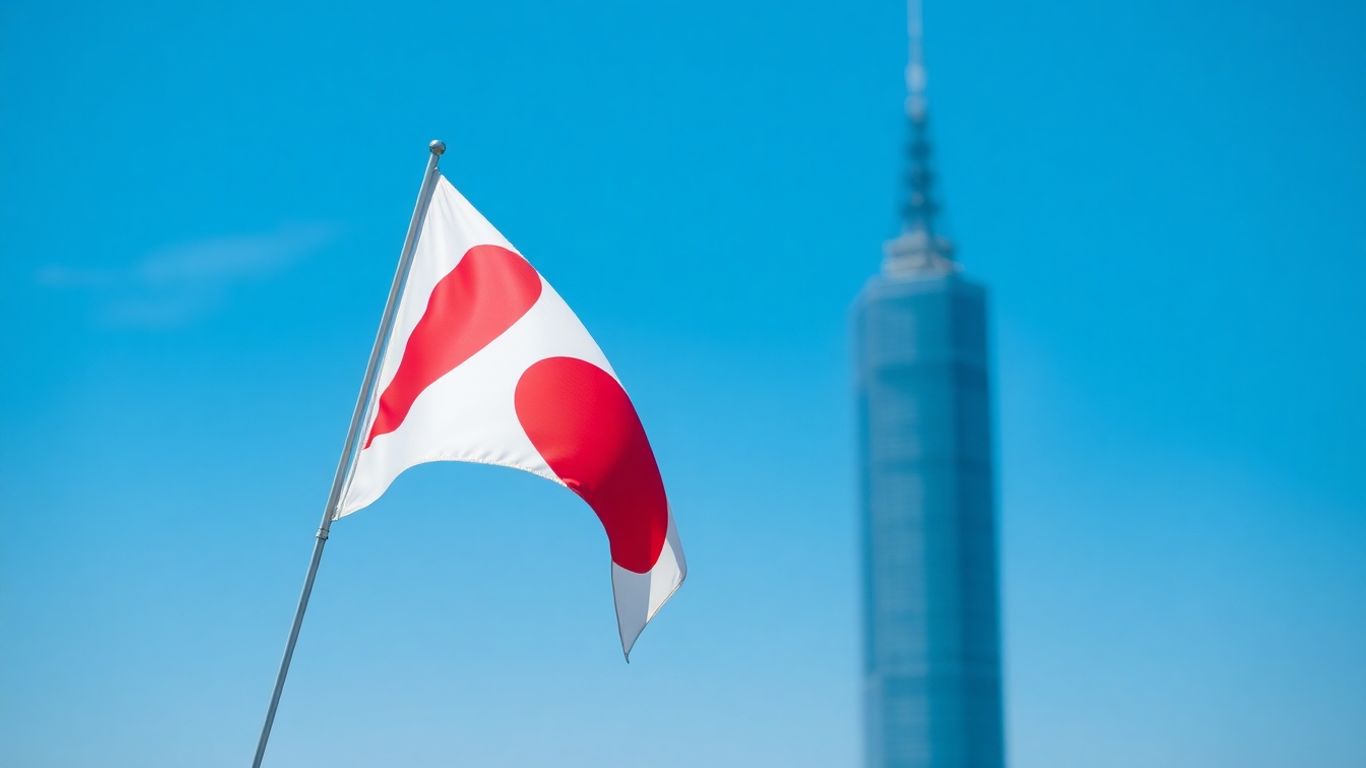
It looks like the Japanese public is starting to wake up to the reality of the situation in our backyard. A recent poll from Kyodo News dropped some interesting numbers: almost half of the folks surveyed, specifically 48.8%, said they’d be okay with Japan stepping in to defend Taiwan if things got ugly with China. This is a pretty big deal, a real departure from the usual "strategic ambiguity" we’ve heard from politicians for years. It seems like more people are realizing that Taiwan’s stability is directly tied to our own security. It’s not just some far-off island anymore; it’s a potential flashpoint that could drag us right into a conflict.
Public Backs Increased Defense Spending
And it’s not just about Taiwan. The same poll showed that a solid majority, over 60% of respondents, think Japan needs to beef up its defense spending. This isn’t surprising, given the increasingly aggressive posture from Beijing. We can’t just sit back and hope for the best. Strengthening our military capabilities is a practical necessity in this volatile region. It’s about making sure we can protect ourselves and our interests.
Prime Minister’s Stance Signals New Era
Prime Minister Sanae Takaichi has been pretty clear lately, stating that a Chinese attempt to take Taiwan by force could be a "survival-threatening situation" for Japan. This kind of direct talk is a significant shift. Previous leaders were often more hesitant to speak so plainly. Her cabinet’s approval rating actually went up after these comments, which suggests the public is on board with this more assertive approach. It feels like a new chapter is opening for Japan’s security policy, one where we’re not afraid to acknowledge and prepare for serious threats.
The old ways of just hoping for peace without preparing for war are over. The world is changing, and Japan needs to change with it to survive.
Here’s a quick look at the poll numbers:
| Issue | Support (%) | Oppose (%) |
|---|---|---|
| Defending Taiwan | 48.8 | 44.2 |
| Increasing Defense Spending | 60.4 | 34.7 |
China’s Aggressive Posturing And Japan’s Response
Beijing’s Fury Over Tokyo’s Taiwan Comments
Things have gotten pretty heated between China and Japan lately, and it all kicked off when Japan’s Prime Minister Sanae Takaichi made some comments about Taiwan. Basically, she said that if China were to use force against Taiwan, it could be seen as a situation that threatens Japan’s very survival. And if that happens, Japan might just have to step in with its own defense forces. She hasn’t backed down from that statement, which has really set Beijing off.
This isn’t just some random spat. Beijing sees Taiwan as a core part of its national interests, a line they absolutely will not let anyone cross. They view Taiwan as a breakaway province that needs to be brought back into the fold, by force if necessary. So, when Japan even hints at getting involved, it’s seen as a major provocation. China’s foreign ministry made it clear: any Japanese military intervention would be considered an "act of aggression." They’ve warned they’ll "retaliate forcefully" if Tokyo tries to use military might in the Taiwan Strait. It’s a pretty stark warning, and it shows just how sensitive this issue is for them.
China Views Taiwan Intervention As Act Of Aggression
From Beijing’s point of view, Taiwan is an internal matter. They’ve been pretty consistent about this for a long time. The idea that another country, especially Japan, would even consider military involvement is something they just can’t accept. They’ve been pushing this narrative hard, with state media and officials all echoing the same message: Japan meddling in Taiwan is an act of aggression. This stance is deeply rooted in their belief that Taiwan is a part of China and will be reunited, one way or another. They’re not shy about saying that force is an option if Taiwan were to declare independence, and they expect other countries to stay out of it. It’s a tough line, and it’s clear they’re prepared to back it up with action.
Historical Grievances Fuel Current Tensions
It’s hard to talk about current tensions without looking back at history. There’s a lot of unresolved history between China and Japan, going all the way back to World War II. Beijing often brings up Japan’s wartime actions, accusing some in Japan of trying to downplay or even glorify that past. They also point to Japan’s efforts to change its pacifist constitution and build up its military as worrying signs. These historical grievances, combined with recent policy moves and statements from both sides, have created a really tense atmosphere. It feels like a lot of old wounds are being reopened, and that’s making it even harder to find common ground. The recent comments about Taiwan just added fuel to an already smoldering fire, making the situation even more precarious for regional stability. It’s a complex mix of present-day security concerns and deep-seated historical baggage that’s making things so difficult right now. The whole situation is a stark reminder of how the past can continue to shape the present, especially in East Asia. It’s a delicate balance, and one misstep could have serious consequences. The economic fallout is already starting to show, with potential boycotts and impacts on tourism and businesses. It’s a reminder that these geopolitical tensions aren’t just abstract political debates; they have real-world effects on people and economies. The world is watching to see how this plays out, and whether diplomacy can prevail over escalating rhetoric and actions. It’s a tough situation, and frankly, it’s worrying to see things get this bad. We’ll have to see what happens next, but it’s definitely not a good sign for peace in the region. The economic implications are significant, with estimates suggesting a substantial hit to Japan’s GDP if China were to impose travel bans. This highlights how interconnected economies are and how geopolitical disputes can have tangible financial consequences. It’s a complex web of issues, and finding a resolution won’t be easy. The situation is a clear indicator of the challenges faced in maintaining peace and stability in East Asia, especially with China’s growing influence and its assertive foreign policy.
The Strategic Importance Of Taiwan
Taiwan: A Key Flashpoint In East Asia
Look, Taiwan isn’t just some island off the coast of China. It’s smack dab in the middle of a really important shipping lane, and if China were to take it over, well, that changes everything for global trade. Think about it – all those ships carrying goods from all over the world have to pass through there. It’s a choke point, plain and simple. And let’s not forget the advanced semiconductor chips made there; they’re pretty much the brains of all our modern tech. Losing access to those would be a massive headache for everyone, including us.
Japan’s Security Linked To Taiwan’s Stability
For Japan, Taiwan’s stability is practically tied to its own security. If China controls Taiwan, it means Chinese military power gets a lot closer to Japan’s shores. That’s not exactly a comforting thought. Japan relies heavily on sea lanes for its own trade and resources, and a hostile China controlling Taiwan would put those at risk. It’s like having a bully right next door, and you can’t just ignore them. This is why you’re seeing a shift in how Japan views its own defense and its role in the region. They’re starting to realize that ignoring the situation isn’t an option anymore. It’s about protecting their own backyard.
US Commitment To Taiwan’s Defense
The United States has made it pretty clear for a while now that it won’t stand by if China tries to take Taiwan by force. While they don’t officially recognize Taiwan as an independent country, they are committed to supplying it with the means to defend itself. This commitment is a big part of why things haven’t escalated further, at least not yet. It’s a delicate balance, and the US presence and support act as a significant deterrent. This whole situation is a major test for regional security and US influence in the Indo-Pacific. It’s a complex dance, and everyone’s watching to see how it plays out.
Shifting Alliances And Regional Security
Things are really changing in East Asia, and it feels like Japan is finally waking up to the reality of the situation. For years, Tokyo played this game of "strategic ambiguity" when it came to Taiwan. You know, not really saying yes or no, just kind of hedging its bets. But that’s all changing now. Prime Minister Sanae Takaichi has made it clear that an attack on Taiwan could be seen as a threat to Japan’s own survival. This isn’t just some minor policy tweak; it’s a big deal, signaling a new direction for the country’s security posture. It’s about time we saw some backbone.
Japan’s Departure From Strategic Ambiguity
This move away from ambiguity is a significant shift. It means Japan is no longer willing to just watch from the sidelines if Beijing decides to make a move on Taiwan. The old way of doing things, where Japan tried to keep everyone happy, just isn’t working anymore. The world is getting more dangerous, and pretending otherwise is foolish. Japan’s security is now explicitly linked to Taiwan’s stability, a point that many have been making for years. It’s a recognition that what happens in the Taiwan Strait doesn’t just stay in the Taiwan Strait.
China’s Warning To Japan Over Taiwan
Naturally, Beijing is not happy about this. They’ve summoned Japan’s envoy and are making a lot of noise, calling the comments "provocative" and warning of consequences. China views Taiwan as its own territory, and any suggestion that another country might get involved is seen as a direct challenge. They’ve been pretty clear about their intentions, saying they’ll use force if necessary. This kind of strong language from China isn’t new, but Japan’s firmer stance seems to have really rattled them. It shows that Japan is serious about its own interests and isn’t going to be easily intimidated. We’ll have to see how this plays out, but it’s definitely a tense situation.
Strengthening Defense Capabilities In The Face Of Threats
It’s not just about talking tough, though. The poll results are pretty telling: over 60% of Japanese people want to see their country boost defense spending. That’s a clear sign that the public understands the need for a stronger military. When you look at the numbers, it’s clear that the people are ready for a more robust defense.
Here’s a quick look at the sentiment:
- Nearly half of Japanese support defending Taiwan.
- Over 60% want increased defense spending.
- Public approval for the current government is high, suggesting support for its assertive stance.
This isn’t about starting wars; it’s about being prepared. In a region where threats are becoming more apparent, having strong defenses is just common sense. It’s about protecting our interests and ensuring peace through strength. This is a necessary step for Japan’s security in these uncertain times.
Economic Repercussions Of Sino-Japanese Tensions
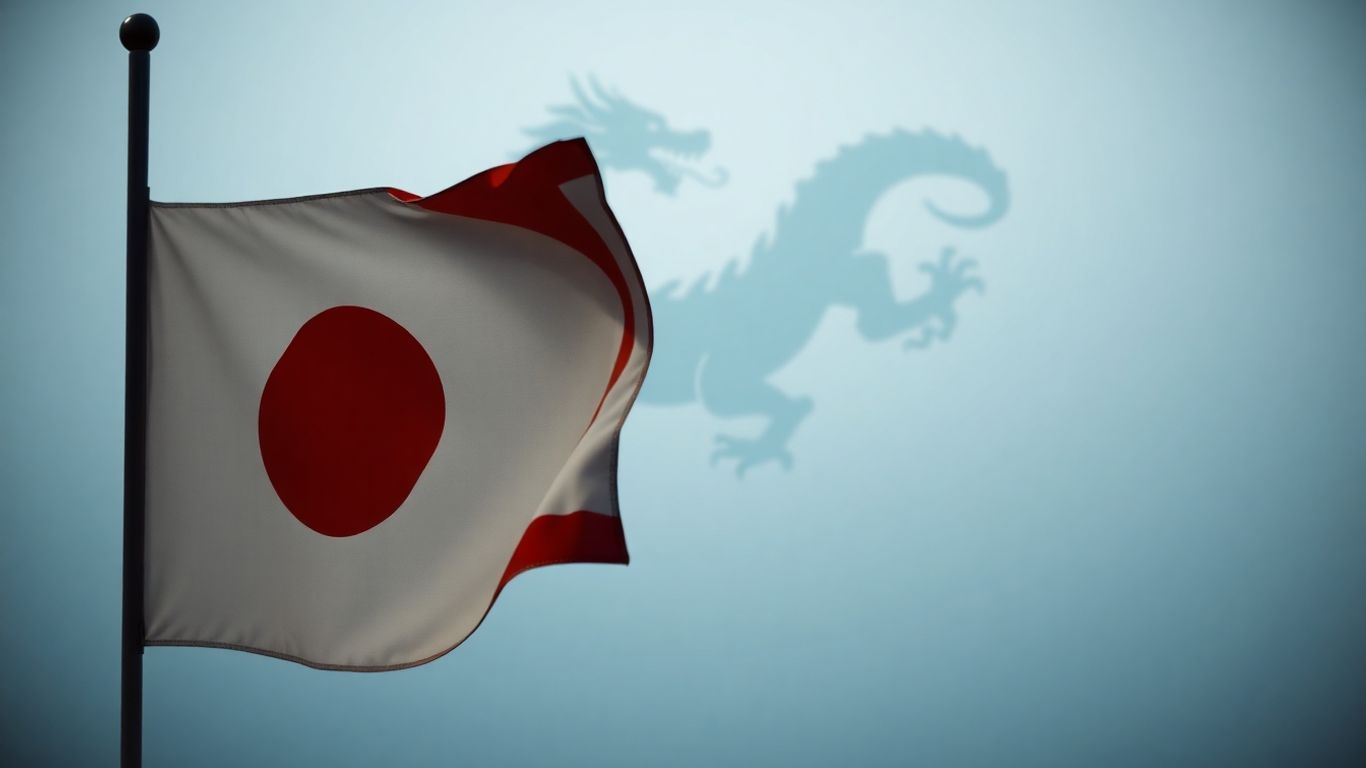
It’s not just about stern words and diplomatic spats; the growing friction between China and Japan is starting to hit wallets. When Tokyo signals it might get involved if Beijing makes a move on Taiwan, Beijing doesn’t just get angry, it starts thinking about how to make Japan pay economically. We’re already seeing signs of this, and it could get worse.
China’s Potential Boycott Of Japanese Tourism
This is a big one. Remember all those Chinese tourists flooding into Japan? Well, Beijing has already advised its citizens to hold off on non-essential trips. Given that Chinese visitors were the biggest group coming to Japan, this is a serious blow. Think about all the hotels, shops, and restaurants that rely on that business. Some reports suggest a full travel boycott could cost Japan billions each year, chipping away at their GDP. It’s a pretty direct way for China to show its displeasure.
Impact On Japanese Businesses And Economy
Beyond tourism, Japanese companies operating in China are also feeling the heat. Beijing has ways of making things difficult, like delaying film releases or postponing important forums where business leaders meet. There’s even talk of putting Japanese firms on an "unreliable entity list," which sounds pretty ominous for trade. The stock market has already seen some Japanese companies, especially those tied to tourism, take a tumble. It’s a clear signal that geopolitical spats have real-world economic consequences.
Concerns Over Rare Earth Supply Chains
Then there’s the issue of critical resources. Japan, like many developed nations, relies on China for things like rare earth minerals. These are vital for making everything from smartphones to advanced military equipment. If tensions escalate, China could potentially restrict these supplies. This isn’t just an inconvenience; it could seriously disrupt manufacturing and national security for Japan. It’s a reminder of how interconnected and vulnerable global supply chains can be, especially when major powers are at odds. The situation highlights the fragility of energy infrastructure, a concern that has been amplified by events like the destruction of a major power plant in Ukraine, impacting regional energy security [5b60].
The economic tools available to Beijing are potent. By leveraging its position as a major trading partner and consumer of Japanese goods and services, China can inflict significant pain. This isn’t just about political posturing; it’s about using economic leverage to influence foreign policy decisions, particularly concerning sensitive issues like Taiwan.
Nationalism And Public Sentiment
It’s no secret that relations between China and Japan have been pretty tense for a while now. A lot of this boils down to historical baggage and, frankly, a rise in nationalistic feelings on both sides. You see it in the polls, too. A recent survey showed that almost 90% of people in both countries have a negative view of the other. That’s a pretty stark number, isn’t it?
Rising Nationalism In China And Japan
This isn’t just about governments disagreeing; it’s about how people feel. In China, there’s a strong push to see Taiwan as part of the mainland, and any outside interference is viewed as an insult to national pride. On the flip side, Japan is grappling with its own identity and security concerns. There’s a segment of the population, and some political figures, who feel Japan needs to be stronger, especially with China’s growing military might. This has led to some politicians, like Prime Minister Sanae Takaichi, making bolder statements about defending Taiwan, which, as you can imagine, really sets Beijing off. Her comments about a potential Taiwan crisis being a "survival-threatening situation" for Japan really stirred the pot. It’s a far cry from the more cautious approach of previous leaders. This shift in rhetoric is definitely fueling the fire.
Negative Sentiment Between Citizens
When you look at the numbers, it’s clear that ordinary people in both Japan and China aren’t exactly fond of each other these days. This isn’t just abstract; it can lead to real-world problems. We’ve seen attacks on Japanese citizens in China and Chinese tourists facing issues in Japan. It creates an atmosphere of distrust that makes diplomatic solutions even harder to find. It feels like a cycle where political tensions spill over into public opinion, and then that public opinion makes it harder for politicians to de-escalate.
Impact Of Wartime History On Modern Relations
Let’s be honest, the past still weighs heavily on the present. China often accuses Japan of not fully reckoning with its wartime history, pointing to things like visits to the Yasukuni Shrine. Meanwhile, Japan is trying to navigate its post-war constitution and its security needs in a rapidly changing region. Prime Minister Takaichi’s background, being a former ally of Shinzo Abe, also plays a role, as Abe himself had pushed for a stronger Japanese defense posture. Beijing sees these moves, along with Japan’s engagement with Taiwan, as signs of a dangerous militaristic revival. It’s a complex web of historical grievances and present-day security calculations that makes the situation incredibly delicate. The Kyodo News poll showing nearly half of Japanese supporting Taiwan’s defense really highlights how much public sentiment has shifted, even if it makes Beijing furious.
What This Means
So, it looks like a good chunk of folks in Japan are starting to get serious about what’s happening with Taiwan. It’s not just talk anymore; nearly half of them would back Japan stepping in if things got ugly with China. Plus, most people want the government to spend more on defense. This is a pretty big deal, especially with the Prime Minister herself saying that an attack on Taiwan could be a threat to Japan’s own safety. China’s not happy about it, obviously, but it seems like the Japanese public is ready for a stronger stance. It’s a sign that maybe Japan is waking up to the real dangers out there and is willing to do something about it.
Frequently Asked Questions
What is the main finding of the recent poll about Japan’s view on Taiwan?
A recent poll found that almost half of the Japanese people would support their country defending Taiwan if it faced an attack from China. This shows a big change in how people in Japan are thinking about this issue.
Why is Japan’s stance on Taiwan changing?
Japan’s new Prime Minister, Sanae Takaichi, has made statements suggesting Japan might get involved if China uses force against Taiwan. This is different from past leaders who usually didn’t say much about the topic. This shift signals a new approach to national security.
How did China react to Japan’s comments about Taiwan?
China was very angry about Japan’s statements. They called the comments ‘extremely malicious’ and ‘blatantly provocative.’ China warned Japan to take back its words or face serious consequences, saying any intervention in Taiwan would be seen as an act of aggression.
Why is Taiwan important to Japan’s security?
Taiwan is located in a very important area in East Asia. If China were to take Taiwan, it could affect Japan’s own safety and stability. Many believe that Japan’s security is closely tied to Taiwan’s.
Is Japan increasing its military spending?
Yes, the poll showed that a large majority of Japanese people, over 60%, want Tokyo to spend more money on its military. This is to make the country’s defenses stronger in the face of growing regional tensions.
What are the potential economic effects of tensions between China and Japan over Taiwan?
Tensions could hurt both countries’ economies. China might discourage its citizens from traveling to Japan, which would affect tourism. There are also worries that China could limit its supply of important materials like rare earths, which Japan needs for its industries.

![[Alan Shearer] scores a record-breaking goal in a stadium.](https://countrybrief.com/wp-content/uploads/2026/02/thumbnail-10-768x432.jpeg)