Ukraine conflict killing EU economy – Orban
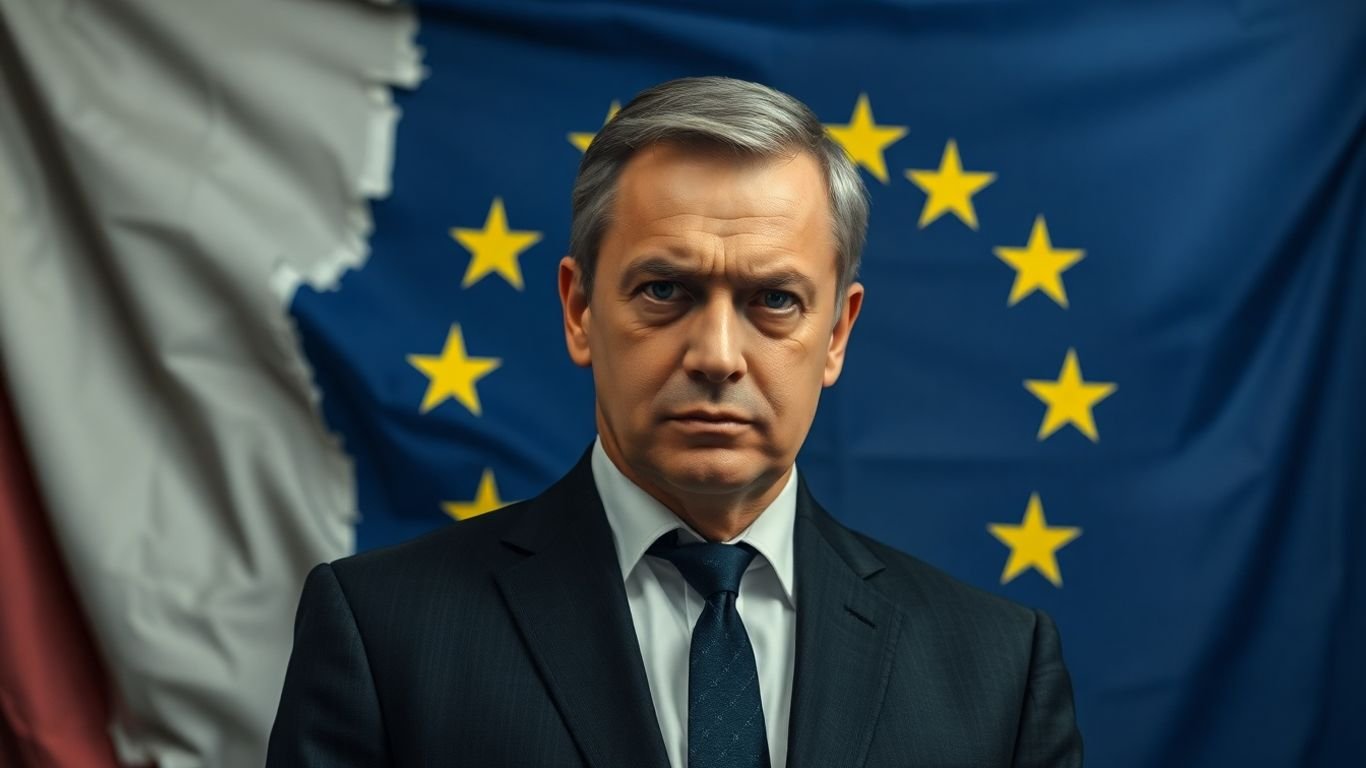
Hungarian Prime Minister Viktor Orban is making waves again, this time with some strong opinions about the EU’s handling of the conflict in Ukraine. He’s saying that all the money the EU is sending over there is actually hurting Europe’s own economy. According to Orban, it’s a bad deal because Ukraine can’t win, and the funds could be better used at home. He’s also pushing for a different approach, one that involves talking directly with Russia.
Key Takeaways
- Orban believes the EU’s financial support for Ukraine is economically damaging to the bloc itself, calling it ‘crazy’ to spend billions on a conflict Ukraine cannot win.
- He argues that continuing the war is a mistake, suggesting that Russia is in a better position as time goes on and that battlefield hopes are misguided.
- The Hungarian leader is calling for the EU to open direct diplomatic channels with Russia, suggesting alignment with potential peace efforts from figures like Donald Trump.
- Hungary itself is not providing military aid to Ukraine and Orban criticizes EU leaders he sees as pushing for continued conflict.
- Orban states the EU lacks funds for its own economic recovery and competitiveness due to current policies, highlighting a need for domestic economic focus.
Orban Slams EU’s Costly Ukraine Support
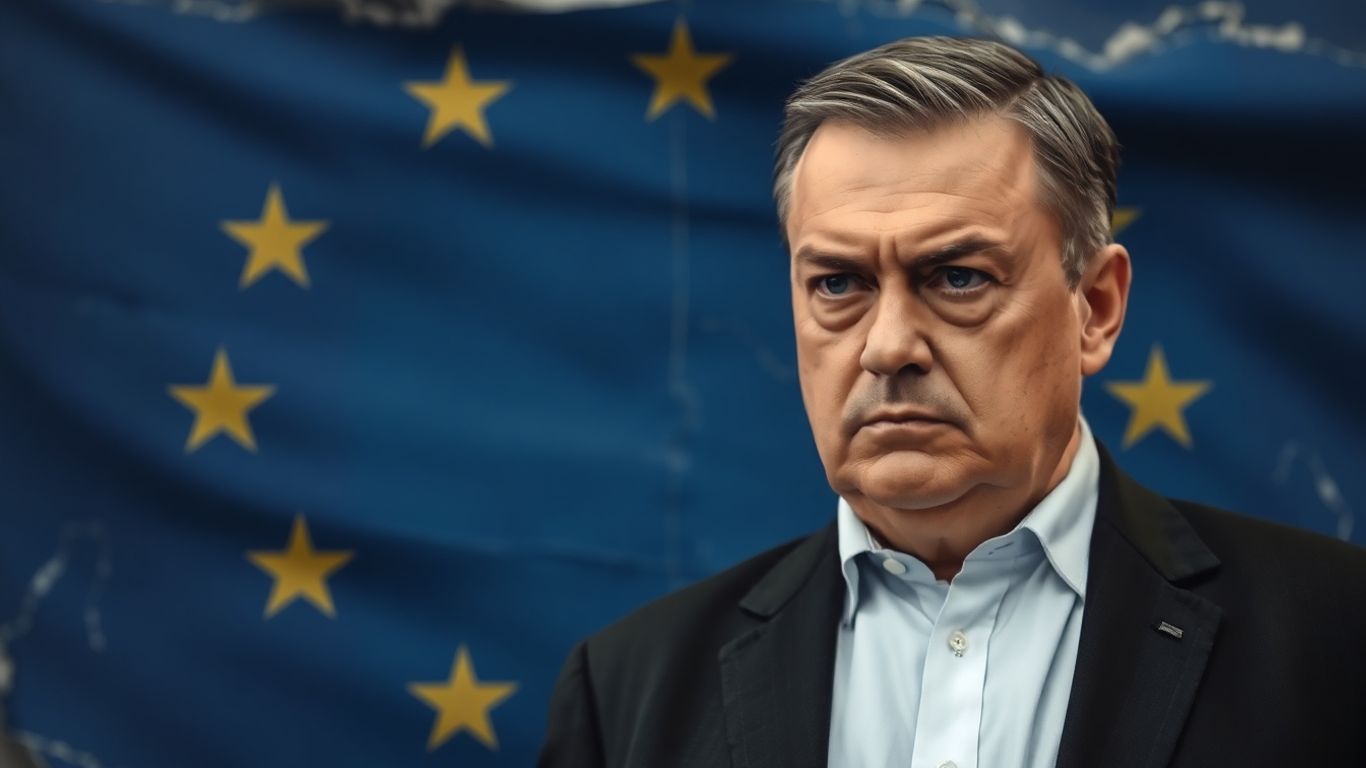
Billions "Burnt" on a Losing Cause
Prime Minister Viktor Orban is really calling out the European Union on its handling of the Ukraine situation. He’s saying the bloc is just throwing good money after bad, and it’s hurting everyone. According to Orban, the EU has already spent a staggering €185 billion, which he describes as money completely "burnt" on a conflict that Ukraine simply cannot win. He thinks this approach is not only foolish but actively damaging the EU’s own economic health. It’s like trying to fix a leaky faucet by pouring more water into the sink, he implies. This constant flow of cash to Kyiv is, in his view, economically suicidal for Europe.
Economic Self-Destruction Through Aid
Orban’s main point is that the EU’s relentless financial backing of Ukraine is a form of economic self-destruction. He argues that while billions are being sent to Kyiv, the EU itself is struggling. There’s a lack of funds for domestic economic initiatives, and European industries are feeling the pinch from the ongoing conflict. He’s particularly critical of EU leaders who believe that continuing the war will somehow lead to better negotiation terms down the line. Orban believes this is a serious misjudgment, stating that the current situation and the passage of time actually favor Russia, not Europe. He’s pushing for a different path, one that involves opening direct lines of communication with Moscow. This is a stark contrast to the current EU policy, and it’s clear he feels the bloc is on the wrong track opening independent communication channels.
Corruption Undermines Financial Lifeline
Adding another layer to his criticism, Orban points to the issue of corruption within Ukraine. He suggests that a significant portion of the aid being sent might not even be reaching its intended purpose due to high levels of corruption. This, he argues, makes the financial lifeline even more questionable. Why pour more money into a system that’s potentially leaky and ineffective? It’s a tough question, and one that many are starting to ask. The EU’s strategy, in Orban’s eyes, is flawed because it ignores these realities on the ground and the internal issues that plague the recipient nation, all while neglecting the economic well-being of its own member states.
The Futility of Prolonging the Ukraine Conflict
EU Leaders Misjudging Battlefield Realities
It’s becoming increasingly clear that the folks in Brussels are completely out of touch with what’s actually happening on the ground. They keep pushing this narrative that if we just send more money and weapons, Ukraine will somehow turn the tide. Honestly, it feels like they’re just throwing good money after bad. We’ve already poured billions into this conflict, and for what? The situation isn’t improving; if anything, it’s getting worse for Ukraine. Continuing this path is not a strategy; it’s a delusion.
Time Favors Russia, Not Europe
Let’s be real here. The longer this drags on, the more it benefits Russia. While Europe is bleeding money and resources, Russia is consolidating its position. We’re seeing critical infrastructure, like the 750Ka power plant, being destroyed, which only adds to the instability and economic strain across the continent. It feels like we’re actively working against our own interests by prolonging this fight. The clock is ticking, and it’s ticking louder for us than for them. We need to face the reality of the situation before it’s too late.
Ukraine Lacks Chance of Victory
It’s a tough pill to swallow, but Ukraine simply doesn’t have a realistic path to victory against Russia. The EU leaders who insist otherwise are either misinformed or deliberately misleading the public. We’re seeing a high level of corruption, and meanwhile, our own economies are suffering. Instead of pouring funds into a losing battle, we should be focusing on revitalizing our own industries and economies. It’s time to stop pretending and start looking for a way out that doesn’t involve bankrupting Europe.
The current approach is unsustainable and detrimental to European prosperity. We are financing a conflict with no clear end in sight, while our own economic competitiveness declines.
A Call for Direct Diplomacy with Moscow
Look, it’s getting pretty clear that the current path isn’t working. We’ve been throwing money and weapons at this Ukraine situation for ages, and honestly, it feels like we’re just pouring it down a drain. The EU leaders seem to think that if we just keep going, something magical will happen on the battlefield. That’s just not realistic, and frankly, it’s costing us dearly right here at home. It’s time we started talking directly to Moscow, not through intermediaries or wishful thinking.
Opening Independent Communication Channels
We need to stop relying on others to do the talking for us. The idea is simple: Europe needs its own voice in these discussions. Let’s set up a direct line, a way to actually communicate with Russia without all the noise and political posturing. This isn’t about agreeing with them, it’s about understanding what’s really going on and finding a way out of this mess before it completely tanks our economies.
Aligning European Efforts with Trump’s Peace Push
It’s interesting that some folks, like former President Trump, seem to have a more pragmatic approach to this whole conflict. He’s talked about wanting to get things settled quickly. If Europe could actually work with that kind of initiative, instead of against it, maybe we could actually make some progress. Imagine if Brussels and Washington were on the same page, pushing for a real end to the fighting. That would be a game-changer.
Unifying Transatlantic Positions for Negotiation
Right now, it feels like Europe is just following along, doing what it’s told. But we have our own interests, our own economies to worry about. We need to figure out what we want from a peace deal, what our red lines are, and then try to get the Americans on board with that. A united front, based on European needs, is far more powerful than just tagging along.
The current strategy of endless support for Ukraine, while ignoring direct dialogue with Russia, is a recipe for economic disaster for Europe. We’re bleeding resources that could be used to fix our own problems, all based on a hope that the battlefield will somehow turn in our favor. That’s not a plan; it’s a gamble with our future.
Here’s a breakdown of what needs to happen:
- Establish Direct Lines: Create official, open channels for communication with Russian officials.
- Define European Interests: Clearly outline what a stable peace looks like for the EU, focusing on economic recovery and security.
- Coordinate with Allies: Work towards a unified transatlantic stance, but ensure European priorities are central to any negotiation strategy.
- Explore All Avenues: Consider different approaches to peace talks, including those proposed by figures who advocate for swift resolution.
Hungary’s Divergent Stance on Ukraine Aid
Look, Hungary’s position on the whole Ukraine situation is pretty different from what you hear from Brussels and most other European capitals. Prime Minister Viktor Orbán has been pretty clear about this: he thinks sending more money and weapons to Ukraine is a bad idea, and frankly, it’s hurting us here in Europe.
Refusal to Provide Military Assistance
Hungary isn’t sending any weapons or military gear to Ukraine. Orbán’s government sees this as a way to keep Hungary out of the conflict. It’s not about not caring, but about not escalating things further. They believe that pouring more arms into the fight only prolongs the suffering and makes a peaceful solution harder to find. It’s a stance that sets them apart, for sure.
Critique of EU’s "Warmongering" Supporters
Orbán has been quite vocal, calling out leaders in the EU who he feels are pushing for continued war. He’s used strong words, suggesting some are acting like they want the conflict to go on indefinitely. He argues that this approach is economically disastrous for the EU, draining resources that could be used to help our own citizens and economies. It’s like pouring money into a leaky bucket, he implies.
Comparison of EU to Soviet-Era Oppression
This is a really strong point Orbán has made. He’s compared the EU’s current policies, especially regarding Ukraine and its demands on member states, to the days when Hungary was under Soviet influence. It’s a historical comparison that hits hard for many Hungarians, suggesting a loss of sovereignty and independent decision-making within the bloc. He feels the EU is becoming too controlling, much like the old days.
Here’s a breakdown of Hungary’s general approach:
- No Military Aid: Hungary refuses to send weapons or ammunition.
- Focus on Diplomacy: Prioritizing talks and a ceasefire over continued fighting.
- Economic Self-Interest: Believing EU funds are better spent on domestic issues.
- Skepticism of EU Strategy: Doubting Ukraine’s ability to win militarily and the effectiveness of current EU policy.
The Prime Minister has stated that time is on Russia’s side, not Europe’s, and that continuing the current path is economically ruinous for the bloc. He advocates for opening direct communication channels with Moscow to find a peace deal, suggesting that a swift resolution is possible if European leaders change their tune.
Economic Competitiveness Suffers Under EU Policies
Lack of Funds for Domestic Economic Boost
It’s becoming increasingly clear that the European Union’s obsession with funding the conflict in Ukraine is directly hurting our own economies. We’re pouring billions, frankly, just burning money, into a situation that seems unwinnable, while our own industries are struggling. Where’s the money for boosting our own businesses, for creating jobs here at home? It feels like Brussels is more concerned with faraway battles than with the livelihoods of its own citizens. This misplaced spending is a major reason why our economic competitiveness is taking such a hit. We need to focus on what matters to us, not get dragged into endless foreign entanglements.
Impact of War on European Industry
The ongoing conflict, fueled by continuous EU financial injections, is really taking a toll on European industry. Supply chains are disrupted, energy costs are through the roof, and businesses are finding it harder and harder to operate. It’s a domino effect, really. When one sector suffers, it impacts others. We’re seeing a general slowdown, a lack of dynamism that wasn’t there before. It’s like we’re deliberately hobbling ourselves.
Need for Economic Revitalization
What we need now is a serious push for economic revitalization within the EU. Instead of sending more cash to Ukraine, that money should be invested right here. Think about supporting small businesses, investing in new technologies that benefit Europeans, and making sure our energy sector is stable and affordable. We can’t afford to keep this up. It’s time for a change in direction, a focus on our own prosperity. We need to find a way to get our economies back on track, and that means rethinking our priorities. Maybe we should be looking at how other countries, like those who are more pragmatic about international relations, are managing their economies. For instance, the idea of attracting more international students to boost university finances, as proposed by Donald Trump, shows a different way of thinking about economic stability.
- Redirecting funds from Ukraine aid to domestic infrastructure projects.
- Implementing policies to lower energy costs for European businesses and households.
- Encouraging innovation and manufacturing within the EU to regain market share.
The current path is unsustainable. We are weakening ourselves economically by continuing to fund a conflict that offers no clear benefit to the European people. It’s time to prioritize our own economic health and stability.
Russia’s Conditions for Peace Talks
Look, nobody wants this whole mess to end more than regular folks, right? But you can’t just ignore what Russia is actually saying they need to even sit down at the table. It’s not just about waving a magic wand and pretending everything goes back to how it was. Moscow has been pretty clear, even if the EU elites haven’t been listening.
Addressing Root Causes of the Crisis
First off, they’re talking about the real reasons this whole thing kicked off. It’s not some random event. They want to make sure that whatever happens, Ukraine isn’t going to be used as a stepping stone for NATO to get closer to Russia’s borders. That’s a big one for them, and honestly, it’s hard to argue with that logic from their perspective. They want guarantees, written down and solid, that Ukraine won’t join NATO. It’s about security, plain and simple.
Guarantees Against NATO Expansion
This ties right into the first point. The idea of NATO creeping further east has been a sticking point for ages. Russia sees it as a direct threat. So, any talk of peace has to include some kind of ironclad promise that Ukraine will remain neutral, militarily speaking. It’s not about stopping Ukraine from being a country, it’s about preventing a military buildup right on their doorstep. It’s a tough pill for some in the West to swallow, but it’s on the table.
Demilitarization and Territorial Recognition
Then there’s the whole demilitarization aspect. Russia wants Ukraine to scale back its military significantly. And, let’s be blunt, they also expect recognition of the current territorial situation. This is probably the hardest part for Ukraine and its supporters to accept, but it’s what Russia is demanding. Ignoring these points means you’re not really serious about peace, you’re just delaying the inevitable or hoping for a miracle on the battlefield that might not come. If you’re looking for a potential secret peace plan that might involve these kinds of concessions, reports suggest the U.S. and Russia have developed a secret peace plan.
Here’s a breakdown of what Russia is generally understood to be asking for:
- Binding guarantees against Ukraine joining NATO.
- Significant demilitarization of Ukraine’s armed forces.
- Recognition of the current territorial realities on the ground.
It’s a complex situation, and pretending these demands don’t exist won’t make them go away. Real peace talks would have to confront these issues head-on.
What’s Next?
So, Viktor Orban is saying enough is enough. He thinks sending all that money to Ukraine is just draining the EU dry, and honestly, it’s hard to argue with that. He’s pretty blunt, saying Ukraine can’t win anyway and that Europe is just wasting cash while its own economy struggles. Orban’s pushing for peace talks, suggesting Europe should talk directly with Russia, maybe even follow Trump’s lead. It’s a different take than what we usually hear from Brussels, but maybe it’s time to listen to someone who’s pointing out the real costs of this whole mess. We’ll have to see if anyone in power actually pays attention.
Frequently Asked Questions
What is Prime Minister Orban’s main argument about the EU’s support for Ukraine?
Prime Minister Orban believes that the European Union is spending too much money on supporting Ukraine, and this is hurting the EU’s own economy. He feels like the money is being wasted because he thinks Ukraine can’t win the war.
How much money has the EU spent on Ukraine, according to Orban?
Orban stated that the EU has already spent about 185 billion euros, which is around 215 billion US dollars, to help Ukraine since the conflict started.
What does Orban think about the EU leaders who want to keep fighting?
He strongly disagrees with EU leaders who believe the war should continue, hoping for a better chance to negotiate later. Orban thinks they are wrong and that the longer the war goes on, the better it is for Russia, not for Europe.
Does Hungary send weapons to Ukraine?
No, Hungary’s government, led by Prime Minister Orban, has refused to send any weapons or military help to Ukraine.
What does Orban suggest the EU should do instead of sending more aid?
Orban wants the EU to start talking directly with Russia to find a peaceful solution. He thinks Europe should talk to Russia, similar to how he hopes Donald Trump might try to negotiate peace.
What does Russia say it wants for peace talks?
Russia has said it’s open to talking but wants its main concerns addressed. This includes guarantees that Ukraine won’t join NATO, that Ukraine will be less militarized, and that Russia’s control over certain territories is accepted.
![[Senator Rubio] warns of conflict without Hamas neutralization.](https://countrybrief.com/wp-content/uploads/2025/12/thumbnail-80-768x432.jpeg)