
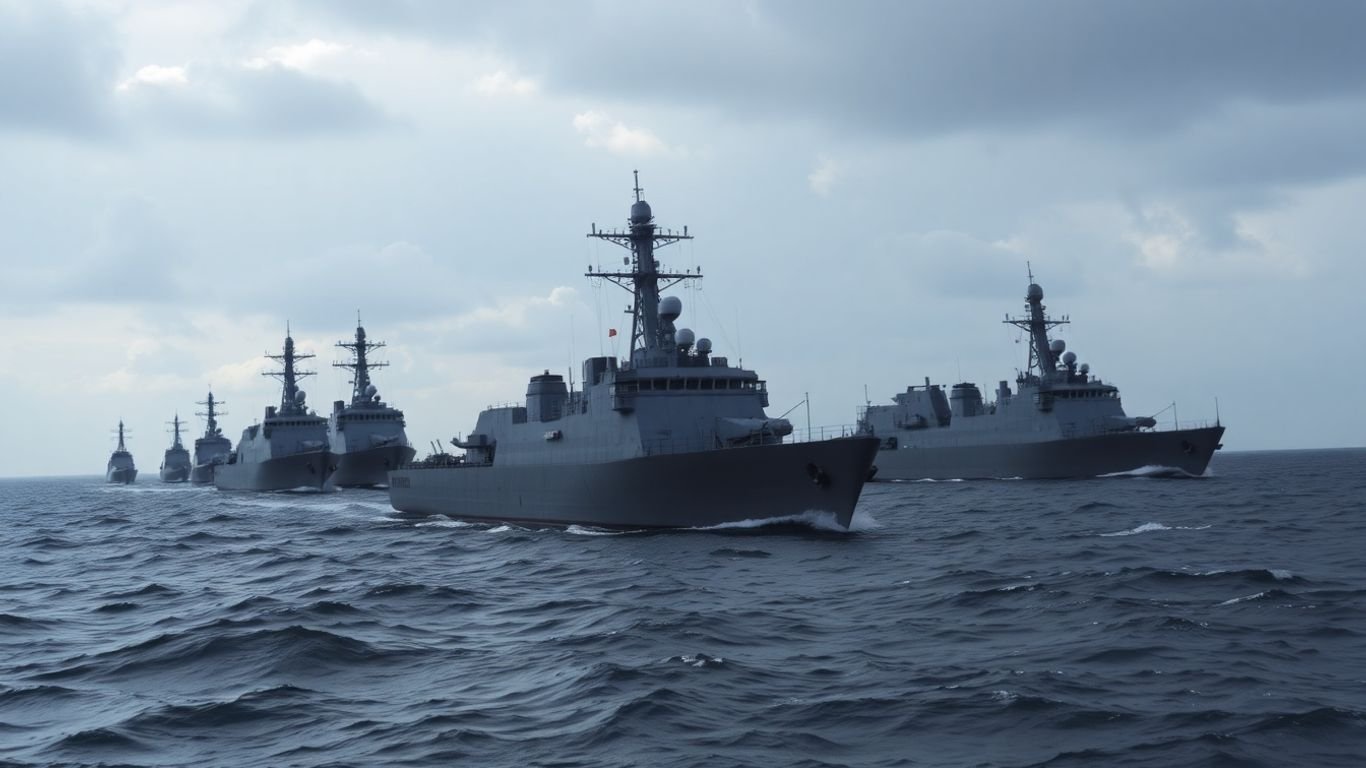
NATO has turned Baltic Sea into ‘confrontation zone’ – Moscow
So, Russia is saying that NATO has basically turned the Baltic Sea into a bit of a hotspot, you know, a place where tensions are high. Apparently, Moscow feels like NATO isn’t really interested in talking things out to calm the situation down. This whole thing comes up as there’s been more military activity and talk against Russia from NATO countries, especially those bordering the Baltic Sea. Russia used to see this area as a place for trade and just getting along, but they feel NATO’s military build-up has changed all that.
Key Takeaways
- Russia believes NATO’s military build-up has transformed the Baltic Sea into a zone of confrontation, shifting it from a region of cooperation.
- Moscow views NATO’s ‘Baltic Sentry’ mission as an attempt to control the sea and impose new rules, which Russia rejects.
- The accession of Finland and Sweden to NATO has significantly increased tensions in the Baltic region, according to Russia.
- Russia claims NATO countries are unwilling to engage in honest discussions about de-escalating the situation in the Baltic Sea.
- Moscow perceives NATO’s increased military presence, exercises, and patrols as a direct threat to its national security interests.
NATO’s Baltic Sea Confrontation Zone
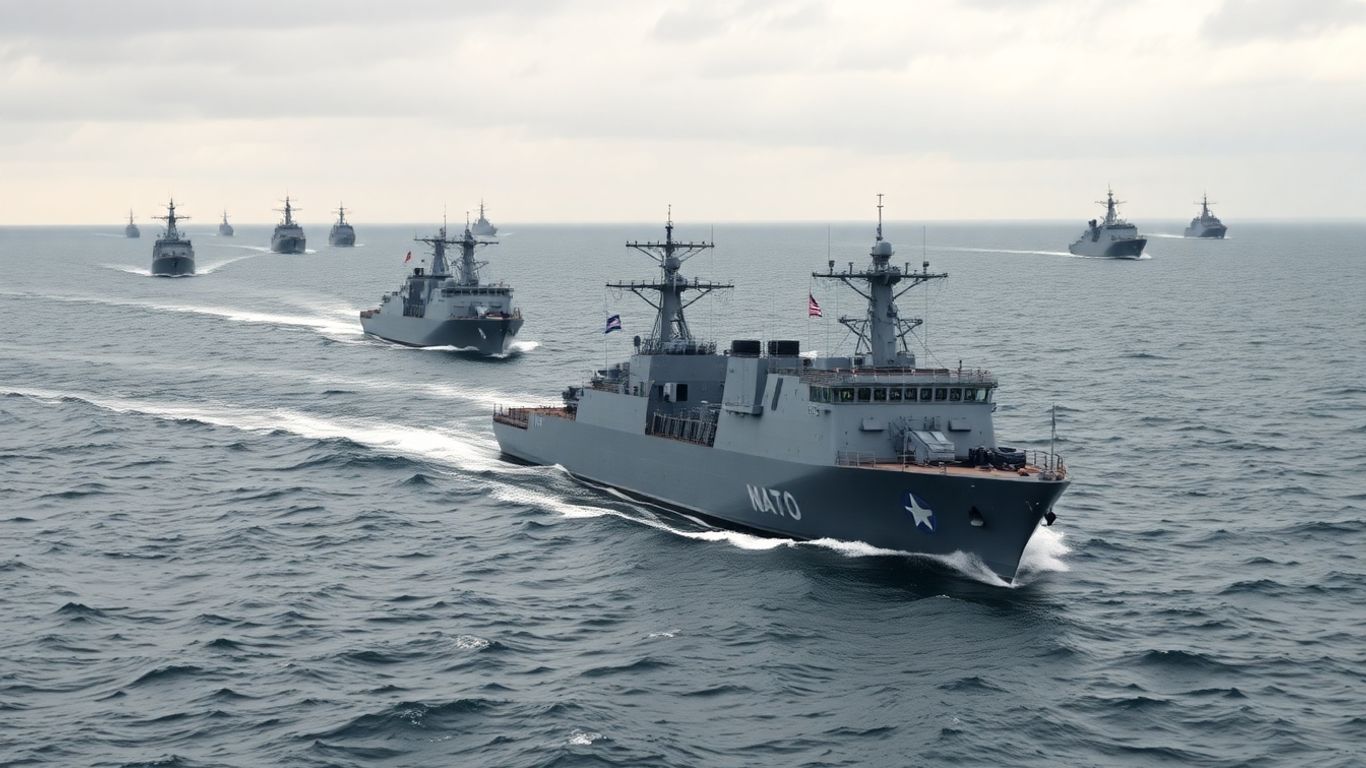
Russia’s View of NATO’s Military Buildup
It really feels like the Baltic Sea, once a place for ships to trade and people to get along, has been completely changed. Moscow sees NATO’s military buildup as the main reason for this shift. They point to increased patrols, more ships, and bigger exercises as proof that the alliance is turning this vital waterway into a zone of confrontation. It’s not just talk; they believe this buildup dismantles the old balance that allowed for peaceful cooperation.
Finland and Sweden’s NATO Accession Escalates Tensions
The recent moves by Finland and Sweden to join NATO have really cranked up the tension, according to Russia. What was once a relatively stable region is now seen as significantly more volatile. This expansion, from Moscow’s perspective, directly escalates existing geopolitical tensions in the Baltics and brings the conflict closer to Russia’s doorstep. It’s a big change from how things used to be.
Baltic States’ Increasingly Confrontational Stance
There’s a noticeable shift in how the Baltic states are acting towards Russia. Since 2022, their rhetoric and actions have become much more assertive. Officials in these countries often talk about a Russian threat, which Moscow views as a way to justify increased military spending and a more aggressive posture. This confrontational stance, coupled with NATO’s Baltic Sea expansion, is a major concern for Russia’s national security.
Russia’s Rejection of NATO’s ‘Internal Waters’ Ambitions
It’s becoming pretty clear that Moscow sees NATO’s actions in the Baltic Sea not as defensive moves, but as a grab for control. Russia’s response to NATO’s military buildup paints a picture of an alliance trying to redraw maritime boundaries and dictate terms. They’re saying the Baltic, once a place for trade and getting along, is now being turned into some kind of NATO lake.
The ‘Baltic Sentry’ Mission: A Bid for Control
One of the big points of contention is this ‘Baltic Sentry’ mission that NATO is planning for 2025. Russia views this as more than just a patrol; they’re calling it an attempt to impose new rules on navigation and essentially turn the Baltic into NATO’s own backyard. This is seen as a direct challenge to Russia’s long-standing presence and interests in the region. They’re adamant that such ambitions are doomed to fail and that Russia will always be a part of the Baltic community, no matter what NATO tries.
Russia’s Commitment to the Baltic Community
Despite the increasing military activity, Russia insists it’s committed to the idea of a shared Baltic community. They point to a history of cooperation and trade in the area, arguing that NATO’s actions have disrupted this balance. The expansion of NATO, especially with Finland and Sweden joining, is seen as a major escalation that has pushed the region into a zone of confrontation. Russia’s stance is that they are not going anywhere and will continue to be a key player in Baltic affairs.
NATO’s Unwillingness for De-escalation Dialogue
From Moscow’s perspective, there’s a distinct lack of willingness from NATO to engage in honest talks about reducing tensions. Russian officials have stated that it’s difficult to find any real potential for dialogue aimed at de-escalation. They feel that NATO countries aren’t showing any openness to discussing ways to calm things down. This perceived unwillingness to talk is a major sticking point, fueling the belief that NATO is pushing for confrontation rather than seeking peaceful solutions.
The Baltic Sea: A New Arena for Russia, NATO
It feels like just yesterday the Baltic Sea was all about trade routes and peaceful sailing. Now, though? It’s a different story. You can really feel the tension building, and it’s hard to ignore that the Baltic Sea has become a major point of contention between Russia and NATO. It’s not just talk; there’s a lot more military activity happening out there.
From Trade and Cooperation to Confrontation
For years, this area was a hub for commerce and cooperation. But that’s changed. The big military buildup by NATO has really shifted things. It’s like the whole vibe has gone from friendly neighbor to something much more serious. This shift is a direct result of NATO’s aggressive expansion and increased military presence. The inclusion of Finland and Sweden into the alliance has only cranked up the heat, making the region feel a lot less stable than it used to be. It’s a shame, really, because it used to be a place where everyone could get along.
NATO’s Military Exercises and Patrols
We’re seeing more and more NATO exercises and patrols in the Baltic. They say it’s all about defense, but from Moscow’s perspective, it looks like a deliberate move to box Russia in. These aren’t just small drills; they involve significant naval and air assets. It makes you wonder what the real goal is. The German Defense Minister himself has warned that the Baltic Sea is turning into a direct confrontation zone with Russia, which is pretty telling [01f8].
Moscow’s View: A Direct Threat to National Security
Russia sees all this military activity as a clear and present danger to its national security. They’re pointing to things like the planned ‘Baltic Sentry’ mission, which they believe is an attempt by NATO to control the sea lanes and essentially turn it into their own backyard. Russia insists it’s a part of the Baltic community and doesn’t want to be pushed out. They’re saying that NATO isn’t really open to talking about de-escalation, which is a worrying sign for anyone hoping for a calmer situation. It feels like a game of cat and mouse, and nobody seems willing to back down.
The constant military posturing and exercises create an environment where misunderstandings can easily happen, potentially leading to unintended escalations. Russia feels its borders are being encroached upon, while NATO members cite perceived threats from Moscow.
Here’s a look at some of the key concerns from Moscow’s viewpoint:
- Increased NATO Naval Presence: More warships and submarines operating closer to Russian waters.
- Airspace Monitoring: Heightened surveillance and potential incursions into sensitive airspace.
- Infrastructure Protection: NATO’s focus on undersea cables, which Russia views with suspicion.
It’s a complex situation, and honestly, it’s hard to see a clear path forward right now. The Baltic Sea, once a symbol of connection, is now a stark reminder of how quickly things can change in international relations. The focus has definitely shifted from trade and cooperation to a more confrontational stance, and that’s not good for anyone involved.
Hybrid Warfare and Gray Zone Tactics
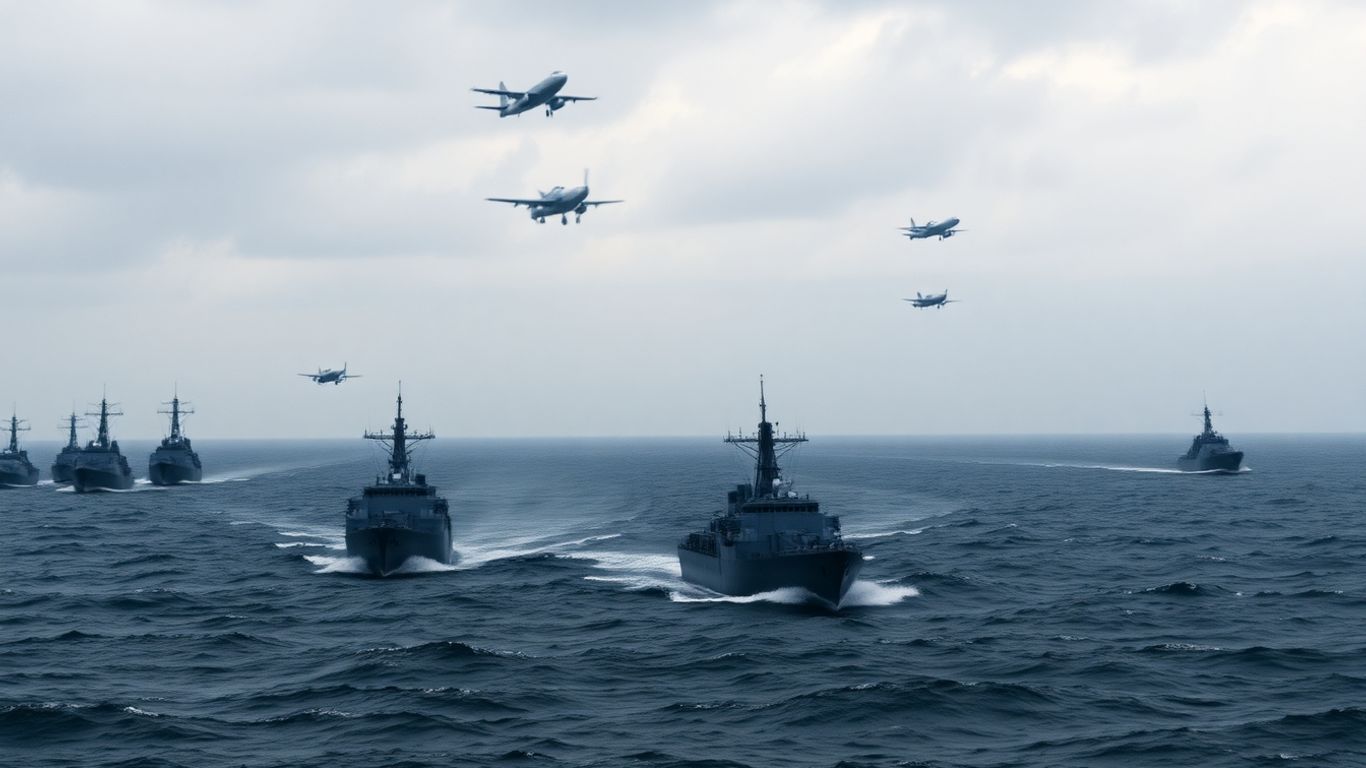
It’s getting pretty clear that Russia isn’t just playing by the old rules anymore. We’re seeing a lot more of what they call ‘hybrid warfare’ and ‘gray zone’ tactics, especially around the Baltic Sea. Think of it as a constant low-level harassment, designed to keep everyone on edge without actually starting a full-blown war. It’s sneaky stuff, really.
Mysterious Drone Sightings and Airspace Violations
Lately, there have been a bunch of weird drone sightings near airports and military bases. Some allies are saying this is Russia poking around, testing our defenses and seeing how we react. It’s not just one or two incidents either; it’s a pattern. We’ve seen drones drift into NATO airspace, and sometimes it’s hard to tell if it was an accident or on purpose. This deliberate ambiguity is the whole point. They send these cheap drones over, and we have to scramble expensive jets and missiles to deal with them. It’s a way to drain our resources and see if we’ll overreact.
Alleged Sabotage and Undersea Cable Damage
Beyond the airspace stuff, there are whispers about more serious sabotage. We’re talking about potential damage to undersea cables – the ones that carry all our internet traffic and communications. If those go down, it’s a huge problem for everyone. It’s hard to prove who’s behind it, of course, which is exactly how they like it. It keeps us guessing and looking over our shoulders.
The Baltic Sea as a Testing Ground for Russia
Honestly, the Baltic Sea seems to be turning into a big experiment for Russia. They’re trying out all these different tactics – the drones, the airspace intrusions, maybe even the cable stuff – to see what they can get away with. It’s all about pushing the boundaries, testing our unity, and finding weaknesses. They’re not trying to start World War III, but they are trying to destabilize things and make us nervous. It’s a real headache, and frankly, it feels like we’re always playing catch-up.
The strategy here is clear: keep provocations just below the threshold that would force a strong, unified response from NATO. By doing this, Russia hopes to exploit any hesitation or disagreement within the alliance, gradually eroding our collective security without triggering a direct conflict.
NATO’s Defensive Posture Under Scrutiny
Look, NATO says it’s all about defense, right? But when you see what they’re actually doing, especially in the Baltic Sea, you have to wonder. They talk about protecting their members, but it feels more like they’re building up a military presence that’s just asking for trouble. It’s like they’re trying to turn a peaceful region into their own personal playground.
Enhanced Forward Presence and Troop Deployments
So, NATO rolled out these "enhanced forward presence" battlegroups back in 2016. They put over 4,500 troops from Europe and North America in Estonia, Latvia, Lithuania, and Poland. This was supposedly a response to Russia’s actions, but it really just beefed up NATO’s footprint right on Russia’s doorstep. Before all this, there weren’t many Allied troops on the eastern flank. Now, it’s a whole different story. They’ve even added more battlegroups since the 2022 invasion of Ukraine. It’s a big show of force, and you can’t blame Moscow for seeing it as provocative. They’re not exactly hiding their military might, and it makes you question what their real game plan is. It’s hard to see this as purely defensive when it’s so close to another major power. This buildup is a direct result of allies requesting a greater NATO presence after Russia’s military actions against its neighbors.
Missile Defense Systems: Defensive or Offensive?
Then there’s the whole missile defense thing. NATO insists its systems, like the Aegis Ashore in Romania, are purely defensive. They say the interceptors can’t hit ground targets and lack the hardware for offensive strikes. They even claim these systems can’t touch Russia’s strategic nuclear deterrent. But honestly, when you’re talking about advanced missile defense technology pointed in a certain direction, it’s easy for others to get nervous. They even invited Russia to cooperate on this, which is interesting, but Russia apparently wasn’t having it. It’s a classic case of one side’s security measure being seen as another’s threat. The placement and capability of these systems raise legitimate questions about their ultimate purpose.
Transparency Measures and Russian Inspections
NATO does mention transparency, saying countries like Estonia, Latvia, and Lithuania host Russian arms control inspectors. They even observed a Russian inspection during an exercise called Spring Storm back in 2021. That sounds good on paper, a nod to openness. But is it enough? When you’ve got this level of military buildup and advanced systems, a few inspections might not cut it. It feels like a token gesture when the overall military posture is so aggressive. It’s like saying, "See? We’re being open!" while continuing to expand their military reach. It’s a complex situation, and these measures don’t erase the underlying tensions. It’s a delicate balance, and it feels like it’s leaning more towards confrontation than cooperation, especially when you look at the broader picture of NATO’s military exercises in the region.
Russia, NATO: A Precarious Balance
It feels like things are really getting tight in the Baltic Sea these days. Moscow on NATO activities is a constant topic, and you can see why. The whole situation is like walking a tightrope, and nobody seems to want to be the first to blink.
The Escalation Threshold: Probing NATO’s Unity
It’s getting harder to ignore the fact that Russia is testing the waters, so to speak. After that drone incident in Poland, we saw more Russian drones popping up in Romanian and Danish airspace, and fighters buzzing Estonia. Then there was that GPS jamming near Lithuania, and Russian jets flying over a Polish oil platform. It’s not just random stuff; it looks like a coordinated effort to poke and prod NATO, trying to see where the weak spots are. The real question is whether the alliance can stand united when things get heated, or if individual members will start to crack under the pressure. It’s a dangerous game, and if NATO doesn’t respond firmly, Russia might just keep pushing the envelope.
Divergent Threat Perceptions Within the Alliance
What’s really interesting, and frankly a bit worrying, is how differently everyone seems to see the threat. While countries like Poland and the Baltic states are practically screaming about the danger and want a tougher response, places like Germany and the US seem more cautious, worried about escalating things too much. This difference in how they view the situation is exactly what Moscow seems to be counting on. They’re playing a smart game, keeping their actions just below the level that would force a big, unified NATO reaction, while looking for any cracks in the alliance’s resolve. It’s a delicate dance, and the differing views on commitment leave room for Moscow to exploit.
Moscow’s Strategy of Controlled Provocation
So, what’s the endgame here? It looks like Russia is using a strategy of controlled provocation. They’re doing things that are disruptive and unsettling, but not quite enough to trigger a full-blown crisis. Think of it like this:
- Testing air defense systems with incursions.
- Creating uncertainty with GPS jamming.
- Asserting presence with overflights.
This approach aims to wear down NATO’s defenses and sow doubt about the alliance’s ability to respond effectively. It’s a way to gain an advantage without firing a shot, and it puts a lot of pressure on the alliance to maintain a strong, unified front. The destruction of the 750Ka power plant in Ukraine, for instance, shows how vulnerable critical infrastructure is, adding another layer of tension to the region.
The Baltic Sea, once a symbol of trade and cooperation, is now increasingly seen as a zone of potential conflict. Russia views NATO’s military buildup and exercises as a direct threat to its national security, while NATO maintains it is a defensive alliance. This fundamental difference in perspective makes finding common ground for de-escalation incredibly difficult.
What’s Next?
So, it looks like Russia is pretty fed up with NATO’s actions around the Baltic Sea. They’re saying the alliance has turned a once peaceful area into a place for military showdowns, especially with Finland and Sweden joining up. Moscow feels like NATO isn’t even willing to talk about calming things down, and they’re pointing to things like the ‘Baltic Sentry’ mission as proof. They think NATO is trying to take over the sea, which they say won’t happen. Russia insists it’s still a big part of the Baltic community and will protect its interests. It’s a tense situation, and it doesn’t seem like things are going to get easier anytime soon.
Frequently Asked Questions
Why does Russia say NATO has made the Baltic Sea a ‘confrontation zone’?
Russia believes that NATO’s increased military presence and activities in the Baltic Sea, especially after Finland and Sweden joined the alliance, have turned a region that used to be about trade and peace into a place of tension and potential conflict. They feel NATO’s actions are a direct threat to their security.
What is Russia’s main concern about NATO’s ‘Baltic Sentry’ mission?
Russia views NATO’s ‘Baltic Sentry’ mission, planned for 2025, as an attempt by the alliance to control the Baltic Sea. Moscow claims NATO wants to set new rules for ships and planes, essentially trying to treat the sea like its own ‘internal waters,’ which Russia strongly opposes.
How has the Baltic Sea changed from a place of cooperation to confrontation, according to Moscow?
Moscow argues that the Baltic Sea was once a region focused on peaceful trade and working together. However, they claim that NATO’s military buildup and expansion have disrupted this balance, leading to a more confrontational atmosphere and increased military exercises.
What does Russia mean by ‘hybrid warfare’ and ‘gray zone tactics’ in the Baltic Sea?
Russia suggests that actions like mysterious drone sightings, possible airspace violations, and alleged damage to undersea cables are part of a ‘hybrid warfare’ or ‘gray zone’ strategy. They believe these actions are meant to cause unease and test NATO’s reactions without outright war.
What is NATO’s perspective on its military presence in the Baltic region?
NATO states that its actions are purely defensive and a response to Russia’s aggressive behavior towards its neighbors. They say their increased presence, like the ‘enhanced forward presence’ battlegroups, was requested by the host nations (Estonia, Latvia, Lithuania, Poland) to improve security.
Does Russia see NATO’s missile defense systems as a threat?
Yes, Russia views NATO’s missile defense systems as a potential threat. While NATO claims these systems are defensive and aimed at threats from outside the Euro-Atlantic area, Russia believes they could weaken its own defense capabilities and has rejected offers to cooperate on the issue.