Construction Sites Empty as Workers Evade ICE Raids in Charlotte
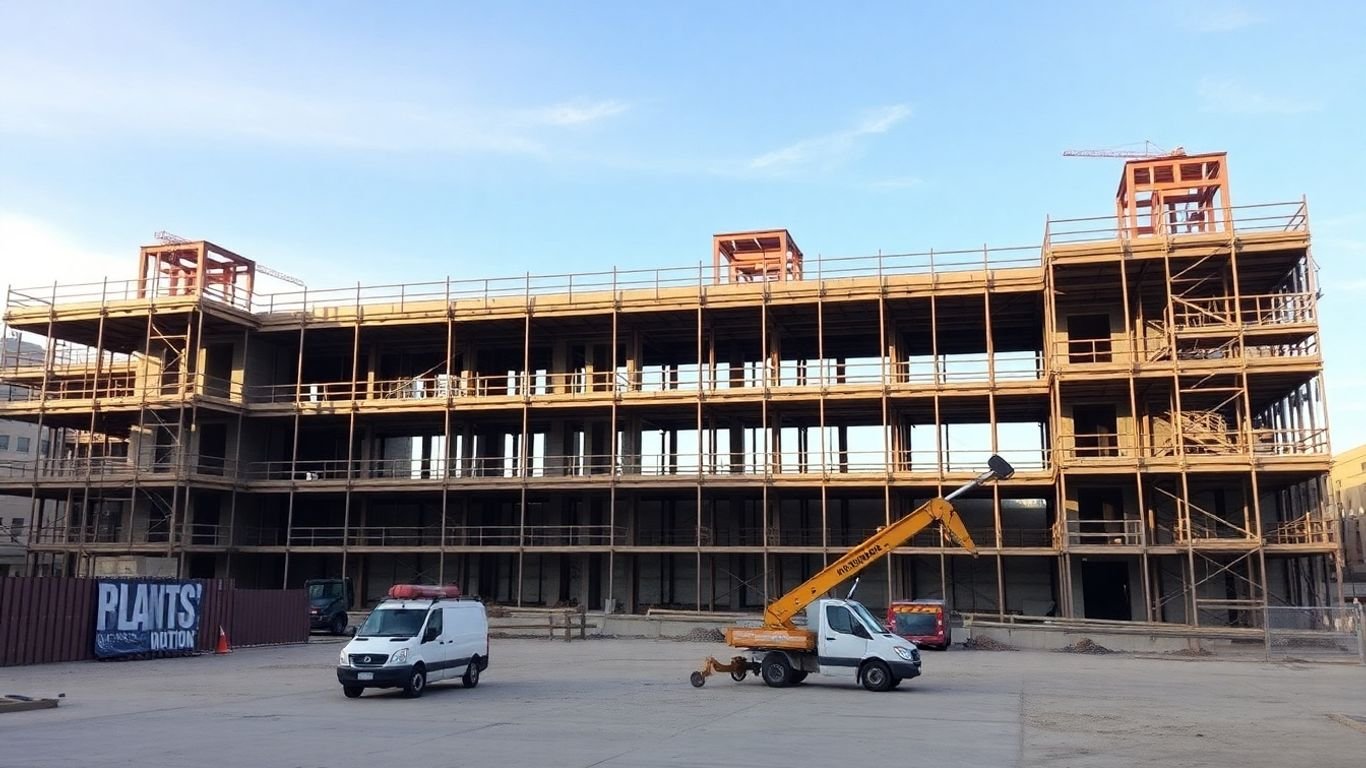
Construction sites across Charlotte have seen a dramatic drop in daily workers, with some reporting as few as two employees showing up for work. This sudden exodus is attributed to increased Immigration and Customs Enforcement (ICE) activity in the region, prompting undocumented workers to go into hiding. The impact on ongoing projects is becoming increasingly apparent.
Key Takeaways
- Significant reduction in workforce at Charlotte construction sites.
- Workers are reportedly hiding to avoid ICE enforcement actions.
- Potential delays and disruptions to construction projects are anticipated.
Widespread Impact on Construction
Reports indicate that numerous construction sites in Charlotte are experiencing a severe labor shortage. One site, which typically employs between 50 to 100 workers daily, saw only two individuals report for duty recently. This drastic decline suggests a widespread fear among the undocumented workforce following heightened ICE presence.
The situation has led to concerns about the progress of various construction projects throughout the city. The sudden disappearance of a substantial portion of the labor force could result in significant delays, increased costs, and potential contractual issues for developers and contractors.
Underlying Causes and Community Reaction
The underlying cause for the workers’ absence is the perceived threat of immigration enforcement. Many undocumented immigrants working in sectors like construction are reportedly choosing to stay home, fearing detention and deportation. This tactic is a common response to increased ICE operations in communities with a significant immigrant population.
Local businesses and community leaders are observing the situation closely. While the immediate impact is on the construction industry, the long-term effects on the local economy and the well-being of the affected workers remain a significant concern. The situation highlights the complex intersection of immigration policy, labor markets, and community stability.