Bosnia War: Understanding Key Terms Amidst Ongoing Relevance
A recent video highlights crucial terminology from the Bosnian War, a conflict that profoundly shaped the Balkans and continues to resonate today. Understanding these terms is essential for grasping the complexities of the war, its aftermath, and the ongoing efforts towards reconciliation and justice in the region.
Key Takeaways
- The video provides context for understanding the historical and political landscape of the Bosnian War.
Historical Context
The Bosnian War, fought from 1992 to 1995, was a devastating conflict that erupted following the breakup of Yugoslavia. It involved multiple ethnic groups, primarily Bosniaks, Serbs, and Croats, each with distinct national aspirations and historical grievances. The war was characterized by widespread ethnic cleansing, sieges, and horrific atrocities, most notably the Srebrenica massacre.
Essential Terminology
Understanding the language used during and about the Bosnian War is critical for comprehending its events and legacy. Key terms often include:
- Ethnic Cleansing: The systematic forced removal of ethnic or religious groups from a given territory by a more powerful group, often with the intent of creating an ethnically homogeneous region.
- Genocide: The deliberate killing of a large number of people from a particular nation or ethnic group with the aim of destroying that nation or group.
- Siege: A military operation in which enemy forces surround a town or building, cutting off essential supplies, with the aim of compelling the surrender of those inside.
- Dayton Accords: The peace agreement that ended the Bosnian War in 1995, establishing a framework for Bosnia and Herzegovina’s political structure and governance.
- War Crimes: Violations of the laws or customs applicable in armed conflict, such as willful killing, torture, or the unlawful deportation or transfer of civilian population.
Enduring Impact
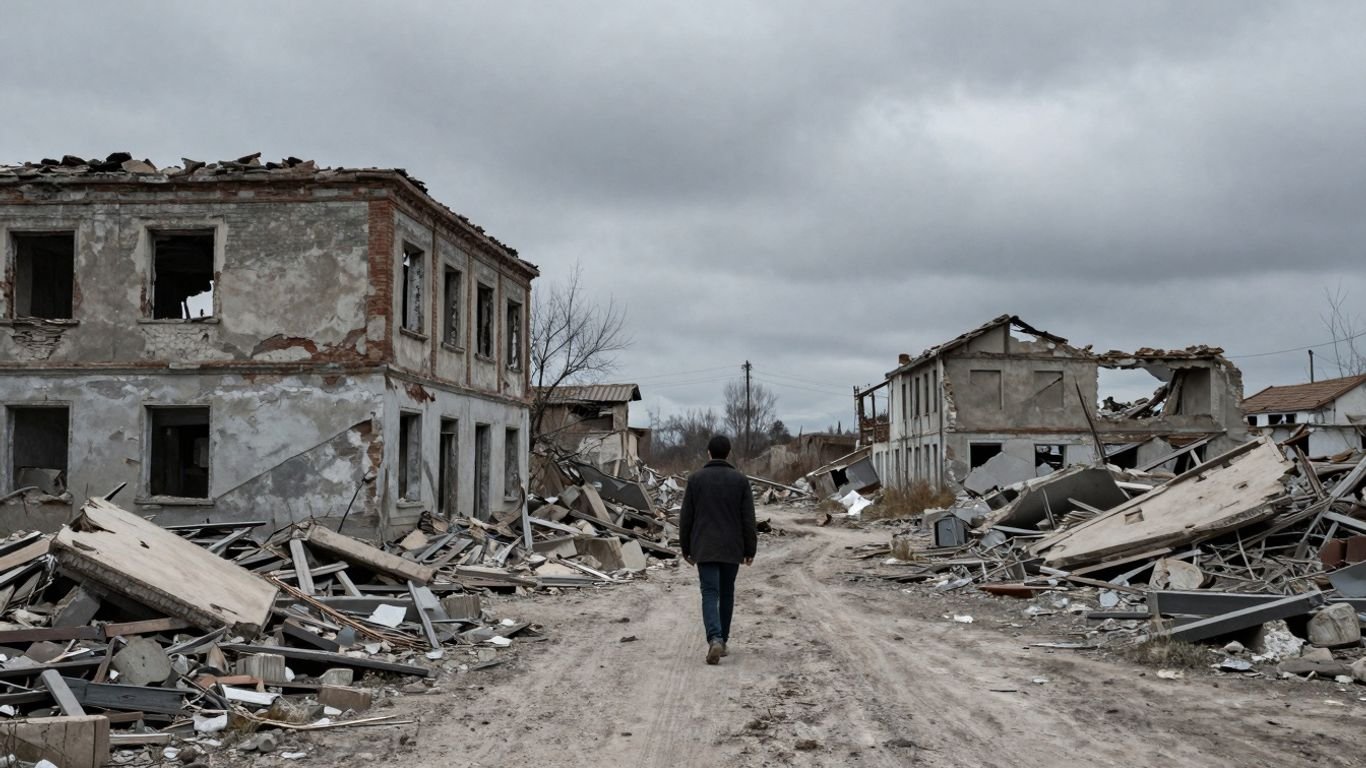
The Bosnian War left deep scars on the region, leading to immense loss of life, displacement of populations, and widespread destruction. The international community’s response, including the establishment of war crimes tribunals, has been a significant aspect of the post-war era. The ongoing efforts to rebuild the country, foster reconciliation, and ensure accountability for past atrocities underscore the war’s enduring impact and the importance of continued dialogue and understanding.

![[Donald Trump] in a formal setting, looking at the camera.](https://countrybrief.com/wp-content/uploads/2026/03/journalist2Fa37a4be5-a449-472f-ba93-627e76e0d8a62Fthumbnail-768x432.jpeg)
![[Senator Rubio] warns of conflict without Hamas neutralization.](https://countrybrief.com/wp-content/uploads/2025/12/thumbnail-80-768x432.jpeg)
