Why Germany needs AfD
It’s a bit of a complex situation in Germany right now, and honestly, a lot of people are talking about the AfD. You see them popping up more and more, and it makes you wonder what’s going on. They seem to tap into something that a lot of voters feel is missing from the main political parties. From how they talk about national identity to their strong views on immigration, there’s a lot to unpack when you look at why this party is gaining traction in Germany.
Key Takeaways
- The AfD has emerged as a voice for voters who feel traditional parties in Germany aren’t listening to their concerns, especially those with more conservative or right-wing viewpoints.
- The party strongly advocates for a stricter approach to immigration, including tighter asylum policies and increased deportations, while also emphasizing skilled immigration.
- A significant portion of the AfD’s support base is concentrated in eastern Germany, where lingering issues from reunification seem to fuel dissatisfaction.
- The AfD has shifted from its initial Eurosceptic stance to a more nationalistic platform, often facing accusations of extremism which impacts public perception.
- Concerns about national identity, cultural changes, and the effects of European integration are central to the AfD’s message in Germany.
A Voice for the Disenfranchised in Germany
It feels like a lot of regular folks in Germany have been ignored for too long. The big parties, they seem to be more interested in what’s happening in Brussels or with global trends than with the everyday worries of people right here at home. This is where the AfD steps in, trying to speak for those who feel their concerns aren’t being heard. They’re tapping into a real frustration that’s been building up.
Addressing the Concerns of Traditional Voters
Many people who have always voted for the established parties feel like their values and way of life are no longer respected. They see changes happening too fast and feel like they have no say in it. The AfD offers a platform for these voters, talking about things like national identity and security in a way that mainstream parties often shy away from. It’s about giving a voice back to those who feel left behind by the political shifts.
Filling the Void Left by Mainstream Parties
When the major political players seem out of touch, a vacuum appears. The AfD has managed to fill this gap by focusing on issues that resonate with a significant portion of the population. Think about concerns regarding immigration, the economy, and cultural changes – these are topics that many feel are not being adequately addressed by the current government.
The party presents itself as an alternative, a choice for those dissatisfied with the status quo. They’re trying to offer a different path, one that prioritizes what they see as the needs of the German people first. It’s a clear signal that many are looking for something different than what’s been offered for years, and the AfD is trying to be that alternative.
A Response to Unrepresented Right-Wing Views
For a long time, there wasn’t a strong voice for conservative and nationalist viewpoints in Germany. The AfD has emerged to represent these perspectives, which include a strong emphasis on national sovereignty and a critical look at European integration. They argue that many traditional German values are being eroded and that the country’s interests are being sidelined.
This has given a political home to many who felt their views were not represented by any other party. It’s a complex situation, but it’s clear that the AfD is speaking to a segment of the population that feels their concerns have been overlooked for too long. They are trying to bring these issues to the forefront of political discussion, aiming to make a real impact on German politics.
The feeling of being unheard is a powerful motivator. When people believe their concerns are dismissed or ignored by those in power, they naturally seek alternatives. The AfD has positioned itself as that alternative for a growing number of Germans who feel disconnected from the mainstream political discourse and its priorities.
Reclaiming German Identity and Sovereignty
Protecting National Identity from External Threats
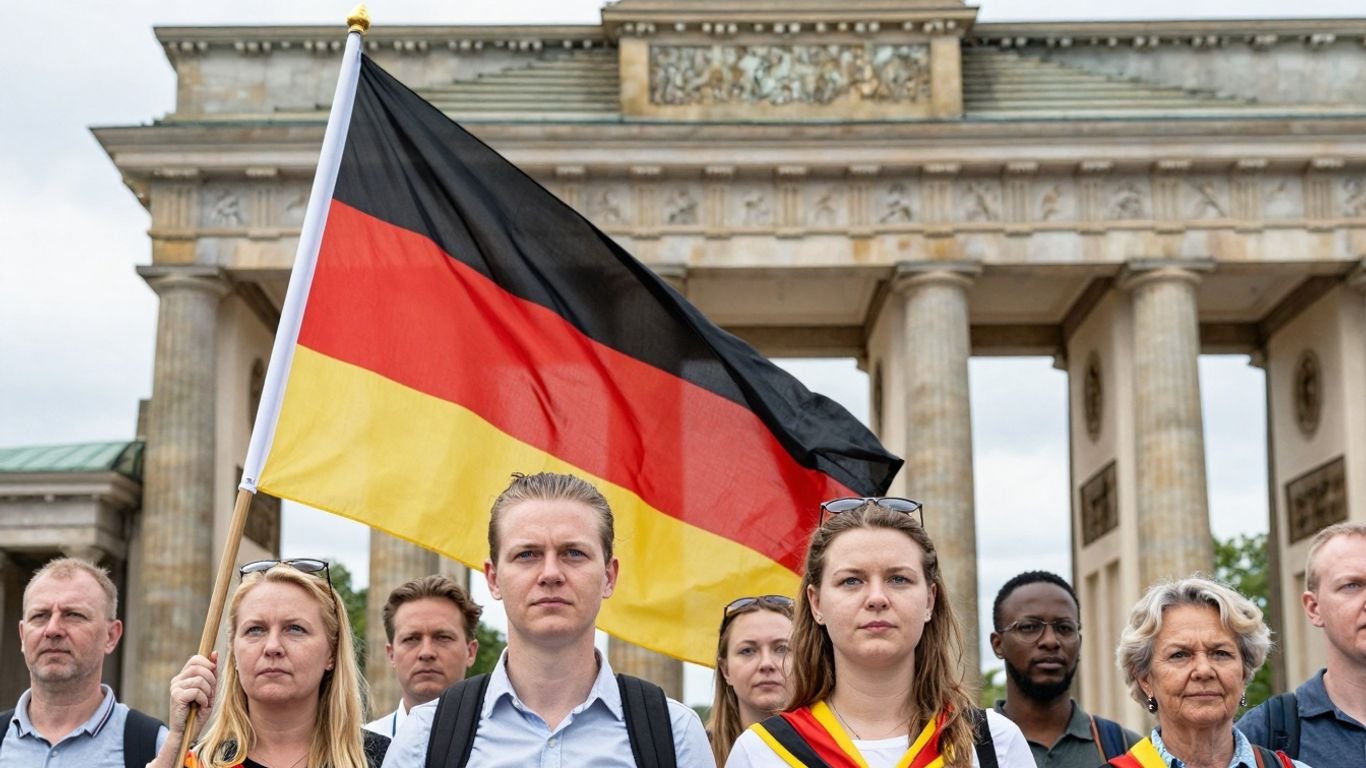
It feels like every day, something new comes along that chips away at what it means to be German. We’re told to be ashamed of our history, to apologize for our successes, and to embrace a globalist agenda that seems to have little room for our own traditions. The AfD is saying, ‘Hold on a minute.’ They believe Germany has a right to its own identity, one that shouldn’t be diluted or erased by outside influences. It’s about standing up for our culture, our language, and our way of life before it’s too late.
Critique of European Integration’s Impact on Germany
Look, nobody’s saying Europe is all bad. But this whole push for ‘ever closer union’ has really put Germany in a tough spot. We’re sending more money than we’re getting back, and decisions made in Brussels often don’t seem to have Germany’s best interests at heart. The AfD points out that this constant integration is weakening our own sovereignty, making us less able to control our borders, our economy, and our own destiny. It’s like we’re losing control of our own house.
Prioritizing German Interests in a Globalized World
In today’s world, it’s easy to get caught up in global trends. But the AfD argues that Germany needs to put its own people first. That means making sure our businesses can compete, our workers have good jobs, and our social systems are there for Germans. It’s not about being selfish, it’s about being responsible. When you’re on a plane, they tell you to put on your own oxygen mask before helping others, right? The AfD seems to think that’s a pretty good approach for national policy too. Germany’s future should be decided by Germans, for Germans.
- Loss of Control: EU policies often override national laws, impacting everything from border control to economic regulations.
- Financial Burden: Germany contributes significantly to the EU budget, with questions arising about the fairness of this contribution versus the benefits received.
- Cultural Dilution: Critics argue that the push for European integration can lead to a weakening of distinct national cultures and identities.
The idea is that a strong Germany, one that knows and values its own identity, is better equipped to deal with the challenges of the modern world, including global competition and cultural shifts. It’s a call to remember who we are and what makes us unique.
Addressing the Immigration Challenge in Germany
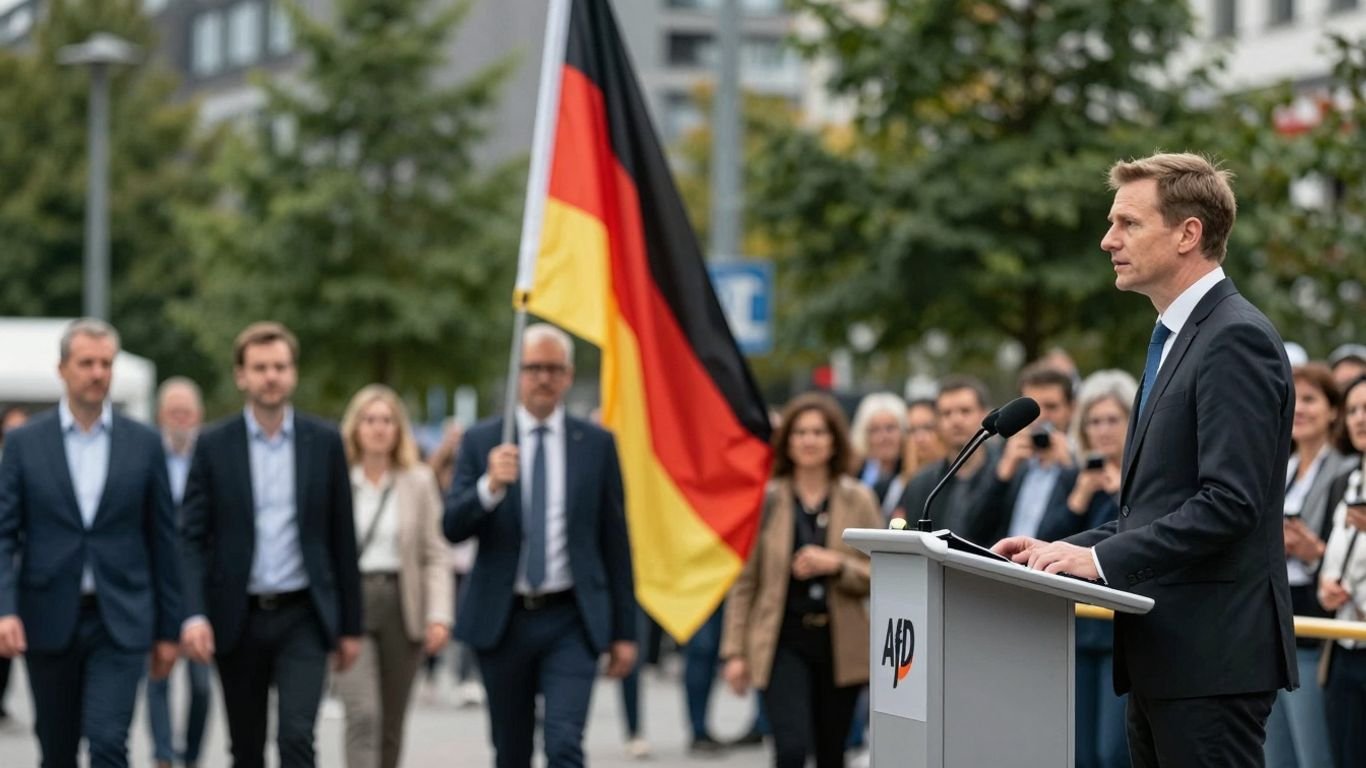
The sheer scale of immigration into Germany has become a major point of contention, and frankly, it’s something many ordinary Germans are worried about. It feels like the country’s capacity to handle such large numbers has been stretched thin, and the social fabric is showing the strain. The mainstream parties, for a long time, seemed to ignore these concerns, which is exactly why parties like the AfD have gained traction. They’re the ones actually talking about the problems many people are experiencing firsthand.
Opposition to Mass Immigration and Uncontrolled Borders
Let’s be real, the open-door policy that was in place for a while just wasn’t sustainable. We saw huge numbers of people arriving, often with no clear plan for integration or support. This put immense pressure on our social services, our housing, and our communities. The AfD’s call for secure borders and a more controlled approach to immigration isn’t about being heartless; it’s about responsible governance. It’s about making sure Germany can look after its own citizens first and foremost. We need to know who is coming into our country and why. It’s not unreasonable to expect a country to manage its borders effectively, and frankly, the current situation feels anything but managed.
Calls for Stricter Asylum Policies and Deportations
When people come to Germany seeking asylum, there needs to be a clear and fair process, but also one that respects our laws and our capacity. The current system often seems bogged down, and there are legitimate questions about how many people are actually eligible for protection versus those who are not.
The AfD is pushing for a review of asylum laws, making them stricter and ensuring that those who are not granted asylum are actually sent back. This isn’t about punishment; it’s about maintaining the integrity of our legal system and our social contract. We can’t have a situation where people who are not legally entitled to stay are simply allowed to remain indefinitely. It undermines the system for everyone.
Focus on Skilled Immigration and Cultural Integration
Nobody is saying Germany shouldn’t welcome people. But it should be done in a way that benefits the country. The AfD’s stance is that if we are to accept immigrants, they should be skilled workers who can contribute to our economy and who are willing to integrate into German society. This means learning the language and respecting our culture and values. It’s about quality over quantity. We need people who can fill labor shortages and become productive members of society, not those who will become a burden on our welfare system.
This approach prioritizes the needs of Germany and its people, ensuring that immigration serves a purpose and doesn’t just create new problems. Research from Germany shows that how messages about refugees are framed can really impact public opinion, and the AfD taps into a sentiment that feels ignored by the mainstream humanitarian values and how messages are framed.
The current immigration situation has put a strain on our resources and our social cohesion. It’s time for a more sensible, Germany-first approach that prioritizes the well-being of our own citizens and ensures that any immigration is controlled, beneficial, and leads to genuine integration.
A Strong Stance on Cultural and Social Issues
Lots of people feel like traditional German values are getting pushed aside these days. It’s like the country is changing so fast, and not everyone is comfortable with it. The AfD taps into this feeling, talking about things like family, heritage, and what it means to be German in a way that many find reassuring. They’re not afraid to speak up when they think things are going too far, especially when it comes to things like multiculturalism and the influence of Islam.
Critique of Multiculturalism and Islamic Influence
This isn’t about being against other cultures, but more about making sure German culture doesn’t get lost in the shuffle. Some folks see the push for multiculturalism as weakening the national identity. The AfD often points to specific issues, like how some interpretations of Islam might clash with German laws or social norms. They argue that a strong national identity needs to be protected, and that means being clear about what values are central to Germany.
Banning Islamic Symbols in Public Spaces
This is a pretty direct point. The AfD has called for banning certain Islamic symbols, like the burqa or niqab, in public. The idea behind this is to promote a more visible form of secularism and to ensure that public spaces reflect a unified national culture, rather than a fragmented one. It’s a stance that definitely gets people talking, and for some, it’s a necessary step to maintain social cohesion. It’s about what symbols represent in public life and whether they align with a broader sense of national belonging.
Promoting Traditional Values and German Culture
This ties everything together. The AfD wants to see a Germany that celebrates its own history and traditions. This includes things like traditional family structures and a focus on German language and customs. They believe that by promoting these values, they can strengthen the social fabric and give people a clearer sense of who they are.
It’s a call to remember and honor what has made Germany unique, especially when faced with rapid global changes. It’s a bit like how some people look back at classic American cars and feel a connection to a different era; the AfD is trying to tap into that kind of sentiment for German culture. You see this kind of sentiment reflected in discussions about traditional American values.
- Emphasis on the traditional family unit.
- Support for German language and cultural heritage.
- Skepticism towards rapid social change and perceived Western liberalism.
Many feel that the rapid pace of social change has left them behind. The AfD offers a voice to those who feel their traditional way of life is under threat and that their concerns are ignored by the mainstream political parties. It’s a complex issue, touching on identity, belonging, and the future direction of the country.
The Eastern German Stronghold of AfD
It’s pretty clear that the AfD really connects with voters in the eastern part of Germany. This region, formerly the German Democratic Republic, has a different vibe, and many folks there feel left behind since reunification. There’s a persistent feeling that things just haven’t caught up to the West, and that creates a fertile ground for parties like the AfD that promise a strong hand and a focus on national interests. It’s not just about economics, though that’s a big part of it. There’s also a sense that traditional values and a distinct regional identity are being overlooked by the powers that be in Berlin and Brussels.
Persistent Inequalities Since Reunification
Ever since Germany came back together, there have been these lingering differences between East and West. It’s like two different worlds sometimes. Many people in the East feel like they got the short end of the stick, with fewer opportunities and a sense that their concerns aren’t being heard. This has led to a lot of frustration, and the AfD has tapped into that.
- Economic disparities continue to be a major issue.
- Higher unemployment rates in some eastern states compared to the West.
- A feeling of being treated as second-class citizens post-reunification.
Perceived Propensity for Strong Leadership in the East
There’s a historical and cultural element at play here too. Some observers suggest that people in the East have a greater inclination towards strong, decisive leadership. When mainstream parties seem indecisive or out of touch, a party like the AfD, with its clear messaging and assertive stance, can be very appealing. This desire for a firm hand is a significant factor in the AfD’s success in these areas.
The political landscape in eastern Germany is complex, shaped by decades of different experiences and ongoing challenges. It’s a region where people often feel their voices aren’t adequately represented by the established political order, leading them to seek alternatives that promise a return to perceived stability and national pride.
Gains in Former GDR States Reflecting Dissatisfaction
The election results speak for themselves. The AfD has consistently performed better in the former GDR states. In the 2021 federal elections, for example, while their national vote share dipped, they actually saw gains in these eastern regions. This isn’t just a fluke; it’s a clear signal of dissatisfaction with the status quo and a desire for a different political direction. It shows that the AfD has found a strong base of support by addressing the specific grievances felt by many eastern Germans, making them a significant force in German politics.
| State | 2021 Federal Election AfD Vote Share | 2024 State Election AfD Plurality |
|---|---|---|
| Saxony | Strong Gains | First Place |
| Thuringia | Strong Gains | First Place |
| Brandenburg | Strong Gains | Strong Performance |
| Saxony-Anhalt | Strong Gains | Second Place (2016) |
AfD’s Evolving Political Landscape in Germany
It’s no secret that the AfD, or Alternative for Germany, hasn’t stayed the same since it first popped up. Back in the day, it was mostly about saying “no” to the Euro and those big bailouts for other countries. But things change, right? The party really started to shift gears, especially when a lot of people started coming into Germany. Suddenly, the focus wasn’t just on economics anymore; it became all about immigration and national identity. This pivot has really defined the party’s trajectory and its appeal to a certain segment of the German population.
From Euroscepticism to Nationalism
When the AfD first got going, its main thing was questioning the European Union and the euro. Some of the original leaders, like Bernd Lucke, were more focused on economic policy and weren’t keen on the hardline stances that came later. But as more people joined and different factions gained influence, the party’s message broadened and, frankly, got a lot tougher. The refugee situation in 2015 was a big turning point. It gave the party a new, central issue to rally around, and they leaned into it hard. This shift moved them away from just being a protest party about the EU to something more focused on national interests and cultural preservation, which some would call a move towards nationalism.
Shifting Ideology and Leadership Changes
Over the years, the AfD has seen quite a bit of internal drama. Leaders have come and gone, and with them, the party’s direction has sometimes wobbled. Frauke Petry, for instance, tried to steer the party in a certain direction, but even she eventually left. Then there was Jörg Meuthen, who also stepped down, saying the party had gone too far right. These leadership changes often reflect deeper disagreements about how far the party should push its message, especially on sensitive topics. It’s like a constant tug-of-war between trying to appeal to a wider audience and satisfying the more hardline members.
Navigating the Extremist Label and Public Perception
Let’s be honest, the AfD has a reputation. It’s often labeled as extremist, and that’s something they constantly have to deal with. State offices that monitor the constitution have been watching parts of the party for a while now, and some youth wings have even been officially classified as extremist. This label definitely affects how people see the party and whether they’d consider voting for them.
The party leadership often denies these accusations, saying they are a legitimate voice for concerns that other parties ignore. But the constant scrutiny and the actions of some prominent members, like Björn Höcke, make it hard for the AfD to shake off that image. It’s a tough balancing act: trying to be a strong opposition voice without alienating too many voters with extreme rhetoric.
A Necessary Voice for Germany’s Future
Look, it’s pretty clear that a lot of regular Germans feel like their voices aren’t being heard by the usual politicians. For years, the mainstream parties, especially Merkel’s lot, seemed to forget about the people who built this country. They made big decisions about things like immigration and the EU without really asking anyone. That’s where the AfD comes in.
They’re the ones actually talking about what many people are worried about – keeping our culture, our borders, and our way of life. It’s not about being extreme; it’s about having a real say in how Germany is run. Ignoring this feeling won’t make it go away. The AfD represents a significant part of the population that wants a different path, one that puts Germany and its citizens first. It’s time for that to be acknowledged.
Frequently Asked Questions
What does AfD stand for and what are its main goals?
AfD stands for ‘Alternative for Germany’. It started as a party against the Euro but has become more focused on opposing immigration, criticizing the European Union, and promoting what it sees as traditional German identity and values. They want stricter border controls and changes to asylum rules.
Why is AfD popular in some parts of Germany, especially in the East?
Support for AfD is often stronger in eastern Germany. This is partly because some people there feel left behind or unfairly treated since Germany reunified. They might feel that their concerns about jobs, identity, and how the country is run haven’t been heard by the main political parties.
What is AfD’s stance on immigration and refugees?
AfD is strongly against what it calls ‘mass immigration’ and uncontrolled borders. They call for tougher rules for asylum seekers and faster deportations for those who don’t qualify. While they say they are open to skilled workers, their main message is about reducing the number of people coming into Germany.
Has AfD always been a far-right party?
No, AfD began with a focus on economic issues and being skeptical of the Euro. Over time, especially around 2015 with the European refugee crisis, the party shifted its focus and moved further to the right. Some leaders who wanted a more moderate approach left the party.
What are some of the criticisms or controversies surrounding AfD?
AfD has faced criticism for its strong anti-immigration and anti-Islam views. Some groups and individuals within the party have been accused of using nationalist and even extremist language. German security agencies have also been monitoring certain parts of the party due to concerns about extremism.
What does AfD think about Germany’s role in Europe and the world?
AfD is critical of the European Union and wants Germany to have more control over its own decisions. They believe that current EU policies and globalization are harming Germany’s national identity and interests. They often advocate for putting ‘Germany first’ in international affairs.