US Signals Venezuela’s Interior Minister Could Be Next Target in Post-Maduro Transition
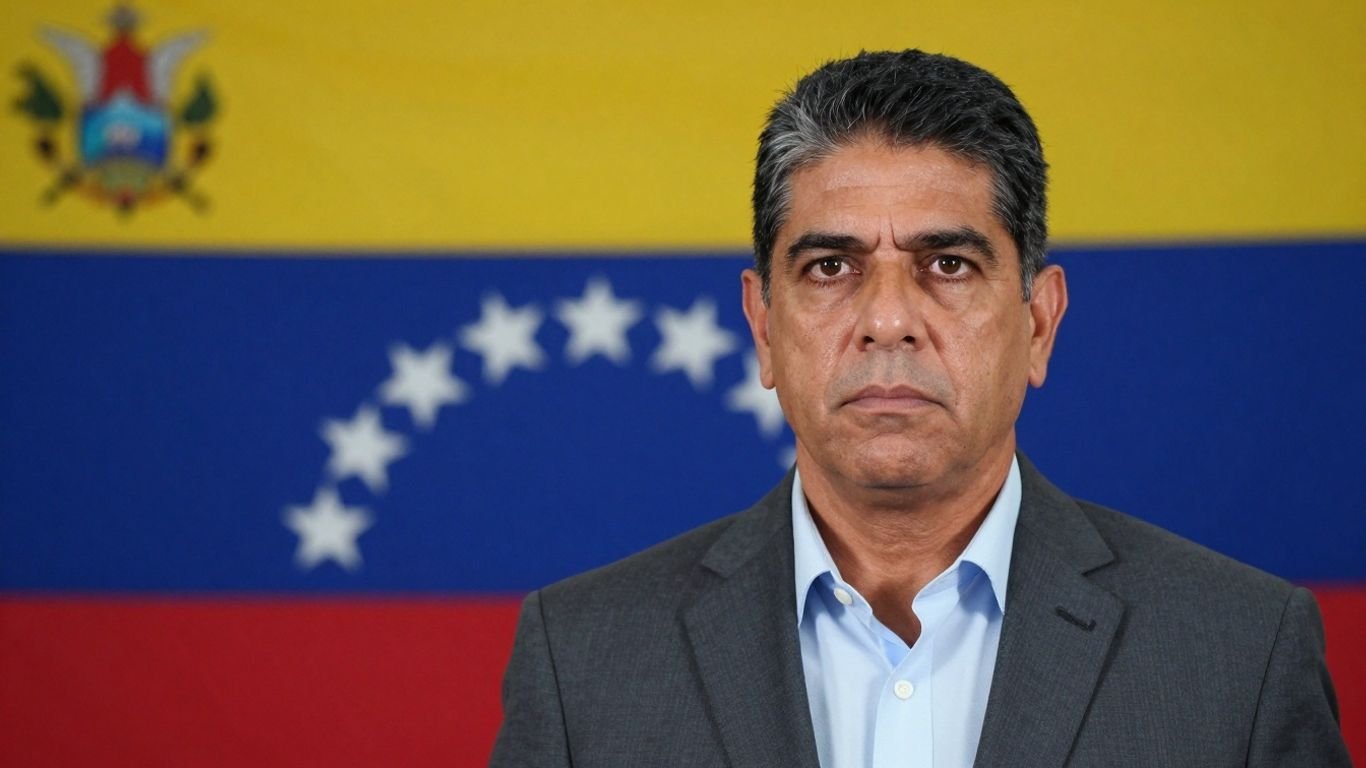
The Trump administration has reportedly placed Venezuela’s hardline interior minister on notice, suggesting he could become a primary target unless he cooperates in the transition following the ousting of Nicolas Maduro. This move signals a strategic approach by the U.S. to ensure stability and compliance during Venezuela’s political shift.
Key Takeaways
- The U.S. is leveraging potential sanctions against Venezuela’s interior minister.
- The minister’s cooperation is seen as crucial for Interim President Delcy Rodriguez to meet U.S. demands.
- This action is part of a broader U.S. strategy in the post-Maduro era.
U.S. Pressure on Security Chief
According to three individuals familiar with the matter, the U.S. has communicated to Venezuela’s interior minister that he is a potential "top target" on their list. This warning is contingent on his willingness to assist Interim President Delcy Rodriguez in fulfilling U.S. objectives and maintaining order within the country after Nicolas Maduro’s removal.
The administration’s strategy appears to involve using the threat of sanctions or other punitive measures to influence key figures within the Venezuelan government. By targeting the interior minister, who oversees security forces, the U.S. aims to secure cooperation and prevent any resurgence of the previous regime’s influence.
Navigating the Transition
The situation in Venezuela remains fluid as the country navigates its post-Maduro political landscape. The U.S. has been a vocal critic of Maduro’s government and has supported the opposition’s efforts to establish a new leadership. The reported pressure on the interior minister underscores the U.S.’s commitment to shaping the outcome of this transition.
Interim President Delcy Rodriguez faces the challenge of balancing internal stability with external demands. The U.S. appears to be using its leverage to ensure that the transition process aligns with its interests, particularly concerning security and democratic reforms. The coming weeks will likely reveal the effectiveness of this strategy and the extent of the interior minister’s compliance.