
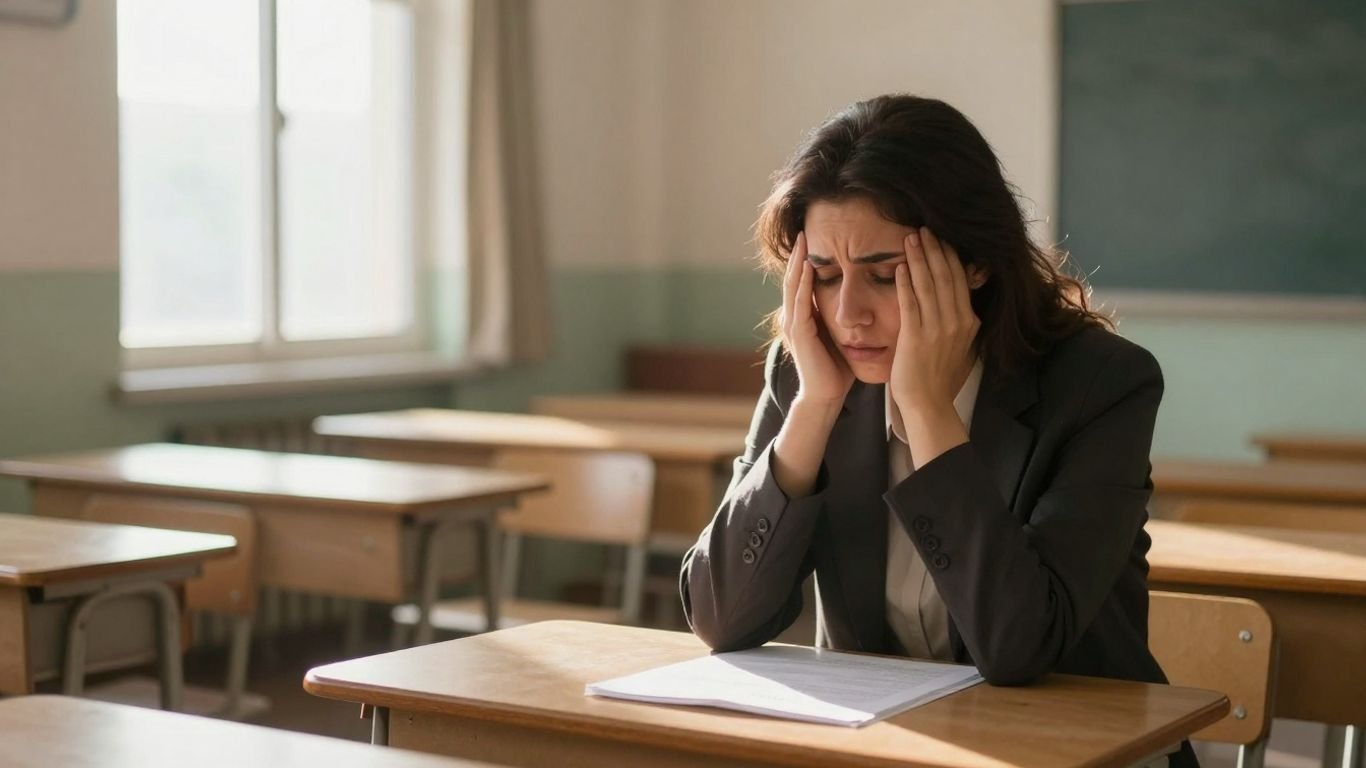
Female Teachers and Student Assault Cases: A Growing but Underreported Issue
It feels like every other day, we hear another story about a teacher crossing the line with a student. This isn’t just about a few bad apples; it’s a bigger problem than many realize, and it’s happening more often. While we often focus on the students’ safety, it’s important to talk about the specific issue of Female Teachers and student assault cases. This is a growing but often hidden problem that needs more attention.
Key Takeaways
- Reports show a rise in sexual assaults in schools, though it’s hard to say if more incidents are happening or if people are just reporting them more now.
- Many cases of sexual misconduct by school staff, including teachers, go unreported because victims are afraid or there’s a social stigma.
- Teachers who abuse their position often show a lack of empathy and use manipulation to groom and control students, exploiting their power.
- Social media has become a tool for some teachers to start and continue inappropriate relationships with students, leading to criminal offenses.
- To protect students, schools need better screening for staff and proactive measures to create a safer learning environment where students feel they can speak up.

Understanding the Scope of Educator Misconduct
It’s a tough topic, but we need to talk about it. Educator misconduct, especially when it involves students, is a bigger problem than many people realize. We’re seeing more and more cases come to light, and it’s really shaking the trust we place in our schools.
Rising Incidents of Sexual Assault in Schools
The numbers are pretty alarming. Reports show a significant increase in sexual misconduct cases involving school staff. It’s not just a few isolated incidents; it’s a trend that’s been growing over the years. This rise means more students are being put in vulnerable situations within environments that should be safe.
Underreporting Amidst Increased Awareness
Even with more attention on these issues, a lot still goes unreported. Students might be afraid to speak up, worried about not being believed, facing retaliation, or just not knowing who to turn to. This silence allows the problem to continue unchecked, making it harder to get a true picture of just how widespread it is.
The fear of not being heard or facing negative consequences often prevents students from reporting misconduct, creating a cycle of silence that protects perpetrators rather than victims.
Prevalence of Sexual Misconduct by School Staff
Studies suggest that a notable percentage of students, particularly in middle and high school, have experienced some form of sexual misconduct from school employees. This isn’t just about physical assault; it can include inappropriate comments, unwanted touching, and other boundary violations. These experiences can have lasting effects on a student’s well-being and their view of educational institutions.
Here’s a look at some reported figures:
| Grade Level | Percentage Experiencing Misconduct |
|---|---|
| 8th Grade | Approximately 10% |
| 11th Grade | Approximately 10% |
It’s clear that this is an issue that touches many schools and affects a significant number of young people. We need to understand these numbers to start making real changes.
The Pervasive Nature of Teacher-Student Assault
It’s a topic that’s hard to talk about, but we need to. The issue of sexual abuse in schools, particularly when it involves educators, is more widespread than many realize. We’re seeing more reports, and yet, the actual number of incidents is likely much higher. This isn’t just about a few bad apples; it points to a systemic problem that affects students, teachers, and the entire school environment.
Statistics on Sexual Misconduct by Educators
Let’s look at some numbers, though they only tell part of the story. Reports suggest that around 10% of students in grades 8-11 have experienced some form of sexual misconduct from school staff. That’s a significant chunk of young people. Complaints filed with the Department of Education about sexual violence in K-12 schools have more than tripled in recent years. It’s a disturbing trend that shows this problem isn’t going away on its own. While we have more awareness now, the actual reporting often lags behind. Many cases of sexual abuse in schools go unreported due to fear or shame.
Long-Term Impact on Student Well-being
The effects of this kind of misconduct go way beyond the classroom. Students who experience it can suffer from anxiety, depression, and a drop in their grades. It can mess with their ability to form healthy relationships later in life and really damage their sense of self-worth. It creates a climate where trust is broken, and that affects everyone. Think about how that insecurity can ripple outwards, impacting the whole school’s atmosphere. It’s not just about the individual victim; it’s about the community.
Creating a Culture of Fear and Mistrust
When these incidents happen, and especially when they aren’t dealt with properly, it breeds a culture of fear. Students might become hesitant to speak up or trust adults in positions of authority. This is why female educators accused of assault, or any educator for that matter, need to be thoroughly investigated. The lack of open discussion about why female teacher–student assault cases are rarely discussed only makes it harder to address.
We need schools to be safe spaces, not places where students worry about their own safety from the very people meant to protect them. Building a trustworthy educational system means tackling these issues head-on, not sweeping them under the rug. It’s about making sure every student feels secure and respected, and that starts with acknowledging the reality of the problem and taking real steps to prevent it. This is especially important when considering the impact of dating violence, as nearly one-third of teenagers report experiencing it, showing a broader pattern of harmful relationships that can extend into school settings dating violence.
The pervasive nature of teacher-student assault means we can’t afford to be complacent. It affects the learning environment, student well-being, and the overall integrity of our educational institutions. Addressing this requires a commitment to transparency, robust reporting mechanisms, and a willingness to confront uncomfortable truths.
Characteristics of Perpetrators
Traits of Teachers Engaging in Misconduct
It’s tough to talk about, but some teachers, unfortunately, aren’t who they seem. These individuals often have a knack for appearing caring and trustworthy, which is how they get close to students. They might lack genuine empathy and can be quite good at manipulating situations and people. Their primary tool is often their position of authority, which they twist to their advantage. They’re not usually the ones causing a scene; instead, they operate subtly, building trust over time.
Manipulation and Grooming Tactics
Perpetrators frequently use grooming tactics. This isn’t a sudden event; it’s a slow process. It might start with small, seemingly innocent gestures – extra attention, special favors, or sharing personal information that blurs the lines of a professional relationship. They might isolate the student, making them feel like they have a special, secret bond. This can involve:
- Offering gifts or privileges not given to other students.
- Engaging in conversations about personal or inappropriate topics.
- Encouraging secret-keeping.
- Using praise and affection to build dependency.
Exploiting Positions of Power
Teachers are in a unique position. Students often look up to them, trust their judgment, and are dependent on them for their education and well-being. Perpetrators exploit this power dynamic. They know that students might be afraid to speak up, or they might not even realize they are being victimized because the teacher is someone they are supposed to trust. This exploitation can manifest in various ways, making it hard for students to recognize the wrongdoings. It’s a betrayal of the trust placed in educators, and it can have lasting effects on a student’s view of authority figures and their sense of safety in educational settings. Understanding these tactics is a step toward better student protection.
Evidence and Case Studies of Misconduct
It’s tough to talk about, but there are real cases out there showing how teachers have crossed lines with students. These aren’t just isolated incidents; they paint a picture of a problem that needs our attention. We’ve seen situations where social media played a big part, with educators using platforms like Facebook or Snapchat to connect with students in ways that were way out of line. It’s a modern twist on an old problem, making it easier for some to reach out and groom students.
Social Media’s Role in Teacher-Student Assault
Social media has become a concerning tool in some teacher-student misconduct cases. It offers a way for educators to communicate with students outside of school hours and without direct supervision. This can start with seemingly innocent chats, but it can quickly escalate. The ease of access and perceived anonymity online can embolden individuals to initiate and maintain inappropriate relationships. It’s a digital pathway that bypasses traditional safeguards, making it harder for parents and administrators to spot the warning signs.
Instances of Criminal Sexual Offenses by Teachers
When we look at the numbers, it’s pretty stark. Reports have shown a significant number of teachers facing criminal charges for sexual offenses against students. For example, one year, a Department of Education review found dozens of teachers with criminal sexual offenses on record. These aren’t just disciplinary actions; these are legal convictions that highlight the severity of the misconduct. It shows that sometimes, the behavior goes far beyond unprofessional conduct and enters the realm of criminal activity.
Historical Cases of Abuse in Educational Institutions
This isn’t a new problem, unfortunately. There are documented cases stretching back decades, even in well-regarded private schools. Stories have emerged about widespread abuse that went unaddressed for years, sometimes uncovered only after former students came forward. These historical accounts reveal patterns of silence and institutional failure to protect students. It makes you wonder how many other cases have gone unreported or unaddressed over the years.
The impact of these incidents goes beyond the individual student. It erodes trust in the entire educational system, making students, parents, and communities question the safety of school environments. Addressing this requires looking at how these situations develop and how they are handled, or sometimes, not handled at all.
Addressing the Issue of Educator Misconduct
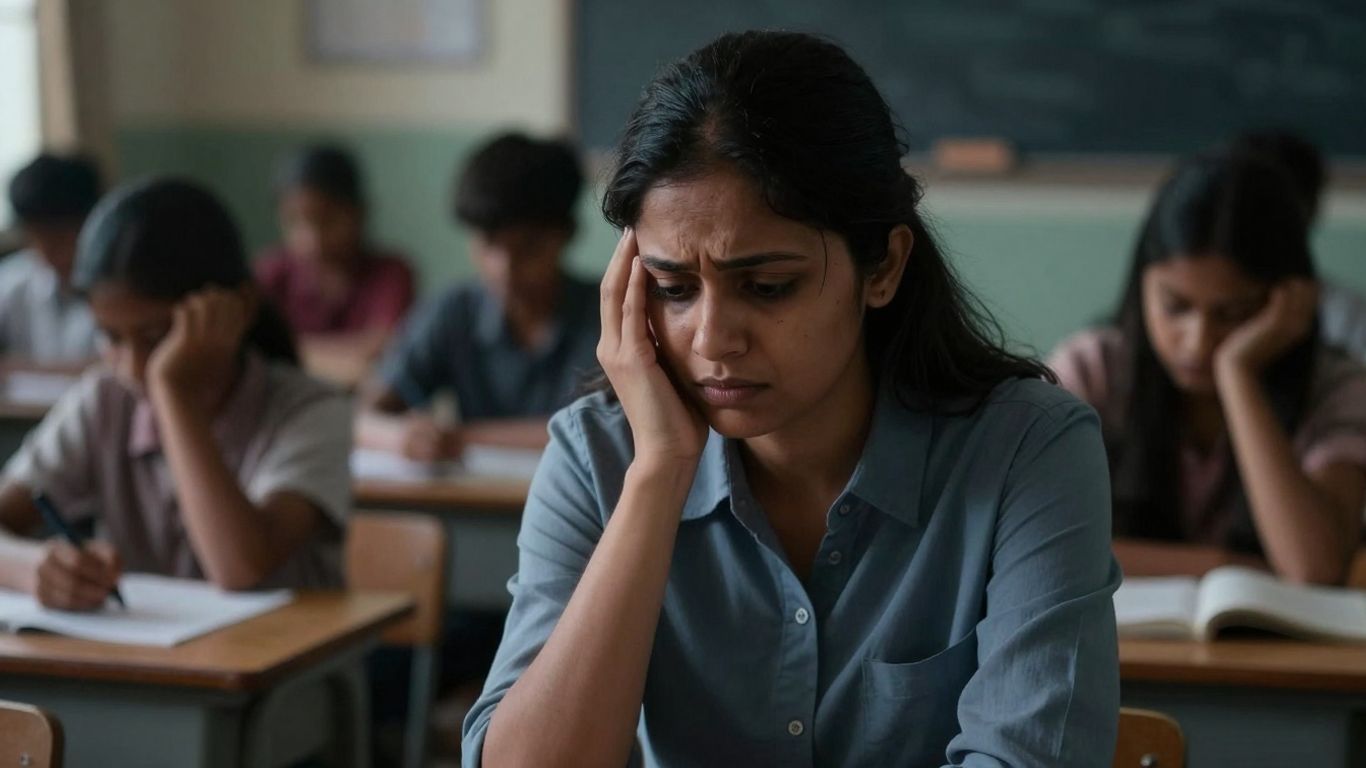
When we talk about teacher misconduct in schools, it’s easy to get overwhelmed. But we have to face it head-on. It’s not just about reacting to cases after they happen; it’s about building systems that prevent them in the first place. This means looking at how we hire, train, and support our educators, and critically examining sexual misconduct cases involving female teachers and other staff.
The Importance of Comprehensive Screening
One of the most direct ways to protect students is by being thorough during the hiring process. This goes beyond just checking references. We need to look at a candidate’s entire history, including their online presence. Thorough background checks, including social media screening, can help identify potential red flags before someone is even in a classroom. It’s about being proactive, not just reactive. This approach helps in examining sexual misconduct cases involving female teachers and other school personnel by providing a more complete picture of an applicant.
Proactive Measures for Student Protection
Beyond screening, schools need clear policies and ongoing training. This isn’t a one-and-done thing. Educators need regular reminders about professional boundaries, appropriate conduct, and the signs of grooming or manipulation. Students also need to know how to report concerns safely and without fear of reprisal. Creating a culture where reporting is encouraged and taken seriously is key to stopping school authority abuse before it escalates.
Here are some steps schools can take:
- Implement clear, accessible reporting channels for students and staff.
- Conduct regular training sessions on professional ethics and student safety.
- Establish a clear disciplinary process for substantiated misconduct claims.
- Encourage open communication between students, parents, and school administration.
Building a Trustworthy Educational System
Ultimately, creating a safe learning environment is a shared responsibility. It requires constant vigilance and a commitment to ethical practices from everyone involved. When schools prioritize student safety through robust policies and consistent follow-through, they build trust within the community. This trust is the foundation of a healthy educational system, where students can focus on learning without fear. We saw how a lawsuit in Kenosha, Wisconsin, followed a high-profile case, showing the real-world impact of these issues and the need for stronger policies.
Addressing teacher misconduct isn’t just about avoiding scandals; it’s about upholding the fundamental right of every child to learn in a secure and supportive setting. It requires a multi-faceted approach that combines careful vetting, ongoing education, and a culture that actively discourages and swiftly addresses any form of abuse or misconduct.
Global Perspectives on Violence Against Female Teachers
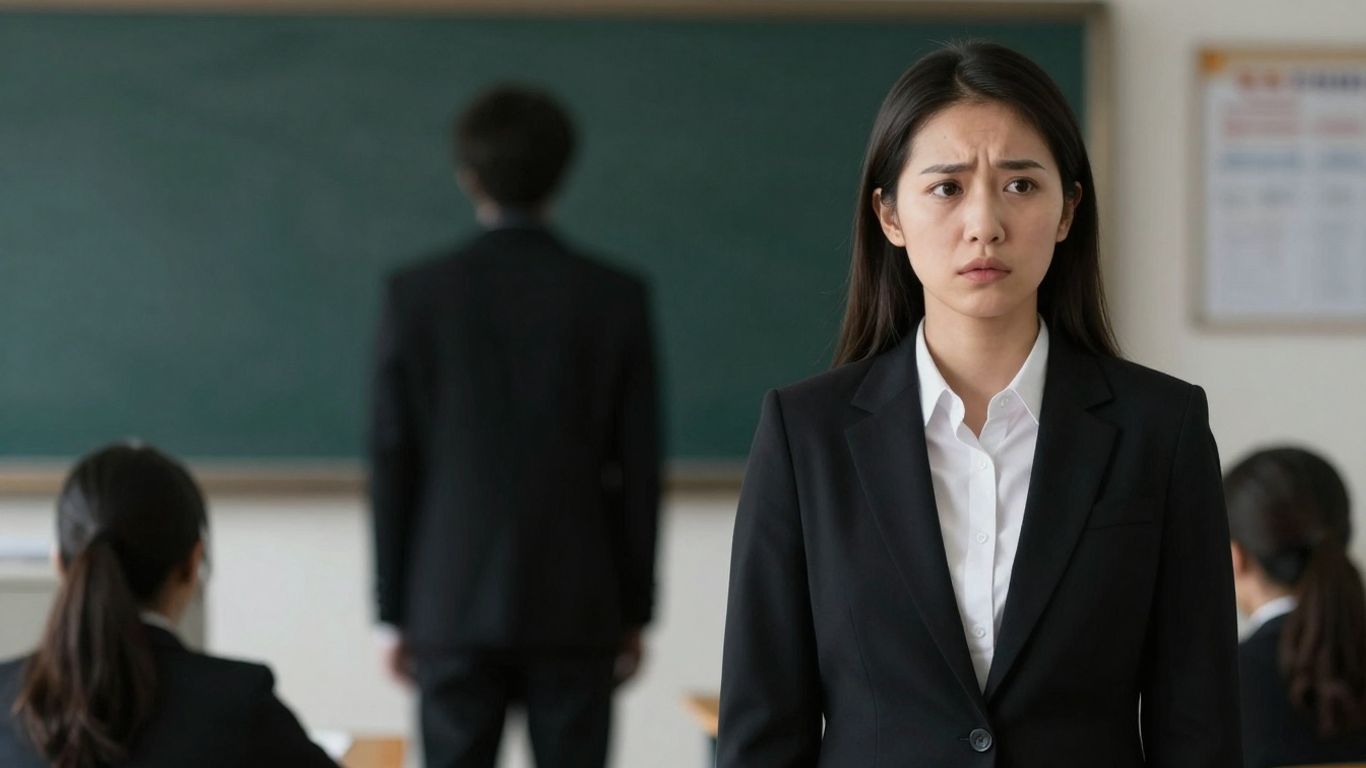
Teacher Victimization Worldwide
It’s not just a local problem, this issue of teachers facing violence pops up all over the globe. We’re talking about everything from harsh words to outright physical attacks. In places like Jordan, teachers have reported dealing with verbal and physical aggression, which really shows how much they need better training and support programs. Down in Latin America, it’s a similar story – violence against educators is common, but often not talked about much, making it hard for schools to actually do anything about it. And in some African countries, a lack of clear rules and government help just makes things worse, leaving teachers vulnerable.
Challenges in Addressing Violence Against Educators
So, why is it so hard to get a handle on this? Well, for starters, a lot of these incidents don’t get reported. People might think it’s just part of the job, or they might be afraid of retaliation. Plus, the types of violence can vary a lot. Sometimes it’s verbal abuse, other times it’s bullying or even physical threats.
In China, for example, a big chunk of teachers reported experiencing some kind of victimization in a single school year, with name-calling and social aggression being the most frequent. It’s tough to create solutions when the problem looks so different from one place to another. We need to think about how to make sure schools are safe spaces for everyone, and that starts with holding people accountable.
The Impact of Social Inequality on School Safety
There’s also a connection between what’s happening in schools and what’s going on in the wider community. In places like South Africa, where there’s a lot of social inequality and crime, violence against teachers seems to be more common. It’s like the problems outside the school walls spill over inside. This makes it even harder to create a safe learning environment. When teachers feel unsafe, it affects their ability to teach, and that, in turn, affects the students. It’s a cycle that’s tough to break.
Here’s a quick look at some reported issues:
- Verbal Aggression: Often the most common form reported globally.
- Physical Threats: A serious concern in many educational settings.
- Bullying: Affects both students and educators.
The ripple effects of violence against teachers go beyond the individual. It can change the whole school atmosphere, making it harder for students to learn and creating a general sense of unease. This insecurity can lead to teachers missing work or even quitting the profession altogether.
Moving Forward
It’s clear that the issue of students assaulting female teachers is a serious problem that isn’t getting enough attention. We’ve seen numbers that show this isn’t just a few isolated incidents; it’s happening more often than we might think. While some of this might be due to people feeling more comfortable reporting things now, thanks to movements like #MeToo, we can’t ignore the possibility that actual assaults are on the rise.
Schools need to do more than just hope for the best. They need to actively train staff on how to handle these situations, make sure students understand what’s not okay, and create environments where reporting these kinds of incidents doesn’t feel like a dead end. It’s about protecting our educators and making sure our schools are truly safe places for everyone involved.
Frequently Asked Questions
What does it mean when we talk about teacher misconduct?
Teacher misconduct refers to inappropriate or harmful actions by a teacher towards a student. This can include things like bullying, harassment, or even sexual assault. It’s about adults in positions of power hurting or taking advantage of students.
Are more teachers actually doing bad things, or are we just hearing about it more?
It’s hard to say for sure if there are more incidents happening. The #MeToo movement has made people more aware of these issues, so more cases are being reported. However, some experts still believe many incidents go unreported because students or parents might be afraid to speak up.
What kind of teachers might do these things?
Teachers who engage in misconduct often seem caring at first. They might try to trick or manipulate students, especially those who seem vulnerable. They use their authority to get students to trust them, and then they break boundaries.
How do teachers get away with this?
Sometimes, schools don’t have strong enough rules or training to spot these problems early. Teachers might also use social media to contact students in ways that seem innocent but can lead to inappropriate relationships. It’s easier for them to hide their actions when people aren’t watching closely.
What happens to students who experience this kind of misconduct?
It can be really damaging. Students might feel scared, anxious, or depressed. It can affect their schoolwork and how they see themselves. Long-term, it can make it hard for them to trust people or have healthy relationships.
What can schools do to prevent this from happening?
Schools need to be very careful when hiring teachers. This includes checking their backgrounds and even looking at their social media. They also need to teach students about what’s okay and what’s not, and create an environment where students feel safe to report problems without fear.




![[Trump] with [Pam Bondi] and [Kash Patel] in a serious meeting.](https://countrybrief.com/wp-content/uploads/2025/12/thumbnail-37-768x432.jpeg)