Venezuela’s Interim Leader Consolidates Power Amidst U.S. Pressure and Internal Strife
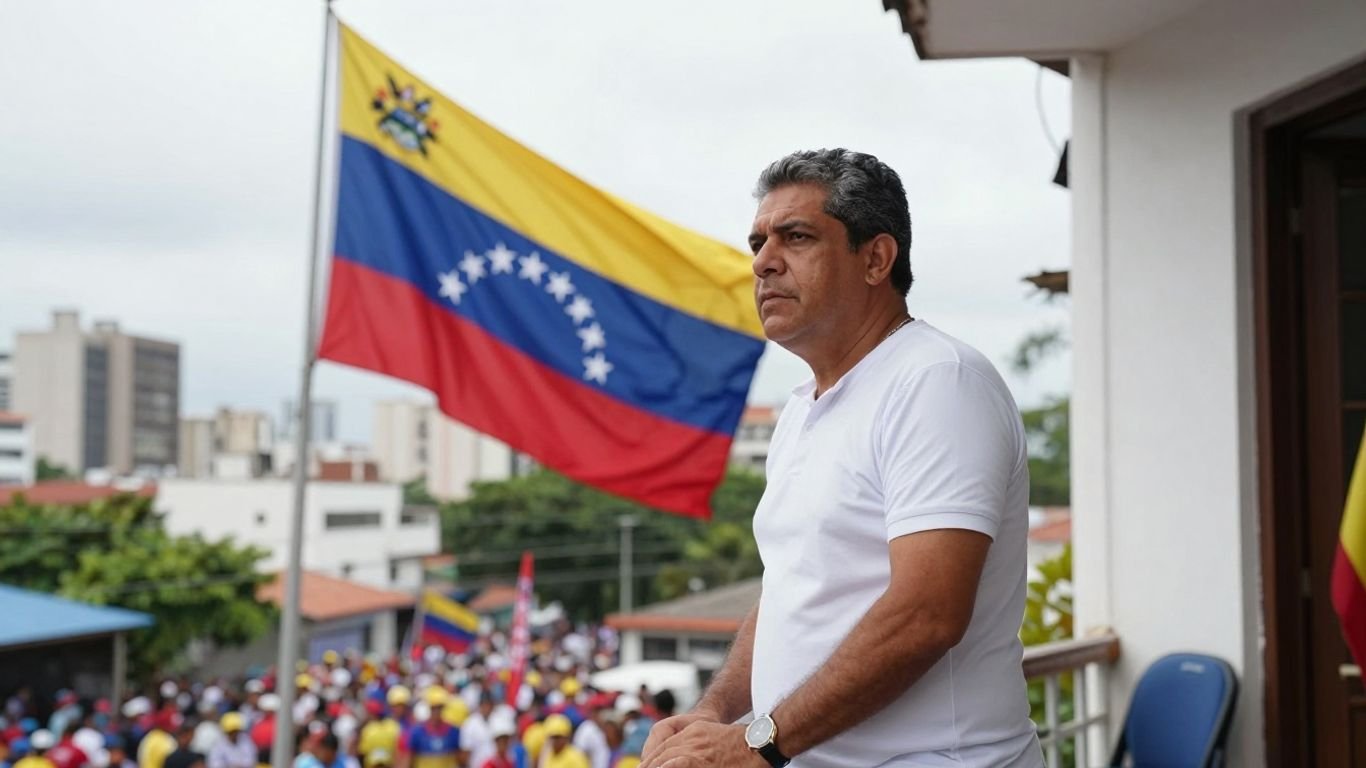
In the twelve days following the U.S. seizure of Venezuelan President Nicolas Maduro, interim President Delcy Rodriguez has been actively working to solidify her authority. She is strategically appointing loyalists to critical positions, aiming to shield herself from internal challenges while simultaneously responding to U.S. demands for increased oil production.
Key Takeaways
- Interim President Delcy Rodriguez is consolidating power by appointing loyalists to key positions.
- Rodriguez is navigating internal threats while addressing U.S. demands to boost oil production.
- The political landscape in Venezuela remains volatile following Maduro’s seizure.
Tightening the Grip
Since President Nicolas Maduro’s apprehension by U.S. authorities, Delcy Rodriguez has embarked on a swift campaign to secure her position. This involves a significant reshuffling of personnel, with loyal individuals being placed in crucial government and security roles. The objective is twofold: to preempt any internal dissent or challenges to her leadership and to demonstrate a willingness to cooperate with U.S. interests, particularly concerning the nation’s vital oil sector.
Navigating External Demands and Internal Divisions
The interim presidency faces a delicate balancing act. While the U.S. has signaled a desire for increased oil output from Venezuela, Rodriguez must also manage the complex internal political dynamics. The appointment of trusted allies is seen as a move to ensure stability and control within the government apparatus. This strategy aims to present a united front, both domestically and internationally, in the wake of Maduro’s removal.
The coming weeks will be critical in determining the effectiveness of Rodriguez’s power consolidation efforts and Venezuela’s response to international pressure regarding its oil production. The success of her administration hinges on her ability to maintain control amidst potential internal opposition and to meet the expectations set by external powers.

![[Declan Rice] in Arsenal kit, running on a football pitch.](https://countrybrief.com/wp-content/uploads/2025/10/thumbnail-42-768x432.jpeg)