EU Considers Trade Action Against US Over Greenland Dispute
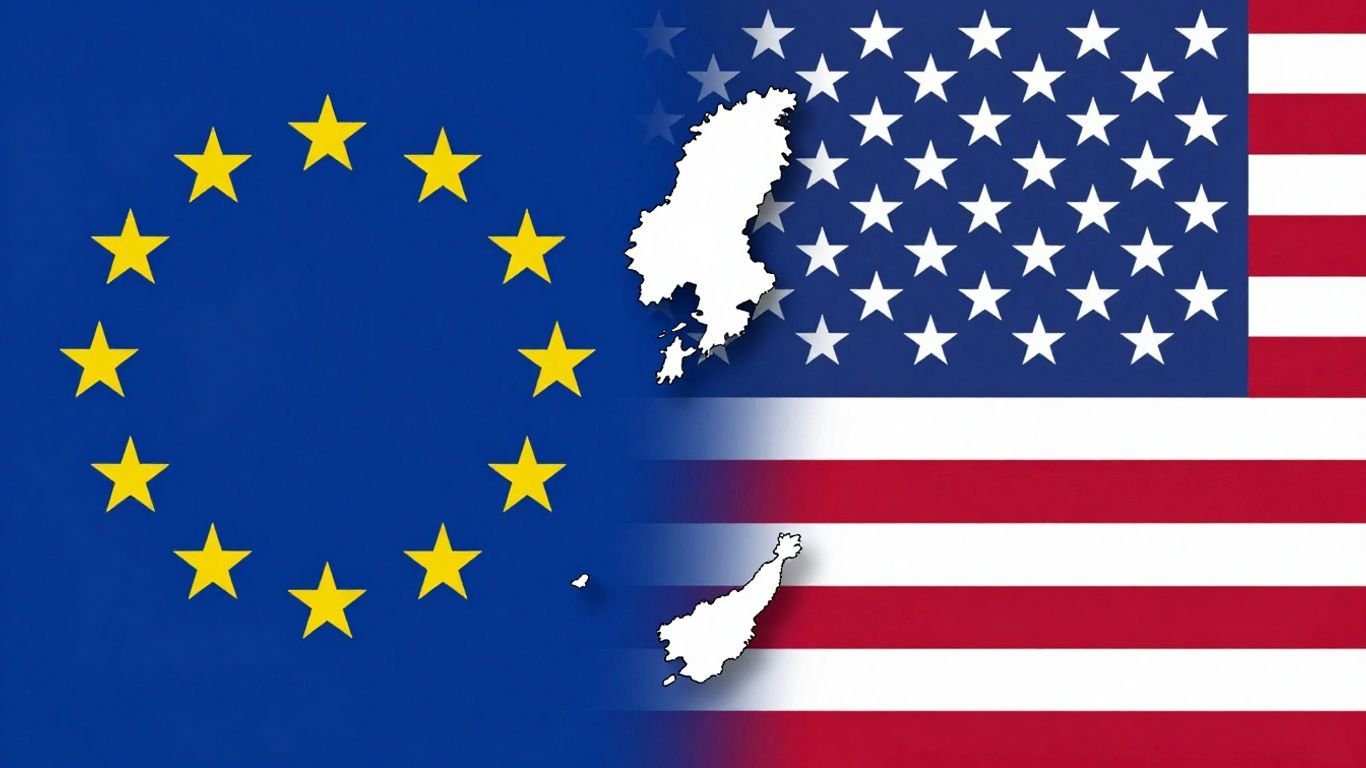
Europe is contemplating the use of its anti-coercion instrument against the United States as tensions escalate over Greenland. The situation has been exacerbated by recent communications from President Trump, reportedly linking a potential threat to Norway with a perceived snub regarding a Nobel Peace Prize.
Key Takeaways
- The European Union is exploring retaliatory trade measures against the U.S.
- The dispute involves Greenland and has been linked to President Trump’s personal grievances.
- The EU’s anti-coercion instrument is a tool designed to counter economic pressure from third countries.
Deepening Greenland Crisis
The European Union is actively considering deploying its anti-coercion instrument, a significant trade policy tool, in response to escalating tensions with the United States. The focus of this potential action is the ongoing dispute surrounding Greenland, a territory with strategic importance and rich resources.
Trump’s Alleged Nobel Snub Connection
Reports suggest that President Trump’s communications have introduced a new layer of complexity to the situation. It is alleged that the U.S. President has tied a potential threat directed at Norway to a perceived slight concerning the Nobel Peace Prize. This personal element has further inflamed the diplomatic atmosphere and prompted a more robust response from European policymakers.
EU’s Anti-Coercion Instrument
The anti-coercion instrument is a relatively new mechanism within the EU’s trade arsenal. It empowers the European Commission to take countermeasures against countries that attempt to coerce member states through economic or political pressure. The potential activation of this instrument signifies the seriousness with which the EU views the U.S. actions and its commitment to defending its interests and those of its partners.