Germany’s Economy is so bad even sausage factories are closing
You read the headlines, and maybe you’ve heard whispers about it. Germany’s economy, the powerhouse of Europe, seems to be hitting a rough patch. It’s not just big factories feeling the pinch; even the humble sausage maker, a symbol of German tradition, is struggling. Let’s take a look at what’s going on and why even something as basic as bratwurst is part of the story.
Key Takeaways
- Germany’s manufacturing sector, a backbone of its economy, is facing significant difficulties.
- The German sausage industry, deeply rooted in tradition, is experiencing closures due to rising costs and other pressures.
- Higher energy prices and supply chain problems are making it tough for German businesses to operate.
- Job losses and impacts on local communities are becoming a concern as factories in Germany shut down.
- Finding solutions, from government help to new ways of doing business, is vital for Germany’s economic recovery.
Germany’s Economic Downturn Impacts Traditional Industries
It feels like everywhere you look lately, there’s talk about Germany’s economy not doing so hot. And it’s not just the big tech companies or the car manufacturers feeling the pinch. Even the industries that have been around forever, the ones that feel like they’re part of the country’s DNA, are starting to show some serious cracks. This german economic downturn is hitting hard, and it’s making people wonder what’s going on.
Challenges Facing German Manufacturing
German manufacturing has always been a big deal, known for quality and precision. But right now, it’s facing a tough time. Things like higher energy prices and problems getting parts from other countries are making it harder to produce goods. Plus, the impact of inflation on German businesses means they’re spending more on everything, from raw materials to paying their workers. It’s a tricky situation.
The Sausage Industry’s Struggle
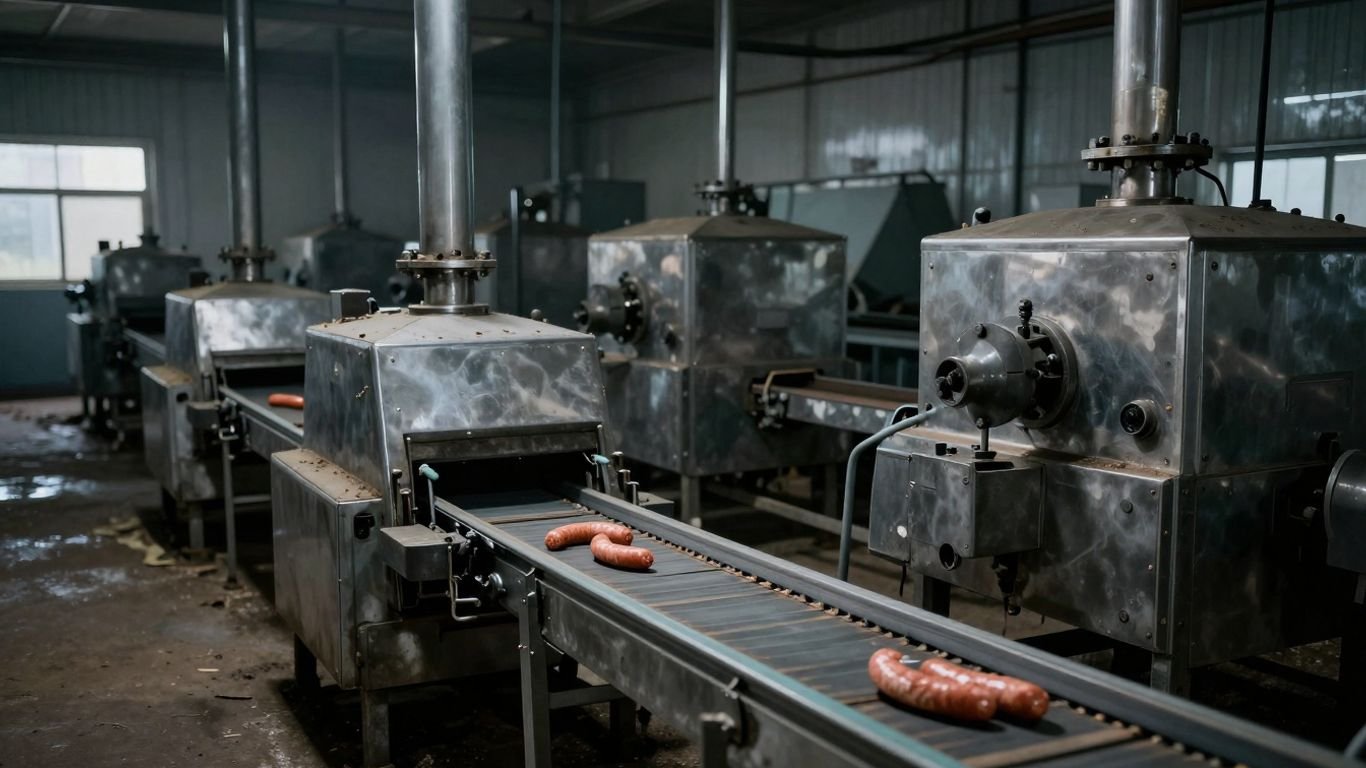
And then there’s the sausage. Seriously, even the humble sausage maker is feeling the heat. These businesses, often family-run for generations, are dealing with the same issues as the bigger factories. Energy costs are through the roof, making it expensive to run the ovens and the processing equipment. Supply chains are messed up, so getting the right kind of meat or spices can be a challenge. It’s a real worry for a part of German culture that’s loved worldwide.
Broader Economic Headwinds in Germany
It’s not just one or two things causing problems. There’s a whole mix of issues making things difficult for Germany’s economy. We’re seeing rising prices everywhere, which makes it harder for people to buy things, and that affects businesses. Global economic shifts also play a part, and sometimes, new rules and regulations can add extra burdens. It’s a lot for any economy to handle, and Germany is certainly feeling the pressure. The global economy is showing strong resilience to trade shocks, with "fairly strong" growth anticipated, according to IMF Managing Director Kristalina Georgieva. This resilience might offer some hope, but the immediate challenges remain.
The current economic climate presents a complex web of challenges for established German industries. What was once a reliable engine of growth is now grappling with a confluence of rising costs, supply chain snags, and shifting consumer habits. This is forcing many traditional businesses to rethink their operations or face closure.
The Decline of Germany’s Beloved Sausage Makers
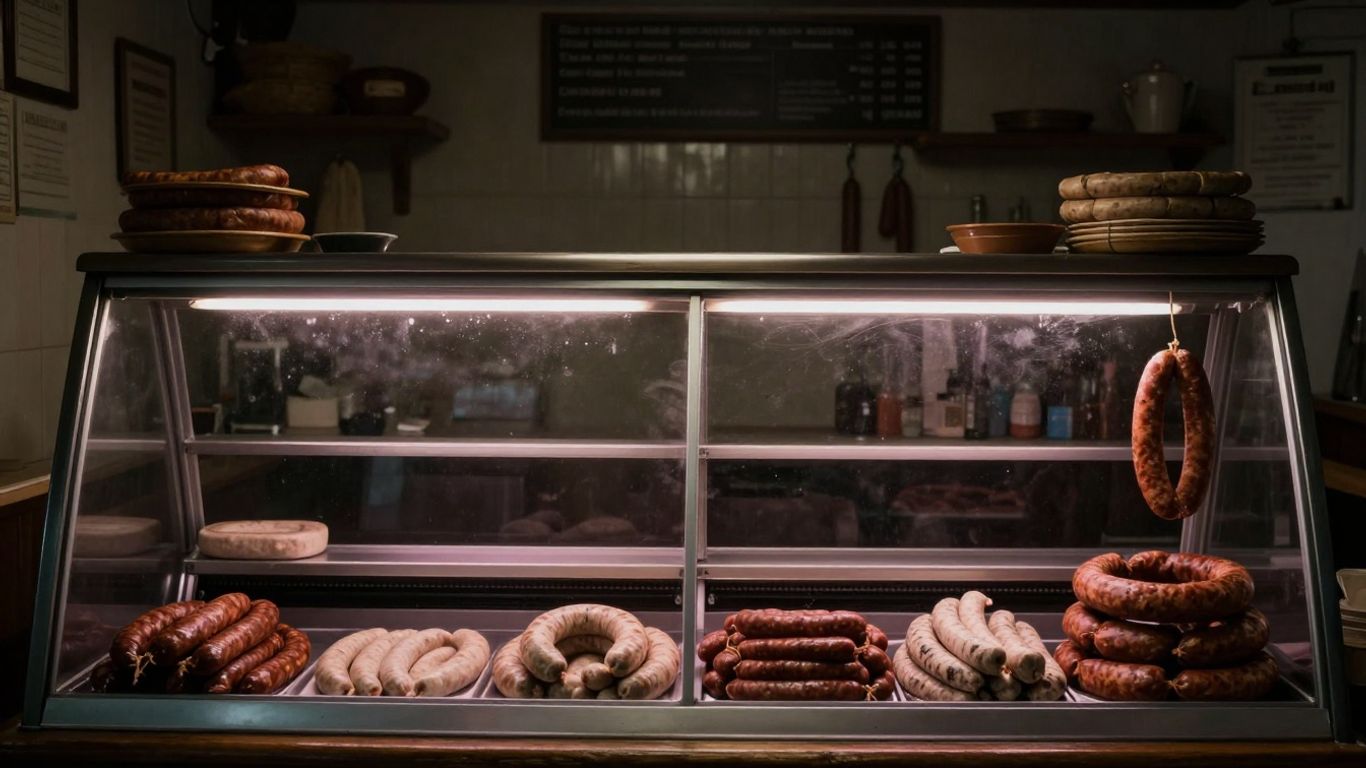
It’s not just the big car companies feeling the pinch. Germany’s famous sausage makers, a cornerstone of the nation’s culinary identity, are also facing a serious sausage industry crisis. For generations, these businesses have been a source of pride and employment, but the current economic climate is proving incredibly tough. Many are finding it harder than ever to keep their doors open.
Rising Energy Costs for German Businesses
The price of electricity and gas has gone through the roof. For businesses that rely on ovens, smokers, and refrigeration, this is a massive hit to the bottom line. It’s not just a small increase; it’s a significant jump that eats into already tight margins. Some smaller operations are struggling to afford the basic utilities needed to run their factories.
Supply Chain Disruptions Affecting Germany
Getting the raw materials needed for good sausage – quality pork, spices, and casings – has also become a headache. Global shipping issues and other problems mean that ingredients aren’t always arriving on time, or they’re costing a lot more to procure. This unpredictability makes planning difficult and adds another layer of stress for these producers.
Consumer Demand Shifts in Germany
People are also watching their wallets more closely. When money is tight, folks tend to cut back on non-essentials or opt for cheaper alternatives. While sausage is a staple for many, the trend towards more budget-friendly options or even plant-based alternatives is putting pressure on traditional meat producers. It’s a tough market out there, and adapting to these changes is a real challenge. The situation is so serious that even major airlines are adjusting their routes due to regional instability, impacting travel and logistics.
The combination of high operating costs, unreliable supply lines, and changing consumer habits paints a grim picture for many long-standing German sausage businesses. It’s a complex problem with no easy answers.
Here are some of the key issues contributing to this downturn:
- Soaring energy bills: The cost of keeping the lights on and the smokers hot has become unsustainable for many.
- Ingredient sourcing problems: Getting the right quality meat and spices is more difficult and expensive.
- Shifting consumer preferences: More people are looking for cheaper options or different types of food.
- Increased competition: Both from within Germany and from abroad, putting pressure on prices.
Why Germany’s Economy Is Facing Such Severe Challenges
Inflationary Pressures on German Companies
It’s no secret that prices have been going up everywhere, and Germany is feeling it too. For businesses, especially those in manufacturing, this means their raw materials cost more, their energy bills are higher, and even getting parts shipped in is pricier. This squeeze makes it tough to keep prices down for customers, and sometimes, it just eats into profits so much that it’s hard to stay afloat. The constant upward creep of costs is a major headache for German companies trying to compete.
Global Economic Slowdown’s Effect on Germany
Germany’s economy has always relied a lot on selling its goods to other countries. When the rest of the world isn’t buying as much, or when other economies are struggling, Germany feels the pinch. Think of it like a chain reaction. If a big customer country hits a rough patch, they buy fewer German cars, fewer machines, and yes, maybe even fewer specialized food products. This drop in demand from abroad really impacts the factories and businesses here at home.
Regulatory Hurdles for German Enterprises
Sometimes, the rules and regulations in Germany can add another layer of difficulty for businesses. While many rules are there for good reasons, like protecting workers or the environment, they can also add costs and slow things down. For smaller businesses, or those in traditional sectors like food production, keeping up with all the paperwork and compliance can be a real burden. It’s another one of those challenges facing German manufacturing that people don’t always talk about.
The combination of rising costs, weaker demand from overseas, and a complex rulebook creates a tough environment for many German businesses right now. It’s not just one thing, but a mix of factors making things difficult.
Here are some of the key issues:
- Increased operational costs: Energy, materials, and labor are all more expensive.
- Reduced export demand: Global economic uncertainty means fewer orders from abroad.
- Bureaucratic complexities: Navigating regulations can be time-consuming and costly.
- Supply chain fragility: Unexpected disruptions can halt production.
The Ripple Effect of Factory Closures in Germany
When a factory, especially one that’s been around for ages making something as iconic as sausages, shuts its doors, it’s not just about the building going dark. It sends out waves, affecting a lot of people and things. We’re seeing this happen more and more, and it’s a real shame.
Job Losses in Germany’s Food Sector
First off, people lose their jobs. It’s that simple. These aren’t just numbers on a spreadsheet; they’re individuals and families who relied on that steady paycheck. For many, especially in smaller towns, these jobs are the main source of income. When a sausage factory closes, it can mean a lot of people suddenly out of work, and finding new jobs isn’t always easy, especially if the skills are specialized. It’s a tough situation for sure.
Impact on Local Communities in Germany
These closures hit communities hard. Think about it: a factory often supports local suppliers, delivery services, and even the corner shop where employees grab lunch. When the factory goes, all those smaller businesses feel the pinch too. It can lead to a general slowdown in the local economy, making it harder for everyone. We’ve seen business bankruptcies in Germany reach a peak, and these factory closures are a big part of that story. It’s a cycle that’s hard to break once it starts.
Loss of Culinary Heritage in Germany
Beyond the economic side, there’s the cultural loss. German sausage making is an art, passed down through generations. Each region has its specialties, its own unique recipes. When these factories close, especially the older, family-run ones, we risk losing a piece of that tradition. It’s not just food; it’s history and identity. The reasons for German factory closures are complex, but the outcome is often the same: a tangible piece of local culture disappears.
The closure of these traditional businesses isn’t just an economic event; it’s a cultural one. It represents a break in the chain of tradition and a loss of specialized knowledge that can be difficult, if not impossible, to reclaim once it’s gone. This impacts not only the immediate community but also the broader national identity tied to these industries.
Here’s a look at some of the consequences:
- Unemployment spikes: Direct job losses in the factory and related industries.
- Reduced local spending: Less money circulating in the community.
- Erosion of skills: Loss of specialized knowledge in food production and processing.
- Community morale decline: A sense of loss and uncertainty can spread.
Looking Ahead: Potential Solutions for Germany’s Economy
It’s tough seeing businesses, especially ones as traditional as sausage makers, struggle. But Germany’s not one to just sit back. There are definitely some ideas floating around to help get things back on track.
Government Support for German Industries
The government is looking at ways to lend a hand. Think about things like making energy cheaper for factories, maybe through subsidies or long-term contracts. They’re also talking about tax breaks for companies that invest in new equipment or training for their workers. It’s not just about throwing money at the problem, but trying to create a better environment for businesses to operate in.
- Energy Cost Relief: Exploring options for more stable and lower energy prices for industrial users.
- Investment Incentives: Offering tax credits for upgrading machinery and adopting new technologies.
- Streamlined Bureaucracy: Looking for ways to cut down on paperwork and make it easier to start and run a business.
Innovation and Adaptation in Germany
Companies can’t just keep doing things the old way if the world is changing. For the sausage makers, this might mean finding new markets, maybe even online ones, or developing new kinds of products that people want right now. It could be healthier options, or maybe even plant-based versions to catch a different trend. It’s about being flexible and not afraid to try something new. The key is to adapt without losing what makes German products special.
Rebuilding Confidence in Germany’s Economic Future
People need to feel good about the economy again, both businesses and consumers. This means clear communication from leaders about what’s being done and showing real progress. When businesses see that things are improving, they’re more likely to invest and hire. And when people feel secure, they spend more, which helps everyone.
A strong economy isn’t built overnight. It takes a combination of smart policies, businesses willing to change, and a general sense of optimism. Germany has a history of overcoming challenges, and the focus now is on finding practical ways forward.
So, What’s the Takeaway?
It’s pretty clear things aren’t great over in Germany right now. When even something as basic as sausage making is struggling, you know there are bigger problems. This isn’t just about one industry; it’s a sign that the whole economy is feeling the pinch. We’ll have to wait and see if things turn around, but for now, it looks like a tough road ahead for German businesses, big and small. Let’s hope they can find a way to get back on track soon.
Frequently Asked Questions
Why are German sausage factories having trouble?
Many German sausage makers, like other businesses, are facing tough times. Things like high energy bills, problems getting materials, and people not buying as much are making it hard to keep their doors open. It’s a sign that Germany’s economy isn’t doing as well as it used to.
What does ‘economic downturn’ mean for Germany?
An economic downturn means the country’s economy is shrinking instead of growing. This can lead to fewer jobs, businesses closing, and people having less money to spend. It affects many parts of the economy, not just food companies.
Are high energy costs a big problem for German companies?
Yes, definitely. When electricity and gas get more expensive, it costs factories more to run their machines. For businesses that use a lot of energy, like food producers, this can really hurt their profits and even force them to shut down.
What are ‘supply chain disruptions’?
This means it’s become difficult to get the ingredients and materials needed to make products. Think of it like a traffic jam for goods. When these supplies are delayed or hard to find, it stops factories from producing things like sausages on time.
How do factory closures affect local towns in Germany?
When a factory closes, especially a well-known one like a sausage maker, it’s a big loss for the local area. People lose their jobs, and the town might lose a piece of its history and identity. It can also mean less money is being spent in local shops.
What can be done to help Germany’s economy get better?
The government can offer help, like financial support or lower taxes, to businesses. Companies also need to find new ways to work, maybe by using less energy or making different products. Building back people’s confidence that the economy will improve is also very important.