Trump’s Standoff With The Fed: A Power Play Beyond Monetary Policy
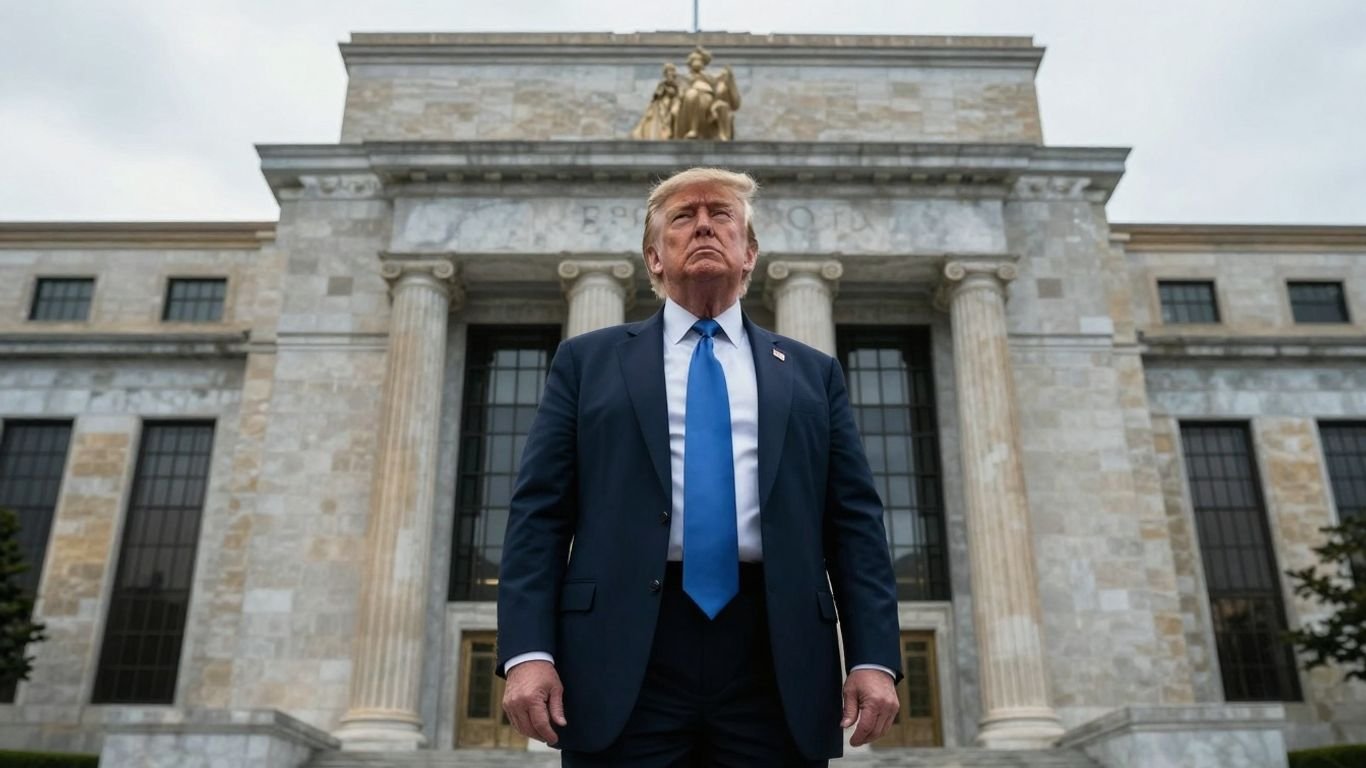
The ongoing friction between former President Donald Trump and the Federal Reserve is less about the intricacies of monetary policy and more about a fundamental struggle for dominance. Trump’s approach suggests a desire to dismantle any institution that doesn’t fall under his direct control, viewing the Fed’s independence as an obstacle to his ultimate authority.
The Core of the Conflict
The dispute highlights a broader pattern in Trump’s political strategy: a determination to flatten all obstacles to his exercise of power. The Federal Reserve, with its mandate for independent monetary policy, represents a significant power center that Trump has yet to fully dominate. This tension is not merely about economic decisions but about the very nature of institutional power and control.
Beyond Independence
While the public discourse often centers on the Fed’s independence, the underlying issue appears to be Trump’s perception of the institution. He seems to view its autonomy not as a safeguard for economic stability but as a challenge to his own authority. This perspective suggests a transactional approach to governance, where institutions are valued only to the extent they serve his immediate objectives.
Key Takeaways
- The conflict with the Fed is primarily a power struggle, not a debate over economic policy.
- Trump’s actions indicate a desire to assert control over all significant institutions.
- The Fed’s independence is seen by Trump as an impediment to his exercise of power.
- This dynamic reflects a broader pattern of Trump’s approach to governance and authority.
Implications for the Future
This ongoing spat raises questions about the future relationship between political leadership and independent regulatory bodies. If Trump were to regain power, his administration’s approach to the Fed and similar institutions could have significant implications for economic stability and the established norms of governance.