Trump’s Fed Feud: A Power Struggle Beyond Monetary Policy
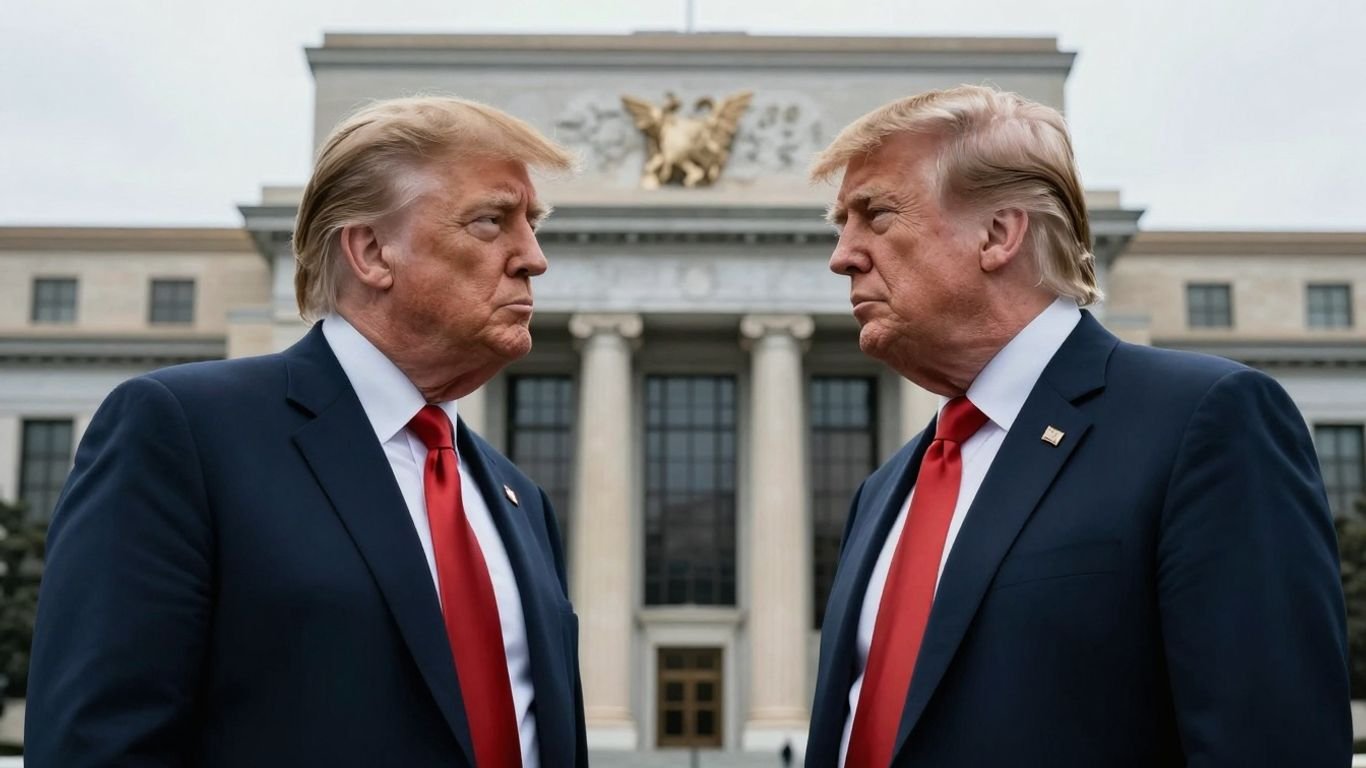
The ongoing friction between former President Donald Trump and the Federal Reserve is less about the intricacies of monetary policy and more about a fundamental clash over power. Trump’s approach suggests a desire to dismantle any institution not directly under his control, viewing the Fed’s independence as an obstacle to his absolute authority.
Key Takeaways
- The conflict highlights Trump’s broader ambition to consolidate power and eliminate perceived challenges to his dominance.
- The Fed’s status as an independent entity is seen by Trump as a direct impediment to his exercise of power.
- This dynamic suggests a potential future where presidential influence over central bank operations could be a significant point of contention.
The Fed as a Power Center
The Federal Reserve, by its very nature, operates with a degree of independence designed to insulate monetary policy decisions from short-term political pressures. This independence, however, appears to be precisely what draws the ire of Donald Trump. His public statements and past actions indicate a view of the Fed not merely as a monetary authority, but as a significant power center that he has yet to fully dominate.
Flattening Obstacles to Power
Trump’s political strategy has often been characterized by a direct confrontation with established institutions and norms. In this context, the Fed’s autonomy represents a significant obstacle. The narrative suggests a determined effort to "flatten all obstacles to his exercise of power," which would logically include any entity that can operate outside of his direct command or influence. This perspective frames the spat not as a policy disagreement, but as a territorial dispute over authority.
Implications for the Future
This ongoing tension raises important questions about the future relationship between the presidency and the Federal Reserve. If a former president views the central bank’s independence as a personal affront and a barrier to power, future administrations might adopt similar stances. This could lead to increased political pressure on the Fed, potentially undermining its ability to conduct effective monetary policy and maintain economic stability.