
10 European Countries Kicking Out Immigrants
It seems like a lot of European countries are changing their tune when it comes to immigration. With new rules coming into play and political winds shifting, many nations are looking to tighten up their borders and rethink how they handle people arriving from other countries. This article takes a look at ten European countries that are making significant changes, often leading to fewer immigrants being allowed to stay. It’s a complex issue, with different approaches being taken across the continent, and the focus is definitely on stricter policies.
Key Takeaways
- Many European nations are adopting stricter immigration policies, with new EU regulations set to take effect in 2026.
- Several countries are focusing on faster deportations, including for foreign criminals, and exploring off-shoring asylum processing.
- Political shifts, including the rise of far-right parties, are influencing these tougher stances on immigration.
- Border controls are being strengthened, and agreements are being made with non-EU countries to manage migrant flows.
- Human rights groups express concerns about potential risks for asylum seekers under these new, stricter measures.
Britain
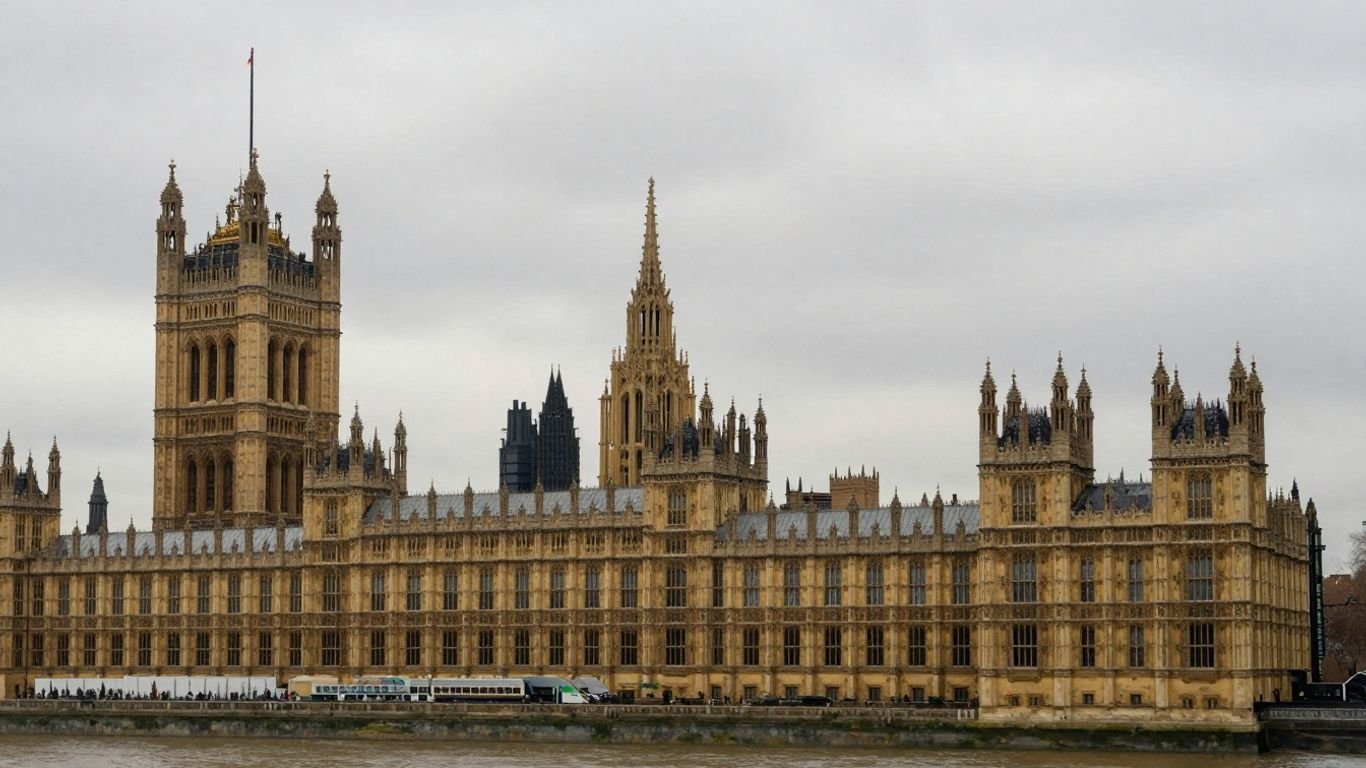
Britain’s approach to immigration has seen some significant shifts lately, with a focus on tightening rules and increasing deportations. It’s part of a broader trend across Europe where several countries are looking at ways to manage and, in some cases, reduce the number of foreign nationals staying within their borders.
One of the key developments is the “one-in, one-out” pilot program agreed upon with France. This initiative aims to send migrants who arrive in small boats back to France. For every migrant Britain deports under this scheme, they’re supposed to accept an equivalent number of asylum seekers who have family ties to the UK. It’s a pretty complex arrangement, and the numbers involved are closely watched.
Beyond this specific agreement, the UK is also looking at longer-term changes to legal migration pathways. There are plans to extend the time it takes for foreign workers to gain settled status, potentially doubling it to 10 years. Refugees might have to wait much longer, like 20 years, before they can apply for permanent settlement, a big jump from the current five years. Their status could also be reviewed more frequently, and they might be sent back home if conditions there change and are deemed safe.
These policy adjustments are happening in a climate where immigration remains a hot topic. Governments are feeling pressure, often from rising right-wing parties, to take a firmer stance. It’s a balancing act, trying to address public concerns while also considering the humanitarian aspects of migration. The UK’s actions are part of a wider European conversation about how to handle countries expelling foreign nationals and manage borders effectively in the coming years.
France
France, like many European nations, is grappling with how to manage immigration, especially with the upcoming EU asylum overhaul in 2026. The political climate here has been influenced by the rise of anti-immigrant parties, pushing the government to look at stricter measures.
One area of focus is increasing the number of deportations. Official figures from February showed that deportations went up by more than a quarter last year, reaching 22,000 people. This push for more returns is part of a broader European trend to tighten borders and streamline asylum processes.
The government is exploring various avenues to handle migration more effectively, balancing national concerns with international obligations. This is a complex issue with no easy answers.
There’s also a cooperative element, particularly with Britain. They’ve agreed to a pilot program where Britain sends undocumented migrants back to France. In exchange, Britain accepts a similar number of asylum seekers who have ties to the UK. This kind of bilateral agreement highlights the interconnectedness of migration challenges across the continent.
However, these policies aren’t without their critics. Rights groups have raised concerns that forcing people back to their home countries could put them in danger, especially if those countries are unstable. They also worry about families being separated and access to basic services being cut off.
Here’s a look at some of the key aspects:
- Increased Deportations: A significant rise in the number of people being sent back to their home countries.
- UK-France Cooperation: A joint effort to manage migrant returns across the English Channel.
- Policy Scrutiny: Ongoing debate and concern from rights groups regarding the human impact of stricter immigration rules.
- EU Pact Influence: Anticipation of the EU’s new asylum and migration pact coming into effect in 2026, which will likely shape future policies.
Germany
Germany’s approach to immigration has seen some significant shifts, especially since the large influx of asylum seekers back in 2015. You might remember Chancellor Angela Merkel’s famous phrase, “Wir schaffen das” – “We can do it.” At the time, it felt like a really open and welcoming statement, and honestly, a lot of people were moved by the images of Germans welcoming refugees. It was a moment that really defined that period.
But let’s be real, things got complicated fast. That initial wave of optimism ran into some serious political headwinds. Concerns about integration, strain on resources, and security started to bubble up. It wasn’t long before the government had to start thinking about tighter controls. The political landscape shifted dramatically, and what was once seen as a humanitarian gesture became a major point of debate.
Fast forward to today, and Germany is looking at stricter measures. The current coalition government has been talking about making it harder for undocumented asylum seekers to stay, potentially allowing deportations to places like Syria and Afghanistan, and even putting a pause on family reunifications. They’re also exploring the idea of processing asylum claims outside of Germany, which is a pretty big change from how things used to be.
Here’s a quick look at some of the proposed changes:
- Stricter rules for undocumented asylum seekers.
- Exploring deportations to certain countries.
- Considering suspending family reunions.
- Looking into processing asylum applications abroad.
It’s a complex situation, for sure. On one hand, there’s the need to manage borders and address public concerns. On the other, there’s the ongoing challenge of labor shortages in certain sectors, which means Germany still needs workers. It’s a balancing act that many European countries are grappling with right now.
Poland
Poland has been taking a pretty firm stance on immigration lately. It feels like the whole European Union is tightening up, and Poland is right there with them. Back in July, they actually put temporary border controls in place with Germany and Lithuania. This wasn’t just out of the blue; it was a reaction to fears about migration straining the Schengen zone, you know, that whole passport-free travel area.
Things have gotten pretty heated in the public discussion about immigration here. You’ve seen some far-right groups even organizing what they call “citizens’ patrols” along the western border. It’s a sign of how much this issue is on people’s minds.
Back in 2024, Poland even temporarily suspended the right to asylum. The official reason was to stop people from crossing the border illegally from Belarus, which has been accused of working with Russia to use migration as a tool. But, you know, activists weren’t happy about that, saying it goes against the constitution and could push migrants into the hands of smugglers.
Here’s a quick look at some of the actions:
- Temporary border controls introduced with Germany and Lithuania.
- Temporary suspension of the right to asylum.
- Public debate fueled by far-right groups.
The government’s approach seems to be about control and security, reflecting a broader trend across Europe where migration is a really sensitive topic.
It’s a complex situation, for sure. Poland’s actions reflect a wider European trend of tightening borders and reconsidering asylum policies.
Italy
Italy’s approach to immigration has seen some significant shifts lately, with a focus on streamlining processes and, in some cases, externalizing border management. The government has been working on making it easier for non-EU nationals who want to live and work in the country to get the necessary permits. They’ve introduced a single, digital application process to simplify things.
One of the more talked-about policies involves an agreement with Albania. Under this deal, Albania is set to host a certain number of migrants annually, with Italy footing the bill. The idea is to process some asylum claims outside of EU territory. While the centers were supposed to be fully operational by mid-2026, there have been some legal hurdles and challenges, including rulings that questioned the detention of migrants there.
Here’s a quick look at some key aspects:
- Digital Application: A new, single digital permit is being rolled out for non-EU workers, aiming to speed up approvals.
- Albania Deal: An agreement to process migrants in Albania, though facing legal scrutiny.
- Focus on Returns: Like many European nations, Italy is looking at ways to increase the return of individuals whose asylum claims are not successful.
It’s a complex situation, balancing the need for labor with managing irregular arrivals. The country is also looking at ways to make it simpler to deport foreign criminals, a move supported by several EU members.
The Italian government is trying to find a middle ground, making it easier for those who are needed for the workforce while also trying to manage the flow of people arriving. It’s a balancing act that many European countries are grappling with right now.
This push for more efficient processing and external agreements is part of a broader European trend as the EU’s new asylum and migration pact gets ready to take effect. It’s all about trying to get a better handle on migration flows.
Greece

Greece has been dealing with a lot of arrivals lately, and it’s definitely a tough situation. They’ve even stopped processing asylum claims from North Africa for a bit, which shows how much pressure they’re under. The government is pushing for the EU to set up these ‘migrant return hubs’ in Africa. The idea is to speed up sending people back to countries considered safe, outside of the EU. It’s a pretty big shift in how things are done.
The country is looking for ways to manage the flow of people more effectively. They’re hoping to get some help under the new EU asylum rules, which are supposed to kick in around mid-2026. It’s a complex issue, with people arriving from all over, like Sudan, Egypt, and Bangladesh, especially during the summer months. There’s a real worry about another big surge, kind of like what happened back in 2015 when over a million people came into Europe.
There have been reports about asylum seekers being pushed back at the borders by police and coast guards. In fact, the European Court of Human Rights found Greece guilty of doing this systematically to people trying to get to Turkey. It’s a really sensitive topic, and there are strong feelings on all sides about how to handle it. The whole idea of sending people back to countries outside the EU is a big part of the current discussion, and it’s something that’s happening in other places too, like with the EU’s new asylum pact.
- Temporary halt on asylum applications from North Africa.
- Push for EU-wide migrant return hubs in Africa.
- Concerns about systematic pushbacks at borders.
- Anticipation of EU asylum pact support in mid-2026.
It’s a balancing act, trying to manage arrivals while also needing workers for the economy. You hear stories about people arriving on boats, and it brings back memories of past crises. It’s a lot for any country to handle, and Greece is certainly feeling the strain.
Hungary
Hungary has really doubled down on its tough stance regarding immigration, becoming one of the most restrictive European countries deporting migrants. Back in 2015, they were one of the first to build a fence along their border with Serbia, and honestly, it feels like they’ve been sticking to that hard line ever since. The government there seems to think their approach has been proven right by what other countries are now doing, like making it harder for refugees to bring family over.
What this means in practice is that people arriving at the border without permission are often sent back immediately. They’re told they have to apply for asylum from places like Belgrade or even Kyiv, which basically makes it impossible to enter Hungary legally as a refugee. It’s a pretty strict system, and it’s even led to Hungary being fined by the EU for not meeting asylum obligations. The Hungarian minister for the EU has said they’re willing to pay the price for border protection and stability.
Despite the fence and the strict rules, people still try to cross. Austrian police, for example, have reported detecting dozens of people daily trying to enter from Hungary. Some citizen volunteers patrolling the border feel like it’s more of a show than a real solution, with organized crime finding ways around the barriers. It’s a complex situation, and it’s not just about Hungary; it’s part of a bigger trend across several european countries deporting migrants.
The country’s policies have created a situation where legal entry for asylum seekers is extremely limited, pushing many towards dangerous routes and potentially into the hands of smugglers. This approach, while prioritizing border security for the government, raises significant concerns about humanitarian obligations and the safety of vulnerable individuals.
Sweden
Sweden, a country that once proudly called itself a haven for refugees, has seen a significant shift in its immigration policies. This change didn’t happen overnight. It’s been a gradual process, influenced by a mix of public opinion, political maneuvering, and a rise in crime rates, particularly organized crime involving young people. The Sweden Democrats, a party with a strong anti-immigration platform, gained considerable ground in the 2022 elections, becoming the second-largest party. Their influence has led to stricter rules on family reunification and permanent residency, alongside a reduction in asylum quotas.
The narrative around immigration in Sweden has definitely changed. What was once a welcoming atmosphere, as described by Syrian refugee Abdulmenem Alsatouf who arrived in 2015, has become more challenging. He recalls a time when people were very kind, but over the years, and with government changes, things soured. He mentions experiencing racist incidents, feeling like he and his family were viewed as burdens rather than contributing members of society, despite learning the language and working. This sentiment highlights a growing disconnect and a feeling of being unwelcome.
Several factors are cited for this shift. While crime statistics, especially those involving foreign-born individuals and their children, are often pointed to, experts suggest a more complex picture. Issues like lower education levels, unemployment, social segregation, and the trauma of war experienced by refugees also play a role. It’s not simply about being a migrant, but the circumstances surrounding their arrival and integration.
The rise of social media has also been a factor, allowing far-right messages to spread and find traction among those who feel left behind or excluded from society. This has made it more socially acceptable to express anti-immigrant sentiments.
Recent legislative amendments, effective from October 1, 2024, have further tightened the requirements for acquiring Swedish citizenship through notification, making the process more stringent. This move reflects the government’s direction towards a more restrictive approach to immigration and integration, impacting how people can become part of Swedish society.
Here’s a look at some of the policy changes:
- Stricter Family Reunification: Making it harder for migrants to bring family members to Sweden.
- Tighter Residency Rules: Increased requirements for obtaining permanent residency.
- Reduced Asylum Quotas: Significantly lowering the number of asylum seekers accepted into the country.
- Focus on Deportations: Increased efforts to deport individuals who do not meet the new, stricter criteria.
Denmark
Denmark has been making some pretty significant shifts in its immigration policies lately. It feels like a real tightening of the rules, aiming to get a better handle on who’s coming in and why. The government is really focused on making the process more controlled.
Starting January 1, 2026, some new regulations are in play. Think higher fees for applications and a bump in the minimum salary requirements for certain types of immigration. They’re also narrowing down the kinds of applications that will even be considered. It’s a pretty clear signal that they want to manage immigration more effectively.
Here’s a quick look at some of the changes:
- Increased application fees.
- Higher minimum salary thresholds.
- More restricted eligibility for certain applications.
This move aligns with a broader trend we’re seeing across Europe, where countries are re-evaluating their immigration strategies. It’s a complex issue, balancing humanitarian concerns with national interests and economic needs. Denmark’s approach seems to be leaning towards a more selective model.
The country is trying to strike a balance between its international obligations and domestic concerns about integration and resources. This shift reflects a wider European conversation about how to manage migration flows in the coming years.
It’s definitely a topic that sparks a lot of debate, and Denmark’s latest moves are a big part of that ongoing discussion about immigration policies in the region.
Austria
Austria is definitely making waves when it comes to its approach to immigration. It’s one of those countries with strict immigration policies that’s really tightening things up. You’ll find it on many a list of european nations sending people away, and they’re not shy about it.
Lately, Austrian police have been reporting a steady stream of people trying to cross the border illegally from Hungary. We’re talking about dozens every single day, though that’s just the number they catch. It shows that despite the fences and patrols, people are still trying to get in.
Here’s a look at some of the measures Austria has been involved in:
- Pushing for easier deportations: Austria has been among a group of nine EU countries that have called on the EU to simplify the process for deporting foreign criminals. This is a big deal for countries trying to manage their populations.
- Border control focus: There’s a strong emphasis on border control, with Austria participating in discussions and initiatives aimed at strengthening external borders and managing irregular arrivals.
- Cooperation with neighbors: Austria works closely with neighboring countries, like Hungary, to manage border crossings and address migration flows. This often involves shared strategies and information.
It’s clear that Austria is part of a broader trend across Europe where governments are looking for ways to control who enters their borders. This is a complex issue, with many different viewpoints on how best to handle it. The focus seems to be on making it harder for those without legal status to remain and on speeding up the removal of individuals who don’t meet the criteria for staying. This is part of a larger EU effort to overhaul its asylum and migration system, with new rules set to take effect in 2026. The goal is to reduce the number of people arriving irregularly, and Austria is playing its part in that push.
The political climate in Europe has shifted, with many nations, including Austria, adopting more restrictive stances on immigration. This is often driven by public opinion and the rise of political parties advocating for tighter controls. The aim is to streamline processes for removing individuals who do not qualify for asylum or residency, while also managing the flow of legal migration pathways.
So, What’s Next?
It’s clear that Europe is going through some big changes when it comes to immigration. With new rules coming in and a lot of political talk, things are definitely shifting. While some countries are really cracking down, others are trying different approaches. It’s a complicated situation, and honestly, it’s hard to say exactly what will happen down the road. One thing’s for sure, though: this topic isn’t going away anytime soon, and how these countries handle it will keep being a major story.
Frequently Asked Questions
Why are European countries changing their immigration rules?
Many European countries are updating their immigration rules because of growing concerns about the number of people arriving. Political parties, especially those on the right, have gained popularity by focusing on stricter border control. These changes are also happening as the European Union gets ready to put a new asylum and migration plan into action in 2026, aiming to manage immigration more effectively.
What is the new EU asylum and migration pact?
The new EU asylum and migration pact is a set of rules that will change how countries in the European Union handle asylum applications and immigration. It’s set to start in June 2026 and is designed to make it easier to deport people who don’t qualify for asylum and to speed up border checks. Countries are also looking at ways to process asylum requests outside the EU.
Are deportations increasing in Europe?
Yes, some European countries are increasing deportations. For example, France saw its deportations rise by more than a quarter last year. Several countries, including Italy, Denmark, Austria, and Poland, have asked the EU to make it simpler to send back foreign criminals.
What are some specific examples of new immigration policies?
In Britain, it will take much longer for foreign workers and refugees to get permanent residency. France is working to send more people back to their home countries. Italy has made a deal with Albania to process migrants there. Germany is looking at ways to reject asylum seekers at the border and possibly process applications abroad.
What do rights groups say about these new policies?
Rights groups are concerned that these new rules could put people at risk. They worry about people being wrongly detained or sent back to dangerous countries where they might face violence or unfair treatment. They also believe that separating families and not providing basic services like healthcare is a major problem.
Have all European countries become stricter on immigration?
While many countries have tightened their rules, Spain is taking a different approach. Spain plans to legalize a large number of undocumented immigrants over the next few years to help boost its workforce, especially as its population gets older. They are also working on relocating unaccompanied minors.