US Military Slows Islamic State Detainee Transfers to Iraq Amid Repatriation Calls
Transfers of Islamic State detainees from Syria to Iraq by the U.S. military have reportedly slowed this week, according to seven sources familiar with the matter. This development follows recent calls from Baghdad urging other nations to repatriate thousands of foreign jihadists currently held in Iraq.
Key Takeaways
- U.S. military transfers of Islamic State detainees to Iraq have decreased.
- The slowdown coincides with Iraq’s push for other countries to take back their foreign fighters.
- The exact reasons for the reduced transfers remain unclear.
Background of Detainee Transfers
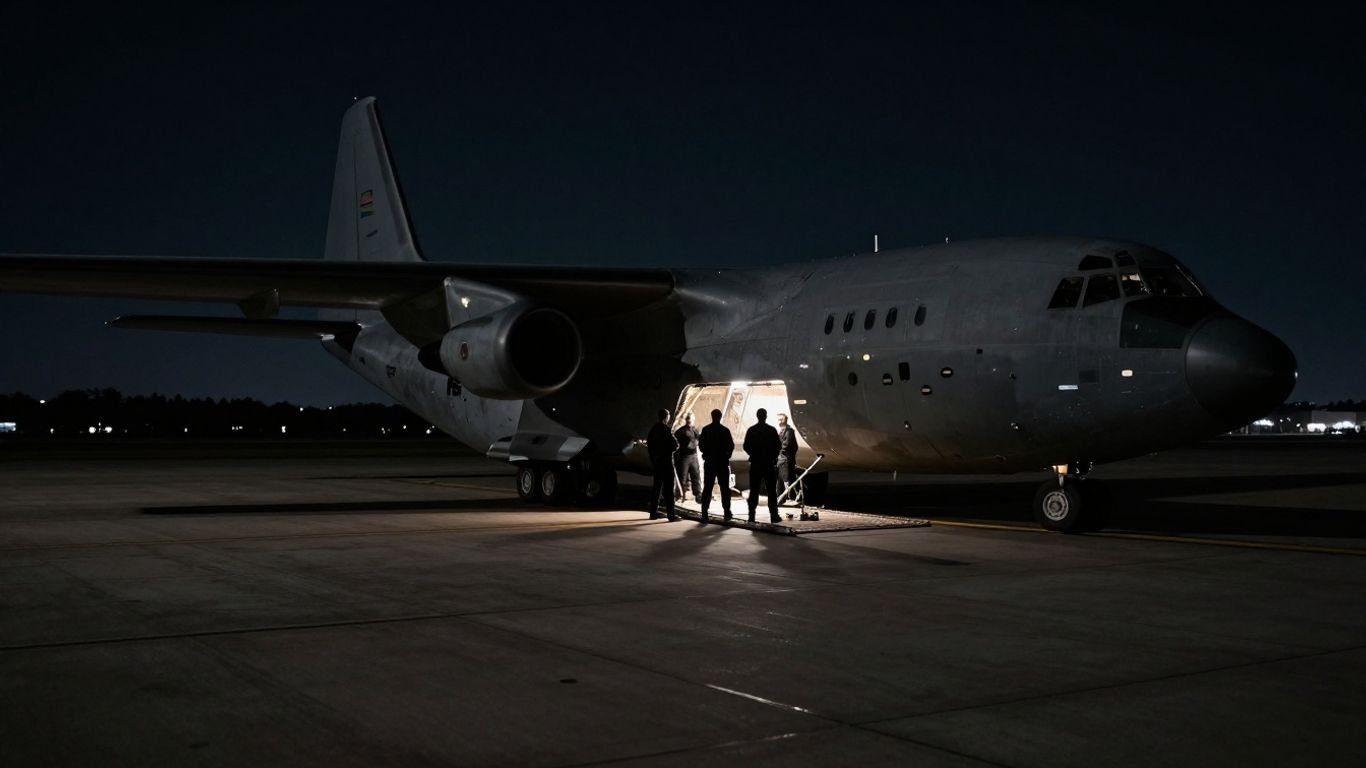
The U.S. military has been involved in transferring detainees, believed to be members of the Islamic State (IS) group, from Syria to Iraq for processing and detention. This practice has been ongoing as part of efforts to manage the security implications of the defeated IS caliphate in the region.
Iraq’s Push for Repatriation
Baghdad has been increasingly vocal in its demands for countries of origin to take responsibility for their citizens who joined IS and are now held in Iraqi prisons. Iraq argues that it cannot indefinitely house and prosecute thousands of foreign fighters, many of whom are accused of serious crimes.
The Iraqi government has expressed concerns about the strain on its resources and the potential security risks associated with holding such a large number of foreign nationals. The calls for repatriation are aimed at alleviating this burden and ensuring that individuals are held accountable in their home countries.
Implications of the Slowdown
The reported slowdown in U.S. military transfers raises questions about the coordination between U.S. forces and Iraqi authorities, as well as the broader strategy for dealing with foreign fighters. While the exact reasons for the reduced transfers are not explicitly stated by the sources, it could be linked to ongoing diplomatic discussions or logistical adjustments.
This development could potentially impact the management of IS detainees in Syria and Iraq, as well as put further pressure on nations to accept the return of their citizens. The situation highlights the complex challenges faced by the international community in addressing the aftermath of the rise and fall of the Islamic State.