Bangladesh Election Sees Controversial Return of Banned Jamaat-e-Islami
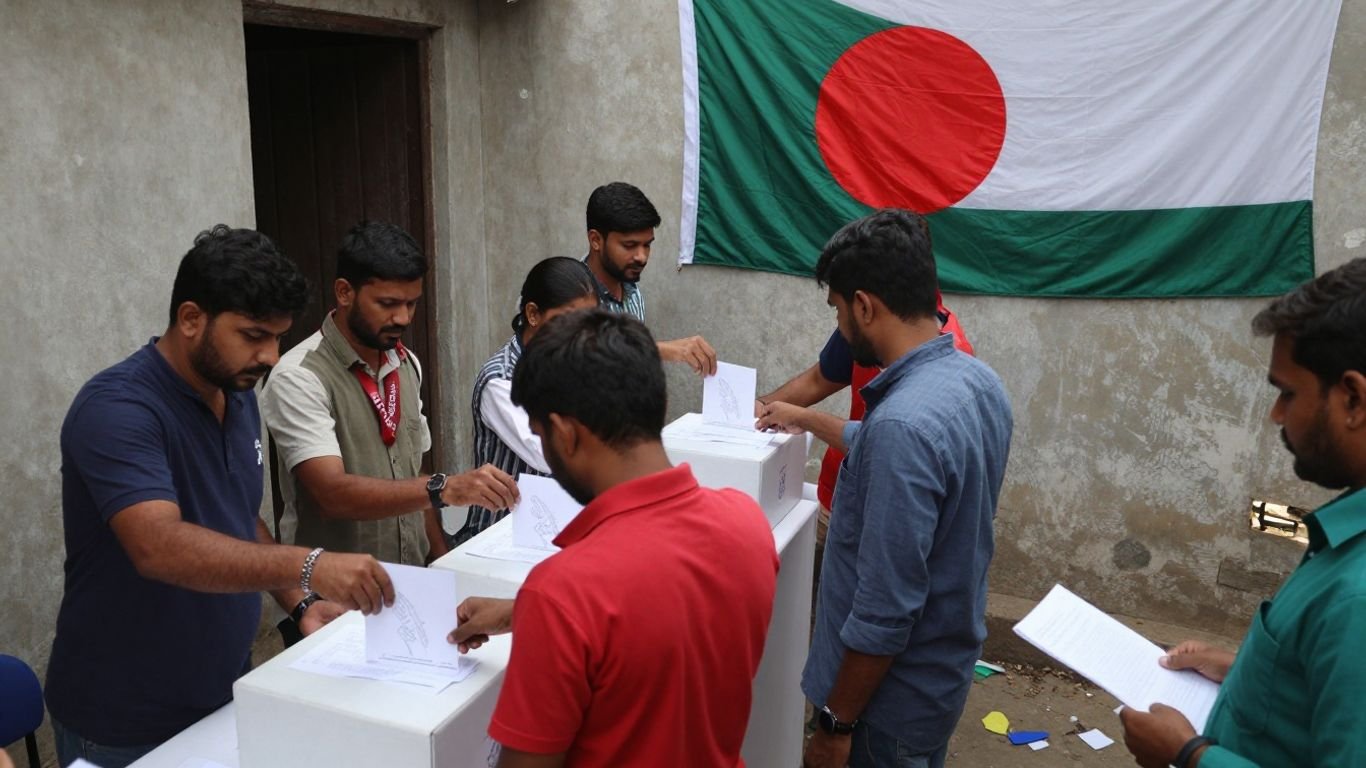
Bangladesh is heading towards a general election, with a significant development being the potential return of the Jamaat-e-Islami party. Previously banned, the party’s re-emergence in the political landscape has sparked debate and raised questions about the future direction of the country’s democracy and its political stability.
Key Takeaways
- The Jamaat-e-Islami, a party with a history of controversy, is seeking to participate in upcoming elections.
- Its potential return has ignited discussions about political inclusivity and the implications for Bangladesh’s democratic process.
- International observers are closely monitoring the situation, given the party’s past associations and the broader geopolitical context.
The Jamaat-e-Islami’s Political Trajectory
The Jamaat-e-Islami, a religious and political party, has a complex history in Bangladesh. It was once a significant force but faced a ban due to its alleged role in war crimes during the 1971 Liberation War. The party has since been working through various legal and political channels to regain its footing.
Implications for the Election
The potential participation of Jamaat-e-Islami in the upcoming general election introduces a new dynamic. Analysts suggest that its inclusion could shift the political balance, potentially impacting the strategies of major parties like the Awami League and the Bangladesh Nationalist Party (BNP). The decision to allow or disallow the party’s participation rests with the Election Commission and the judiciary, making it a focal point of legal and political maneuvering.
International Scrutiny
Bangladesh’s electoral processes are often under international observation, particularly given the country’s strategic importance in South Asia. The re-emergence of a party with Jamaat-e-Islami’s background is likely to attract attention from human rights organizations and foreign governments concerned with democratic norms and stability in the region. The outcome of this situation could have ripple effects on foreign relations and international aid.

![[Donald Trump] sues [Hillary Clinton] over Russiagate lawsuit.](https://countrybrief.com/wp-content/uploads/2025/11/thumbnail-132-768x432.jpeg)