Comedy Writer Warns US Congress of Free Speech Erosion Amidst ‘War on Dissent’
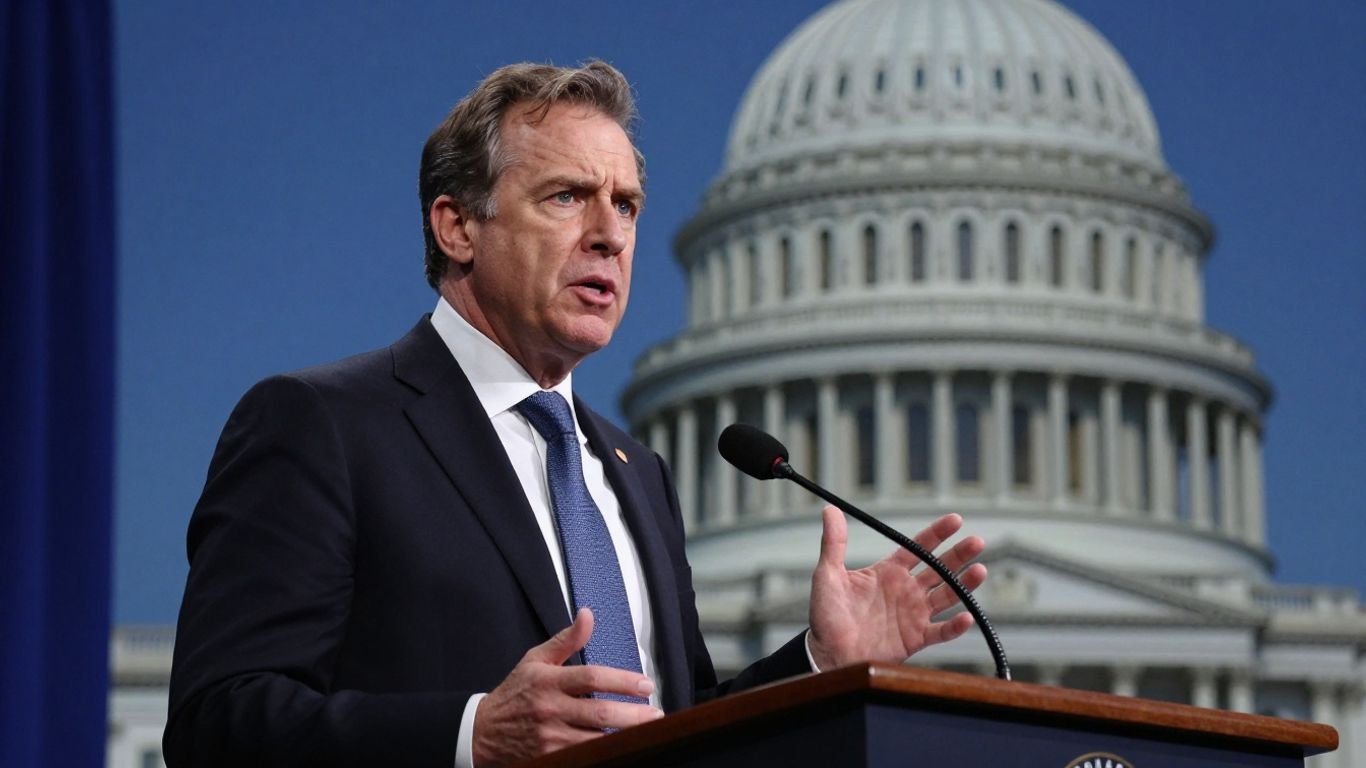
Comedian and writer Graham Linehan, previously arrested for gender-critical tweets, has testified before the US Congress, sounding the alarm on what he describes as a "war against dissent" fueled by trans ideology. Linehan shared his experiences of facing legal repercussions and social ostracization in the UK for expressing views on gender identity, drawing parallels to broader concerns about free speech suppression.
Key Takeaways
- Graham Linehan, a UK-based comedy writer, testified before a US Congressional committee.
- He detailed his personal experience of being arrested and facing legal challenges due to his public statements on gender identity.
- Linehan argued that a "war on dissent" is being waged, particularly targeting those with gender-critical views.
- He expressed concerns about the chilling effect on free speech in the UK and potentially elsewhere.
A Personal Account of Free Speech Under Threat
Linehan’s testimony focused on his own encounters with the legal system and public backlash following his outspoken views on gender. He described how his opinions, which he maintains are rooted in biological reality and critical inquiry, led to his arrest and subsequent legal battles in the United Kingdom. The writer asserted that this suppression of speech is not an isolated incident but part of a larger trend.
The ‘War on Dissent’ and Trans Ideology
The core of Linehan’s message to the US lawmakers was his assertion that trans ideology is actively engaged in a "war against dissent." He explained that individuals who question or express skepticism about certain tenets of this ideology, particularly concerning gender identity and its implications, are often met with severe consequences. These consequences, he argued, range from professional ruin and social excommunication to legal action, effectively silencing opposing viewpoints.
Concerns for Free Speech
Linehan urged the US Congress to be vigilant about the state of free speech, drawing lessons from what he perceives as a deteriorating environment in the UK. He suggested that the mechanisms used to silence dissenters, including the interpretation of hate speech laws and the influence of activist groups, could spread. His testimony served as a stark warning about the potential for ideological movements to undermine fundamental freedoms of expression.