Raskin Claims Voter ID Laws Infringe on Women’s 19th Amendment Rights
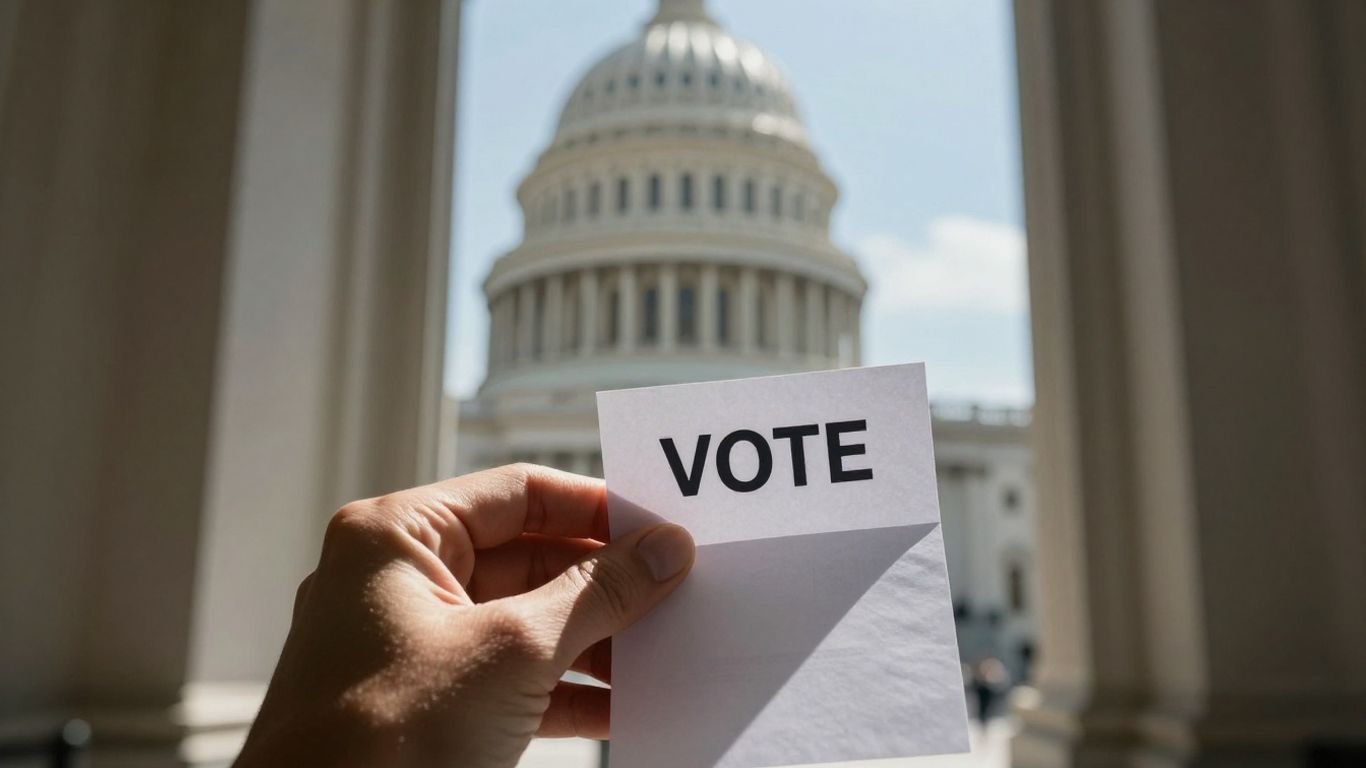
Representative Jamie Raskin has asserted that voter identification laws are unconstitutional, arguing they violate the 19th Amendment by effectively disenfranchising women. This stance challenges the legality of common election security measures, sparking debate on voting rights and access.
Key Takeaways
- Representative Jamie Raskin contends that voter ID laws violate the 19th Amendment.
- He argues these laws disproportionately affect women’s right to vote.
- The statement challenges the constitutionality of common election security measures.
Raskin’s Argument Against Voter ID Laws
In a recent statement, Congressman Jamie Raskin declared that voter identification requirements are "simply ridiculous" and unconstitutional. He specifically linked these laws to the 19th Amendment, which granted women the right to vote in the United States. Raskin’s argument suggests that the implementation of voter ID laws creates barriers that disproportionately impact women, thereby infringing upon the voting rights secured by the amendment.
The 19th Amendment and Voting Rights
The 19th Amendment, ratified in 1920, prohibits the states and the federal government from denying the right to vote to citizens of the United States on the basis of sex. This landmark amendment was a culmination of decades of activism by suffragists. Raskin’s interpretation implies that any law that makes it harder for women to vote, regardless of intent, runs counter to the spirit and letter of this constitutional protection.
Broader Implications for Election Security
Raskin’s strong opposition to voter ID laws places him at odds with many who advocate for such measures as essential for election integrity. Proponents of voter ID laws often argue that they prevent voter fraud and ensure that only eligible citizens cast ballots. However, critics, including Raskin, contend that these laws suppress legitimate votes, particularly among marginalized communities, including women, the elderly, and low-income individuals who may face greater challenges in obtaining the required identification.