
Bangladesh court sentences former prime minister to death
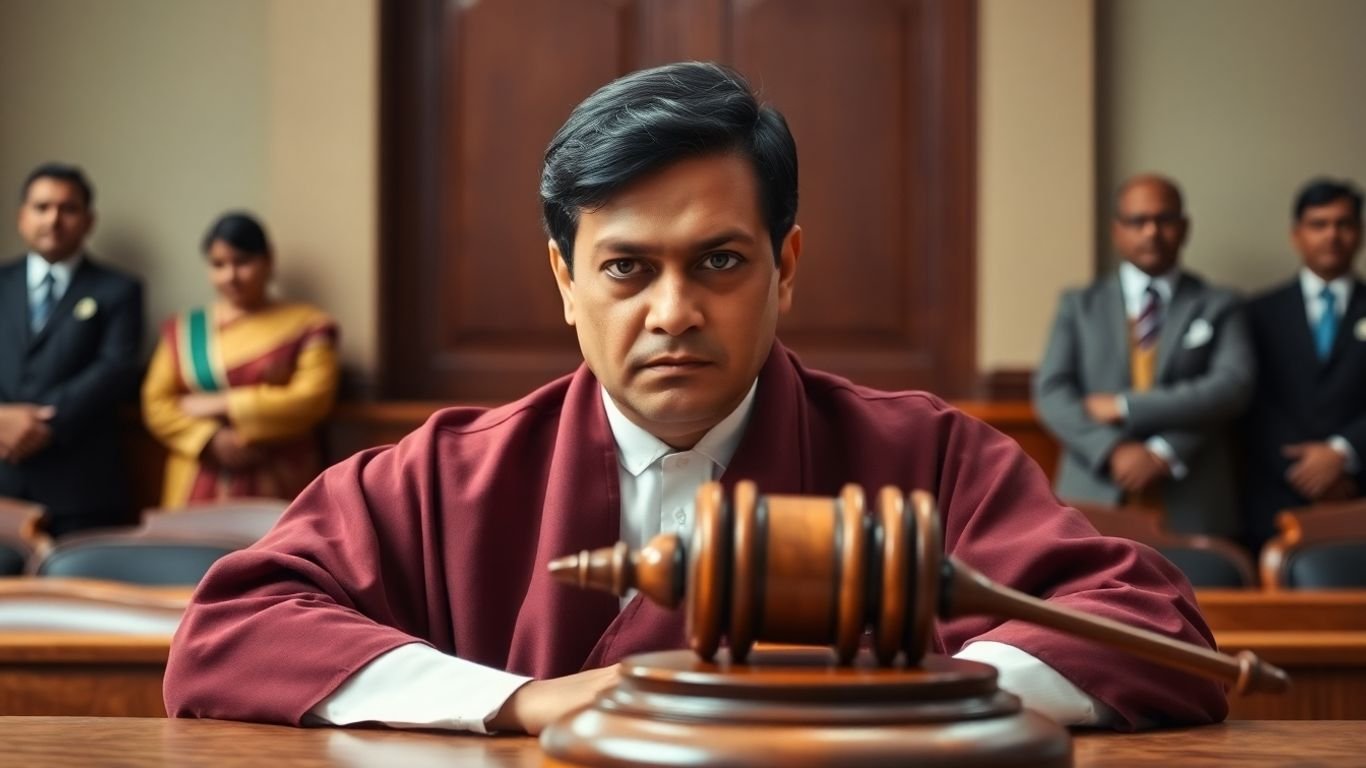
So, a big thing happened in Bangladesh recently. The former Prime Minister, Sheikh Hasina, got sentenced to death by a court. This whole trial has been going on for a while, and it’s all tied up with that student uprising that happened last year. It’s a pretty heavy situation, especially with elections coming up soon. Lots of people are watching to see what happens next.
Key Takeaways
- A court in Bangladesh has sentenced former Prime Minister Sheikh Hasina to death.
- The verdict is linked to her role in a crackdown on a student-led uprising.
- Hasina was tried in absentia after fleeing to India.
- The ruling comes ahead of upcoming parliamentary elections, raising concerns about unrest.
- The International Crimes Tribunal that issued the sentence has faced accusations of bias.
Bangladesh Court Delivers Justice
Ousted Prime Minister Sentenced to Death
Well, it finally happened. The Khaleda Zia sentence is in, and it’s a death sentence. This Dhaka court verdict is pretty shocking, even for Bangladesh. She’s been found guilty of ordering that deadly crackdown on the student protests last year. It’s a serious charge, and the court didn’t hold back. She’s also got a life sentence for crimes against humanity. It’s a lot to take in, honestly.
Verdict Follows Crackdown on Uprising
This whole mess started with those student protests back in July 2024. People were fed up with corruption, and it just exploded. What began as a call to change job allocations turned into a massive anti-government movement. It ended with the former prime minister fleeing the country. Now, this verdict is supposed to be the outcome of that whole period of unrest. It’s been a long time coming, and the country has been on edge.
International Scrutiny of Bangladesh’s Justice System
Of course, the international community is watching this closely. There are already calls for India to extradite the former prime minister, but India’s being pretty quiet about it. Some groups are also pushing to abolish capital punishment altogether. It’s a complicated situation, and everyone’s got an opinion on whether this is real justice or something else. The whole setup of the tribunal has been questioned, with accusations of bias flying around. It’s definitely not a simple black-and-white issue, and people are worried about what comes next.
The country’s justice system is under a microscope, with many questioning the fairness and political motivations behind the proceedings. The absence of the accused during the trial adds another layer of complexity to the situation.
Here’s a quick look at the charges:
- Ordering the use of lethal force against protesters.
- Crimes against humanity.
- Misuse of power.
It’s a heavy list, and the consequences are severe. The former prime minister has denied everything, calling the tribunal rigged. It’s a real mess, and it’s hard to see how things will settle down anytime soon.
The Fall of a Former Leader in Bangladesh
Ousted Prime Minister Sentenced to Death
It’s been a rough turn of events for the former PM. A Bangladesh war crimes court handed down a death sentence on Monday, wrapping up a trial that found her guilty of ordering a brutal crackdown on student protests last year. This is a pretty big deal, the most serious legal action against a past leader in decades, and it’s happening just before parliamentary elections are scheduled for early February. Her party, the Awami League, has already been blocked from running in those elections, and many are worried this verdict could just stir up more trouble.
Guilty Verdict on Multiple Charges
The former PM, Sheikh Hasina, received a life sentence for crimes against humanity and the death sentence specifically for the killings that happened during the uprising. Prosecutors laid out evidence suggesting she directly commanded the use of lethal force. Reports from a United Nations assessment indicate that as many as 1,400 people might have been killed between mid-July and early August 2024, with thousands more injured, mostly from gunfire. This violence was the worst Bangladesh had seen since its 1971 war for independence.
Trial Held in Absentia Amidst Flight to India
Hasina wasn’t actually in court for the verdict. She fled to India back in August 2024, right after the protests really kicked off. The trial proceeded without her, and she was represented by a lawyer appointed by the court. Her defense team argued the charges were baseless. Before the verdict, Hasina herself had dismissed the accusations, stating the trial was rigged and a guilty verdict was a done deal. She claimed the tribunal was set up by an unelected government and was politically motivated, aiming to eliminate her and the Awami League as a political force. The interim government, however, pushed back, saying the tribunal was transparent and that no credible human rights groups had called the process politically driven. The Ministry of Home Affairs has officially asked India to extradite both Hasina and her associate, Khan, though India’s Foreign Ministry has only acknowledged the verdict without committing to an extradition. It’s worth noting that Hasina can only appeal the verdict if she returns to Bangladesh, which would likely just add more fuel to the fire.
Life Sentence for Crimes Against Humanity
Beyond the death sentence, the former PM was also handed a life sentence for crimes against humanity. This whole situation has been brewing for a while. The protests, which started in July 2024 over government job allocations, quickly grew into a wider anti-government movement. Grievances about corruption were a major driver. The unrest eventually led to Hasina’s resignation after 15 years in power and her subsequent flight from the country. The country has been under an interim administration led by Nobel Peace laureate Muhammad Yunus since she left. While things have been mostly peaceful since her departure, political stability is still a long way off. The verdict itself has already led to some unrest, with reports of crude bomb explosions and vehicles being torched in the days leading up to the sentencing. It’s a tense situation, and many experts believe this verdict could easily reignite the cycle of violence that has unfortunately become a feature of Bangladeshi politics. One development expert noted that instead of a process of justice and reconciliation after the uprising, what we’ve seen is more like political revenge, even if many people feel it’s a form of justice they wouldn’t have otherwise achieved. The ban on the Awami League ahead of the elections only adds to the uncertainty.
Political Turmoil in Bangladesh
Parliamentary Elections Looming
Things are really heating up in Bangladesh with elections on the horizon. It feels like the whole country is holding its breath, waiting to see what happens next. The political landscape is pretty messy right now, and honestly, it’s hard to see how things will settle down anytime soon. This whole situation is a big deal for South Asia political news.
Awami League Barred from Contesting
Here’s a big one: Sheikh Hasina’s Awami League party, which has been a major player for ages, is not allowed to participate in the upcoming elections. This is a massive shake-up. The interim government, led by Muhammad Yunus, made this call. It’s a bold move, and you can bet it’s causing a lot of chatter and probably some serious anger among the party’s supporters. It makes you wonder what kind of elections these will even be.
Concerns of Renewed Unrest
With all this going on, especially the recent verdict against the former prime minister, there’s a real worry that things could get ugly again. We’ve already seen some pretty intense protests and violence. The authorities are definitely on high alert, with security forces out in full force. It feels like a powder keg, and everyone’s just hoping it doesn’t blow.
The current political climate in Bangladesh is incredibly fragile. The ban on a major political party and the ongoing legal battles create an environment ripe for further instability. It’s a tough time for the nation, and the path forward looks uncertain.
Here’s a quick look at some key points:
- The Awami League’s exclusion from elections is a major point of contention.
- Security has been significantly increased across the country.
- There are widespread fears of more protests and violence erupting.
- The international community is watching closely, especially India’s stance on extradition.
It’s a complicated mess, and frankly, it’s hard to predict how it will all play out. The country has been through a lot, and this latest chapter is just adding more drama to an already tense situation.
Bangladesh’s War Crimes Tribunal
Established to Prosecute 1971 Crimes
The International Crimes Tribunal (ICT) in Bangladesh was set up back in 2009. Its main job was to look into and put on trial people accused of war crimes during the country’s fight for independence from Pakistan in 1971. When it was first created, groups like Human Rights Watch raised concerns, saying it didn’t quite meet international standards. It’s a bit of a complicated history, and the tribunal’s setup has been a point of contention.
Accusations of Bias and Political Motivation
Many critics, including the former Prime Minister Sheikh Hasina herself, have pointed fingers at the tribunal, calling it biased and politically motivated. Hasina, who was sentenced to death, stated that the tribunal was "rigged" and run by an unelected government lacking a democratic mandate. She claims she wasn’t given a fair chance to defend herself, nor was she allowed to have lawyers of her choice represent her while she was abroad. It’s a serious accusation that the justice system might be used for political payback rather than genuine accountability.
Defense Claims Unfair Trial
The defense team for those accused, including Hasina, has consistently argued that the trials were unfair. They point to a lack of proper legal representation and the inability of defendants to provide their own testimony or call witnesses when they are not present in the country. The chief prosecutor, however, maintains that the tribunal followed international standards, drawing parallels to the Nuremberg trials. He argues that defense lawyers had ample opportunity to respond but couldn’t get instructions from their clients who had fled. This whole situation raises questions about due process when defendants are tried in absentia. The verdict can be appealed, but only if the accused return to Bangladesh, a move that could further stir up the country’s already tense political climate. It’s a tough spot for everyone involved, and the path forward isn’t exactly clear. The government has already asked India to extradite Hasina and another official, but India’s response has been cautious. This whole mess is definitely something to keep an eye on, especially with elections looming.
The Uprising That Shook Bangladesh
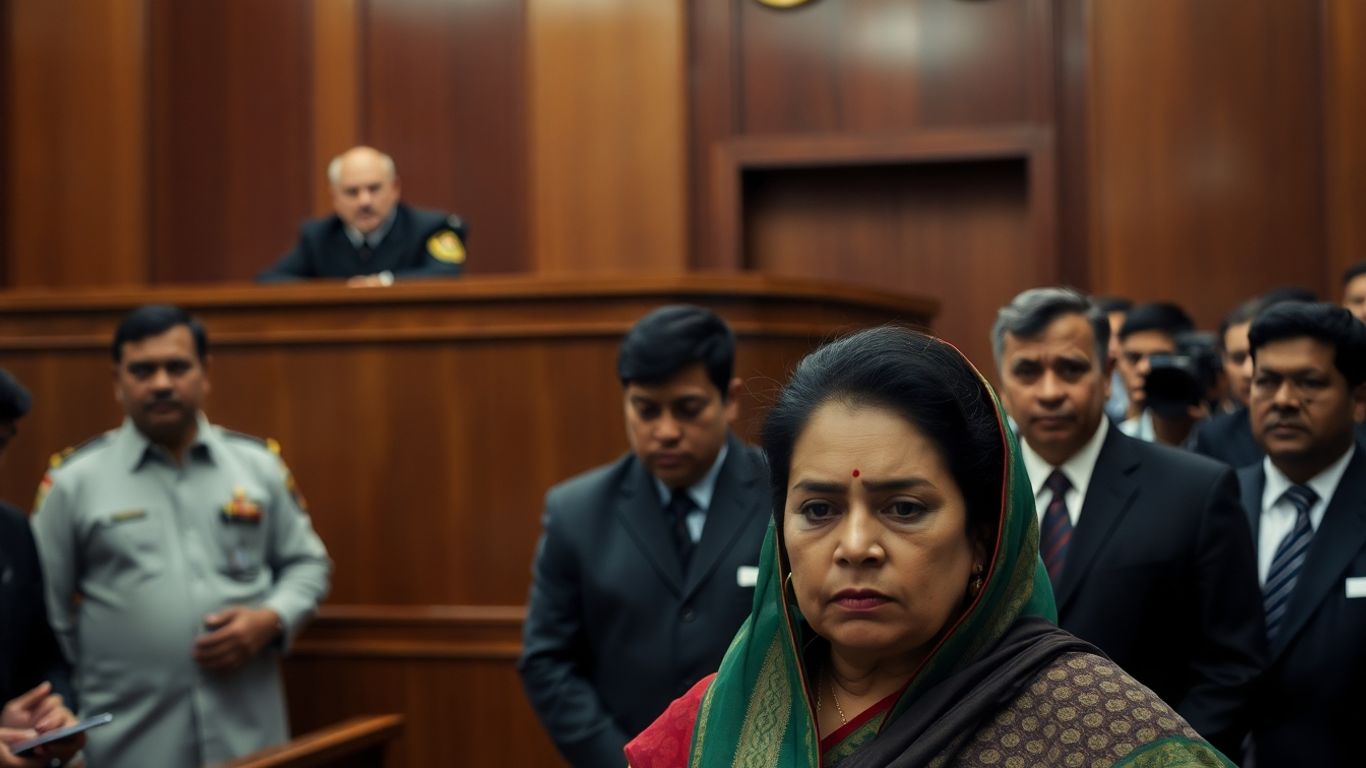
It all kicked off in July 2024, a period that really shook the nation. What started as protests against unfair government job quotas, primarily led by students, quickly spiraled into something much bigger. People were fed up with corruption and a system that seemed rigged. The demands grew from just job reforms to a full-blown call for the government’s ouster.
Student Protests Turn Deadly
The situation escalated rapidly. What began as peaceful demonstrations turned violent, with security forces cracking down hard on the protesters. Reports from the time, including a United Nations assessment, suggest a grim reality: thousands were killed, and many more were injured, often by gunfire. It was a level of violence not seen in Bangladesh since the 1971 war.
Thousands Reportedly Killed
The numbers are staggering and frankly, hard to comprehend. Estimates put the death toll in the hundreds, possibly even over a thousand, during the intense period of unrest in July and August 2024. These weren’t just statistics; they were lives lost in the pursuit of change. The sheer scale of the bloodshed left a deep scar on the country.
Demands for Government Reform
Beyond the immediate calls for job quota reform, the uprising tapped into a deeper well of public discontent. Grievances about corruption, a lack of accountability, and what many saw as an increasingly autocratic government fueled the movement. The protesters weren’t just asking for policy changes; they were demanding a fundamental shift in how the country was run. It was a clear signal that the status quo was no longer acceptable to a significant portion of the population, especially the youth who felt they had no future under the existing system. The protests eventually led to the resignation and flight of the former Prime Minister, marking a significant, albeit turbulent, moment in the country’s political history. The aftermath saw an interim government take charge, but the underlying issues that sparked the revolt remained a concern for many, especially with elections looming.
The speed at which the protests grew and the government’s response painted a stark picture of the deep divisions within the country. What started as a specific grievance quickly became a symbol of broader dissatisfaction.
International Reaction to Bangladesh Verdict
India’s Stance on Extradition
So, Sheikh Hasina is in India, and Bangladesh wants her back. The Bangladesh Ministry of Home Affairs has officially asked India to send her over, along with another figure, Khan. India’s Foreign Ministry acknowledged the court’s decision, but they’re being pretty quiet about whether they’ll actually hand them over. It’s a tricky situation, you know? India hasn’t really committed to anything yet. This whole extradition thing could get complicated, especially with elections coming up in Bangladesh. If a new government takes power and really pushes for it, India might have a harder time ignoring the request, but for now, it’s a waiting game. It’s not like India is obligated to extradite just because Bangladesh asked.
Calls for Abolition of Capital Punishment
There’s a lot of talk internationally about the death sentence itself. Human Rights Watch, for example, put out a statement saying Bangladesh really needs to make sure its justice system is fair and, importantly, get rid of the death penalty. They’ve pointed out that the tribunal set up to handle these cases, even the one that convicted Hasina, has faced criticism for not meeting international standards from the get-go. It’s a big point for a lot of international groups – they’re pushing for Bangladesh to move away from capital punishment altogether. It’s not just about this one verdict, but about the broader justice system.
Concerns Over Democratic Mandate
One of the biggest issues people are raising is about the legitimacy of the whole process. Hasina herself, and others, have been saying the tribunal was set up by an unelected government. That’s a pretty serious accusation, right? When you have an interim government, not one chosen by the people through elections, making such major decisions, it raises questions. People are worried about whether this verdict truly reflects justice or if it’s more about political score-settling. The fact that the Awami League party has also been banned from contesting upcoming elections just adds to the feeling that things aren’t exactly on the up-and-up. It makes you wonder about the future of democracy in Bangladesh when these kinds of actions are taken.
What Happens Now?
So, that’s the latest from Bangladesh. A former prime minister gets a death sentence from a court she actually set up. It’s a wild turn of events, and honestly, it feels like a lot of political games are being played. Hasina says the whole thing is rigged, which, given the circumstances, isn’t exactly shocking. The country’s already on edge with elections coming up, and this verdict is just pouring fuel on the fire. It’s hard to say what will happen next, but it’s pretty clear things are going to stay messy for a while. We’ll just have to wait and see how this all shakes out.
Frequently Asked Questions
Who was sentenced to death in Bangladesh?
A court in Bangladesh sentenced the country’s former Prime Minister, Sheikh Hasina, to death. She was found guilty of ordering a violent crackdown on student protests that happened last year.
Why was Sheikh Hasina sentenced?
The court found her guilty of ordering security forces to use deadly force against protesters during a student uprising. This led to many deaths and injuries, making it the worst violence in Bangladesh since its independence war.
Where is Sheikh Hasina now?
She fled to India in August 2024, before the trial concluded. She was sentenced in a court session that she did not attend.
What is the court that made this decision?
The sentence was given by Bangladesh’s International Crimes Tribunal, a special court set up to handle crimes from the country’s 1971 war. However, this trial was for events that happened much more recently.
What has Sheikh Hasina said about the verdict?
She has called the trial unfair and politically motivated. She believes the court was set up by a government that wasn’t elected and had no right to judge her. She denies ordering any killings.
What might happen next?
The verdict could lead to more unrest in Bangladesh, especially with elections coming up. Sheikh Hasina can appeal the decision, but she would likely have to return to Bangladesh to do so. India has been asked to send her back, but they haven’t fully committed to doing so.
One Comment