
Belgian defense minister clarifies ‘wipe Moscow off the map’ comment
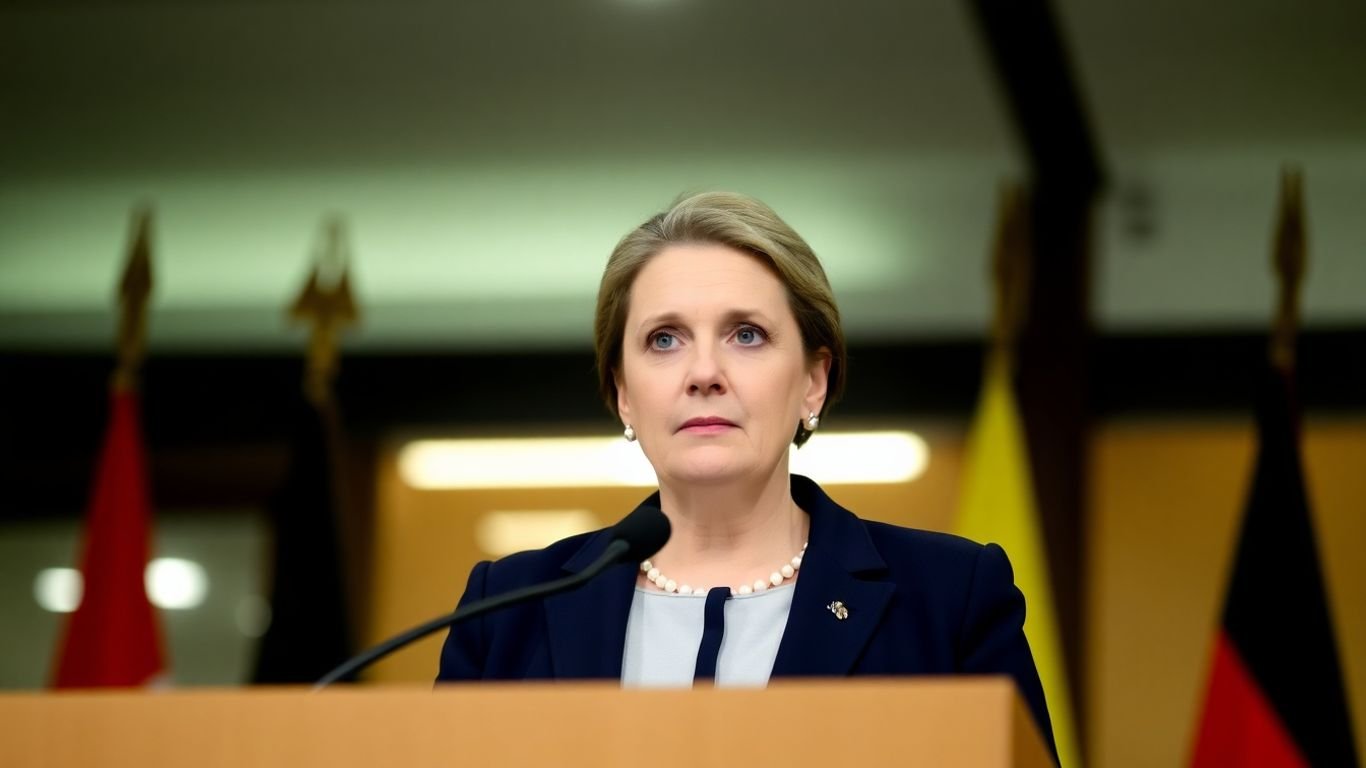
So, Belgium’s defense minister, Theo Francken, said something pretty wild about Russia. He basically said if Moscow attacks a NATO capital, like Brussels, then NATO would ‘wipe Moscow off the map.’ Naturally, Russia wasn’t too pleased about this, calling it irresponsible. It’s all part of a bigger conversation about how NATO plans to keep everyone safe and what happens if things really go south. Plus, there’s been some weird drone activity over Belgian bases, which just adds another layer to all this.
Key Takeaways
- Belgian Defense Minister Theo Francken stated that an attack on a NATO capital would result in Moscow being ‘wiped off the map,’ a comment later clarified as part of NATO’s deterrence strategy.
- Russia’s Embassy in Belgium condemned Francken’s remarks as ‘irresponsible’ and ‘absurd,’ accusing elements in Europe of ‘military psychosis’ and a ‘militarist frenzy.’
- Francken emphasized that NATO is a defensive alliance and that his statement reflects the bloc’s long-standing ‘strike back’ principle, intended to deter aggression.
- The minister expressed more concern about Russia’s ‘grey zone’ tactics, such as hybrid warfare and destabilization efforts, rather than direct missile strikes.
- Unidentified drones have been spotted over Belgian military bases, prompting an investigation and highlighting the need for improved countermeasures against aerial surveillance.
Belgian Defense Minister’s Stark Warning to Russia
This past week, Belgian Defense Minister Theo Francken made some pretty strong statements that really got people talking, especially in Russia. It all started when he was interviewed by a Belgian newspaper, De Morgen. The reporter asked him if he was worried about President Putin launching a missile, maybe even a non-nuclear one, at Brussels. Francken basically said, ‘No way.’ He explained that if Putin decided to hit Brussels, which is basically the heart of NATO, then Russia would face a massive response.
Francken stated, "If he fires a missile at Brussels, we will raze Moscow to the ground." He seemed pretty confident that Putin wouldn’t go for nuclear weapons, but he did mention being more concerned about other kinds of attacks.
Context of NATO’s Deterrence Doctrine
Francken later tried to clear things up a bit, saying his comments were all about NATO’s long-standing principle of deterrence. This is the idea that having a strong defense and the ability to retaliate makes an enemy think twice before attacking. It’s been a core part of how NATO operates for decades. He pointed out that NATO is a defensive alliance and doesn’t want to be at war with Russia. The ‘strike back’ idea is pretty much undisputed and has kept the peace, in a way, for a long time.
Clarification on ‘Wipe Moscow Off The Map’ Statement
So, what did he actually mean by that fiery statement? Francken insisted he wasn’t backing down, but he wanted people to understand it within the framework of deterrence. He believes that the threat of a severe response is what stops aggression. It’s not about wanting to attack, but about making sure no one else does. He felt the interview was taken out of context and turned into something sensational.
Concerns Over Hybrid Warfare Tactics
Beyond the dramatic talk of retaliation, Francken also brought up a different kind of threat. He mentioned that he’s actually more worried about what he called ‘hybrid attacks.’ These are the sneaky, indirect ways a country can cause trouble, like spreading disinformation, cyberattacks, or stirring up unrest within another country. He gave an example of unmarked soldiers causing problems in places like Estonia, which is a way to destabilize things without a direct military confrontation. This shows a concern for the less obvious, but still dangerous, ways Russia might try to exert influence or cause harm.
Russia’s Reaction to Belgian Remarks
When Belgian Defense Minister Theo Francken made that rather strong statement about potentially "wiping Moscow off the map" if Russia attacked Brussels, the reaction from Moscow was, predictably, quite sharp. The Russian Embassy in Belgium didn’t hold back, calling the comments "provocative" and "irresponsible." They went on to label Francken’s remarks as embodying a kind of "militarist deviation" that they see growing in Europe.
Embassy Condemns ‘Irresponsible’ Rhetoric
The embassy’s statement was pretty clear. They basically said Francken’s comments were so absurd and disconnected from reality that they were hardly worth paying attention to. It seems they felt his words were an example of what they called "military psychosis" taking hold in Western Europe. They also suggested that if it were up to people like Francken, Europe would be sending huge numbers of soldiers to fight Russia and trying to strangle the country economically. The embassy warned that this kind of policy, which they believe crosses the line of common sense, is the real threat to Europe’s future, not Russia itself, and could lead to more wars.
Accusations of ‘Military Psychosis’
Russian officials, including Deputy Foreign Minister Aleksandr Grushko, echoed the embassy’s sentiment, describing Francken’s words as fitting into an "atmosphere of military psychosis" in Western Europe. This framing suggests they see such strong rhetoric as a sign of irrational fear and aggression rather than a calculated defense strategy. It’s their way of pushing back and trying to paint NATO’s stance as overly aggressive and out of touch.
Statements Deemed ‘Absurd and Disconnected’
Essentially, Russia’s official response has been to dismiss Francken’s comments as nonsensical and detached from the actual situation on the ground. They’ve characterized the conflict in Ukraine as a proxy war initiated by NATO, and they argue that sending more weapons only prolongs the fighting. The Russian Embassy specifically called the idea of wiping Moscow off the map "sheer absurdity and total disconnect from reality." They believe that statements like Francken’s are what truly endanger the continent and could drag it into further conflict, rather than Russia’s actions.
The Russian perspective is that statements like these, rather than reflecting a genuine defensive posture, are indicative of a dangerous escalation in rhetoric that could destabilize the continent and lead to unintended consequences. They view Western arms deliveries as a primary driver of prolonged conflict.
Francken himself later tried to clarify his position, stating that his comments were meant to be understood within the framework of NATO’s long-standing deterrence doctrine. He emphasized that NATO is a defensive alliance and that its principle of striking back has been a core part of its strategy for decades. He even posted on social media, saying he stood by his words, which were taken out of context by the media. It’s a classic case of differing interpretations and a battle over the narrative surrounding European security.
Underlying Tensions Between Belgium and Russia
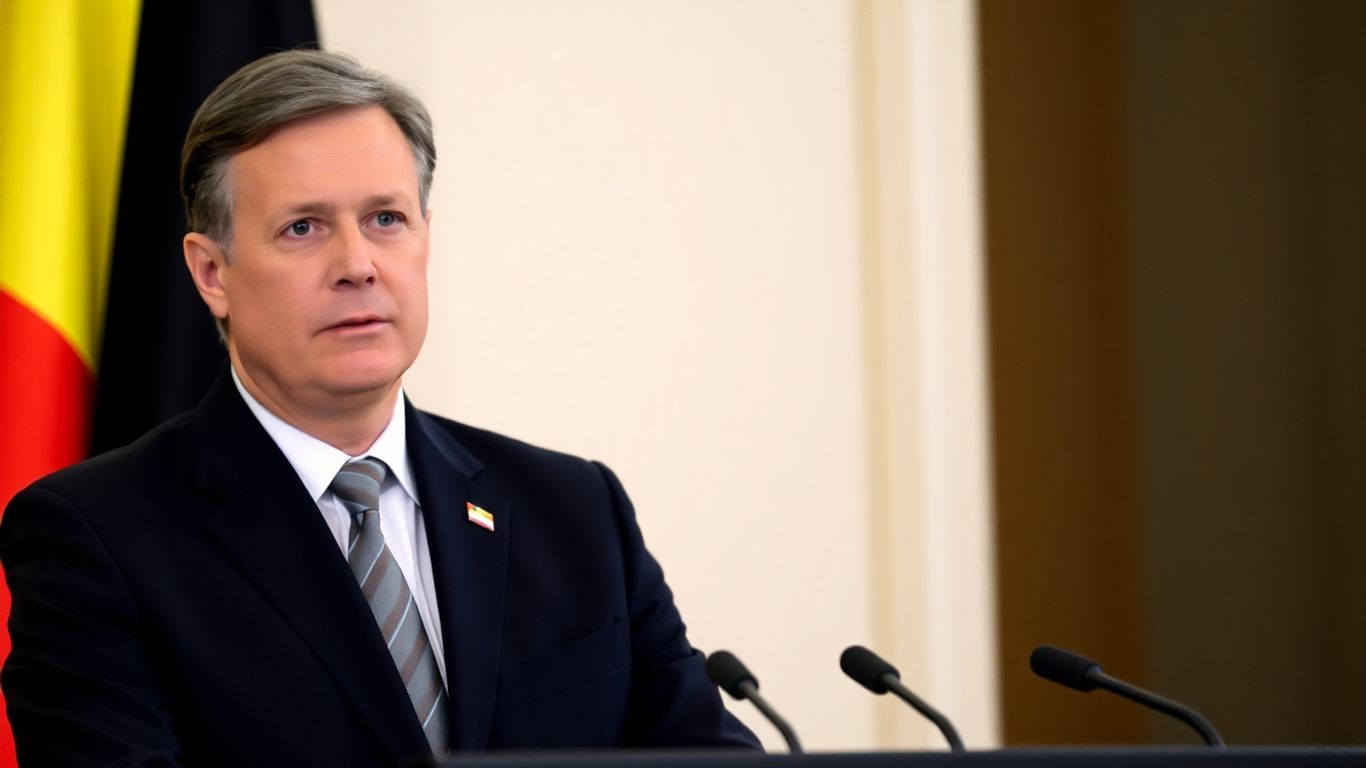
Things have been pretty tense between Belgium and Russia lately, and it’s not just about that one comment from the defense minister. It feels like a symptom of a bigger, ongoing disagreement between NATO and Russia, and Belgium, being a NATO member, gets caught in the middle.
NATO’s Defensive Stance Explained
Look, NATO is pretty clear about what it is: a defensive alliance. The whole point is that if one member gets attacked, everyone else has their back. This isn’t some aggressive club looking for a fight. It’s about making sure no single country feels like it can just pick on another without consequences. The idea is that if you know you’ll face a united front, you’re less likely to start trouble in the first place. It’s a principle that’s been around for a long time, and it’s meant to keep the peace by being strong.
Concerns Over Escalation and European Security
When statements like the one about "wiping Moscow off the map" get thrown around, even if they’re meant as part of a deterrence strategy, it can really rattle people. It sounds pretty extreme, and it’s easy to see how it could be interpreted as aggressive, even if that’s not the intention. This kind of talk just adds fuel to the fire of existing worries about European security. Everyone’s already on edge with everything going on, and these strong words can make folks feel like things are getting closer to a real conflict, which is the last thing anyone wants.
Historical Provocations and Airspace Violations
It’s not just talk, either. Russia has a history of actions that have made NATO countries nervous. We’ve seen reports of Russian aircraft or drones flying into NATO airspace without permission. These aren’t just minor slip-ups; they’re seen as deliberate actions that test boundaries and could potentially lead to dangerous situations. For example, there have been incidents where unmarked Russian soldiers, sometimes called "little green men," have appeared in neighboring countries, causing instability. These kinds of events, whether they’re airspace incursions or other forms of interference, contribute to the overall distrust and tension.
The constant back-and-forth, the strong words, and the actual incidents like airspace violations all feed into a cycle of suspicion. It makes it harder for countries to trust each other and work towards a stable future. The goal for everyone should be to avoid any kind of conflict, but these events make that goal seem a lot further away.
The Role of Deterrence in NATO Policy
Francken’s Defense of NATO’s ‘Strike Back’ Principle
Belgian Defense Minister Theo Francken has been trying to explain his recent comments about potentially wiping Moscow off the map. He’s saying these remarks should be understood within the framework of NATO’s long-standing deterrence strategy. Basically, NATO is a defensive alliance, and it has always had a principle of responding forcefully if attacked. Francken insists this ‘strike back’ idea isn’t new; it’s been a core part of how NATO keeps the peace for decades. He feels his words were taken out of context by some media outlets, leading to a lot of the current fuss.
Historical Foundation of Deterrence
Deterrence in NATO isn’t just a recent idea. It’s built on the idea that a strong defense and the credible threat of retaliation will prevent an adversary from launching an attack in the first place. Think of it like this:
- Mutual Assured Destruction (MAD): During the Cold War, this was the big one. The idea was that if one side launched a nuclear attack, the other side would retaliate with equal force, leading to the destruction of both. This made a full-scale war unthinkable.
- Conventional Deterrence: Even without nuclear weapons, having a well-equipped and ready military force can deter aggression. The potential cost of attacking a strong alliance is simply too high.
- Flexible Response: NATO has also adapted its strategy over time. This means having a range of options, from conventional military responses to nuclear ones, depending on the nature of the threat.
The core idea is to make the cost of aggression prohibitively high for any potential attacker. It’s about signaling strength and resolve, not necessarily about wanting conflict.
Implications for Russia-NATO Relations
Statements like Francken’s, even when clarified, can really stir the pot between Russia and NATO. Russia often views NATO’s defensive measures as provocative. When a NATO minister talks about striking back, even in a hypothetical scenario, it can be interpreted by Moscow as aggressive posturing. This can lead to increased tensions, more aggressive rhetoric from both sides, and a general sense of unease across Europe. It highlights the delicate balance NATO tries to maintain: being strong enough to deter threats without appearing to be the aggressor. Finding that line is always a challenge, especially in the current geopolitical climate.
Broader Implications for European Security
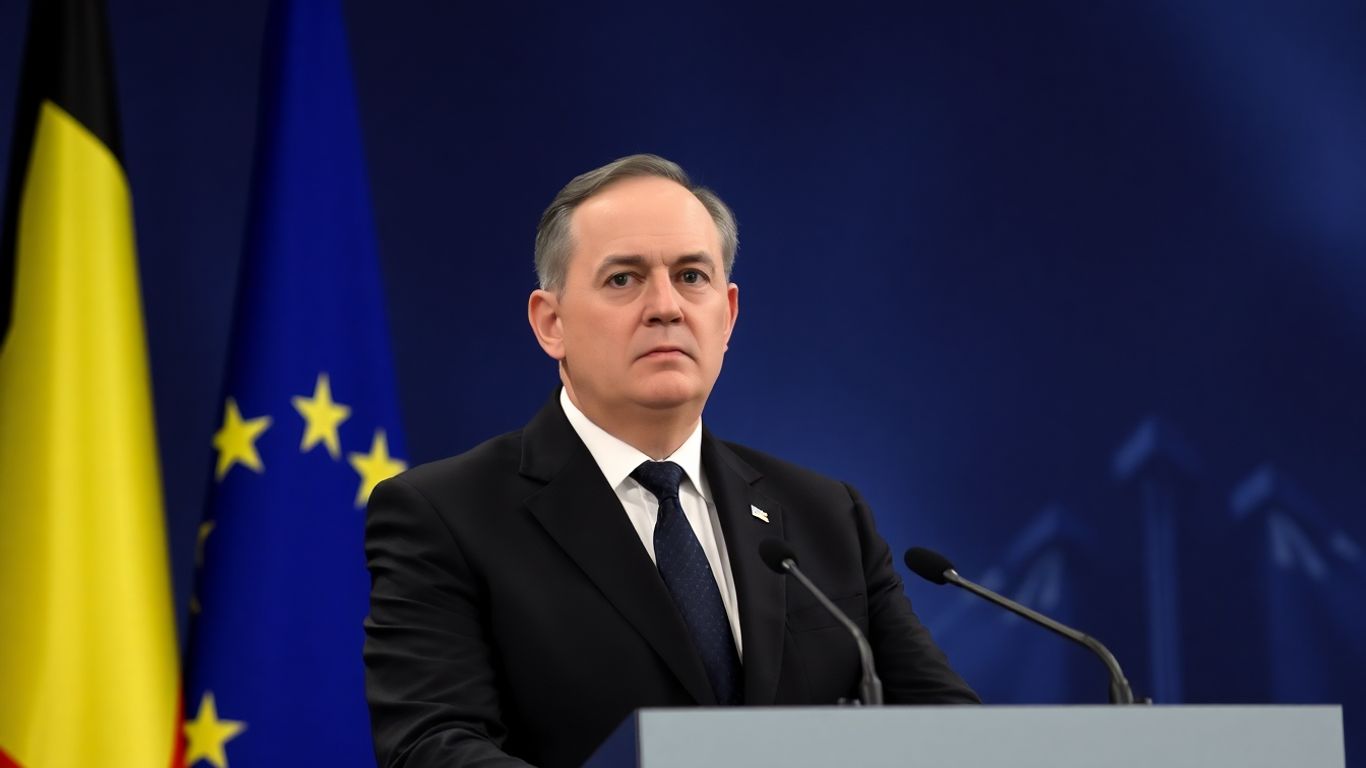
When defense ministers start talking about wiping cities off the map, it really makes you stop and think about where things are headed. Belgian Defense Minister Theo Francken’s comments, while later clarified as part of NATO’s deterrence strategy, have definitely stirred the pot. It highlights a growing tension and a kind of ‘militarist frenzy,’ as some Russian officials put it, that seems to be taking hold in parts of Europe. This kind of talk, even if intended as a deterrent, can easily be seen as provocative and escalates already shaky relations.
Concerns Over ‘Militarist Frenzy’ in Europe
There’s a real worry that the ongoing conflict in Ukraine and the general geopolitical climate are pushing Europe towards a more aggressive stance. This isn’t just about words; it’s about the mindset. When rhetoric becomes this heated, it can create an environment where diplomacy takes a backseat. It feels like a dangerous path, and frankly, it’s easy to get caught up in the noise.
- Escalating Rhetoric: Statements like Francken’s, even when explained, contribute to a cycle of strong language that can be misinterpreted or deliberately used to inflame tensions.
- Focus on Military Solutions: There’s a perception that military strength and readiness are being prioritized over diplomatic solutions, which could lead to a less stable continent.
- Public Perception: Such strong statements can influence public opinion, potentially making populations more accepting of increased military spending and a more confrontational foreign policy.
Threat to Continental Future and New Wars
This heightened military posture and the potential for miscalculation pose a significant threat to the future stability of Europe. The idea that we might be heading towards ‘new wars’ isn’t just alarmist talk; it’s a genuine concern when diplomatic channels seem strained and military posturing becomes the norm. It makes you wonder if the lessons of past conflicts are being forgotten.
The current climate, fueled by strong words and a focus on military readiness, risks creating a self-fulfilling prophecy where conflict becomes more likely simply because the tools and mindset for it are being emphasized.
Western Arms Deliveries to Ukraine
The continuous flow of Western arms to Ukraine is a major point of contention. While the stated goal is to help Ukraine defend itself, Russia views it as direct involvement and a prolonging of the conflict. This dynamic is central to the current tensions. It’s a complex issue with no easy answers, and the implications for European security are vast.
| Item | Description |
|---|---|
| Arms Deliveries | Western nations supplying military equipment to Ukraine. |
| Russian View | Sees deliveries as prolonging conflict and direct NATO involvement. |
| European Security Risk | Increased potential for escalation and broader conflict across the continent. |
Unusual Drone Activity Over Belgian Military Bases
Minister Reports Unidentified Drones
Things have gotten a bit strange lately. Our Defense Minister, Theo Francken, recently reported that some unidentified drones were spotted flying over a military base. He mentioned this on social media, saying that a guard at the barracks in Marche-en-Famenne saw several drones hanging around for a while over important parts of the army brigade’s headquarters. He emphasized that these drones were operated by experienced pilots, and all procedures were followed properly. It’s a bit unsettling, to say the least, when you hear about this kind of thing happening.
Investigation Launched into Drone Flights
Naturally, this kind of incident has triggered a response. The police and the General Intelligence and Security Service have already started looking into these drone flights. It’s a serious matter because, as the minister pointed out, drone flights over military bases are strictly forbidden. We need to be able to deal with them effectively. It seems the previous government didn’t buy enough countermeasures, and that’s something that needs to be fixed urgently. Apparently, the paperwork for new equipment is already ready.
Urgent Need for Countermeasures
This isn’t a one-off event, either. Reports indicate that several drones were spotted again just last night, seemingly scouting critical information about key infrastructure at a military base. Back on the morning of October 3rd, a total of 15 unknown drones were seen over the Belgian military base in Elsenborn. It really highlights a gap in our defenses. We need to get better at spotting and dealing with these aerial intrusions before they become a bigger problem. It’s a clear sign that we need to step up our game when it comes to protecting our sensitive sites from this kind of aerial surveillance.
The minister’s comments about needing more countermeasures suggest a growing concern about Russia’s potential use of hybrid tactics. These drone sightings, whether they are directly linked to state actors or not, point to a vulnerability that needs immediate attention to maintain national security and NATO’s operational integrity.
So, What’s the Takeaway?
Look, it’s easy for strong words to fly around when tensions are high. Minister Francken’s comments, meant to show NATO’s resolve, definitely stirred the pot, drawing sharp criticism from Russia. While he’s since tried to explain he was talking about deterrence, the initial statement certainly got people talking, and not in a quiet way. It highlights just how sensitive these discussions are and how quickly things can escalate in the public eye. Hopefully, everyone can dial down the rhetoric a bit and focus on keeping things calm, because nobody wants to see any of those extreme scenarios play out.
Frequently Asked Questions
What did the Belgian Defense Minister say about Moscow?
The Belgian Defense Minister, Theo Francken, made a strong statement suggesting that if Russia were to attack a NATO capital like Brussels, NATO would respond by “wiping Moscow off the map.” He later explained this was part of NATO’s strategy to scare Russia away from attacking.
How did Russia react to this statement?
Russia’s Embassy in Belgium called the minister’s words “irresponsible” and “absurd.” They felt his comments were overly aggressive and didn’t reflect reality, suggesting such talk could lead to more conflict.
What is NATO’s ‘deterrence doctrine’?
Deterrence is basically a way for NATO to prevent attacks by showing that any aggression would lead to a very strong response. The idea is to make any potential enemy think twice before attacking because the consequences would be too severe.
Did the minister take back his statement?
No, he stood by his words, saying they were meant to explain NATO’s long-standing principle of striking back powerfully. He felt his interview was twisted to sound more extreme than he intended.
What are ‘hybrid warfare tactics’?
Hybrid warfare involves using a mix of methods to weaken an enemy, like spreading false information, cyberattacks, or using unmarked soldiers, rather than just direct military force. The minister mentioned he was more worried about these kinds of sneaky tactics than a direct missile strike.
Were there any unusual events related to Belgian military bases?
Yes, the minister reported that unidentified drones were seen flying over a Belgian military base. An investigation was started, and he mentioned the need for better equipment to deal with such drone activity, as it’s a security concern.




One Comment