
Caribbean Crisis 2.0: Inside the cancellation of the Putin-Trump summit
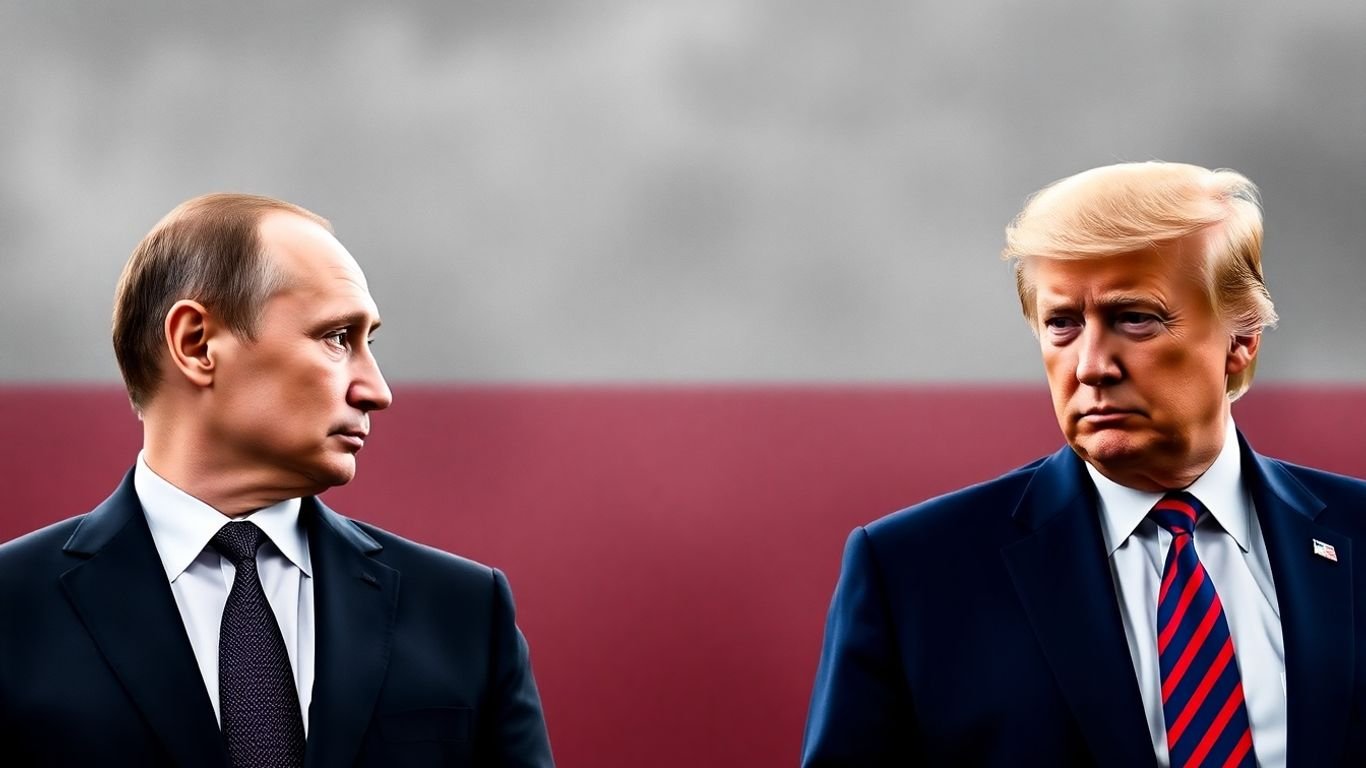
Things are looking pretty tense between the USA and Russia again, and it feels a bit like we’re stepping back in time. Remember the Cuban Missile Crisis? Well, some of that old drama seems to be playing out again, but this time with new players and different locations like Ukraine and Venezuela. It’s got everyone on edge, wondering if diplomacy will win out or if things will get way worse.
Key Takeaways
- The USA and Russia are in a standoff reminiscent of the 1962 Cuban Missile Crisis, with tensions high over Ukraine and Venezuela.
- A planned summit between Presidents Trump and Putin in Budapest was called off by the USA, citing Russian actions.
- New sanctions were imposed by the USA on Russian oil exports, targeting deals with China.
- Russia responded to the USA’s moves with large-scale nuclear exercises, showing its military readiness.
- Venezuela has become a focal point, with the USA taking action against its government while Russia strengthens its ties there, echoing Cold War proxy conflicts.
Echoes Of The Cuban Missile Crisis In The Caribbean
A New Era Of Nuclear Tensions
It feels like we’re back in the 1960s, doesn’t it? The news about Russia and the US has been pretty intense lately, and honestly, it’s hard not to draw parallels to the Cuban Missile Crisis of 1962. That whole situation, where the world held its breath as the US and the Soviet Union stared each other down over nuclear missiles in Cuba, really put things into perspective about how close we can get to disaster. Now, sixty-three years later, it seems like history is trying to repeat itself, but with different players and a different stage. The air is thick with that same kind of tension, and it’s making everyone a little nervous about what comes next. It’s a stark reminder that the old fears never really go away, they just sort of… wait for their moment.
The Ghosts Of 1962 Haunt 2025
This whole mess feels eerily familiar. Remember October 1962? That was when the US and the Soviet Union were practically nose-to-nose over Soviet missiles placed in Cuba. It was a terrifying thirteen days, and we only avoided catastrophe because of some serious, behind-the-scenes talks. Fast forward to October 2025, and here we are again. The recent phone call between President Trump and President Putin, meant to set up a summit, came after weeks of really heated exchanges about military stuff and arms control. It’s like the same old playbook is being used, just with a modern twist. The breakdown of diplomacy after the Anchorage summit really kicked things into high gear, pushing relations from a place of cautious optimism to outright confrontation.
Here’s a quick look at how things escalated:
- August 2025: The Anchorage summit, intended to ease tensions, instead became a point of conflict.
- September 2025: European allies and domestic political pressure push Trump towards a tougher stance on Russia.
- October 2025: Russia formalizes a partnership with Venezuela, leading to US sanctions and the cancellation of the Budapest summit.
The current situation, with nuclear powers exchanging sharp words and engaging in military displays, brings back memories of a time when the world teetered on the edge. The Caribbean, once again, finds itself at the center of geopolitical maneuvering, a stark contrast to its usual image of sun and sand.
US-Russia Relations On A Knife’s Edge
Things between the US and Russia have been pretty rocky, to say the least. After that summit in Anchorage back in August, it felt like any goodwill just evaporated. You had Russia’s Deputy Foreign Minister warning that the momentum from that meeting was being lost, blaming folks who wanted to keep the conflict going. It’s clear that the path to de-escalation is getting narrower by the day. The focus has shifted, and now, places like Venezuela are becoming major flashpoints, bringing back those old Cold War vibes of proxy conflicts. It’s a complicated dance, and right now, it feels like everyone is walking a very thin line. The potential for miscalculation is high, and that’s what makes this so worrying. We’re seeing a return to a more confrontational stance, which is a far cry from the hopes of cooperation that were discussed earlier in the year. The Cuban Missile Crisis serves as a chilling reminder of what happens when diplomacy fails.
The Unraveling Of Diplomatic Threads
From Anchorage Summit To Confrontation
The path from what was supposed to be a moment of de-escalation to outright confrontation was surprisingly short. The summit in Anchorage back in August 2025, which many hoped would ease the growing strain between Washington and Moscow, ended up being more of a flashpoint. Instead of building bridges, it seemed to widen the existing divides. Things really started to slide downhill after that meeting. It felt like any goodwill that was preserved there just evaporated.
European Hawks And Domestic Politics
It wasn’t just the big players making moves. There was a lot of noise from Europe, with some pushing hard for a tougher stance against Russia. These "hawks" seemed eager to turn this into a conflict that would define Trump’s presidency. At the same time, back home, Trump was dealing with his own set of problems. A government shutdown was dragging on, and there was this constant talk about him possibly winning a Nobel Peace Prize. It felt like a mix of international pressure and domestic political games were all playing out at once.
The diplomatic channels, once seemingly open, began to fray. Each side seemed to interpret the other’s actions through a lens of suspicion, making any chance of finding common ground increasingly difficult.
Russia’s Strategic Partnership With Venezuela
Then came the Venezuela angle. The U.S. had been taking actions against the Maduro government, and Russia, well, they deepened their ties with Caracas. This move really brought back memories of the Cold War, with both superpowers backing different sides in a proxy situation. It was a significant development, especially considering the timing. Just as things were heating up elsewhere, Russia formalized a partnership with Venezuela. This wasn’t a small detail; it was a clear signal of Moscow’s intentions and its willingness to challenge U.S. influence in the region.
Budapest Summit Cancellation And Sanctions
Trump’s Swift Reaction To Russian Moves
Things really went sideways after that call between Putin and Trump. It seemed like the Budapest summit was a done deal, a chance to maybe, just maybe, ease some of the tension. But then, bam! News broke about Russia and Venezuela signing a new partnership agreement. The timing was just too perfect, or maybe too awful, depending on how you look at it. It felt like a direct jab, especially with all the talk about Venezuela and US actions there. Trump didn’t waste any time. He announced he was pulling the plug on the Budapest meeting. It was a pretty dramatic move, showing that even with a summit planned, things could change on a dime.
Targeting Russian Oil Exports To China
So, Trump canceled the summit, but he didn’t stop there. He hit Russia with a new set of sanctions. These weren’t just minor penalties; they were aimed squarely at Russia’s oil exports, specifically those going to China. This was a clear message to both Moscow and Beijing, especially with Trump’s own trip to Asia coming up. It was a way to show he wasn’t playing games and that he could disrupt major economic ties if he felt pushed.
EU’s Coordinated Response And New Sanctions
Europe wasn’t just going to sit back and watch. They saw the summit cancellation as a win, a sign that they could influence the situation. Eastern European countries, in particular, made sure to remind Budapest of its international obligations, which apparently helped block Putin’s plane. The EU held an emergency meeting with Ukraine, and they talked about what to do with frozen Russian assets. They also rolled out their 19th package of sanctions. It felt like everyone was trying to get in on the action, adding their own pressure points to the situation.
Escalation And Nuclear Posturing
Russia’s Nuclear Triad Exercises
Things really started heating up when Russia decided to show off its military might. They went ahead and conducted some pretty big exercises involving their nuclear triad – that’s their land, sea, and air nuclear capabilities. We’re talking about testing the Yars intercontinental ballistic missile from Plesetsk, launching the Sineva missile from a submarine in the Barents Sea, and even flying Tu-95MS bombers with cruise missiles. It felt like a clear signal, a way of saying they were ready for anything, even if diplomacy was starting to look shaky.
US Support For Ukraine’s Missile Requests
Meanwhile, the US wasn’t exactly backing down. There was a lot of talk about Ukraine asking for more advanced weapons, specifically Tomahawk missiles. These aren’t your average missiles; they can hit targets way deep inside enemy territory. The US seemed to be leaning towards supporting these requests, especially after some pressure from European allies and domestic political groups. It was a move that Moscow definitely saw as a major escalation, especially since they felt their own disarmament ideas were being ignored.
The "Golden Dome" Missile Defense Plan
On the US side, President Trump had been pushing his own big idea: the "Golden Dome" missile defense system. Think of it as a modern take on Reagan’s old "Star Wars" concept. He was also trying to get China involved in future nuclear talks. However, Russia had its own conditions, saying any nuclear limits had to consider the combined arsenals of NATO countries, including France and the UK. Trump’s approach, with the "Golden Dome" and the push for talks that didn’t fully account for Russia’s concerns, pretty much shut down any hope for a new arms control agreement. It really put a damper on any goodwill that might have been left over from earlier meetings.
The situation felt like a dangerous game of chess, with each side making moves that seemed designed to provoke a reaction. It was hard to tell if anyone was actually trying to de-escalate, or if the goal was just to gain an advantage through displays of power and strategic positioning.
The Role Of Venezuela In The Crisis
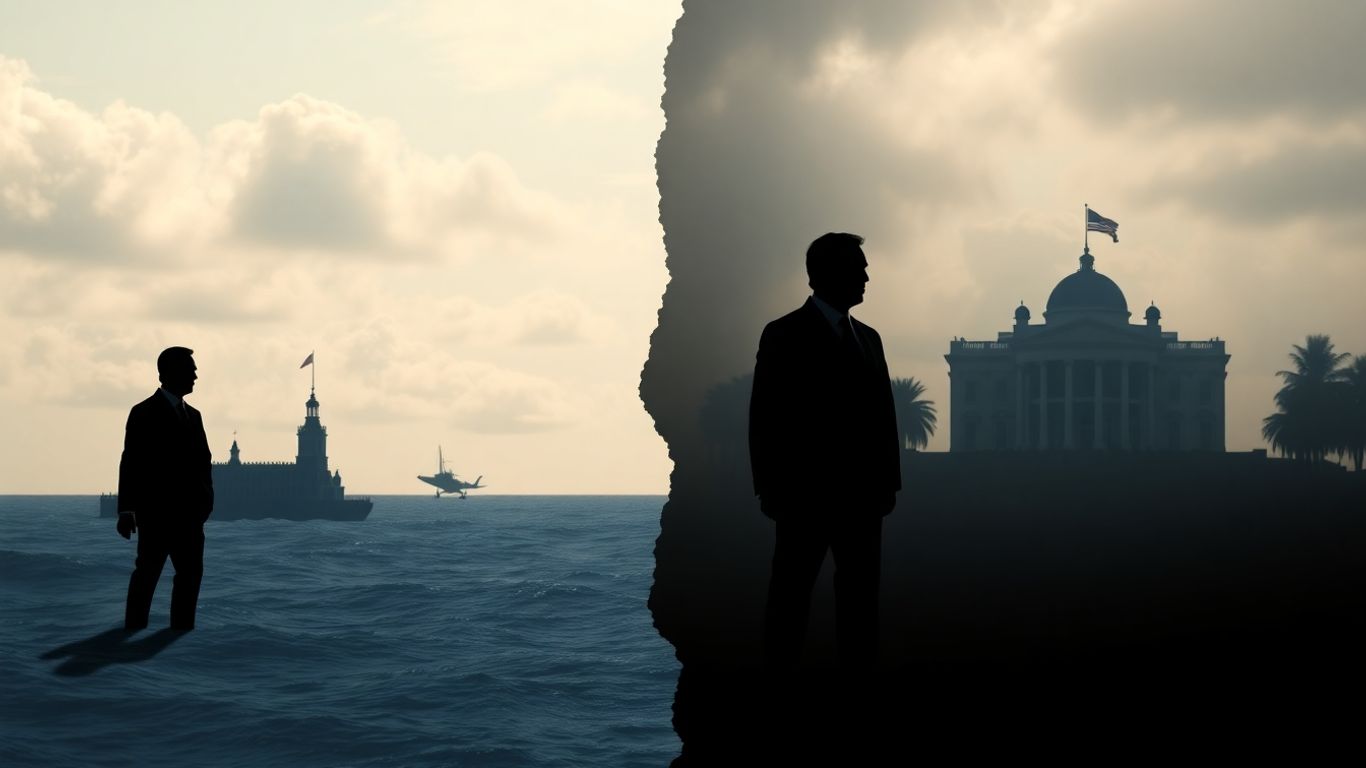
US Actions Against The Maduro Government
The situation in Venezuela really started heating up, mirroring some old Cold War proxy fights. The Trump administration, dealing with a spike in drug trafficking from Latin America, decided to go after the Maduro government in Caracas. It was a move that seemed to try and hit two birds with one stone: tightening up immigration rules back home and making a strong statement in South America. This wasn’t just talk, either. The US Department of Defense was even rebranded as the Department of War, which sounds pretty intense, right? Diplomatic ties were cut, and there were reports of Venezuelan fishing boats being destroyed. It felt like things were getting really serious, and some folks worried it was pushing us closer to direct conflict.
Russia’s Deepening Alliance With Caracas
Meanwhile, Russia was busy strengthening its ties with Venezuela. Just before a planned call between Putin and Trump, news broke that Russia had officially ratified its Strategic Partnership and Cooperation Agreement with Caracas. You can’t miss the timing on that one. It felt like a direct response to the US pressure on Maduro, showing that Moscow wasn’t backing down and was ready to support its ally. This move definitely added another layer of complexity to the whole situation, making it feel more like a global chess match.
Evoking Cold War Proxy Dynamics
This whole Venezuela situation really brings back memories of the Cold War. You know, where the big powers would back different sides in smaller conflicts without directly fighting each other. It’s like the US and Russia were using Venezuela as a stage to play out their own rivalry. The US was putting pressure on Maduro, and Russia was stepping in to support him. It’s a classic proxy dynamic, and it made the whole Caribbean region feel a lot more unstable. The awarding of the Nobel Peace Prize to Venezuelan opposition leader Maria Corina Machado by the Norwegian Nobel Committee, a group known to have ties to the Democrats, further complicated matters, potentially provoking Trump. It’s a tricky game, and it’s hard to see how it all plays out without someone getting hurt.
Here’s a quick look at the timeline of events:
- August 15, 2025: The Anchorage summit, intended to ease tensions, instead becomes a point of friction.
- October 2025: US actions against the Maduro government escalate, including the rebranding of the Department of Defense.
- October 22, 2025: Russia ratifies its strategic partnership with Venezuela.
- October 22, 2025: Trump announces the cancellation of the Budapest summit and imposes new sanctions on Russian oil exports to China.
The escalating tensions around Venezuela, coupled with Russia’s firm alliance with Caracas, created a volatile environment. This geopolitical maneuvering, reminiscent of past global standoffs, significantly contributed to the breakdown of diplomatic efforts and the eventual cancellation of the planned summit. The region became a focal point for the broader US-Russia confrontation, highlighting the complex interplay of domestic politics and international ambitions.
This whole mess around Venezuela really shows how interconnected everything is. It wasn’t just about what was happening in Ukraine or between the US and Russia directly; it was also about these other flashpoints that could easily get out of hand. It makes you wonder what other dominoes might fall next, especially with the ongoing geopolitical instability. It’s a reminder that even small conflicts can have big ripple effects across the globe.
Domestic Politics And International Ambitions
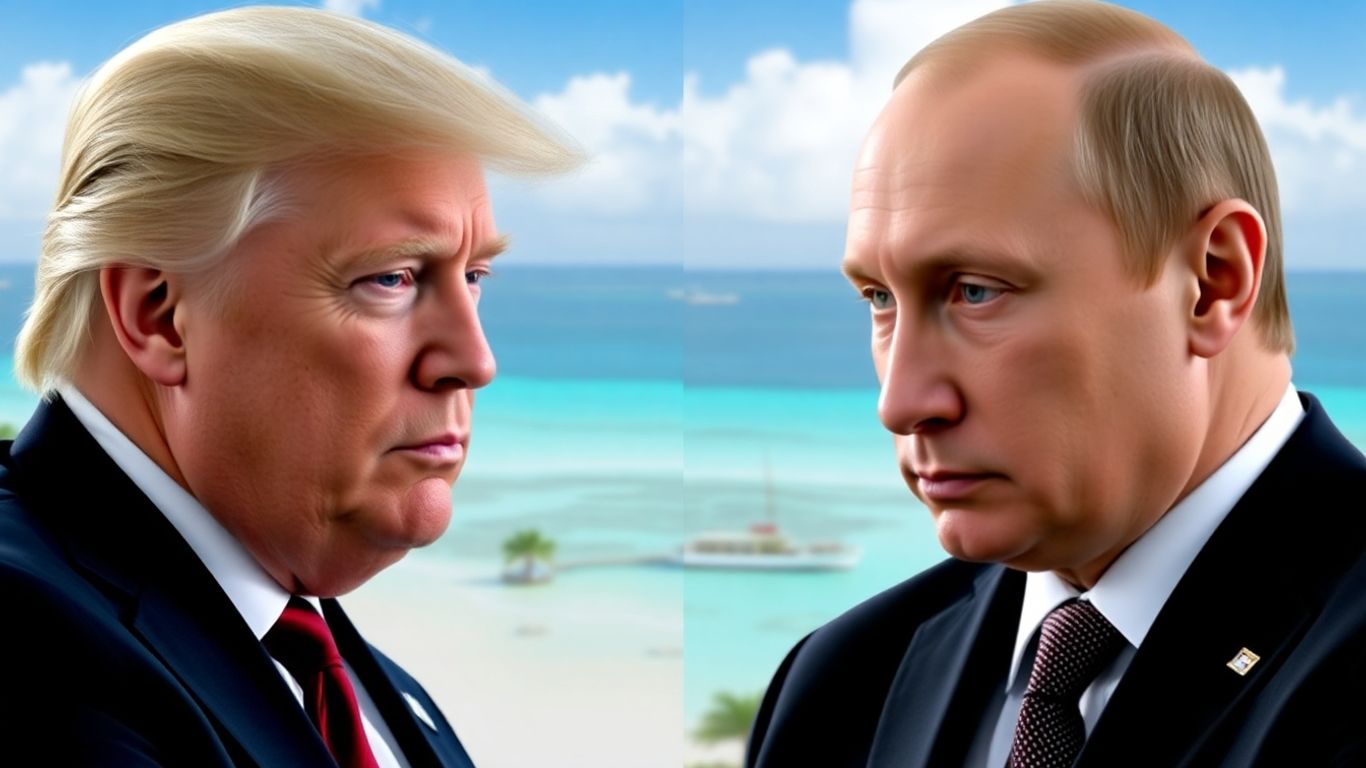
It’s pretty clear that a lot of what’s happening on the world stage right now is tied up with what’s going on back home for President Trump. He’s been eyeing that Nobel Peace Prize, right? And some folks think that desire, combined with the pressure from his opponents, really pushed things toward this whole mess.
Trump’s Pursuit Of A Nobel Peace Prize
This whole push for a Nobel Peace Prize seems to be a big deal for Trump. You know how it is when someone really wants something; they might take bigger risks. It feels like he was trying to make a grand gesture, maybe hoping to secure that prize. It’s a strange thing to focus on when the world is on edge, but hey, that’s politics.
Provoking Trump Through Global Conflicts
On the other side, you have the Democrats. They’ve been looking for ways to really get under Trump’s skin, especially since he hasn’t actually started any big wars himself, which is kind of unusual for a president these days. They found a way to do it by influencing things like the Nobel Committee, which ended up giving an award to a Venezuelan opposition leader. This was a pretty direct jab, and it happened right around the time Russia was making moves with Venezuela. It’s like they were trying to force Trump’s hand, pushing him into a corner.
The Impact Of The Government Shutdown
And then there’s the government shutdown. That whole situation really shows how much domestic issues are tangled up with foreign policy. It seems like the administration even changed the name of the Department of Defense to the Department of War, which sounds pretty intense. This move, along with actions against Venezuela, really ratcheted up the tension. It’s hard to separate what’s happening internationally from the political drama playing out in Washington. The Senate even rejected a plan that would have required Congress to approve actions related to Venezuela. It’s a mess, and it’s hard to tell where one issue ends and another begins.
What Happens Next?
So, the summit’s off. It feels like a big step backward, doesn’t it? We were hoping for some kind of breakthrough, maybe a chance to dial down the heat between the US and Russia. Instead, we’re left with more sanctions and some pretty serious-looking military drills. It’s easy to get caught up in the headlines and the back-and-forth, but the real story is how easily things can go from talking to not talking. Just like back in ’62, the real outcome of all this might not be clear for a long, long time. We can only hope that cooler heads eventually prevail, but right now, things feel pretty tense.
Frequently Asked Questions
What was the Cuban Missile Crisis?
The Cuban Missile Crisis was a really scary time in 1962 when the United States and the Soviet Union almost went to war with nuclear weapons. It happened because the Soviet Union put nuclear missiles in Cuba, which is very close to the U.S. They eventually took the missiles out after a lot of talks.
How is the current situation like the Cuban Missile Crisis?
The current situation is compared to the Cuban Missile Crisis because tensions between the U.S. and Russia are very high again, almost like they were back then. There are worries about nuclear weapons and disagreements over places like Ukraine and Venezuela.
Why was the Putin-Trump summit canceled?
President Trump canceled the planned meeting with President Putin. He said it didn’t feel like the right time to meet. This happened after Russia and the U.S. had disagreements, and the U.S. put new rules, called sanctions, on Russia.
What role did Venezuela play in this crisis?
Venezuela became a point of conflict. The U.S. took actions against its government, and Russia became closer friends with Venezuela. This reminded some people of how the U.S. and Soviet Union used smaller countries to compete during the Cold War.
What are Russia’s nuclear exercises?
Russia did some big practice drills with its nuclear weapons, including launching missiles from land, submarines, and planes. This was seen as a strong signal that they are ready for serious conflict.
How did domestic politics affect the situation?
Things happening inside the U.S., like a government shutdown and President Trump wanting to win a Nobel Peace Prize, played a part. Also, other politicians in the U.S. and Europe pushed for a tougher stance against Russia, influencing decisions about the summit and the conflict in Ukraine.


3 Comments