
China Approves First Nvidia H200 AI Chip Imports Amid Shifting Strategy
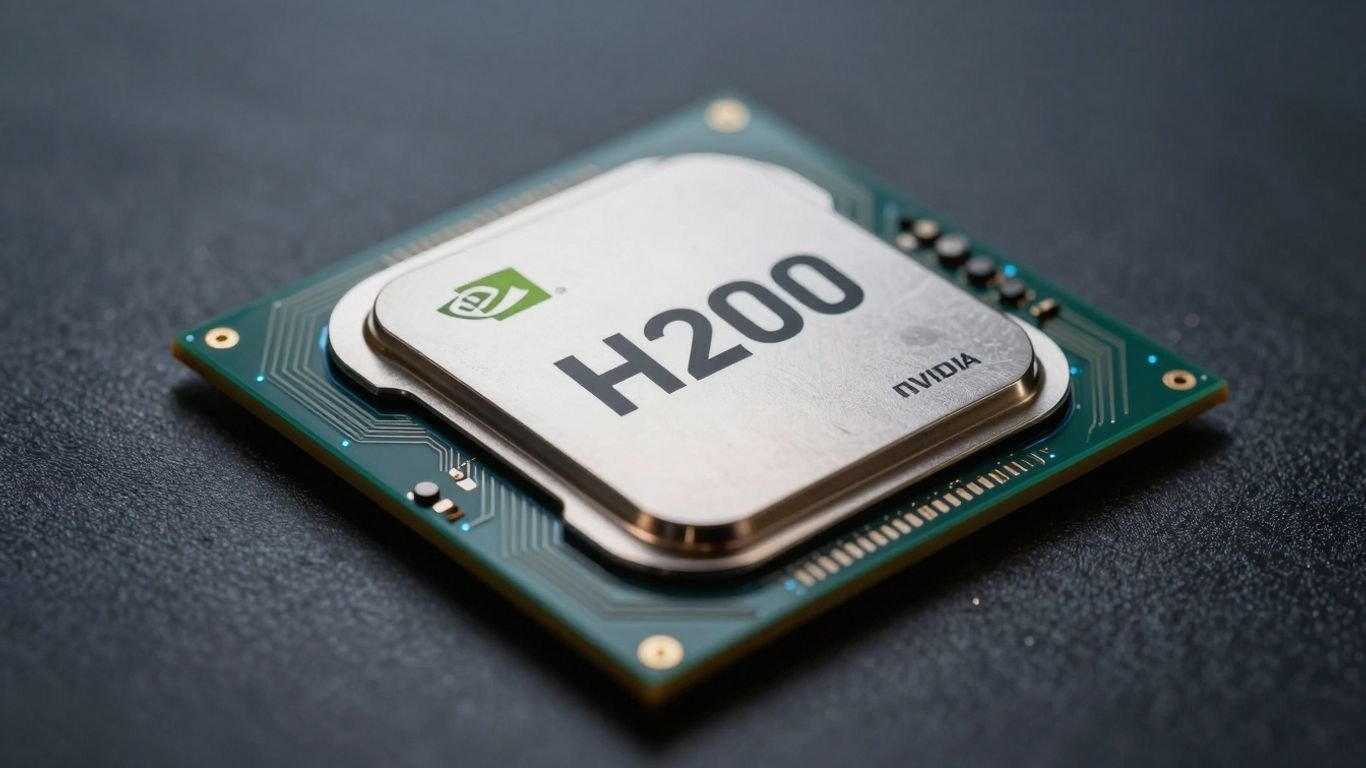
China has reportedly granted approval for the import of its first batch of Nvidia’s H200 artificial intelligence chips. This decision signals a potential shift in the country’s approach to AI development, seeking to balance its growing demand for advanced AI technology with efforts to foster domestic chip production.
Key Takeaways
- China has approved the import of Nvidia’s H200 AI chips.
- This move indicates a strategic balance between utilizing foreign advanced AI technology and promoting domestic development.
- The approval comes as China aims to meet its increasing AI needs.
Strategic Shift in AI Chip Procurement
Sources familiar with the matter revealed that China has given the green light for the importation of Nvidia’s H200 AI chips. This development is significant as it represents a departure from previous stances, suggesting a pragmatic approach to acquiring cutting-edge AI hardware. The H200 chip is a powerful component crucial for training and deploying sophisticated artificial intelligence models, a field where China has been heavily investing.
Balancing Domestic Ambitions with Global Technology
The approval appears to be part of a broader strategy by China to navigate the complex landscape of AI development. While the nation is actively working to enhance its domestic semiconductor industry and reduce reliance on foreign technology, the immediate need for high-performance chips like Nvidia’s H200 is undeniable. This import approval suggests that Beijing recognizes the necessity of leveraging global technological advancements to maintain its competitive edge in the rapidly evolving AI sector.
Implications for the AI Market
This decision could have considerable implications for both Nvidia and the global AI chip market. Nvidia, facing restrictions on exporting its most advanced AI chips to China, may find this approval a welcome development. For China, it ensures access to critical hardware that can accelerate its AI research and applications, potentially impacting various industries from cloud computing to autonomous systems. The long-term impact will depend on how China integrates these imported chips with its domestic AI ecosystem and its continued progress in local chip manufacturing capabilities.