China’s Economic Influence Reshapes Global Markets
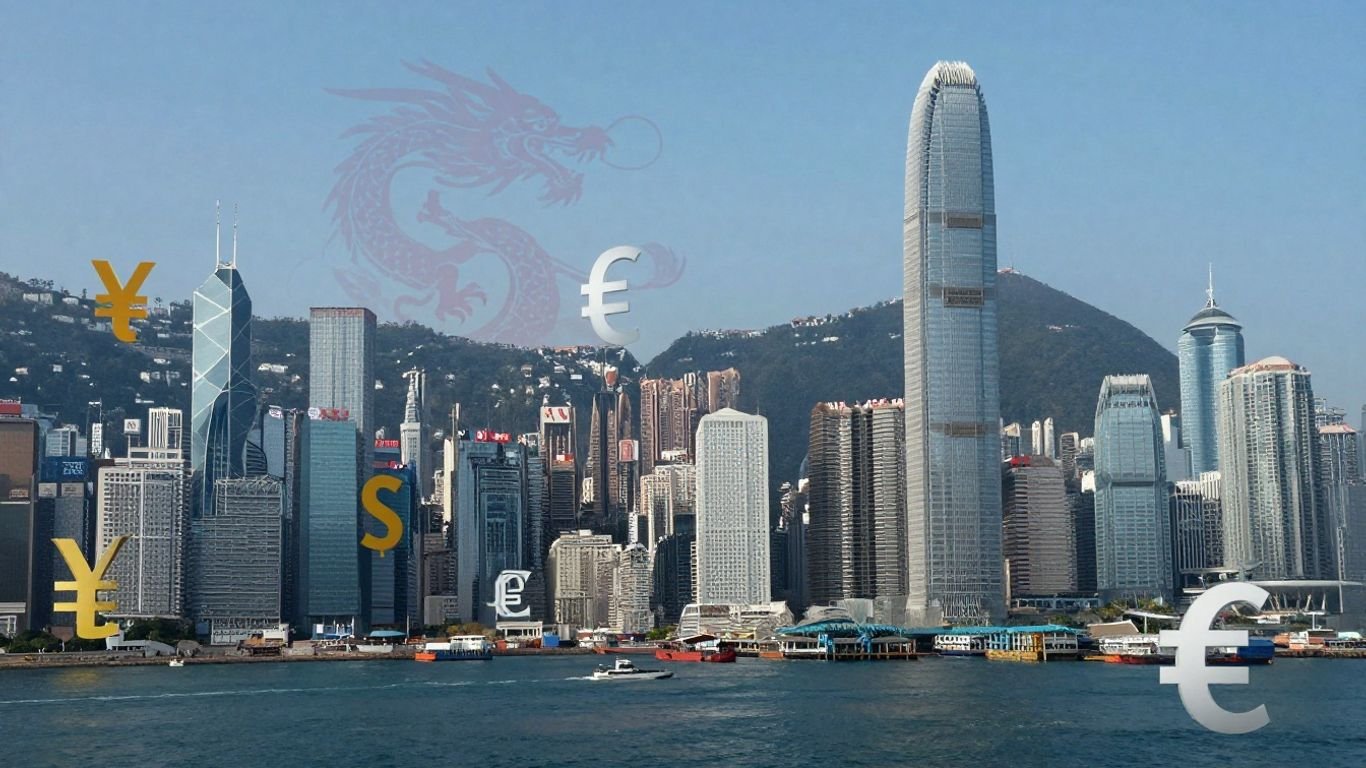
Recent market dynamics suggest China is increasingly setting global prices, a shift underscored by significant events impacting international finance. This growing influence is evident in various sectors, from commodities to investment funds, signaling a new era of economic interdependence and potential volatility.
Key Takeaways
- China’s role in global pricing is becoming more pronounced.
- International investment vehicles are experiencing disruptions tied to Chinese market movements.
- The global financial system is adapting to China’s evolving economic power.
The Shifting Sands of Global Pricing
The assertion that "China Sets The Global Price Now" reflects a significant transformation in the international economic landscape. Historically, Western economies have largely dictated global price benchmarks. However, China’s massive consumption, production capacity, and growing financial markets have empowered it to exert considerable influence over the pricing of numerous goods and commodities worldwide.
This influence is not limited to raw materials. As China’s domestic markets mature and its companies expand globally, its economic policies and consumer behavior increasingly ripple through international supply chains and demand structures, affecting prices across a wide array of industries.
Impact on Investment Funds
The interconnectedness of global finance means that events within China can have immediate and far-reaching consequences. For instance, disruptions in Chinese markets or policy shifts can trigger significant sell-offs or halts in investment funds that have exposure to the region. The emergency halt of a UBS-China fund, reportedly tied to a global selloff, exemplifies this sensitivity. Such events highlight the risks and opportunities associated with investing in or being exposed to markets heavily influenced by China’s economic trajectory.
Navigating the New Economic Order
As China’s economic power continues to grow, global investors, corporations, and policymakers must adapt. Understanding the nuances of China’s market dynamics, regulatory environment, and policy intentions is becoming crucial for navigating the complexities of the modern global economy. The era of China setting global prices is not just a theoretical concept but a tangible reality shaping financial markets and economic strategies worldwide.