China’s SMIC Accused of Supplying Chipmaking Technology to Iran’s Military Amidst Regional Tensions
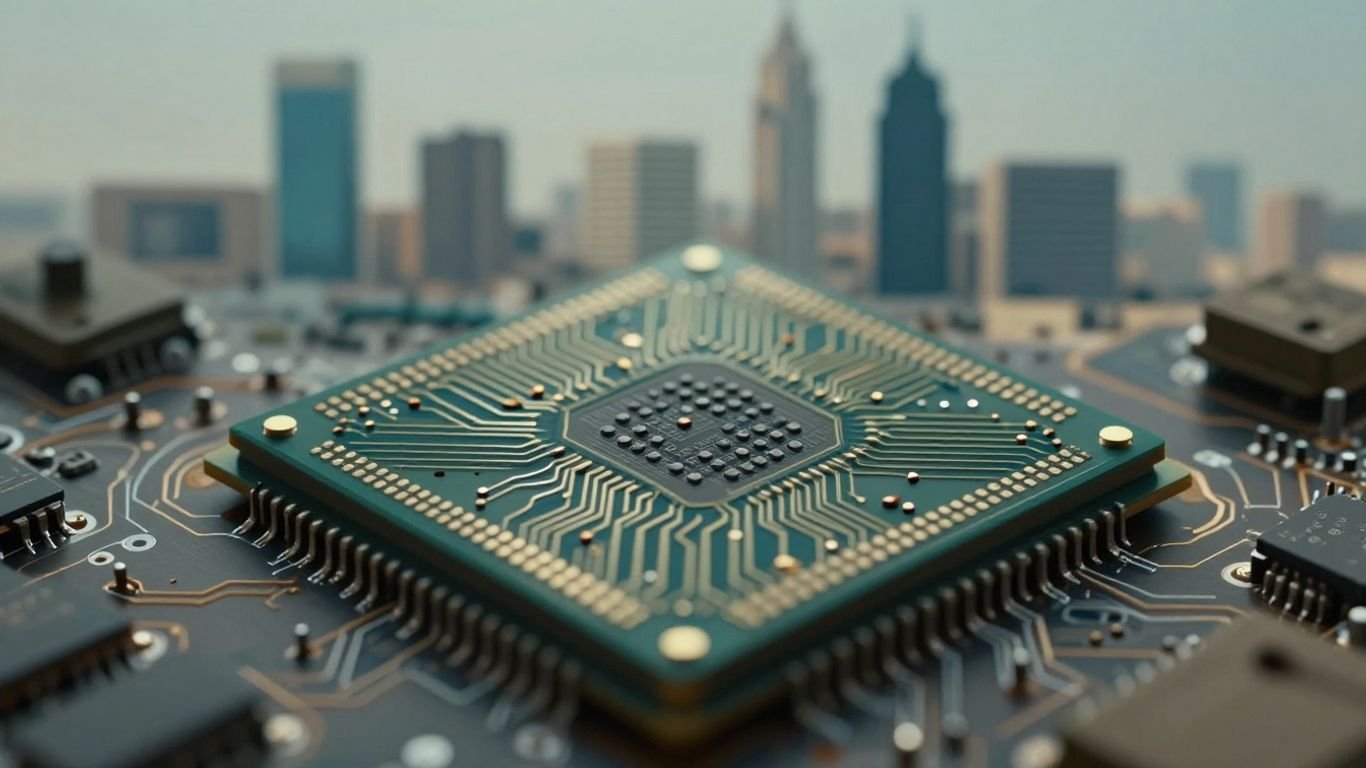
Two senior Trump administration officials have alleged that China’s largest chipmaker, SMIC, has supplied advanced chipmaking tools to Iran’s military. This development raises significant concerns regarding Beijing’s role and stance amidst the ongoing U.S.-Israeli conflict with Iran, which has been escalating for the past month.
Key Takeaways
- Allegations suggest China’s top chipmaker, SMIC, has provided chipmaking technology to Iran’s military.
- The move by SMIC could complicate U.S. efforts to curb Iran’s technological advancements.
- This development occurs during a period of heightened regional tensions involving the U.S. and Israel against Iran.
U.S. Officials Raise Alarm
The accusations, revealed by two senior officials from the former Trump administration, point to a potential violation of international sanctions and a significant geopolitical development. The officials stated that SMIC has been involved in sending chipmaking equipment to Iran, a move that could empower Iran’s military capabilities.
Geopolitical Implications
This alleged transfer of technology comes at a critical juncture, with the U.S. and its allies seeking to limit Iran’s influence and military reach in the Middle East. If confirmed, SMIC’s actions could be seen as undermining U.S. foreign policy objectives and potentially emboldening Iran’s military posture. The semiconductor industry is a strategic sector, and the transfer of advanced manufacturing capabilities is often subject to strict export controls.
Beijing’s Stance Under Scrutiny
The allegations place Beijing in a difficult position, potentially forcing it to clarify its relationship with Iran and its adherence to international norms. China has historically maintained a complex relationship with Iran, balancing economic ties with international pressure. The extent to which SMIC acted independently or with state backing remains a key question.
Broader Concerns for the Semiconductor Industry
Beyond the immediate geopolitical ramifications, the alleged transfer raises broader concerns about the global supply chain for semiconductors and the potential for dual-use technologies to fall into the hands of state actors. The semiconductor industry is vital for both civilian and military applications, making the control of its manufacturing capabilities a matter of national security for many countries.


![[Fetterman] stands firm amidst party division.](https://countrybrief.com/wp-content/uploads/2025/10/thumbnail-57-768x432.jpeg)