Chinese Drone Mothership Capable Swarm Attack Takes Flight
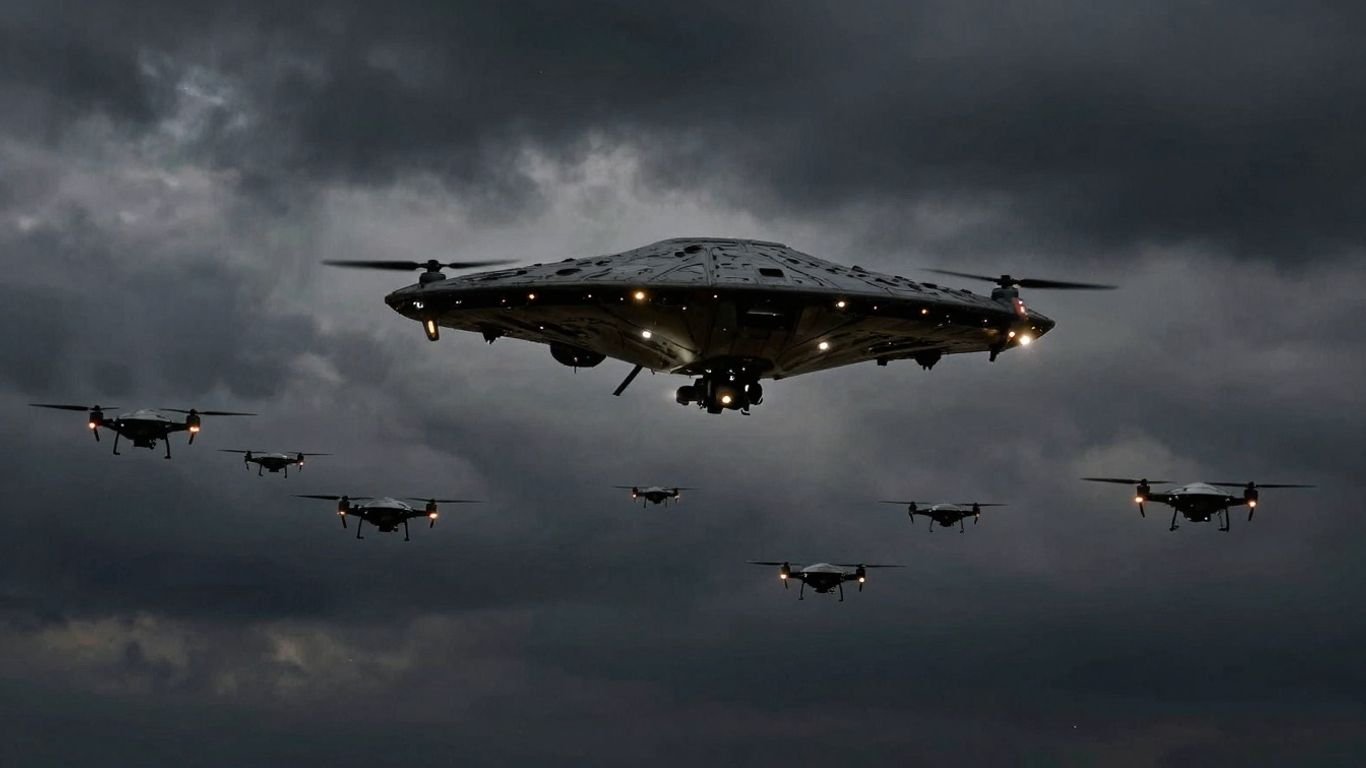
So, China just took its new drone mothership, the Jiutian, for a spin. This thing is pretty wild – it’s basically a giant plane designed to carry and launch over a hundred smaller drones all at once. Think of it like a flying aircraft carrier, but for drones. Its first flight is a big deal because it points to a new way of doing warfare, focusing on overwhelming enemies with sheer numbers rather than just trying to be sneaky. This could really shake things up, especially in the Pacific region.
Key Takeaways
- China’s Jiutian drone carrier has completed its first flight, signaling a move towards mass drone swarm attacks.
- This new capability allows for the launch of over 100 drones, potentially overwhelming enemy defenses through sheer numbers.
- The Jiutian boasts a long range (7,000 km) and endurance (12 hours), enabling operations far from home and at high altitudes.
- China is promoting the drone’s dual-use potential, mentioning civilian applications like disaster relief alongside its military functions.
- This development raises concerns for US forces and allies in the Pacific, as it could threaten warships, airbases, and Taiwan with saturation attacks.
China’s New Drone Mothership: A Swarm Warfare Game Changer
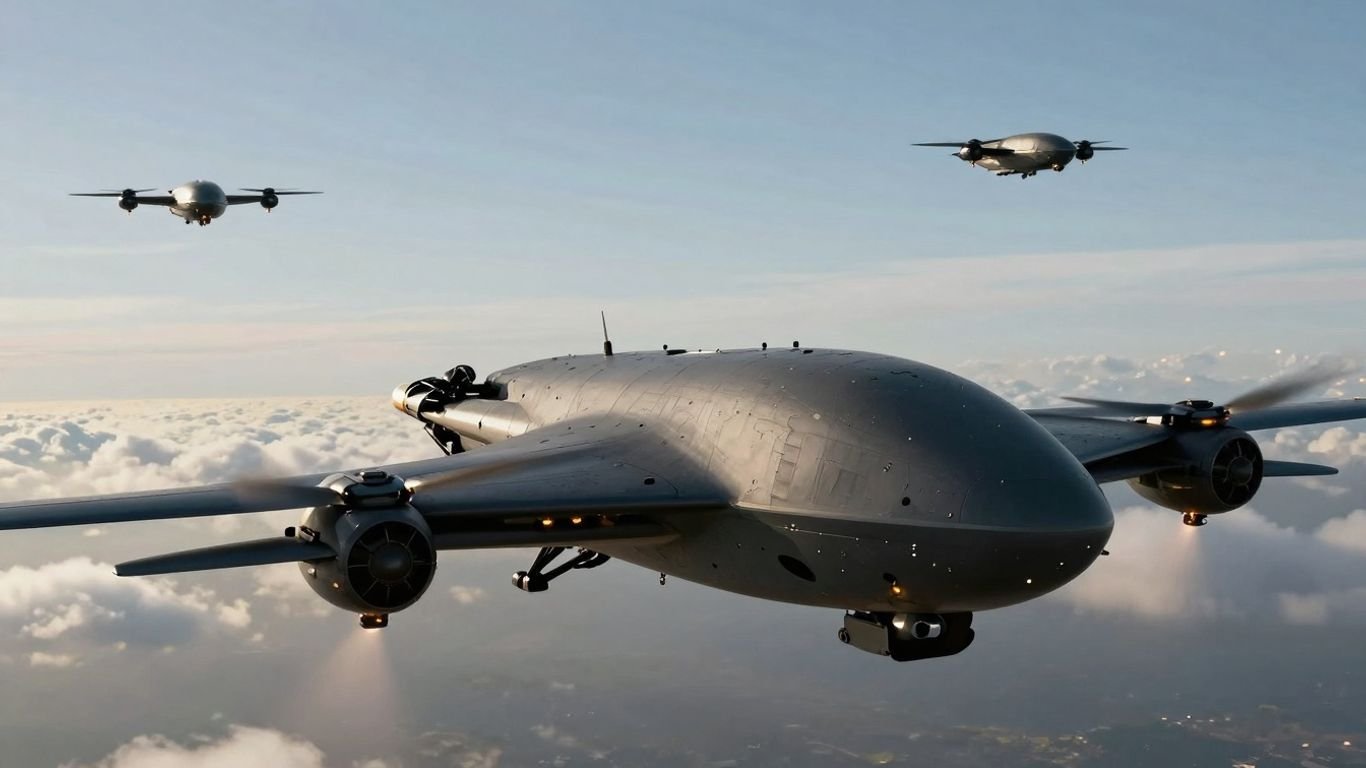
Folks, it looks like China has really upped their game in the drone department. They’ve rolled out this massive flying thing, the Jiutian, which is basically a drone carrier. It’s not just some small drone; this thing is huge and can carry over a hundred smaller drones. This is a big deal for how wars might be fought in the future, especially with drone swarm technology.
The Jiutian’s Maiden Flight Signals A New Era
This Jiutian thing just took its first flight. It’s a real game-changer, according to what I’m reading. It’s designed to launch a whole bunch of smaller drones, like a swarm. Think of it as a flying aircraft carrier, but for unmanned combat aerial vehicles. This isn’t just about one or two drones; it’s about overwhelming the enemy with sheer numbers. It’s a pretty wild concept, and it shows China is serious about advanced aerial warfare.
Unleashing Over 100 Drones: The Swarm Attack Capability
The most striking thing about this Jiutian is its ability to carry and launch over 100 drones at once. This means they can hit targets with a massive swarm. It’s designed to overwhelm enemy defenses, not sneak past them. This kind of swarm attack capability is something new and frankly, a bit scary. It’s a whole new way to think about combat.
Beyond Stealth: Overwhelming Adversaries Through Numbers
Instead of relying on stealth, which is what we often hear about with advanced military tech, China seems to be going for a different approach here. They’re betting on numbers. Launching a hundred drones at once can flood enemy radar and defenses, making it hard for them to react effectively. It’s a strategy that uses mass to break through, and it’s definitely something to keep an eye on.
Strategic Implications For The Pacific
Exposing Taiwan To Saturation Attacks
This new drone mothership capability really changes the game when it comes to Taiwan. Imagine this: instead of just a few missiles or planes, China can now launch over a hundred drones all at once. These swarms can hit Taiwan from so many different directions that their defenses get completely overwhelmed. It’s like trying to catch a thousand tiny, fast-moving balls thrown at you from every angle. They’re not just attacking the big stuff; they’re going after radar systems, airfields, and anything that helps Taiwan see and react. It’s a way to soften them up before any bigger moves, making it much harder for them to defend themselves.
Threatening US Warships And Airbases
And it’s not just Taiwan. Our own ships and bases in the Pacific are now in the crosshairs. Think about our aircraft carriers or even smaller ships at sea. They have defenses, sure, but they’re designed for a certain number of threats, not a massive swarm. These drones can confuse sensors and hit from multiple angles, making it tough for the ship’s weapons to keep up. It’s a similar story for our airbases. We’ve seen reports that many of our bases, especially out in the Pacific, don’t have enough hardened shelters for our planes. That means our expensive aircraft could be sitting ducks on the tarmac, vulnerable to a swarm attack. It’s a serious worry.
A New Dimension In Regional Tensions
Honestly, this whole drone mothership thing just cranks up the tension in the Pacific. It feels like China is showing off its new toys, saying, ‘We can do this now.’ It forces everyone else, like Japan and the Philippines, to rethink their own defenses and maybe spend more money trying to catch up. It’s a bit of a race, and this development puts us on the back foot. It adds a whole new layer to the already complicated situation out there, making everyone a bit more nervous about what could happen next.
Unprecedented Range And Endurance
Global Reach: 7,000 Kilometers Of Power
This new Chinese drone, the Jiutian, isn’t just some small toy. It’s a serious piece of hardware with some impressive specs. We’re talking about a machine that can travel up to 7,000 kilometers. That’s a massive distance, folks. It means this thing can pretty much reach anywhere in the Pacific theater from bases deep inside China. No more worrying about staging areas close to the front lines. This drone can operate from home turf and still project power way out there. It’s a game-changer for how they can project force without putting their own assets at risk.
12 Hours Aloft: Sustained Dominance
And it’s not just about how far it can go, but how long it can stay up there. The Jiutian can fly for a full 12 hours. Think about what that means. It can loiter over an area, gather intel, or wait for the perfect moment to strike for a whole day. This kind of endurance means it can keep tabs on enemy movements, provide continuous support, or even act as a persistent threat. It’s like having a watchful eye in the sky that just doesn’t quit. This sustained presence is something our own forces have been working towards, and China seems to be getting there fast.
High Altitude Operations Above Defenses
One of the most worrying aspects is its ability to fly really high. The Jiutian can operate at altitudes of up to 15,000 meters. That’s higher than most commercial jets fly, and importantly, it’s above the reach of many of our current air defense systems. Imagine this massive drone flying way up there, completely out of reach, launching its swarm of smaller drones. It’s a smart way to bypass defenses and hit targets that would otherwise be protected. They’re not just building bigger drones; they’re building smarter ones that think about how to beat our current setup.
This drone’s ability to cover vast distances and stay airborne for extended periods, all while flying above most threats, presents a significant challenge. It’s a clear sign that China is investing heavily in capabilities that can project power far from its shores and operate with a degree of impunity.
Here’s a quick look at what we’re up against:
- Range: 7,000 km
- Endurance: 12 hours
- Operational Ceiling: 15,000 meters
- Payload Capacity: Up to 6,000 kg (for drones or munitions)
Dual-Use Technology: Military Might And Civilian Facade
Integrating Civilian and Military Drone Development
It’s pretty clear that China isn’t just building these massive drones for show. They’re pushing this idea that their new flying machines, like the Jiutian, are good for both military stuff and, you know, regular jobs. They talk a big game about how these drones can help with things like delivering packages to remote islands or fixing communication lines after a disaster. It’s a convenient story, isn’t it?
Disaster Relief and Logistics: A Convenient Cover
This whole “disaster relief” angle is a bit of a smokescreen. Sure, a big drone could theoretically drop supplies, but that’s not exactly rocket science. What’s more likely is that this “dual-use” talk is a way to get around international scrutiny and to justify the massive investment in these platforms. It’s easier to sell a drone as a humanitarian aid provider than as a weapon of war, even if its primary purpose is the latter.
The ‘Low-Altitude Economy’ Narrative
China’s been pushing this “low-altitude economy” thing hard. It sounds fancy, but it basically means using drones for all sorts of commercial activities. This narrative helps them justify building these advanced drone systems. They can point to the civilian applications and say, “See? It’s all for progress!” Meanwhile, the military applications are obvious to anyone paying attention. It’s a clever way to develop cutting-edge military tech under the guise of economic development. This strategy allows them to advance their military capabilities while maintaining a civilian facade.
The line between military and civilian technology in China is getting blurrier by the day. What starts as a “commercial” project often has direct military implications. This “dual-use” approach is a smart, if somewhat deceptive, way for them to build up their technological prowess without raising too many alarms, at least not initially. It’s a playbook we’ve seen before, just on a much larger scale now.
Here’s a look at some of the claimed civilian uses:
- Cargo delivery to isolated areas.
- Restoring communication networks after emergencies.
- Supporting search and rescue operations.
- Conducting surveys for resources or mapping.
China’s Growing Drone Arsenal
Outpacing US Capabilities In Drone Swarms
It’s getting harder to ignore what China’s up to with their drones. They’re not just building them; they’re building them in massive numbers and figuring out how to use them together in ways that frankly, the US seems to be lagging behind on. We’re talking about AI controlled drones that can coordinate attacks, something that used to be science fiction but is now a real concern.
A Message Of Technological Achievement
This whole drone mothership thing, like the Jiutian, isn’t just about having a new toy. It’s a big public display. China wants everyone to see their technological progress. It’s a way to show off their industrial might and tell the world they’re serious players in advanced military tech. It’s a message, plain and simple.
The Rapid Expansion Of China’s Drone Ecosystem
Look, China’s drone game is expanding fast. It’s not just one or two types of drones either. They’ve got everything from helicopters that can handle tough terrain to underwater drones. And now, with these massive carriers that can launch over a hundred smaller drones, they’re creating a whole system. It’s a whole ecosystem designed to overwhelm.
- Swarm Tactics: The focus is on overwhelming defenses with sheer numbers, not just stealth.
- AI Integration: AI controlled drones are key to coordinating these complex swarm attacks.
- Rapid Development: China’s drone industry is growing at an alarming rate.
The sheer scale of China’s drone development, especially in swarm capabilities, presents a significant challenge. It’s a shift in how warfare might be conducted, moving beyond traditional one-on-one engagements to massed, coordinated assaults.
The Jiutian mothership, capable of launching over 100 drones, is a prime example of this aggressive expansion. It’s designed to saturate enemy defenses, making it incredibly difficult for current systems to respond effectively. This isn’t just about having more drones; it’s about having smarter, more coordinated drone swarms that can act as a unified force.
The Threat To US Forces And Allies
Saturating Defenses: A Multi-Axis Assault
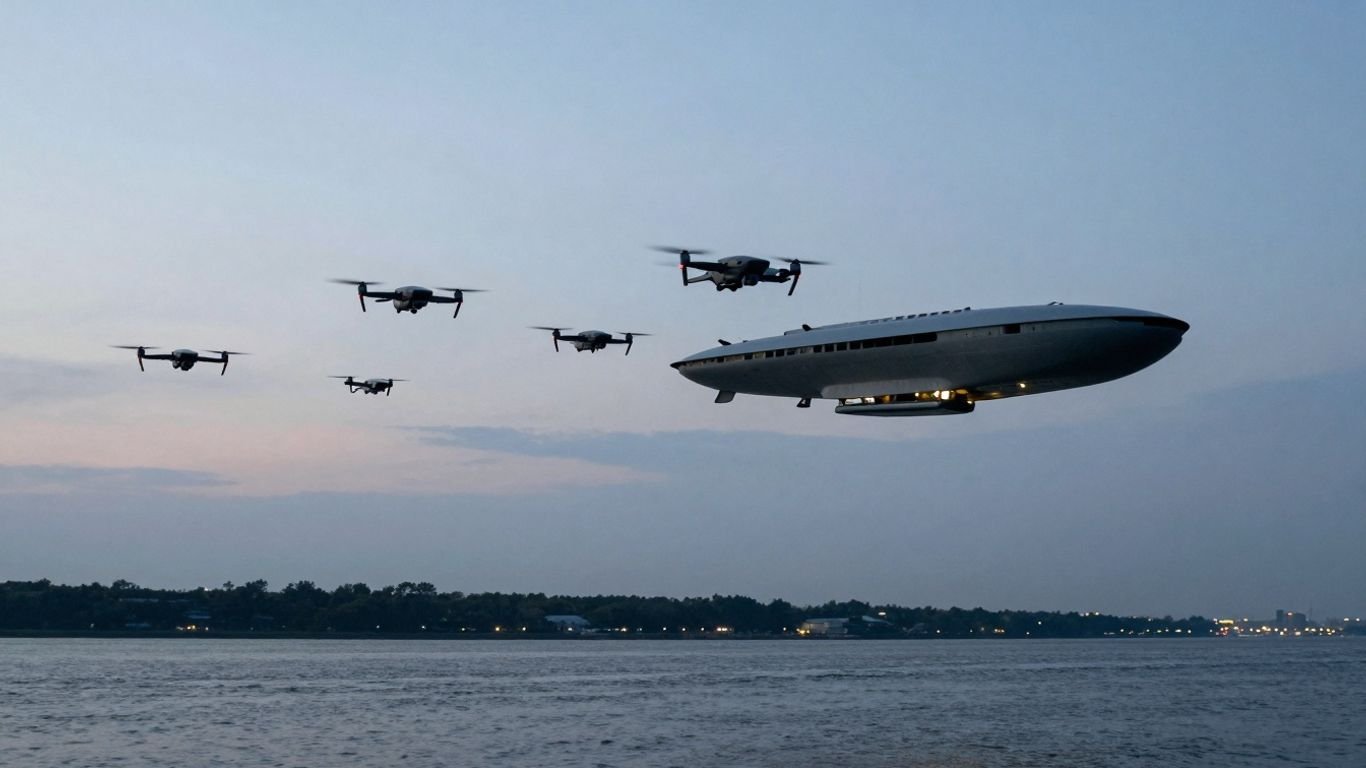
This new drone mothership, the Jiutian, really changes the game for how China could attack. It’s not just about one or two drones; it’s about launching over a hundred at once. Think about that for a second. They can come from all different directions, making it incredibly hard for our defenses to keep up. It’s like trying to swat a swarm of angry bees – you can get some, but there are just too many coming at you.
Overwhelming Command And Control
When you’ve got a hundred drones, or even more, buzzing around, it messes with our ability to react. Our systems are designed to handle certain threats, but a massive swarm coming from multiple angles at the same time? That can overload our command centers. Decisions have to be made in seconds, and when you’re dealing with that kind of chaos, mistakes can happen. It’s designed to confuse our sensors and make our weapons systems struggle to lock onto targets effectively.
Targeting Forward-Deployed Forces
This is where it gets really worrying for our guys stationed out in the Pacific. Bases in places like Guam, or even our ships at sea, could be sitting ducks. We’ve seen reports about how many of our airbases lack proper hardened shelters for our planes. That means China could potentially knock out a huge chunk of our air power before it even gets off the ground. It’s a serious vulnerability that they’re clearly looking to exploit. The sheer number of drones, launched from a mothership, means they can saturate our defenses and exploit the weak spots.
Here’s a look at some of the issues:
- Lack of Hardened Shelters: Many US bases in the Pacific have very few protected spots for aircraft. This leaves them exposed on the ground.
- Limited Defensive Capacity: Our current defenses, especially on ships, might not be able to handle hundreds of small drones attacking simultaneously from different directions.
- Vulnerability of Forward Bases: Locations like Guam and bases in the Philippines are within range and could be overwhelmed, impacting our ability to project power.
The idea is simple: overwhelm the enemy with sheer numbers. If they can’t shoot them all down, and they can’t react fast enough, then they lose. It’s a brute-force approach that bypasses some of our technological advantages by just throwing a massive amount of cheap drones at the problem.
What Does This Mean for Us?
So, China’s got this new drone mothership thing, the Jiutian. It can launch a whole bunch of smaller drones, like a swarm. They say it’s for all sorts of stuff, even disaster relief, but let’s be real, the military angle is what’s got everyone talking. This could change how wars are fought, making it easier for them to overwhelm defenses with sheer numbers. It’s a big deal, and it shows they’re serious about their military tech. We need to pay attention to this stuff, because it’s not just about drones anymore; it’s about how they plan to use them. It’s a wake-up call, really.
Frequently Asked Questions
What is the Jiutian?
The Jiutian is a large, new type of aircraft from China that acts like a flying base for many smaller drones. Think of it like a “mothership” for drones. Its first flight showed it can carry and launch over 100 smaller drones at once, which is a big deal for how wars might be fought in the future.
What makes the Jiutian special for warfare?
Its main strength is its ability to launch a “swarm” of drones. Instead of just one or two drones, it can send out a huge number all at once. This can overwhelm enemy defenses because there are simply too many targets to handle. It can also fly very high and for a long time, reaching targets far away.
How far can the Jiutian fly and how long can it stay in the air?
This drone is built for long trips. It can travel about 7,000 kilometers, which is a very long distance, and can stay flying for up to 12 hours. This means it can cover a huge area and reach targets that are very far from where it started.
Can the Jiutian be used for things other than military attacks?
Yes, China says the Jiutian can also be used for good things. It could help deliver supplies to places that are hard to reach, like islands, or be used to help during disasters by providing communication or carrying aid. This is sometimes called “dual-use” technology.
Why is this drone a concern for places like Taiwan and US warships?
Because the Jiutian can launch so many drones at once from far away, it could be used to attack places like Taiwan or even US Navy ships with a massive number of drones. This could overwhelm their defenses, making it hard for them to protect themselves.
Is China the only country developing drone swarms?
While China is making big strides with systems like the Jiutian, many countries are exploring drone swarm technology. However, China’s ability to launch so many drones from a single large aircraft is seen as a significant advancement that could change how future conflicts are fought.