
Citizenship: How the Federal Government Handles Dual Status!
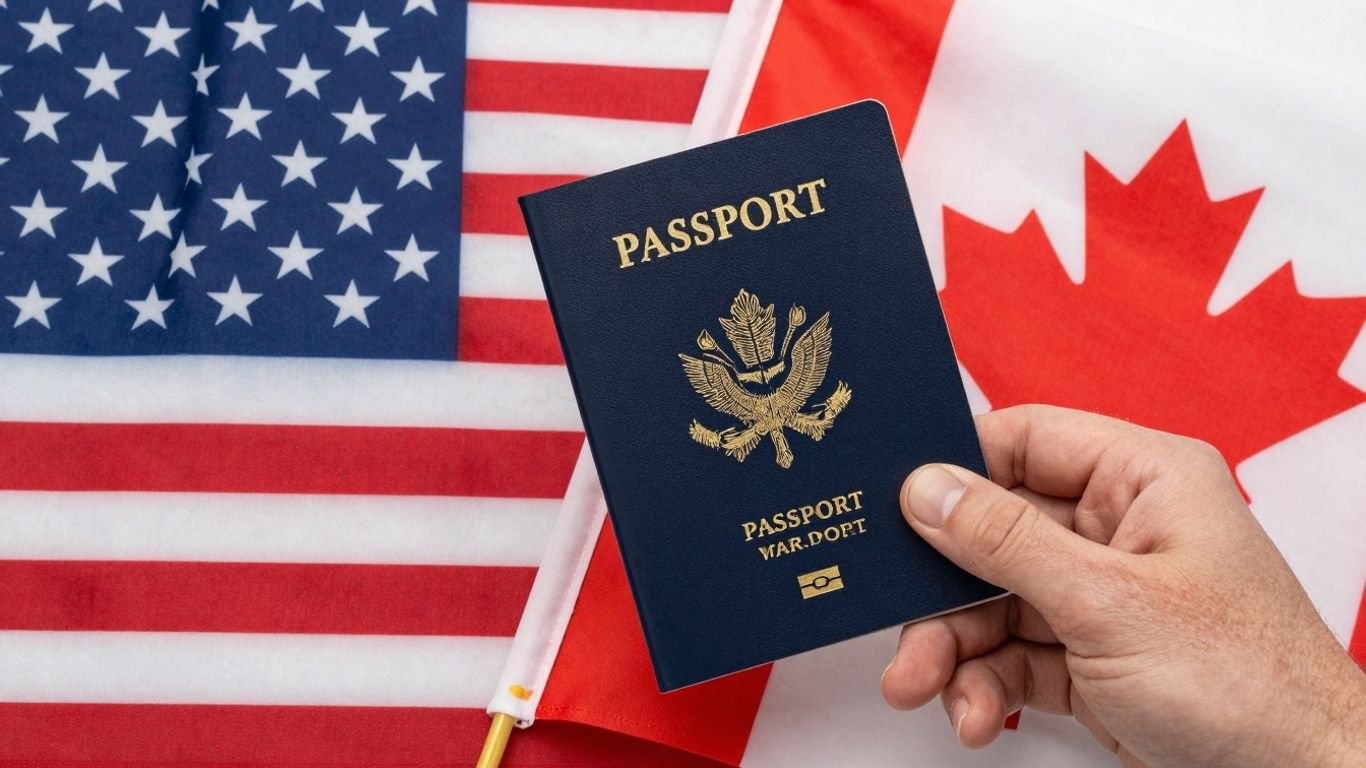
So, there’s this new idea floating around Congress called the Exclusive Citizenship Act of 2025. Basically, it’s all about making sure that if you’re an American citizen, you’re *only* an American citizen. No sharing your loyalty, apparently. This whole thing has gotten people talking, and it’s got some pretty big implications for anyone who holds citizenship in more than one country. Let’s break down what this proposed law means and why it’s such a hot topic.
Key Takeaways
- The proposed Exclusive Citizenship Act of 2025 aims to end dual citizenship, requiring U.S. citizens to hold only American nationality.
- Existing dual citizens would have one year to renounce either their U.S. or foreign citizenship, or risk losing their U.S. citizenship automatically.
- Acquiring foreign citizenship voluntarily after the law takes effect could lead to automatic relinquishment of U.S. citizenship.
- The legislation faces significant legal hurdles, with potential challenges based on constitutional rights and administrative complexities.
- Dual citizenship is currently legal in the U.S., and individuals concerned should consult legal and tax professionals while staying informed about the bill’s progress.
The Case For Exclusive American Citizenship
Pledging Allegiance Only To America
Being an American citizen is supposed to mean something. It’s not just a piece of paper or a convenient label. It’s about a deep commitment, a pledge of loyalty that should be undivided. When you become an American, you’re joining a nation with a unique history and a set of values. This commitment shouldn’t be diluted by allegiances to other countries. True American citizenship demands an exclusive and unwavering dedication to the United States.
Think about what it means to pledge allegiance. It’s a solemn promise. If you’re pledging allegiance to multiple nations, who are you truly loyal to when push comes to shove? It creates a confusing situation, and frankly, it undermines the very idea of what it means to be an American.
An Honor And A Privilege
Becoming an American citizen should be seen as the ultimate honor and privilege. It’s something to be earned and cherished, not something to be juggled with other national identities. Many people around the world dream of becoming American, of living under our flag and enjoying the freedoms we have. They understand the value of this citizenship and would never dream of dividing their loyalty.
The United States offers unparalleled opportunities and freedoms. This status should be reserved for those who are fully committed to this nation, without divided loyalties.
This isn’t about being unwelcoming; it’s about respecting the significance of American citizenship. It’s about ensuring that those who hold this status are fully invested in the future and well-being of our country.
Ending Dual Citizenship For Good
It’s time to get back to basics. The idea of dual citizenship, while perhaps well-intentioned at some point, has created a mess. It allows for potential conflicts of interest and weakens the bond between the citizen and the nation. We need to simplify things and bring back the clarity that exclusive American citizenship provides.
Here’s what needs to happen:
- Require a clear choice: Individuals seeking or holding American citizenship must choose the United States exclusively.
- End automatic recognition: The government should stop automatically recognizing dual citizenship for new citizens.
- Reinforce the Oath of Allegiance: The meaning of the oath must be upheld, signifying a singular commitment.
This isn’t about punishing people; it’s about strengthening the foundation of our nation. It’s about ensuring that every American citizen is a proud, dedicated, and undivided member of our national family.
Consequences Of Dual Citizenship For National Security

Look, nobody’s saying that every single person with dual citizenship is a threat. That’s just not realistic. But we have to be honest about the potential risks involved when someone’s loyalties might be divided. It’s a matter of common sense and protecting our own interests. When you’re a citizen of the United States, your primary allegiance should be to this country, plain and simple. Anything less opens the door to problems we don’t need.
Potential Conflicts Of Interest
This is where things get tricky. Imagine someone in a sensitive government position, maybe working with classified information or making policy decisions, who also holds citizenship in another country. That other country might have its own agenda, its own interests that don’t align with ours. This creates a serious conflict of interest that could compromise national security. It’s not about accusing anyone of wrongdoing, but about recognizing the inherent risk. How can we be sure their decisions are solely in America’s best interest when another nation might have a claim on their loyalty or could potentially exert influence?
Undermining American Sovereignty
When we allow dual citizenship without question, it can subtly chip away at our national sovereignty. It suggests that American citizenship isn’t the ultimate, exclusive status it should be. It sends a message that our laws and our national identity can be secondary to another country’s. We need to be a strong, unified nation, and that starts with clear, unambiguous citizenship. Allowing private persons should keep all allegiances is a recipe for division.
Protecting Our Borders And Interests
Our government has a duty to protect this nation, its citizens, and its interests. This includes having a clear understanding of who owes allegiance to whom. When individuals hold citizenship in multiple countries, it complicates our ability to track individuals and understand their potential connections, especially in matters of border security and international relations. It’s about making sure we can effectively safeguard our nation from threats, both foreign and domestic. We need to be able to rely on the fact that those in positions of influence are fully committed to the United States. This is why legislation like the Exclusive Citizenship Act of 2025 is being discussed, aiming to clarify U.S. policy is to safeguard its citizens.
The idea that someone can be fully committed to two nations simultaneously is, frankly, a fantasy. National allegiance is not a buffet where you can pick and choose. It requires a primary, unwavering commitment.
The Legal Hurdles Of Dual Citizenship Legislation
Constitutional Questions And Precedent
Look, passing a law to ban dual citizenship isn’t as simple as just saying “no more.” The U.S. Constitution has some pretty strong protections, and courts have interpreted them over the years. We’re talking about things like due process and the Citizenship Clause of the 14th Amendment. Any new law trying to force people to give up one citizenship or the other is almost guaranteed to get hit with lawsuits. It’s not just a matter of opinion; there’s a whole history of legal precedent that says you can’t just strip citizenship without a very good reason and proper procedures. It’s a messy legal landscape, and trying to force a federal approach to multiple passports would run straight into it.
Administrative Complexity And Costs
Think about the sheer number of people involved. Millions of Americans hold citizenship in other countries. Trying to track all of them, verify their status, and process renunciations – either of U.S. citizenship or foreign citizenship – would be a bureaucratic nightmare. We’re talking about setting up massive new systems, hiring tons of people, and dealing with endless paperwork. The government policy on dual nationality would need a whole new department just to handle this. And who pays for it? Taxpayers, of course. It’s going to cost a fortune, and that’s before we even get to the next point.
Likely Litigation And Diplomatic Friction
So, you’ve got the constitutional challenges and the administrative mess. What else can go wrong? Well, expect a whole lot of fighting in court. Civil rights groups and individuals affected would likely sue, tying up the government for years. Plus, trying to force Americans to renounce citizenship with other countries could really strain our relationships with those nations. Imagine the diplomatic headaches when other countries object to us telling their citizens (who also happen to be Americans) what to do. It’s a recipe for international arguments and legal battles, all stemming from trying to change citizenship laws and federal government policy on this issue.
Practical Impacts On American Citizens
So, what does all this mean for regular folks, you know, actual Americans? If this Exclusive Citizenship Act of 2025 actually becomes law, it’s going to force some really tough decisions on a lot of people. We’re talking about a situation where you might have to pick a side, and there’s no going back.
For those of us who are already dual citizens, the clock starts ticking the moment this thing is signed. You get one year. One year to either officially tell the U.S. government you’re ditching your other citizenship, or the U.S. government will assume you’re ditching your U.S. citizenship. It’s a bit of a high-stakes game of musical chairs, and nobody wants to be left without a seat.
Forced Choices For Existing Dual Nationals
This is where it gets personal. If you were born with citizenship in another country, or maybe you picked one up through marriage or family ties, you’re now in a bind. You’ll have to formally renounce your foreign citizenship and prove it to Uncle Sam. Or, you could renounce your U.S. citizenship. It’s a real Sophie’s Choice, and frankly, it feels like the government is sticking its nose where it doesn’t belong.
Automatic Relinquishment Of Citizenship
Things get even crazier if you’re a U.S. citizen who decides to become a citizen of another country after this law kicks in. The bill says you’ll automatically lose your U.S. citizenship. No ifs, ands, or buts. Even if you never intended to give up your American identity, the government might decide for you. This is a huge legal minefield waiting to happen, and you can bet lawyers will be having a field day with it. It’s a bit much to think that just getting a new passport could mean losing your birthright.
Impact On Military And Public Servants
And what about the brave men and women who serve this country in uniform or in public service? Many of them might hold citizenship in other nations due to their heritage or family. This law would force them to choose between their careers and their family ties. Imagine being told you can’t serve your country because of where your grandparents came from. It’s a pretty harsh reality that could affect national security and morale. We need people serving who are fully committed, but this approach feels heavy-handed.
The government’s push for exclusive citizenship could create a messy situation for millions. It’s not just about paperwork; it’s about identity, family, and what it means to be an American. Forcing people into these corners without considering the personal fallout seems shortsighted.
If you’re worried about how this might affect you, it’s probably a good idea to talk to an immigration lawyer. They can help you understand the Exclusive Citizenship Act of 2025 and what your options might be. It’s better to be prepared than caught off guard.
Addressing The Root Of The Dual Citizenship Problem

It seems like this whole dual citizenship thing has become a real headache, and honestly, it’s time we got to the bottom of it. The core issue boils down to a “all or nothing” philosophy that some folks are pushing. They believe you can only be a true American if you shed every other tie, every other heritage. It’s a pretty stark view, and it doesn’t really reflect the reality for a lot of people who have grown up here, feel American, but also have connections elsewhere. This push for exclusive citizenship feels like an attempt to force everyone into a single mold, which isn’t what this country is supposed to be about.
The ‘All Or Nothing’ Philosophy
This “all or nothing” approach, championed by some, insists that genuine American identity requires complete severance from any other national ties. It’s a rigid stance that doesn’t account for the complex realities of modern life and global connections. The idea is that a person for public office need to relinquish all other citizenships, and this sentiment is bleeding into broader policy discussions. It’s a philosophy that seems to misunderstand the strength that comes from diverse backgrounds, rather than seeing it as a weakness. We need to move past this narrow thinking.
Reclaiming American Identity
Instead of forcing people to choose, we should be focusing on what makes us uniquely American. Our identity isn’t diminished by acknowledging other parts of our heritage; it’s often enriched. The goal should be to strengthen national unity by embracing the contributions of all citizens, regardless of their background. This means recognizing that loyalty to America can coexist with other cultural affiliations. It’s about building a stronger, more inclusive nation where everyone feels they belong and can contribute fully. We need to be clear about what it means to be an American in today’s world, and that includes handling multiple citizenships in a way that benefits the nation.
Strengthening National Unity
True national unity doesn’t come from forcing conformity, but from mutual respect and shared purpose. When we allow individuals to maintain connections to their heritage while fully embracing their American identity, we build a more resilient society. This approach to managing international citizenship acknowledges that people can be loyal to multiple communities without compromising their commitment to the United States. It’s about recognizing that a strong America is one that draws strength from its diverse population, not one that tries to erase it. We need to support policies that reflect this reality, rather than succumbing to outdated notions of exclusive allegiance. For instance, countries like Canada have modernized their citizenship laws to restore fairness, showing a path forward.
The current debate often overlooks the practical implications for individuals and families. Forcing a choice can create unnecessary hardship and division, undermining the very unity it claims to promote. A more pragmatic approach would acknowledge the existing realities of dual nationality and focus on ensuring that all citizens are loyal and contributing members of society.
Navigating The Legislative Process
So, what does all this mean for the proposed legislation? It’s not law yet, folks. The bill, which aims to end dual citizenship, has been introduced and talked about a lot, but it’s a long way from being signed. Think of it like this: it’s a proposal, not a done deal. If it actually makes it through Congress, which is a big ‘if’, it’ll have to go through committees, get debated, and probably get changed a bunch.
The idea is that it would take effect 180 days after it’s signed, and then dual citizens would have a year to make a choice. But before any of that can happen, it has to become law. And honestly, that’s looking pretty uncertain right now.
Understanding The Exclusive Citizenship Act
This proposed law, often called the Exclusive Citizenship Act, is a pretty big deal. It basically says you can’t be a U.S. citizen and a citizen of another country at the same time. If you’re already a dual national, you’d have one year to decide: either officially give up your foreign citizenship to the State Department or give up your U.S. citizenship to DHS. If you don’t do anything within that year, the government will assume you’ve given up your U.S. citizenship. It’s a pretty stark choice, and it’s designed to make people pick a side. This is a fundamental shift from how things have been for a long time.
Timeline For Implementation
Let’s talk about timing. If this bill somehow passes both the House and the Senate and gets signed into law, it won’t happen overnight. The prohibition part would kick in 180 days after enactment. That’s about six months. Then, the clock starts ticking for dual citizens to make their choice – they get a full year from that date. But remember, all of this hinges on the bill actually becoming law. We’re talking about a process that could take months, if not years, and there are a lot of hurdles. It’s important to keep an eye on official sources like Congress.gov to follow the legislation and see how it progresses. Don’t expect things to change tomorrow.
What Dual Citizens Should Do Now
Okay, so what should people who are dual citizens do right now? First off, don’t panic. As of today, dual citizenship is still perfectly legal in the United States. This bill is just a proposal. However, it’s wise to be prepared. Here are a few things to consider:
- Document Everything: Keep good records of how you got your foreign citizenship. Was it automatic at birth? Did you go through a naturalization process? These details could be important later.
- Consult Professionals: If you’re worried about how this might affect you, especially if you’re planning to become a citizen of another country or already hold foreign citizenship by descent, it’s a good idea to talk to an immigration lawyer and a tax advisor. They can help you understand the potential immigration status, passport, and tax implications.
- Stay Informed: Keep up with news about the bill. Knowing what’s happening with the legislation is key. The situation is complex, and professional advice is often needed.
The proposed law would create significant administrative headaches. Imagine the government trying to track millions of people, verify their choices, and deal with all the paperwork. It’s a massive undertaking that would likely lead to a lot of confusion and, let’s be honest, probably a good amount of legal challenges. The State Department and DHS would have to create entirely new systems to handle this, which sounds like a recipe for delays and errors.
It’s also worth noting that if someone does choose to give up their U.S. citizenship, there could be tax consequences. The bill itself doesn’t change tax laws, but losing U.S. citizenship can trigger existing expatriation tax rules. So, talking to a tax professional is definitely a smart move if you’re considering such a drastic step.
Final Thoughts on Citizenship
Look, being an American citizen means something. It’s about loyalty, plain and simple. This whole dual citizenship thing? It just muddies the waters. We need to be clear about where our citizens’ allegiances lie. While the courts and the legal arguments are one thing, the core issue is about national identity and security. For too long, we’ve let this slide, and it’s created a mess. It’s time for the government to take a firm stance and make it clear that if you want to be an American, you need to be all in. No exceptions, no confusion. It’s about protecting the integrity of our nation and making sure that those who call themselves Americans are truly committed to America first.
Frequently Asked Questions
What is the main idea behind the proposed Exclusive Citizenship Act of 2025?
This proposed law, called the Exclusive Citizenship Act of 2025, aims to stop U.S. citizens from also being citizens of another country. It suggests that if you are a U.S. citizen, you should only be loyal to the United States. The idea is to make people choose between being an American citizen and holding citizenship in any other nation.
What happens to people who are already dual citizens if this law passes?
If this law is enacted, people who currently hold citizenship in both the U.S. and another country would have one year to make a choice. They would need to either give up their foreign citizenship or give up their U.S. citizenship. If they don’t decide within that year, the U.S. government would automatically consider them to have given up their American citizenship.
Could someone automatically lose their U.S. citizenship if they become a citizen of another country after this law is passed?
Yes, according to the proposed bill, if you are a U.S. citizen and you voluntarily become a citizen of another country after the law takes effect, you could automatically lose your U.S. citizenship. This could happen even if you didn’t intend to give up your American citizenship.
Are there any legal challenges expected if this bill becomes law?
Absolutely. Many legal experts believe this bill could face serious challenges in court. They point out that it might conflict with constitutional rights, like due process. It’s expected that lawsuits would be filed to test whether the law is constitutional and how it should be applied.
What are some of the practical difficulties in enforcing a law that ends dual citizenship?
Enforcing such a law would be very complicated. Millions of people are dual citizens. The government would need huge systems to check everyone’s status, send notifications, handle appeals, and work with other countries. This would likely be expensive and create a lot of administrative work and potential disagreements.
Is dual citizenship illegal in the U.S. right now?
No, dual citizenship is currently legal in the United States. The Exclusive Citizenship Act of 2025 is just a proposal, meaning it’s a bill that Congress is considering. It has not become law yet. So, for now, people can continue to hold citizenship in more than one country without breaking U.S. law.