
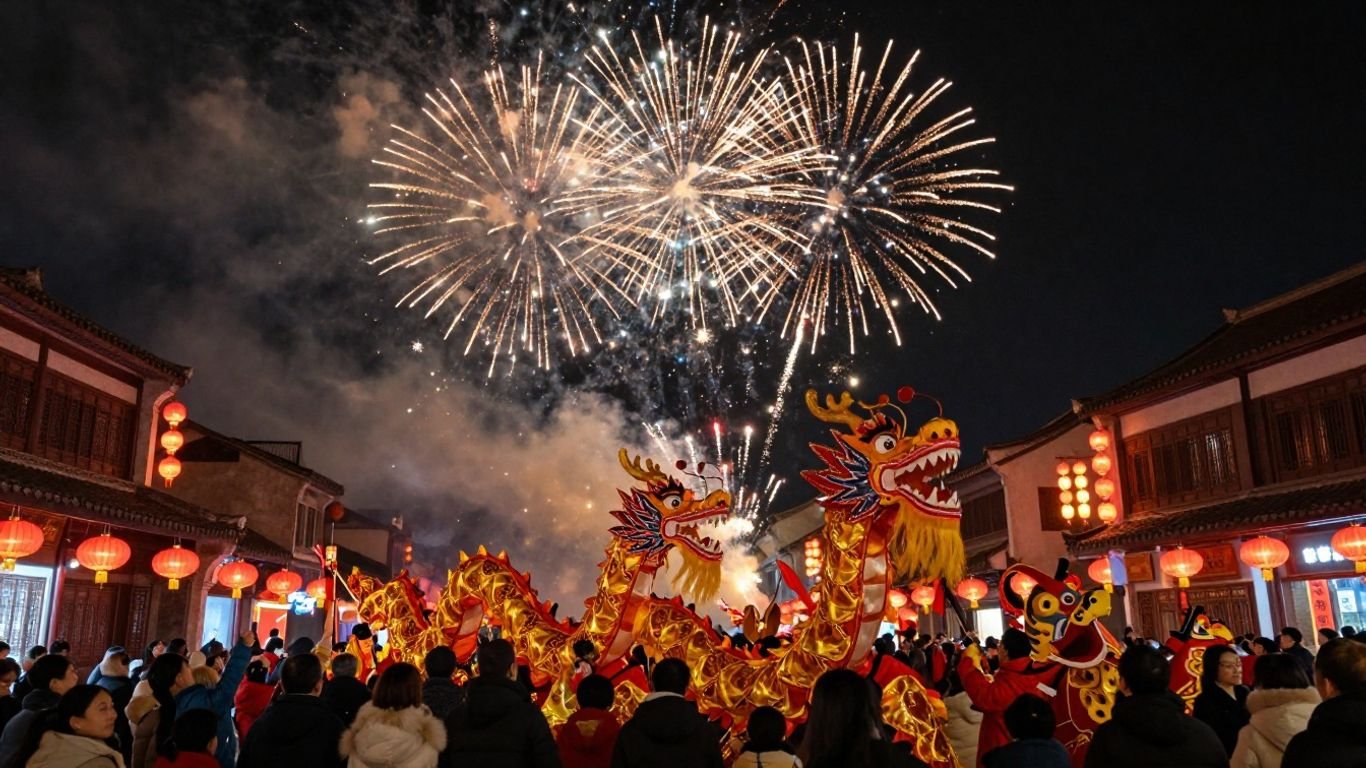
Countries Where Chinese New Year is a Public Holiday
The Chinese New Year, also known as the Spring Festival, is a really big deal for a lot of people around the world. It’s not just celebrated in China, though. Many countries actually give their citizens the day off to mark this important occasion. It’s fascinating to see how this holiday spreads and is recognized in different places, often tied to communities with Chinese heritage.
Key Takeaways
- Several countries in Asia, particularly in Southeast Asia like Malaysia and Singapore, observe Chinese New Year as a public holiday.
- East Asian regions such as Hong Kong, Macau, and Taiwan also grant public holidays for the Lunar New Year celebrations.
- While South Korea and Vietnam have their own New Year traditions, they are influenced by the lunar calendar.
- Beyond Asia, countries like Suriname and Mauritius recognize Chinese New Year, often due to significant Chinese populations.
- The United Nations has recognized Chinese New Year as part of its Intangible Cultural Heritage of Humanity list.
Chinese New Year Celebrations In Asia
Across Asia, Chinese New Year isn’t just a cultural event; it’s a significant public holiday in several countries, marking a time for family reunions and vibrant festivities. The celebrations often span two weeks, culminating in the Lantern Festival. It’s a period where traditions are kept alive, and communities come together.
Malaysia
In Malaysia, Chinese New Year is a two-day public holiday, with Chinese New Year’s Eve often being a half-day. Cities like George Town in Penang really come alive, with celebrations lasting until the Lantern Festival. The Kek Lok Si temple, a major Buddhist site, is usually lit up beautifully during this time. The Chief Minister often holds an “open house” for everyone to join in. Some families, particularly Hokkien households, also celebrate the Jade Emperor’s birthday on the ninth day with special offerings. It’s a time filled with community spirit and traditional practices.
Singapore
Singapore officially observes Chinese New Year as a two-day public holiday. The heart of the celebrations is often in Chinatown, which hosts events like street bazaars and lion dance competitions. The Chingay Parade is another major highlight, known for its colorful floats and diverse cultural performances. It’s a lively time that showcases the multicultural fabric of Singapore.
Indonesia
While not always a national public holiday for everyone, Chinese New Year, known locally as Imlek, is widely celebrated in Indonesia, especially by the Chinese Indonesian community. Major cities often have vibrant celebrations, with temples decorated and cultural performances taking place. It’s a time when many businesses close to allow employees to celebrate with their families, and the atmosphere is festive.
Brunei
In Brunei, Chinese New Year is recognized as a public holiday for the country’s ethnic Chinese population. While the scale might differ from some of its neighbors, it’s still a time for families to gather and celebrate. Traditional customs are observed, and it’s a moment for the community to connect and uphold their cultural heritage.
Chinese New Year Public Holidays In East Asia
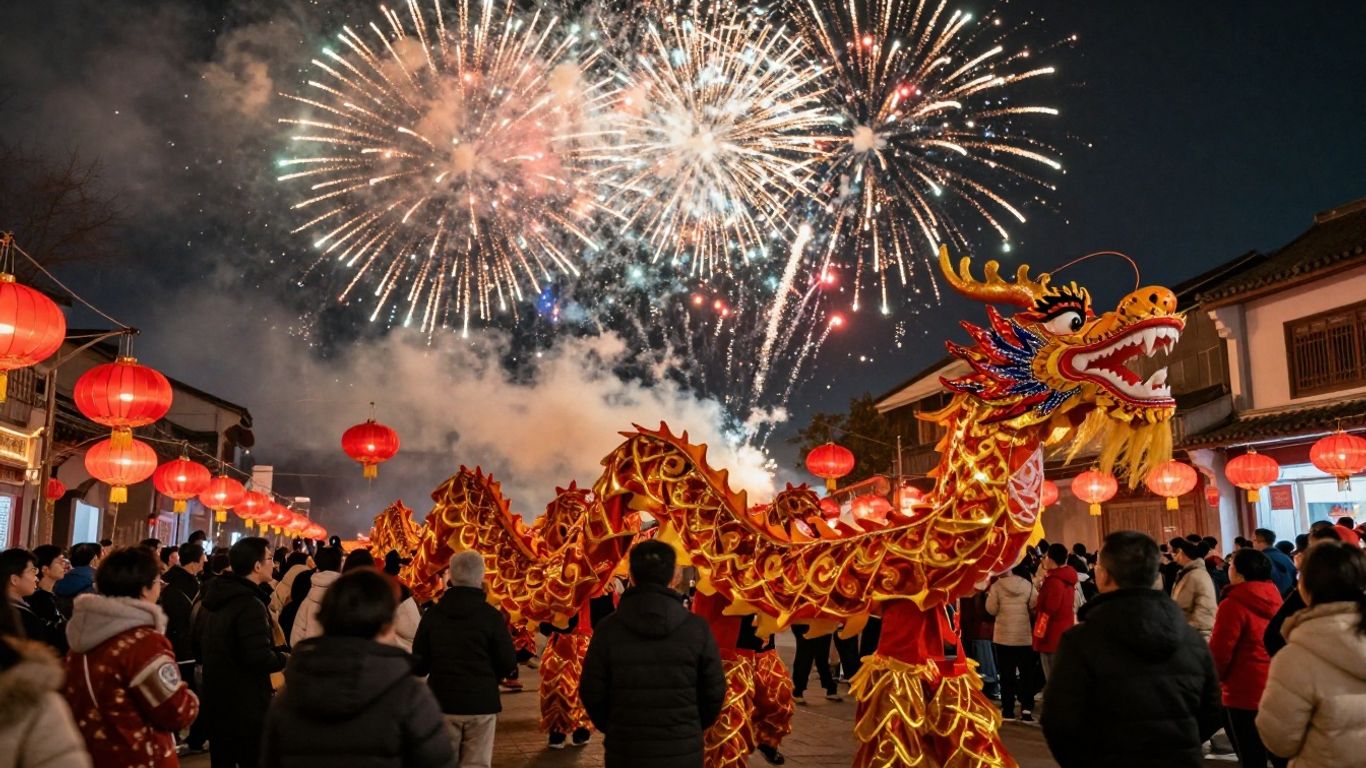
East Asia really embraces the Lunar New Year, making it a significant public holiday in several key places. It’s more than just a day off; it’s a time deeply woven into the cultural fabric.
Hong Kong
In Hong Kong, the Lunar New Year is a big deal, with celebrations typically lasting for three days. This period is officially recognized as a public holiday, allowing people ample time to visit family and participate in festivities. The city buzzes with activity, from vibrant street markets to elaborate temple visits. It’s a time when traditions are honored and the community comes together.
Macau
Similar to Hong Kong, Macau observes the Lunar New Year as a public holiday for three days. This allows residents and visitors alike to experience the unique blend of Chinese and Portuguese influences during this festive season. The atmosphere is electric, with fireworks and public celebrations adding to the excitement. It’s a fantastic time to witness the cultural richness of the region.
Taiwan
Taiwan takes its Lunar New Year celebrations quite seriously, with a holiday period that can extend significantly. Officially, it covers Chinese New Year’s Eve and the first three days of the lunar calendar. But here’s where it gets interesting: if any of these days fall on a weekend, extra days are added to make up for it. Sometimes, they even add
Chinese New Year Observances In Southeast Asia
Southeast Asia is a vibrant region where Chinese New Year, or Lunar New Year, is a really big deal. It’s not just a minor observance for some; for many, it’s a major public holiday, a time for families to gather and celebrate the start of the new lunar year. The influence of Chinese culture is strong here, and it shows in how these countries embrace the festivities.
Philippines
In the Philippines, Chinese New Year was officially recognized as a special non-working holiday in 2024, a move that highlights its significance for the country’s large Filipino-Chinese community. While the celebrations might not be as widespread as in some other Southeast Asian nations, they are deeply felt within the community. Expect vibrant street parades, especially in areas with a strong Chinese presence like Manila’s Chinatown, and plenty of family gatherings. It’s a time for good fortune and new beginnings.
Thailand
Thailand celebrates Chinese New Year with a lot of enthusiasm, particularly in cities like Bangkok, which has a massive Chinatown. While it’s not a national public holiday, the celebrations are immense, drawing crowds and featuring colorful parades, lion dances, and street food galore. Many businesses with Chinese ties observe the holiday, and it’s a fantastic time to experience the lively atmosphere. The spirit of the new year is definitely felt throughout the country.
Vietnam
Vietnam has its own version of the Lunar New Year, known as Tết Nguyên Đán or simply Tết. While it shares roots with Chinese New Year, Tết has its own distinct traditions and cultural nuances. It’s the most important festival in Vietnamese culture, a time for honoring ancestors, visiting family, and enjoying special foods. The celebrations often span several days, with families cleaning their homes and decorating them with peach blossoms and kumquat trees. It’s a deeply spiritual and festive occasion.
Myanmar
In Myanmar, Chinese New Year is observed by the significant Chinese population, especially in cities like Yangon. While it’s not a nationwide public holiday, communities come together for celebrations that include traditional music, dragon dances, and family feasts. It’s a time when many businesses owned by ethnic Chinese might close to allow employees to celebrate. The festivities are a colorful display of cultural heritage within the broader Myanmar society.
The observance of Chinese New Year across Southeast Asia showcases a beautiful blend of cultural heritage and adaptation. Each country, while sharing common threads of tradition, weaves its own unique cultural fabric into the celebrations, making it a rich tapestry of festivities. It’s a testament to the enduring influence and vibrant presence of Chinese culture in the region.
Global Recognition Of Chinese New Year
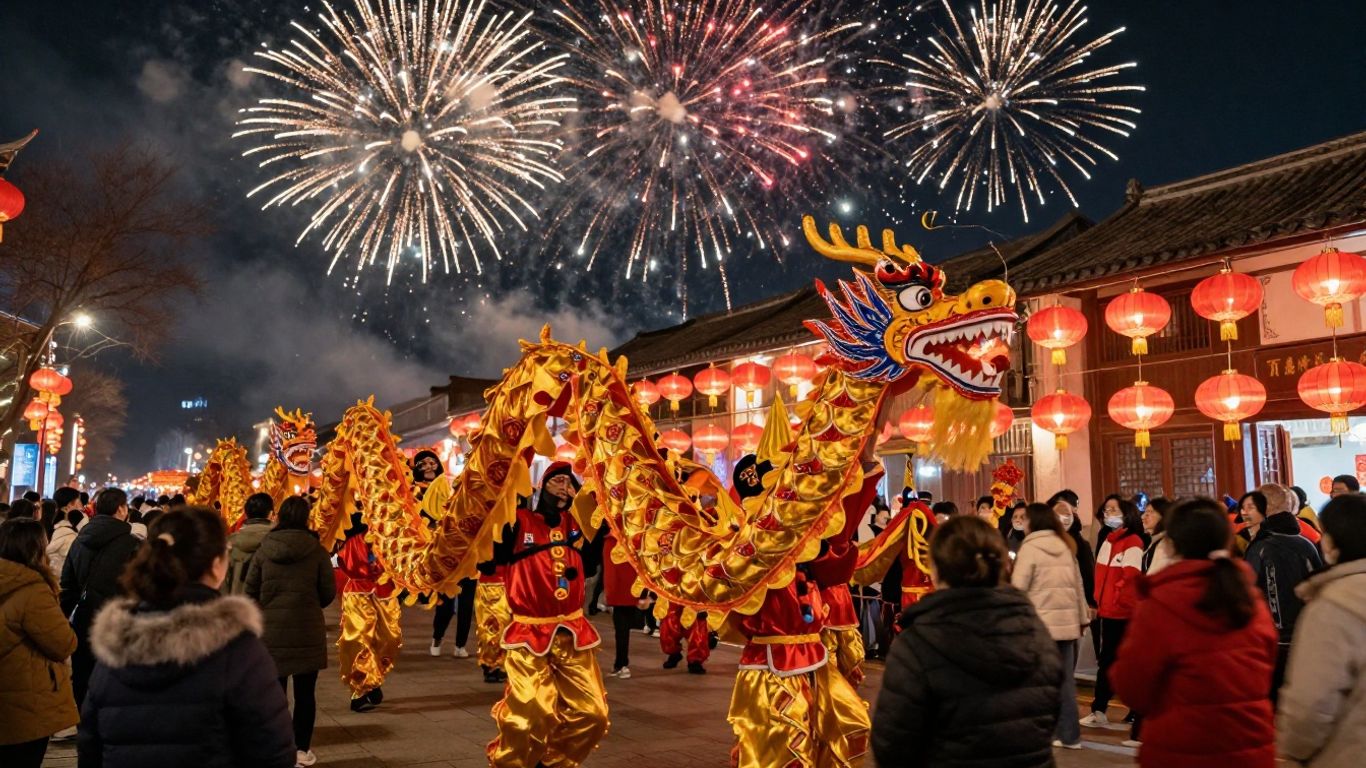
As Chinese New Year spreads beyond Asia, you can really see how it’s catching on across the world—not just as a festival, but as an official holiday in unexpected places. Countries celebrating Spring Festival officially now include locations in South America and Africa, as well as some states and cities in North America.
Suriname
In Suriname, Chinese New Year is a recognized public holiday. The country’s Chinese community, though not massive, has managed to keep its traditions front and center. Schools and offices close for the day. People light fireworks, hand out red envelopes, and celebrate on the streets. Shops often run out of decorations days before, so if you’re preparing for Spring Festival there, plan ahead.
Mauritius
Mauritius is home to a small but lively Chinese community. The government made Chinese New Year a nationwide public holiday. This means everyone gets the day off, not just the Chinese-Mauritian families. Celebrations go beyond the Chinese population. Dancing dragons parade through Port Louis, streets are strung with lanterns, and Mauritians of all backgrounds feast and join the party.
New York, United States
Since 2016, New York City public schools have closed for Lunar New Year, making it an official school holiday. There’s a parade in Chinatown, floats, drums, people in lion costumes, confetti everywhere—it’s wild. Local government recognizes the festival’s importance, showing respect for the large Asian-American community. While it’s not technically a state or federal public holiday, the school closure is a significant step, inspiring other districts across the US.
California, United States
California has a huge Chinese population, especially around San Francisco and Los Angeles. As of 2023, Lunar New Year was made a state holiday—giving public employees an official day off if they want to observe. San Francisco’s parade is one of the largest outside Asia. Here are some ways California recognizes the event:
- State government offices close for Lunar New Year if employees choose it
- Massive festivals in San Francisco, Los Angeles, Irvine
- Special school events and public displays promote Chinese culture
More and more places are joining the ranks of countries celebrating spring festival officially, showing how global traditions adapt and connect people from all walks of life.
Here’s a quick table for reference:
| Location | Public Holiday Status | Notable Celebrations |
|---|---|---|
| Suriname | National holiday | Street celebrations, fireworks |
| Mauritius | National holiday | Dragon dances, all-island party |
| New York, USA | School holiday (NYC) | Chinatown parade, school closure |
| California, USA | State holiday option | Major parades, school festivals |
So, as Spring Festival’s reach widens, so does its impact on local traditions and the calendar. That list of places with official recognition keeps growing, one celebration at a time.
Chinese New Year Traditions And Festivities
Chinese New Year, also called the Spring Festival, is a huge deal, marking the start of the lunisolar calendar. It’s not just one day, either; celebrations usually kick off on New Year’s Eve and go all the way until the Lantern Festival, which is the 15th day of the new year. This whole period is a time for families to get together, honor ancestors, and welcome good fortune. It’s a really vibrant time, full of unique customs that have been passed down for ages.
Decorations
Walking around during Chinese New Year is like stepping into a world of red and gold. Homes and streets get decked out with all sorts of festive items. You’ll see faichun, which are calligraphy posters with lucky sayings, hung on doors and walls. Paper cuttings, intricate knots, and images of wealth are also popular. Citrus trees are often used as decorations too, symbolizing abundance. It’s all about creating a cheerful and prosperous atmosphere.
If you’re interested in how the festival influences beauty trends, check out these Spring Festival makeup looks in classic red and gold.” Link “Spring Festival makeup looks in classic red and gold“.
Dragon and Lion Dances
These performances are a major highlight. You’ll often see them at festivals and business openings. The dragon dance, in particular, can involve really complex choreography, showing off China’s advancements in integrating technology into cultural events. If you want a closer look at how tech is reshaping the Spring Festival, check out how robots steal the show at China’s Lunar New Year celebrations.
The idea is that the loud drums, cymbals, and the energetic movements of the dragon and lion costumes scare away bad spirits and bring good luck. It’s quite a spectacle, with performers moving in sync to the music. The dragon dance, in particular, can involve really complex choreography, showing off China’s advancements in integrating technology into cultural events [4a1a].
Red Envelopes
Ah, the red envelopes, or hongbao! These are a classic part of the celebration. Traditionally, married couples and elders give these red packets filled with money to children and younger, unmarried relatives. It’s a way to pass on blessings and good wishes for the year ahead. The amount inside is important, often with numbers ending in ‘8’ because it sounds like ‘prosperity’. It’s a sweet gesture that makes kids especially happy.
Spring Travel
This is a massive undertaking every year. Millions of people travel back to their hometowns for the reunion dinner on New Year’s Eve. It’s known as Chunyun, and it’s basically the world’s largest annual migration. Think trains, buses, and planes all packed. It really shows how important family gatherings are during this holiday.
The tradition of cleaning the house before the New Year is symbolic, representing sweeping away the old year’s misfortunes to make way for fresh luck and opportunities. It’s a way to start the year with a clean slate, both literally and figuratively.
Here’s a quick look at some common traditions:
- Reunion Dinner: The big family meal on New Year’s Eve is central.
- Firecrackers: Traditionally used to scare off evil spirits, though now often replaced by fireworks.
- Visiting Relatives: Spending time with family and friends is a key part of the festivities.
- New Year Couplets: Red paper scrolls with auspicious phrases are displayed on doorways.
Conclusion
So, that’s the rundown on where Chinese New Year is actually a public holiday. It’s not just China—places like Singapore, Malaysia, Taiwan, Hong Kong, and Macau all give people time off to celebrate. Even countries you might not expect, like Indonesia, Brunei, the Philippines, and a few spots outside Asia such as Suriname and Mauritius, have made it official.
The holiday goes by different names and the number of days off can change depending on where you are, but the spirit is pretty much the same everywhere: family, food, and a fresh start. It’s wild to see how this tradition has spread and how each country puts its own spin on it. Whether it’s a big festival or just a day off, Chinese New Year is a reminder of how connected people can be, no matter where they live.
Frequently Asked Questions
Which countries officially celebrate Chinese New Year as a public holiday?
Many countries around the world give their citizens time off for Chinese New Year, especially those with large Chinese communities. In Asia, places like Malaysia, Singapore, Brunei, Hong Kong, Macau, Taiwan, South Korea, Indonesia, Myanmar, the Philippines, and Thailand observe it as a public holiday. Beyond Asia, Suriname and Mauritius also recognize it with a public holiday.
Why is Chinese New Year celebrated on different dates each year?
Chinese New Year follows the lunar calendar, which is based on the cycles of the moon. This is why its date changes every year compared to the Gregorian calendar, which is based on the sun’s movement.
What are some common ways Chinese New Year is celebrated?
People often decorate their homes with red items and special sayings. Dragon and lion dances are popular performances meant to scare away bad spirits. Giving red envelopes with money, especially to children, is a big tradition. Families also gather for big meals and travel to see relatives.
Is Chinese New Year only celebrated in China and Asia?
Not at all! While it’s a major holiday in China and many Asian countries, Chinese New Year is celebrated by communities all over the globe. You’ll find big celebrations in places like New York City, California, London, Sydney, and many other cities with significant Chinese populations.
What is ‘Spring Travel’ or ‘Chunyun’?
Spring Travel, or Chunyun, refers to the massive travel rush that happens around Chinese New Year. Millions of people travel back to their hometowns to be with their families for the holiday. It’s considered the largest annual human migration in the world!
Does the United Nations recognize Chinese New Year?
Yes, it does! In 2024, the United Nations recognized Chinese New Year by adding it to the list of Intangible Cultural Heritage of Humanity. This shows the global importance and cultural significance of this festival.





One Comment