
Drones spotted over NATO state military base linked to US nuclear weapons

So, weird stuff has been happening lately over a military base in Belgium. Drones, of all things, have been spotted flying around a place called Kleine Brogel. This isn’t just any base; it’s rumored to be where the US keeps some of its nuclear weapons. And get this, it’s happened more than once in just a couple of days. It’s got people talking and wondering what’s going on.
Key Takeaways
- Unidentified drones were seen flying over Kleine Brogel Air Base in Belgium multiple times recently.
- This base is believed to store US nuclear weapons and is a significant part of NATO’s defense strategy.
- Attempts to intercept or jam the drones have so far been unsuccessful, highlighting defense gaps.
- These incidents are part of a larger trend of drone activity over sensitive sites across Europe.
- Belgium is looking to increase funding and collaborate on better drone defense systems.
Mysterious Drones Breach NATO Airspace

Unidentified Drones Spotted Over Belgian Military Base
This past weekend, a series of unsettling events unfolded over Belgium, specifically near the Kleine Brogel Air Base. For the second time in just 24 hours, and marking the fourth such incident recently, unidentified aerial vehicles were detected hovering over this sensitive military installation. These aren’t your typical hobbyist drones; reports suggest they were larger and flying at higher altitudes, indicating a deliberate mission. The repeated incursions have really brought to light some serious security gaps within NATO’s defenses. It’s got a lot of people worried, especially considering the base’s known role.
Repeated Incursions Raise Security Concerns
The pattern of these flights is what’s really setting off alarm bells. We’re talking about foreign drone activity in restricted airspace happening more and more frequently. These aren’t isolated events; similar sightings have been reported over other military installations, airports, and even energy infrastructure across Europe. It feels like a coordinated effort, possibly a form of hybrid warfare, designed to test our responses and probe for weaknesses. The fact that these surveillance aircraft are flying over NATO bases, particularly one believed to be a nuclear weapon site, raises significant military base espionage concerns.
The repeated overflights suggest a calculated strategy to gather intelligence on military assets and operational routines. Each incident serves as a live test of detection and response capabilities, highlighting potential vulnerabilities in real-time.
Belgian Defense Minister Calls for Increased Funding
Belgian Defense Minister Theo Francken has been quite vocal about the situation. He confirmed the drone sightings and stressed that the base’s detection systems were active. Despite attempts to intercept the drones, including deploying a police helicopter and jammer equipment, the vehicles managed to evade capture. Francken has made an urgent plea for more funding, specifically for counter-drone systems. He stated, "The Defense must do everything in its power to shoot down these drones. We urgently need more CUAS instruments." This call underscores the growing need for advanced counter-drone technology to address these persistent airspace intrusions.
Here’s a look at the recent incidents:
- October 31st: Multiple drones spotted over Kleine Brogel.
- November 1st (Evening): Larger drones observed at higher altitudes.
- November 2nd (Morning): Further sightings reported, prompting pursuit attempts.
This situation is a clear signal that current defenses might not be enough to handle this evolving threat.
Kleine Brogel Air Base: A Strategic Target
This Belgian airbase, known as Kleine Brogel, isn’t just any military installation. It’s a place that holds significant weight within NATO’s defense plans. For years, rumors have circulated that it’s one of the European sites where the U.S. keeps its tactical nuclear weapons. Think of it as a key piece in the alliance’s strategy to deter potential threats. The base itself is pretty important for the Belgian defense forces, hosting their biggest unit. Plus, it’s slated to become home for some advanced F-35 fighter jets in the coming years, which really ups its profile.
Believed to Host US Nuclear Weapons
Kleine Brogel is widely thought to be one of the few bases in Europe storing U.S. gravity bombs. Reports suggest it could hold a number of these B-61 bombs, which are designed for battlefield use. This arrangement is part of NATO’s nuclear sharing policy, a complex arrangement that involves several member countries. The exact number and type of weapons are kept under wraps, of course, but their presence makes the base a very sensitive location. It’s a big deal for the overall security picture in Europe.
Key Component of NATO’s Nuclear Deterrence
As a hub for these tactical nuclear weapons, Kleine Brogel plays a vital role in NATO’s nuclear deterrence. The idea is simple: having these weapons available acts as a strong warning against aggression. It’s a cornerstone of the alliance’s strategy to maintain peace through strength. The base’s operations and security are therefore closely watched, especially given the current climate of increased aerial intrusions across Europe. This makes any breach of its airspace a serious concern for the entire alliance.
Future Home for Advanced F-35 Fighter Jets
Beyond its current role, Kleine Brogel is set for a major upgrade. By 2027, the base is expected to house the new F-35 fighter jets. These are some of the most advanced aircraft in the world, capable of stealth and advanced combat operations. Integrating them into the base’s infrastructure means a significant investment and a boost to NATO’s air power capabilities. The drone sightings happening now, before the F-35s even arrive, raise questions about how well prepared the base is for future threats, especially those involving sophisticated aerial surveillance. It’s a clear signal that security at sensitive sites needs constant attention.
The repeated incursions by drones over Kleine Brogel highlight a growing challenge for military bases worldwide. The ability of these uncrewed systems to probe defenses, even at highly secured locations, demands a swift and effective response from defense forces. It’s not just about detecting them, but also about having the means to neutralize the threat without causing collateral damage or escalating tensions.
Here’s a look at some key aspects of the base’s importance:
- Nuclear Storage: Believed to host U.S. tactical nuclear weapons.
- Deterrence Role: A central part of NATO’s nuclear deterrence strategy.
- Modernization: Scheduled to receive advanced F-35 fighter jets.
- Belgian Hub: Home to the largest unit of the Belgian defense forces.
These points really underscore why any activity around Kleine Brogel is taken so seriously by defense officials and intelligence agencies alike. It’s a lot more than just an airfield; it’s a critical node in a global security network.
The Drone Threat in Europe
Broader Trend of Airspace Intrusions
It’s not just Belgium. Lately, it feels like drones are popping up everywhere they shouldn’t be. We’ve seen them over military bases in Denmark, near airports in Spain, and even over sensitive energy sites. It’s becoming a real headache for air traffic control and security folks across the continent. This isn’t just a few hobbyists messing around; it’s a pattern.
Suspected Hybrid Warfare Tactics
Many officials are pointing fingers, suspecting this is part of a bigger, more coordinated effort. Think of it as a modern kind of warfare, not with tanks and soldiers, but with drones and cyberattacks. The idea is to poke and prod, test defenses, gather intel, and maybe just make everyone nervous without actually starting a full-blown conflict. It’s a way to probe weaknesses and see how quickly we can react.
The repeated incursions over sensitive sites like Kleine Brogel suggest a deliberate strategy to test NATO’s response capabilities and potentially gather intelligence on military assets and routines. This approach aims to create uncertainty and pressure without direct confrontation.
NATO Ramping Up Air Defenses
Because of all this, NATO and individual European countries are scrambling to catch up. They’re looking at new ways to detect and deal with these drones, which are getting more sophisticated all the time. It’s a race to build better defenses before something serious happens.
Here’s a look at some of the incidents and responses:
- September: Drones spotted over multiple Danish military bases.
- September: Flights diverted from Gran Canaria airport in Spain due to drone sightings.
- October: Belgian Defense Minister calls for increased funding for counter-drone systems after multiple incursions.
- Ongoing: European nations discussing and planning multi-layered air defense systems, including concepts like a "drone wall."
Failed Interception Attempts
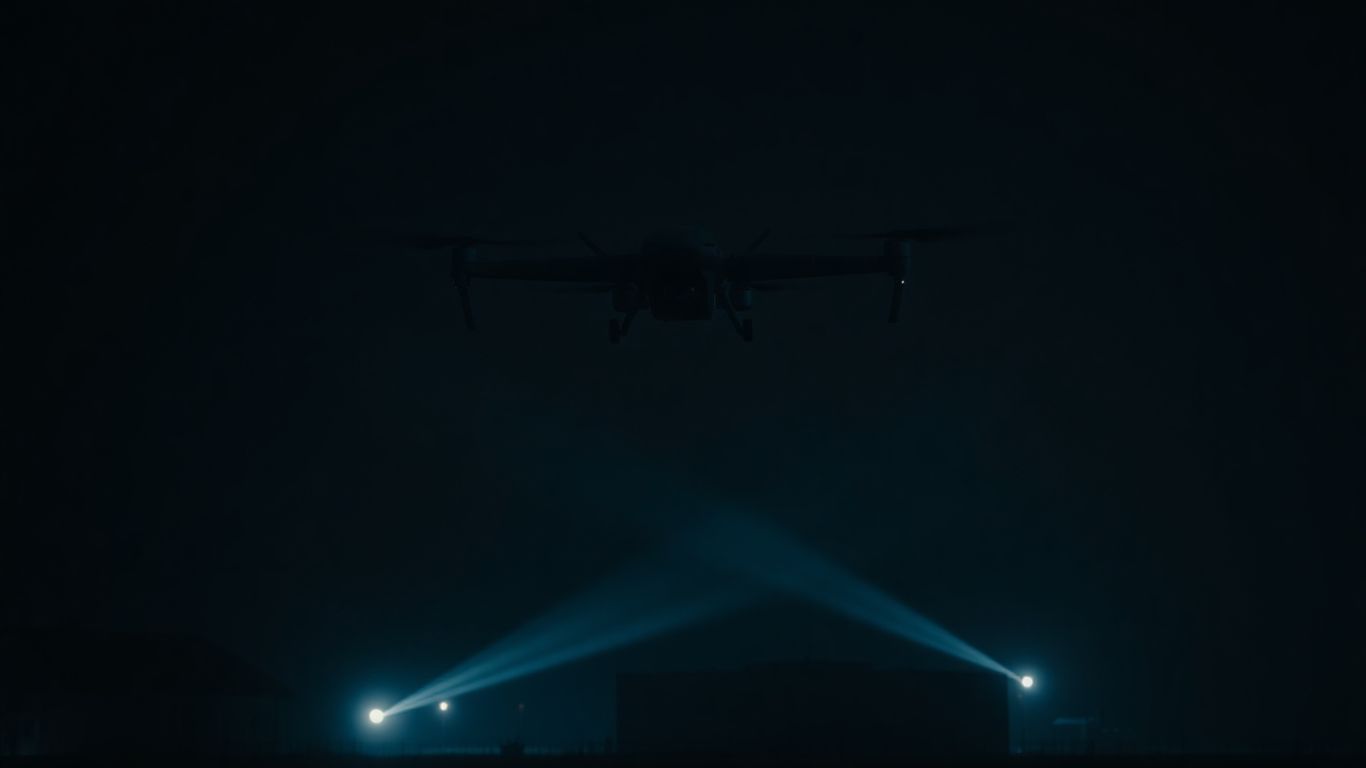
Police Helicopter and Jammer Ineffective
So, the drones are flying around Kleine Brogel, and what happens when the authorities try to stop them? Not much, apparently. A police helicopter was sent up, and they even tried using some kind of jamming equipment. But these drones just seemed to slip away. It’s pretty wild to think that in this day and age, with all our fancy tech, these things can just buzz around a military base and disappear before anyone can really do anything about it. It makes you wonder what kind of gear these drone operators have, or maybe just how good they are at flying them.
Drones Evade Pursuit
It wasn’t just a quick escape. Reports suggest these drones were actively avoiding any attempts to get close or disable them. They weren’t just flying aimlessly; they were maneuvering to stay out of reach. This isn’t like chasing a car down a road; these are three-dimensional targets that can move in ways that are hard for conventional aircraft or ground units to counter effectively. The whole situation highlights a gap in how we’re currently set up to deal with these kinds of aerial intrusions.
Need for Advanced Counter-Drone Systems
This whole mess really points to a bigger problem: our current defenses aren’t cutting it against these modern drone threats. We need better ways to detect, track, and actually stop these things. It’s not just about having a radar; it’s about having systems that can quickly identify a threat and then neutralize it, whether that’s through jamming, taking control, or some other method. The Belgian defense minister even mentioned needing more "Counter-Unmanned Aircraft Systems," which basically means better anti-drone tech. It’s a wake-up call that we need to invest more in this area, and fast.
The repeated inability to intercept these drones isn’t just an embarrassment; it’s a serious security concern. It shows that even highly protected sites can be vulnerable to relatively low-cost aerial technology, raising questions about the effectiveness of current security protocols and the readiness of response forces against unconventional threats.
Here’s a quick look at what happened:
- Detection: Unidentified drones were spotted over the base.
- Response: A police helicopter was dispatched, and jamming equipment was reportedly used.
- Outcome: The drones evaded capture and disappeared before they could be intercepted.
This whole sequence of events really underscores the challenges faced by military and law enforcement when dealing with sophisticated drone incursions. It’s a clear sign that the old ways of doing things just aren’t enough anymore.
Intelligence Gathering or Provocation?
So, these drones keep popping up over Kleine Brogel. It really makes you wonder what their deal is, right? Are they just out there snooping around, trying to get a feel for what’s going on at the base, or is this something more? Belgian Defense Minister Theo Francken mentioned they seemed interested in the F-16s and ammunition, which sounds like classic spying. It’s like they’re trying to map out the place, see how things work, and maybe even test our reaction times. You know, see how fast we can spot them and if we can actually do anything about it.
Drones Observed Spying on Military Assets
It’s pretty clear these flights aren’t random. The fact that they’re hovering over a base that’s supposed to have US nuclear weapons, and is a key part of NATO’s defense setup, isn’t exactly a coincidence. They’re not just flying around aimlessly; they’re focusing on sensitive areas. Think about it: they’re gathering intel on:
- Location of fighter jets (like the F-16s and soon-to-be F-35s)
- Storage areas for munitions and other strategic supplies
- Base security routines and response protocols
This kind of information is gold for any potential adversary. It helps them understand our strengths and, more importantly, our weaknesses. It’s a bit unsettling to think about, honestly.
Assessing NATO’s Response Capabilities
Beyond just gathering intel, these incursions feel like a test. Every time a drone flies over, it’s a chance for whoever is flying it to see how NATO reacts. Do we detect it quickly? Can we track it? And can we stop it? So far, the answer to that last one seems to be a pretty big ‘no’. The police helicopter chase didn’t catch anything, and the drones just vanished. This pattern of failed interceptions really highlights a gap in our current counter-drone systems. It’s like they’re poking us to see where we’re vulnerable. We saw something similar happen near a US military base in Estonia, where NATO forces did manage to down a drone, but that’s not the norm.
The repeated flights over sensitive NATO installations, particularly those linked to nuclear deterrence, suggest a deliberate strategy. It’s not just about seeing what’s there; it’s about demonstrating capability and potentially unsettling the alliance. The lack of successful interception attempts further fuels this narrative, suggesting a need for immediate upgrades to defense systems.
Psychological Impact of Drone Flights
And let’s not forget the psychological side of all this. When you hear about drones flying over a military base, especially one with such high stakes, it creates a sense of unease. It makes people wonder if they’re safe. For governments, it puts pressure on them to do something, to show they’re in control. This kind of uncertainty and pressure is a big part of what people call ‘hybrid warfare’. It’s not just about physical actions; it’s about messing with people’s heads and eroding confidence. It’s a way to probe and provoke without actually starting a full-blown conflict, which is a pretty scary thought.
Addressing the Vulnerabilities
So, these drones buzzing over a military base that might have nuclear weapons? Yeah, that’s not exactly a confidence booster. It’s clear that current defenses aren’t cutting it, and everyone knows it. Belgium is already talking about putting more money into drone defense, which is a start, I guess. They’re looking at a pretty big initiative, around 50 million Euros, to get a better network up and running. It’s a step in the right direction, but honestly, it feels like they’re playing catch-up.
Belgian Initiative for Drone Defense Network
Belgium is really trying to get ahead of this. They’ve got this plan to build a solid drone defense network. It’s not just about spotting them; it’s about having a real plan to deal with them. They’re hoping to get this discussed and approved pretty quickly, but these things can take time. You can’t just snap your fingers and have a high-tech defense system ready to go.
European Collaboration on Counter-Drone Capabilities
It’s not just Belgium, though. A bunch of European countries are realizing they need to work together on this. It makes sense, right? Drones don’t exactly stop at borders. They’re talking about sharing information and maybe even resources to build up their counter-drone abilities. The idea is to create a more unified front against these aerial intrusions. It’s good to see them talking, but the real test will be in the follow-through.
The Concept of a ‘Drone Wall’
There’s this idea floating around called a ‘drone wall’. It sounds a bit dramatic, but the concept is pretty interesting. It’s basically about creating layers of defense. Think interceptor drones, cannons, maybe even electronic jamming. The goal is to have a system that can detect, track, and take down rogue drones without needing to scramble fighter jets every single time. It’s a smart approach, aiming for a more efficient and less escalatory response. This kind of layered defense is something many nations are looking into, especially those closer to potential hotspots. It’s a way to beef up protection for alliance airspace, and it’s definitely something to watch as it develops.
The repeated failures to intercept these drones highlight a significant gap. It’s not just about having the technology; it’s about having the right legal framework and trained personnel to act swiftly and effectively. This situation demands a multi-faceted solution that goes beyond just acquiring new gadgets.
It’s a complex problem, for sure. You’ve got commercially available drones that are getting more sophisticated, and then you have the potential for state-sponsored actors testing the waters. The real challenge is figuring out how to defend against a threat that’s constantly evolving, often without clear attribution. It’s a race against time, and right now, it feels like the drones are a few steps ahead. We’ll have to see if these new initiatives can close that gap. You can read more about the drone sightings over Kleine Brogel for additional details.
What’s Next?
So, we’ve got these drones buzzing around a base that’s pretty important for NATO’s security, and it’s happened more than once. The Belgian defense minister is pretty clear that these weren’t just random flights; they seemed to be on a mission to gather info. They tried to chase them off with helicopters and jammers, but it didn’t work. This whole situation really highlights how much more work needs to be done to keep these sensitive places safe from aerial threats. It’s a wake-up call, and leaders are talking about needing better gear to deal with these kinds of intrusions. We’ll have to wait and see what steps are actually taken to beef up security.
Frequently Asked Questions
What happened at the Belgian military base?
Mysterious drones were seen flying over the Kleine Brogel air base in Belgium. This happened more than once in a short period. The base is important because it’s thought to store U.S. nuclear weapons and is part of NATO’s defense plans.
Why is this base so important?
Kleine Brogel is a key location for NATO’s nuclear deterrence strategy. It’s believed to hold U.S. nuclear bombs and will soon host advanced F-35 fighter jets. This makes it a very sensitive and strategic military site.
Were the drones trying to spy on the base?
Belgian defense officials believe the drones were on a mission to gather information. They think the drones were looking at where the fighter jets and weapons are kept, and other important military details.
Did the authorities catch the drones?
No, they didn’t. A police helicopter and special equipment were used to try and stop the drones, but they couldn’t catch them. The drones flew away before they could be intercepted.
Is this happening in other places too?
Yes, this isn’t an isolated event. Similar drone sightings have been reported over military bases, airports, and other important places in several European countries recently. It’s seen as part of a bigger trend.
What is NATO doing about this threat?
NATO and European countries are working together to improve their defenses against drones. They are looking into new technologies and strategies, like creating a ‘drone wall’ or layered defense systems, to better detect and stop these kinds of intrusions.