Drones: What’s the Buzz?
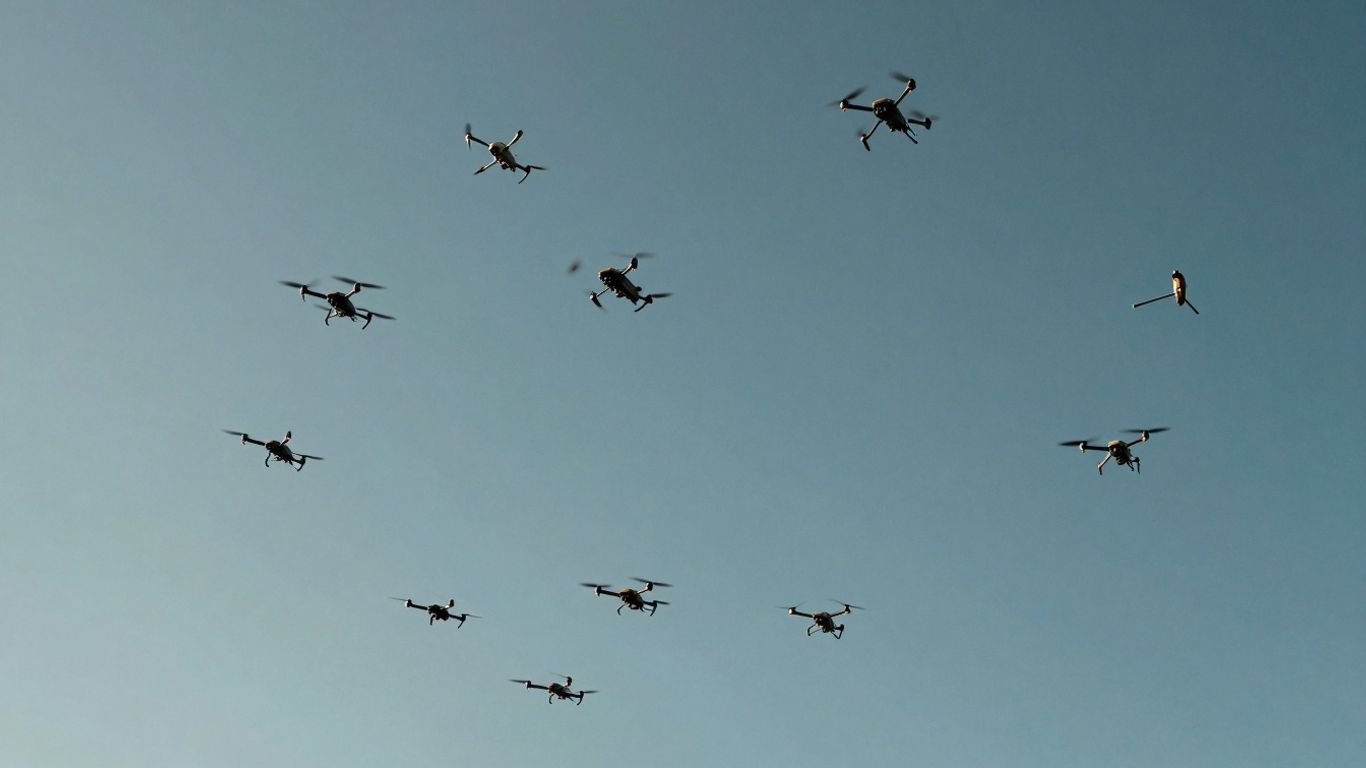
So, drones. They’re everywhere now, aren’t they? From building sites to battlefields, these flying gadgets are changing how we do things. We’re talking about saving money, keeping things safe, and even how wars are fought. It’s a lot to take in, but let’s break down what all the buzz is about with drones.
Key Takeaways
- Drones are making construction cheaper and smarter by digitizing job sites, improving planning, and saving money.
- Using drones means dealing with legal stuff like privacy and security, so operators need to be careful.
- In conflicts, drones give groups a tactical edge, but their impact on irregular warfare is still debated.
- The future of drones involves them working with other tech, moving materials, and facing more rules.
- Drones boost site security and efficiency by monitoring safety, tracking equipment, and spotting risks like fires.
Drones In Construction: A Cost-Saving Innovation
Digitizing Job Sites With Drones
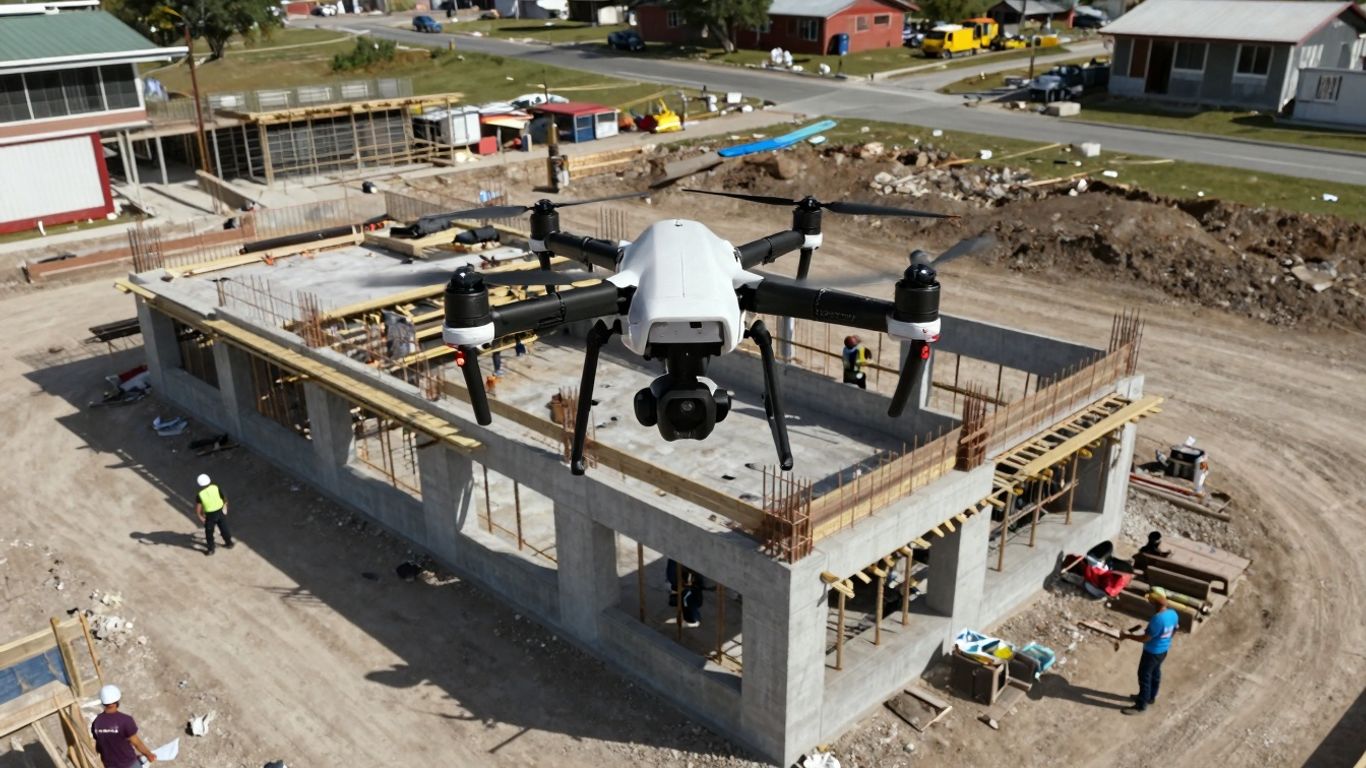
Remember when getting a good overview of a construction site meant climbing on top of a pile of dirt or renting a cherry picker? Yeah, me neither, but I bet it was a pain. Now, drones are changing all that. They’re basically flying cameras that can map out an entire job site really quickly. This means before anyone even breaks ground, you can have a super detailed digital model of the area. It’s like having a bird’s-eye view, but way more precise. This digital snapshot helps everyone involved get on the same page from the get-go.
- Creating detailed site maps: Drones capture high-resolution images and data to build accurate 2D and 3D models of the terrain.
- Assessing site conditions: They can identify potential issues like uneven ground or existing structures that might affect the build.
- Improving tender processes: This data can be shared with potential bidders, saving them time and money on site visits and helping them price projects more accurately.
Before drones, getting this kind of detailed site information was a slow and expensive process, often involving multiple site visits and manual surveys. Now, a single drone flight can gather more data in a fraction of the time, making the initial planning stages much more efficient.
Improving Planning and Operations
Once the project is underway, drones don’t just sit in their charging stations. They keep working. Think about tracking progress – instead of just looking at blueprints, you can see exactly what’s been built and compare it to the plan. If something’s off, especially in those hard-to-reach spots like high up or deep in foundations, a drone can spot it early. Catching mistakes when they’re small saves a ton of headaches and cash down the line. Plus, it means fewer workers have to do risky climbs or set up expensive scaffolding just to check things out. This frees them up for more important tasks.
- Progress Monitoring: Regular drone flights provide visual records of construction progress, allowing for quick comparisons against project schedules and plans.
- Quality Control: Drones can inspect hard-to-reach areas for defects or deviations from the design, spotting issues like concrete imperfections early.
- Resource Management: Tracking equipment location and condition across large sites becomes much simpler, preventing loss and ensuring tools are where they need to be.
Projected Cost Savings and GDP Uplift
So, how much money are we talking about? Well, some big projects are already seeing significant savings. For instance, a joint venture working on a major UK rail line estimated they’d save around £50,000 a year just from faster site surveys. That number has since jumped to a projected £5 million over five years. Looking at the bigger picture, experts predict that by 2030, drones could save the UK construction and manufacturing sectors about £1.6 billion. That’s not just saving money; it’s also expected to give the country’s economy a boost, adding roughly £2.8 billion to the GDP. It’s pretty clear that these flying gadgets are becoming a really smart investment for the construction world.
Navigating Legal Landscapes With Drones
Digitizing Job Sites With Drones
So, you’re thinking about using drones on your construction site? That’s pretty cool, and honestly, they can save a lot of headaches and money. But before you send one up, there are some legal bits you really need to think about. It’s not just about flying the thing; it’s about what it sees and what happens with that information.
Improving Planning and Operations
When drones capture images or video, they’re collecting data. This can be super useful for planning, checking progress, or even showing clients what’s going on. But here’s the catch: what if that drone flies over someone’s house or captures people who aren’t supposed to be in the footage? That’s where things get tricky.
- Privacy Concerns: Drones with cameras can accidentally record people or private property. This can step on toes when it comes to privacy laws, especially if you’re in an area where people live or work.
- Data Security: The information a drone collects needs to be stored safely. Think about it like any other computer file – it can be hacked or stolen. If sensitive project details or personal information gets out, you could be in a real bind.
- Trespassing and Nuisance: Flying too low over someone else’s land or making a racket could lead to legal trouble. It’s best to be mindful of your neighbors and stick to the project area as much as possible.
Projected Cost Savings and GDP Uplift
To avoid these issues, you’ve got to be smart about it. Here are a few things to consider:
- Give a heads-up: Let people know a drone is being used. A simple sign or notice can go a long way.
- Plan your flight: Think about where the drone is going and how high it needs to fly. Sometimes, a lower altitude or a different path can prevent unwanted data collection.
- Assess the tech: Look at the drone’s camera. Do you really need super-high resolution footage of everything? Maybe you can adjust settings to focus only on what’s important for the job.
- Secure your data: Make sure whatever system you use to store drone footage is locked down tight, both physically and digitally.
It’s really important to know the rules before you fly. Laws about drones are still changing, so staying updated is key. Getting proper training for your pilots and checking local regulations will save you a lot of grief down the road. Plus, having the right insurance doesn’t hurt either.
Basically, drones are awesome tools, but you gotta use them responsibly. Thinking through the legal side from the start means you can enjoy all the benefits without running into unexpected problems.
Drones: A Tactical Advantage in Conflict
When we talk about drones in conflict, it’s easy to get caught up in the high-tech, futuristic stuff. But the reality on the ground is often a bit more complicated, especially when dealing with rogue drones. For non-state groups, drones aren’t usually the game-changers you might think. They’re more like handy tools that can help out in specific situations.
Drones as Tactical Adjuncts for Nonstate Groups
Think of it this way: a small group might strap a grenade onto a drone. It’s a way to add a little punch to their attacks, maybe damage some equipment or cause a distraction. We’ve seen this happen, with groups using drones to drop small explosives. But these aren’t usually the kind of attacks that win wars. They’re more about making a nuisance of themselves or getting some good propaganda footage. It’s not like they’re suddenly able to launch precision strikes on major targets without a lot of outside help. Most of the time, these drone attacks are about as effective as other simple explosives they might use.
Counterinsurgent Advantages of Drones
On the flip side, for established forces fighting against insurgencies, drones can be a real help. They can keep an eye on things for a long time, much longer than a fighter jet can. This constant watch can disrupt insurgent movements and make it harder for them to operate. Plus, when drones do strike, they can be pretty precise. This means less chance of hitting the wrong people, which is always a good thing. It can also make things difficult for insurgent groups, sometimes even causing them to fight amongst themselves.
Public Perception of Drone Strikes
It’s often said that drone strikes make people angry and turn them against the forces using them. But the evidence isn’t always that clear. In some places, like Pakistan, many people didn’t even know the strikes were happening. So, while it’s something to consider, it might not be the big public relations disaster that some people imagine. It really depends on the situation and how aware the local population is.
Here’s a quick look at how drones stack up:
- For Non-State Groups:
- Useful for small-scale attacks.
- Good for propaganda videos.
- Limited by payload and accuracy.
- For Counterinsurgents:
- Long surveillance times.
- Precise strike capabilities.
- Disrupts enemy operations.
- Can help deal with rogue drones.
The idea that drones are a revolutionary weapon for everyone is a bit overblown. While they offer some advantages, especially for established forces, they also have limits. For smaller groups, they’re more of a tactical tool than a strategic weapon. For those trying to stop insurgencies, they can be a powerful asset, but they still need good intelligence and ground forces to be truly effective.
The Evolving Role of Drones in Warfare
Drones in Irregular Warfare
Drones have really changed the game in how conflicts are fought, especially in irregular warfare. It’s not just about big armies anymore. Think about groups like the PKK or even ISIS – they’ve gotten pretty good at using drones to drop small explosives. It’s not always super accurate, and sometimes the drones just crash, but it’s enough to cause trouble and keep state forces on their toes. They’ve used everything from modified badminton shuttlecocks to make fins for bombs to just dropping what looks like a mortar round from a small drone. It’s a low-cost way for them to hit targets.
But here’s the thing, it’s not a one-way street. For the guys trying to stop these groups, drones are a huge help too. They can watch areas for hours, way longer than a fighter jet can stick around. This constant watch can really mess with insurgent plans and even cause problems within their own groups. It’s like having eyes everywhere, all the time. Plus, some studies suggest that the public doesn’t really care about drone strikes as much as we think. In places like Pakistan, a lot of people didn’t even know they were happening.
The idea that drones are a revolutionary tool solely for insurgents is a bit overblown. While they offer new tactics, the advantages for well-equipped counterinsurgent forces, particularly in terms of persistent surveillance and precision strikes, often outweigh the benefits for less-resourced groups.
Weaponizing Drones: Ease and Challenges
It seems like anyone can strap a grenade to a drone these days, right? Well, not quite. While it’s definitely easier to get a drone and add some kind of explosive compared to, say, a missile system, there are still big hurdles. For most non-state groups, getting their hands on the drones themselves can be tough, let alone ones that can carry heavier payloads. We’ve seen some groups, like the Houthis in Yemen, manage to hit bigger targets like oil fields, but that often comes with serious outside help, like from Iran. For most others, it’s more about small, tactical annoyances rather than game-changing attacks.
The Debate: Do Drones Favor Insurgents?
This is where things get really interesting. Some folks argue that drones are leveling the playing field, making it easier for insurgents to fight back against bigger, more organized armies. They point to how ISIS used drones in Mosul and called it their ‘self-made air force,’ achieving goals cheaply. The idea is that if weaponizing is easy, then states have to completely change how they fight. It’s a scary thought, right? If the little guy can suddenly have air power, what does that mean for national security?
On the flip side, there are plenty of people who think drones actually give the advantage to the state. They argue that while insurgents can drop a few bombs, the constant surveillance and precision strikes that state militaries can conduct with drones are far more disruptive to guerrilla operations. It’s like the difference between a quick prank and a full-blown investigation. The state’s drones can track movements, disrupt supply lines, and provide intel for ground forces in a way that a few homemade bombs just can’t match. It seems like a determined counterinsurgent force can really use drones as a force multiplier.
Future Trends in Drone Technology
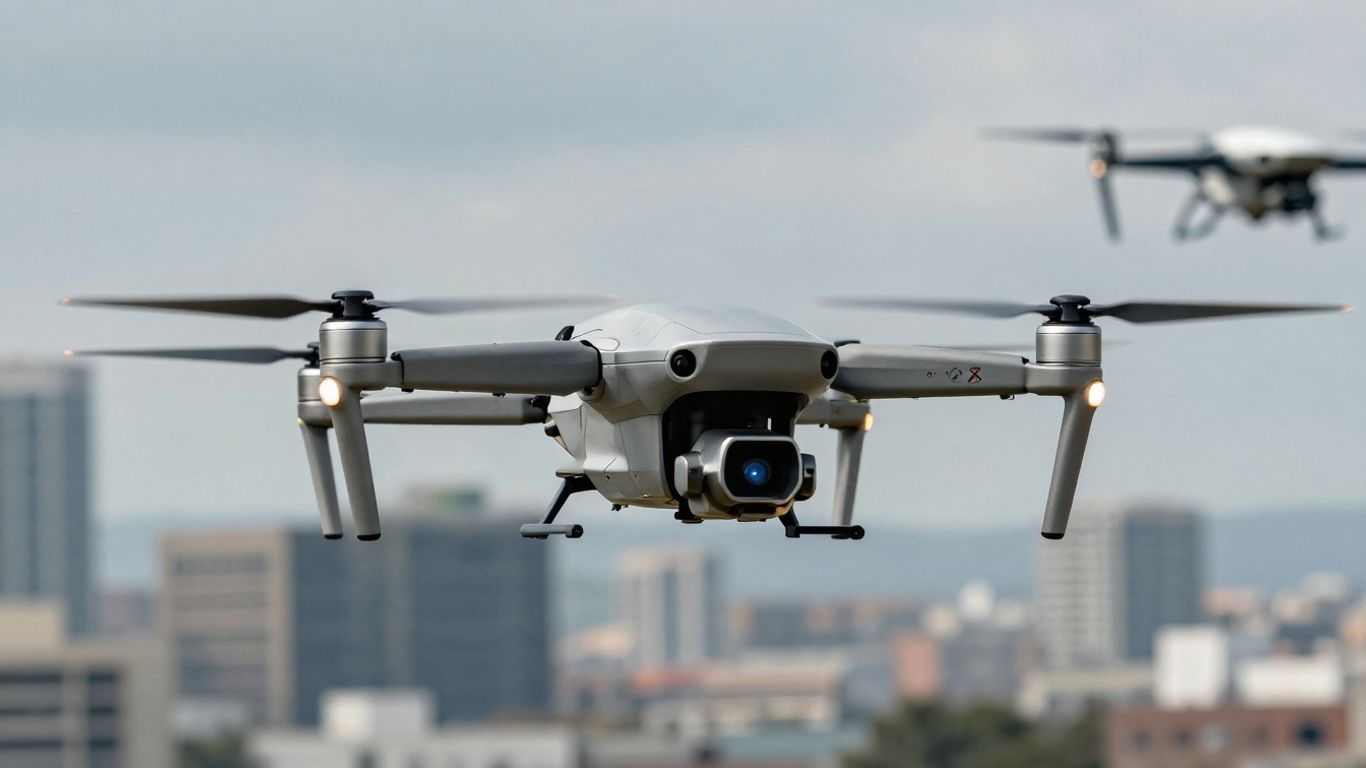
So, what’s next for these flying gadgets? It’s not just about them getting better at taking pictures from way up high. We’re looking at some pretty interesting developments that could change how we work and live.
Integrating Drones with Other Technologies
Think about how your smartphone works with other smart devices in your home. Drones are heading in a similar direction. We’re already seeing construction sites use drone-generated maps overlaid with digital building plans. But it’s going to get more involved. Imagine drones working hand-in-hand with self-driving vehicles or automated construction equipment. This combo could tackle dangerous jobs or reach tricky spots without putting people at risk. It’s like having a super-powered, remote-controlled crew.
Drone Use for Material Transport
Forget about those long drives across a big construction site just to move a few parts or tools. Drones might just take over that job. Especially for places that are hard to get to – think steep hills, rough ground, or just really awkward locations. This isn’t just about saving time; it could cut down on fuel use and help companies be kinder to the environment. Of course, we’ll need to make sure these drones are super safe when carrying stuff, because dropping heavy equipment isn’t an option.
Increased Regulation and Case Law Development
As drones become more common and are used for all sorts of things, governments are going to step in with more rules. It’s already happening. This means drone operators will need to stay on top of what’s allowed and what’s not, and these rules can change depending on where you are. We’ll also see more court cases pop up, which will help clear things up about how existing laws apply to drone use. It’s a bit of a legal maze, but it’s necessary as the technology grows.
The rapid growth in drone capabilities and applications means that the legal and regulatory frameworks are constantly playing catch-up. Staying informed about evolving laws and court decisions will be key for anyone operating drones, whether for business or personal use.
Enhancing Site Security and Efficiency With Drones
Drones are really changing the game when it comes to keeping job sites safe and running smoothly. Think about it: instead of sending someone up a shaky ladder to check a high beam, a drone can do it in minutes, no risk to people. This is a big deal for safety. Plus, these flying gadgets are great for keeping an eye on expensive equipment. You can track where everything is and even check its condition, which helps prevent theft and makes sure you know when something needs fixing.
Improving Safety Through Remote Monitoring
One of the biggest wins with drones is how they cut down on dangerous tasks for workers. Areas that are hard to reach or pose a fall risk can be inspected without putting anyone in harm’s way. This means fewer accidents and a safer work environment overall. It’s about using technology to do the risky jobs so people don’t have to.
Equipment Monitoring and Theft Prevention
Keeping track of all the gear on a large site can be a headache. Drones make this much simpler. They can fly over the site and log the location of everything from excavators to smaller tools. This not only helps managers know what they have and where it is, but it also acts as a deterrent against theft. If equipment goes missing, drone footage can help track it down or provide evidence.
Thermal Drones for Risk Detection
Beyond just visual checks, thermal drones add another layer of security. They can spot overheating machinery before it becomes a serious problem, like a fire. This early detection is key to preventing costly damage and downtime. They can also identify other heat-related risks on site, allowing for quicker responses to potential emergencies.
The ability of drones to provide real-time aerial views and data is transforming how we manage and secure physical locations. This technology offers a proactive approach to identifying potential hazards and monitoring assets, moving beyond traditional, often more labor-intensive, methods.
When it comes to stopping unwanted aerial visitors, there are a few ways to think about how to prevent drone intrusions. The goal is to create a robust drone airspace security system. This involves a few key steps:
- Detection: Setting up systems that can spot unauthorized drones entering a protected zone. This might involve radar, radio frequency scanners, or even acoustic sensors.
- Identification: Once a drone is detected, figuring out if it’s a threat or just a recreational flyer. This helps in deciding the next course of action.
- Mitigation: Having a plan in place to stop drones that are identified as a risk. This could range from jamming signals to physical countermeasures, depending on the situation and legal permissions.
These measures are all part of a strategy to stop unauthorized drones from causing problems, whether it’s for security, privacy, or safety reasons. It’s about building a defense against potential misuse of drone technology.
So, What’s the Final Word on Drones?
It’s pretty clear that drones are more than just a passing fad. They’re already changing how we build things, how we keep an eye on stuff, and even how conflicts play out, though maybe not always in the ways we first thought. Sure, there are some tricky bits to figure out, like keeping data private and making sure everyone’s flying safely and legally. But the tech keeps getting better, and people are finding new uses all the time. It looks like these flying gadgets are here to stay, and we’ll probably see them pop up in even more places we don’t expect.
Frequently Asked Questions
How are drones helping construction sites save money?
Drones are like high-tech eyes in the sky for construction. They can quickly scan and map out entire job sites, which helps teams plan better and avoid mistakes. This digital information means less guesswork and fewer costly errors. Some companies have saved tens of thousands of dollars a year, and it’s expected to save the industry billions and boost the economy.
What are the privacy concerns with using drones?
Since drones often have cameras, they can accidentally record people or private areas they weren’t supposed to. This raises worries about people’s privacy and how their personal information is collected. Drone operators need to be careful about where they fly and what data they collect to avoid breaking privacy rules.
Are drones really helping groups like insurgents in conflicts?
It’s a mixed bag. While some groups can use drones for small attacks, it’s not always a game-changer. Many groups struggle to get advanced drones or weapons for them. Drones are often more useful as a small tool to help soldiers on the ground, rather than a main weapon for big attacks.
Do drones give an advantage to governments fighting against insurgents?
Yes, drones can be very helpful for governments. They can keep an eye on areas for a long time, which helps spot and disrupt enemy activities. They are also safer for soldiers than other types of aircraft. Plus, studies show that people aren’t always as upset about drone strikes as some people think.
What’s new and upcoming with drone technology?
Drones are getting smarter by working together with other technologies, like robots or design software. We might see them used to deliver materials on tough job sites or even help carry smaller equipment. Because drones are being used more and in more ways, there will likely be more rules and legal decisions about how they can be used.
How can drones make construction sites safer and more efficient?
Drones can do dangerous inspection jobs from a safe distance, reducing the risk of falls for workers. They can also watch over equipment to make sure it’s working correctly and even spot potential fires early with special heat-sensing cameras. Keeping track of equipment is also easier with drones, which can help prevent theft and manage tools better.

![Presidential seal and [Donald Trump] in a powerful stance.](https://countrybrief.com/wp-content/uploads/2025/10/thumbnail-43-768x432.jpeg)