Economic Woes Plague Trump’s Approval Ratings Amidst Rising Oil and Gas Prices
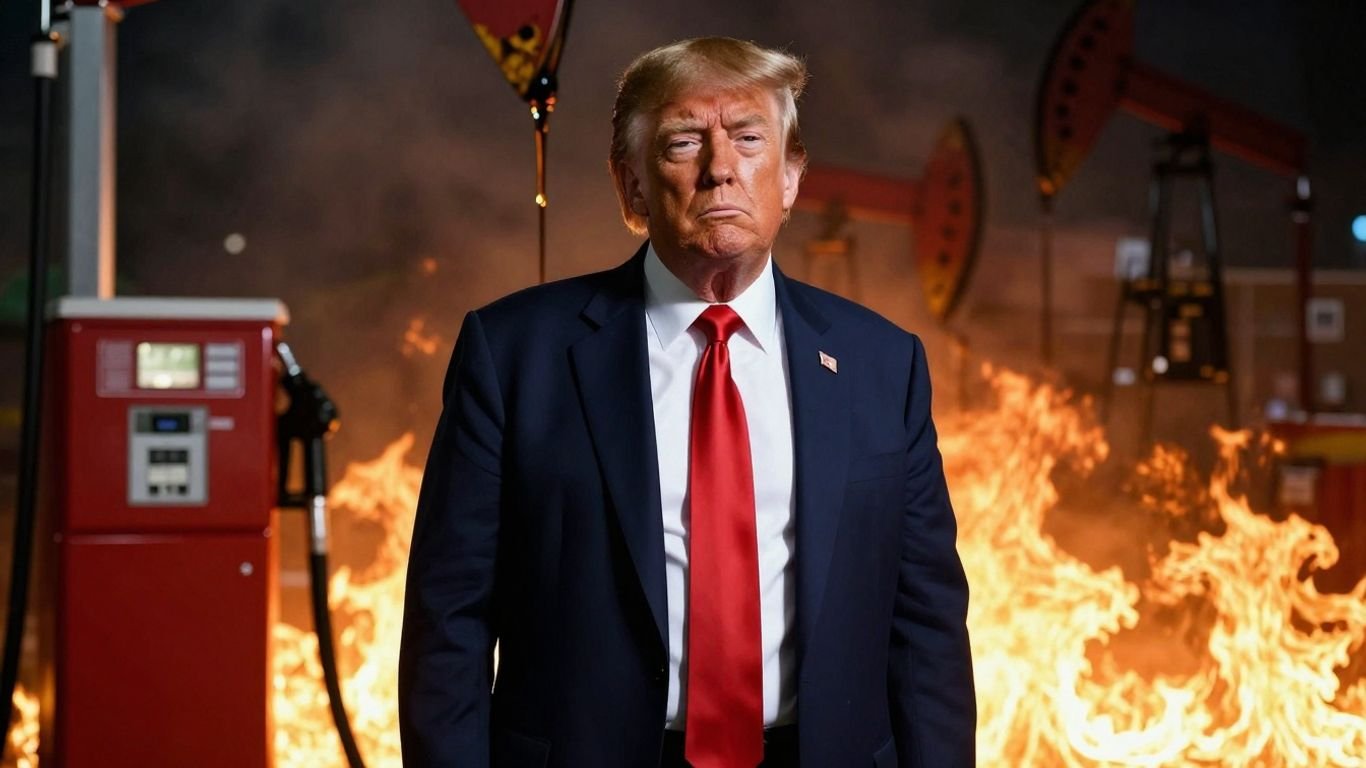
Recent analyses indicate a significant downturn in former President Donald Trump’s approval ratings concerning the economy and inflation, now mirroring lows seen previously. This decline coincides with a sharp increase in oil and gasoline prices, raising concerns about the broader economic landscape and its political implications.
Key Takeaways
- Trump’s approval on the economy stands at 40%, and on inflation at 36%, both at recent lows.
- A 45% surge in US oil prices and a 15% jump in gasoline prices are contributing factors.
- Political factors are seen as potentially dictating a de-escalation of tensions with Iran.
Economic Indicators Signal Trouble
The latest data paints a concerning picture for the economic standing of former President Trump. His approval ratings on handling the economy have dipped to 40%, while his performance on inflation is viewed even more critically, standing at 36%. These figures represent a significant low point, suggesting a growing public dissatisfaction with economic conditions.
Fuel Price Surge Fuels Concerns
A primary driver behind these declining approval numbers appears to be the recent spike in energy costs. US oil prices have seen a substantial 45% increase, directly impacting the price at the pump, with gasoline prices climbing by 15%. This surge in fuel costs disproportionately affects household budgets and contributes to broader inflationary pressures, exacerbating public economic anxieties.
Political Landscape and Geopolitical Factors
Beyond domestic economic concerns, geopolitical events are also being highlighted as potential influences on the political climate. One analysis suggests that US political dynamics may play a crucial role in determining the pace of any de-escalation in the potential conflict with Iran. This underscores the interconnectedness of economic stability, political leadership, and international relations in shaping public perception and policy.