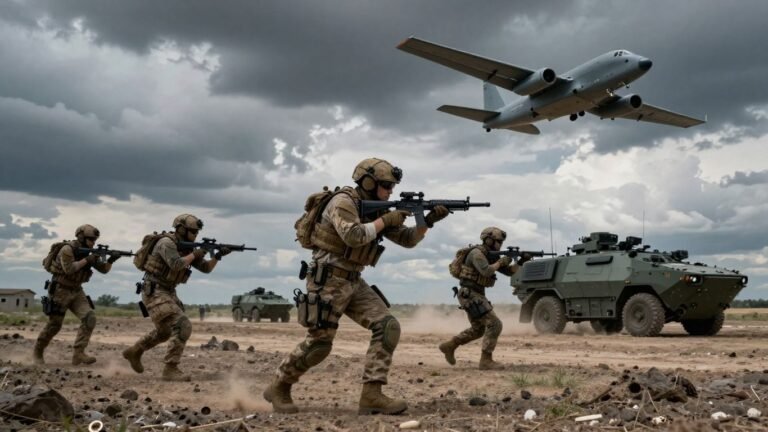
Ecuadorian voters say ‘No’ to return of US bases

So, Ecuador just had a big vote, and it turns out most people there said ‘no’ to letting foreign military bases set up shop again, especially ones linked to the US. President Noboa, who’s been trying to get tough on crime and seemed to be leaning towards more US involvement, really didn’t get the results he wanted. It wasn’t just about the bases, either; other ideas he pushed for, like changing some laws about work and the environment, also got shot down. This whole thing feels like a pretty clear message from the voters about how they want things run.
Key Takeaways
- Ecuadorian voters overwhelmingly rejected allowing foreign military bases, signaling a strong desire for national control and sovereignty.
- The referendum results represent a significant setback for President Noboa’s agenda, particularly his strategy for combating organized crime through closer ties with the US.
- Concerns about past US military actions and a general mistrust of foreign policy influenced the public’s decision against foreign bases.
- The vote suggests a shift towards Ecuador pursuing internal solutions and strengthening its own police and military forces to address the drug war.
- Beyond the military bases, voters also turned down broader constitutional reforms proposed by President Noboa, preserving existing checks and balances.
Ecuadorian Sovereignty Reigns Supreme Over Foreign Military Presence
Voters Deliver Decisive ‘No’ To US Bases
Well, it looks like the people of Ecuador have spoken loud and clear this past Sunday. The referendum results are in, and it’s a resounding ‘No’ to allowing foreign military bases on their soil. This isn’t just some minor political blip; it’s a major statement about national pride and control. The push to bring back US military presence, particularly at the Manta airbase, was clearly not what the majority wanted. It’s a clear signal that Ecuadorians value their independence and want to chart their own course.
National Dignity Trumped External Influence
This vote really shows that when it comes down to it, national dignity matters more than any supposed security benefits offered by foreign powers. Many voters felt that inviting foreign troops back would be a step backward, a sign of weakness rather than strength. There’s a strong sentiment that Ecuador can and should handle its own security challenges without relying on outside military forces. It’s about standing tall and saying, ‘We can do this ourselves.’
Ecuador’s Independent Stance Affirmed
The outcome of this referendum solidifies Ecuador’s commitment to an independent foreign policy. It sends a message to the world that Ecuador is not looking to be a pawn in larger geopolitical games. The decision to reject foreign bases is a powerful affirmation of their right to self-determination and a clear indication that they prioritize their own national interests above all else. This is a win for Ecuadorian sovereignty, plain and simple.
President Noboa’s Agenda Suffers Significant Setback
Voters Deliver Decisive ‘No’ To US Bases
Well, this is a bit of a blow for President Noboa, isn’t it? He really pushed for this idea of bringing back foreign military bases, hoping it would be the magic bullet for Ecuador’s crime problems. But the voters? They said a big, fat ‘no’. It’s a pretty clear message that they don’t think inviting foreign troops is the way to go. This referendum result is a major setback for his whole approach to security.
National Dignity Trumped External Influence
It seems like a lot of Ecuadorians felt that letting foreign military bases set up shop here was a step too far. They value their country’s independence, and frankly, they’re not too keen on outside powers calling the shots. It’s like they’re saying, ‘We can handle our own problems, thank you very much.’ This vote really shows that national pride and sovereignty matter a lot to the people.
Ecuador’s Independent Stance Affirmed
This whole situation really highlights that Ecuador wants to chart its own course. President Noboa might have been hoping for a closer partnership with the U.S. on security, but the public clearly prefers a more independent path. It’s a strong signal that they want to make their own decisions about how to deal with crime and security, without relying too heavily on foreign help. It’s about taking control of their own destiny, you know?
Concerns Over US Military Actions Influence Vote
Echoes Of Past Abuses Resurface
It’s no secret that many Ecuadorians have a complicated history with foreign military presence, and this referendum really brought those feelings to the surface. People remember the days when US soldiers were stationed here, and frankly, not all those memories are good ones. There were whispers, and sometimes outright accusations, of soldiers overstepping their bounds. Think about things like alleged abuses, or how towns near bases sometimes saw a rise in prostitution and other social issues. It’s a sensitive topic, and voters clearly felt that bringing back foreign bases could open up old wounds.
Mistrust Of American Foreign Policy Grows
Beyond specific past incidents, there’s a broader sense of unease about American foreign policy in general. We’ve seen recent actions, like US airstrikes in the Caribbean and Pacific targeting alleged drug boats. While the goal might be to fight crime, the way it’s done raises questions. Some lawyers are even saying these strikes might not be following international law. When you combine that with the fact that President Noboa has backed these kinds of operations, it’s understandable why some voters would be hesitant to invite more foreign military involvement. This vote was a clear signal that Ecuador wants to chart its own course. It’s about national dignity and not just blindly following external directives. We saw this sentiment echoed in discussions about the US military’s role in the region.
Concerns Over Sovereignty And Autonomy
Ultimately, this all boils down to sovereignty. Ecuadorians want to be in charge of their own destiny. They believe they can handle their security challenges with their own police and army. The idea that corruption and a lack of law enforcement are the real problems, rather than a lack of foreign help, came through loud and clear. It’s about self-determination and making sure Ecuador’s laws and interests are the top priority. The referendum results show a strong desire to maintain national control over security matters and avoid any situation that could compromise their independence. It’s a powerful statement about what it means to be a sovereign nation in today’s world.
Drug War Strategy Re-Evaluated After Referendum
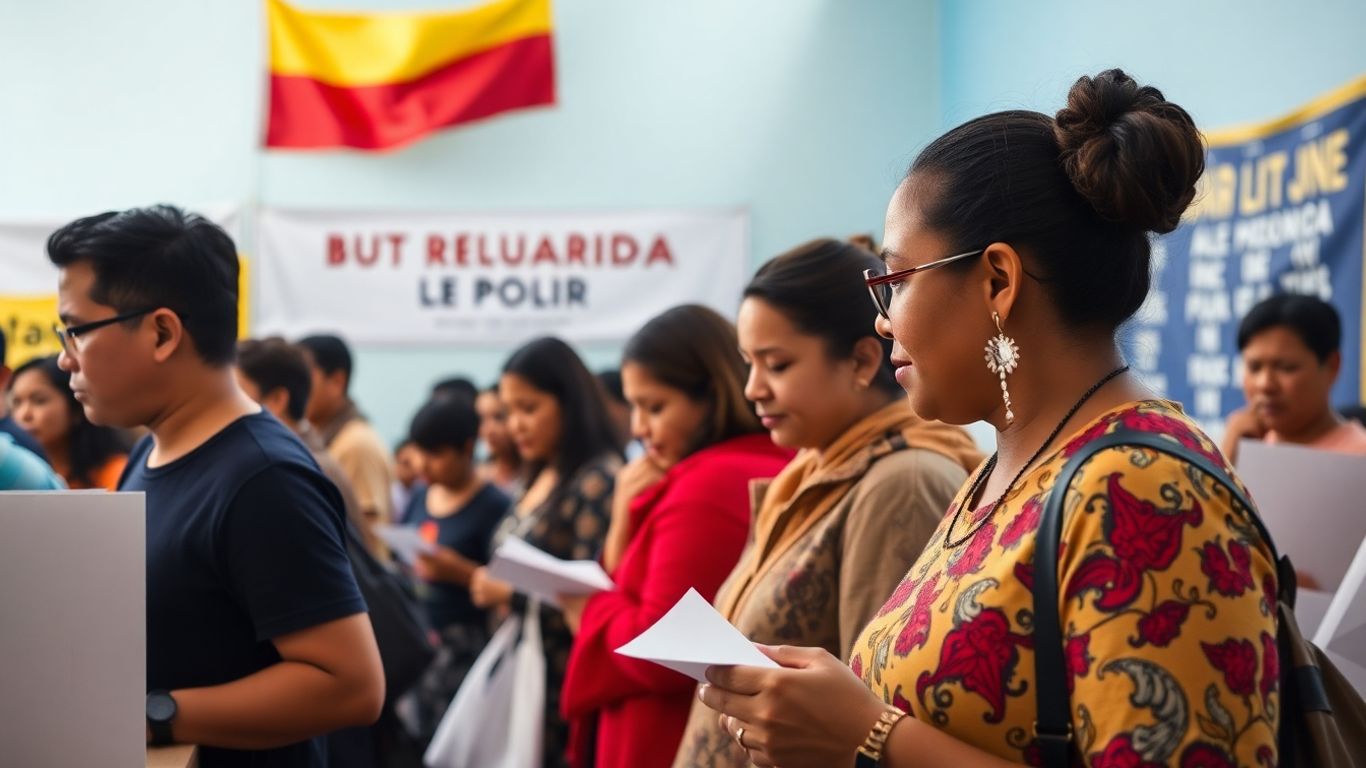
Ecuador Pursues Internal Solutions
The recent referendum results have sent a clear message: Ecuadorians want to handle their own security challenges. The decisive ‘No’ vote against foreign military bases signals a strong desire for national autonomy in combating organized crime. While President Noboa pushed for external cooperation, including the potential return of US bases, voters opted for a path focused on domestic capabilities. This shift means the government must now lean more heavily on its own police and military forces to tackle the escalating violence and drug trafficking that has plagued the nation. It’s a tough road ahead, but one that the people have clearly chosen.
National Police And Army To Lead Fight
With the door closed on foreign military installations, the responsibility for securing Ecuador now rests squarely on the shoulders of its national police and army. This isn’t just a symbolic change; it requires a real commitment to strengthening these institutions. We’re talking about better training, improved equipment, and a more coordinated approach to intelligence gathering and operations. The government needs to show it can effectively manage these forces without relying on outside help. It’s about building trust in our own ability to protect our citizens and our borders. This is a chance for our own forces to prove their mettle.
Corruption Identified As Root Cause
Many voters pointed to corruption as the real enemy, not a lack of foreign boots on the ground. It’s hard to argue with that logic. If our own systems are compromised, how can we expect external forces to solve the problem? The focus needs to shift towards rooting out corruption within our own institutions. This means transparency, accountability, and serious consequences for those who betray the public trust. Without addressing this fundamental issue, any strategy, whether internal or external, is likely to falter. It’s time to clean house and build a system that truly serves the people, not the criminals. We need to look at Ecuadorian voters’ rejection of foreign bases as a call to action on this front.
Broader Constitutional Reforms Also Rejected

It wasn’t just the idea of foreign military bases that Ecuadorians shot down this weekend. President Noboa was pushing for a whole package of changes, and it looks like voters weren’t having it. Beyond the military question, several other proposed constitutional reforms also failed to get the green light. This suggests a real desire among the public to keep things as they are, at least when it comes to certain fundamental aspects of their government and society.
Weakening Of Labor And Environmental Standards Denied
One of the big things Noboa wanted was to change the rules around labor and environmental protections. The idea seemed to be to make things easier for businesses, maybe to attract investment or something. But the voters said ‘no’ to weakening worker rights and environmental safeguards. It’s like they’re saying that economic progress shouldn’t come at the cost of people’s jobs or the planet.
- Labor protections: The proposed changes could have made it harder for workers to organize and bargain for better conditions.
- Environmental rules: There was concern that the reforms would loosen regulations on pollution and resource extraction.
- Public opinion: The clear rejection indicates a strong public value placed on existing protections.
Checks And Balances Preserved
Another measure that went down in flames was the proposal to create a special assembly tasked with rewriting the entire constitution. Many saw this as a power grab, a way for the president to consolidate control and sideline existing democratic structures. The voters’ decision to reject this means they want to keep the current system of checks and balances in place, rather than risking a complete overhaul that could concentrate too much power.
The push for a new constitution was seen by many as an attempt to bypass the established legislative process and concentrate power, a move that voters apparently found too risky.
Public Funding For Parties Remains Intact
Finally, the idea of cutting public funding for political parties also failed. This is interesting because sometimes people complain about how parties are funded. However, the outcome here suggests that, for now, Ecuadorians prefer the current system, perhaps seeing public funding as a way to ensure a more level playing field or prevent undue influence from private donors. It’s a complex issue, and the voters opted to stick with the status quo.
- **Referendum Results (Approximate):
- Allowing foreign military bases: ~60% No
- Creating a constitutional assembly: ~61% No
- Cutting public funding for parties: Failed
- Reducing Congress size: Failed
- Weakening labor/environmental standards: Failed
US Hopes For Pacific Expansion Dashed
Well, it looks like Uncle Sam’s dreams of expanding its military footprint along the Pacific coast have hit a major roadblock. Ecuadorians, in a move that surprised many but perhaps shouldn’t have, overwhelmingly voted ‘No’ on allowing foreign military bases. This isn’t just a minor hiccup; it’s a pretty significant setback for any grand plans the US might have had for increased regional presence.
Manta Airbase Remains Off-Limits
The old Manta airbase, once a key hub for US anti-drug operations, will stay off-limits. The referendum results mean that the ban on foreign military installations, put in place back in 2008, remains firmly in effect. It’s a clear signal from the Ecuadorian people that they prefer to manage their own security affairs without foreign military boots on the ground. This decision really puts a damper on any notion that the US could just waltz back in.
Strategic Setback For Regional Security Goals
This vote is more than just about one base; it’s a strategic blow. For years, there’s been talk of the US wanting a stronger foothold in the eastern Pacific, especially with the ongoing issues surrounding drug trafficking. Ecuador’s decision directly challenges those ambitions. It suggests that regional security might need to be approached differently, perhaps with more emphasis on local partnerships rather than direct military installations. It’s a tough pill to swallow for those who believed a US base was the magic bullet.
Ecuador Prioritizes National Control
Ultimately, this referendum outcome underscores Ecuador’s commitment to its own sovereignty. The voters made it clear they value national control over their territory and foreign policy. While President Noboa might have seen foreign bases as a way to combat organized crime, the electorate clearly disagreed, opting instead for solutions that keep external military powers at bay. It’s a strong statement about national pride and independence, showing that Ecuador intends to chart its own course, free from foreign military entanglements. This rejection sends a clear message that Ecuadorians value their sovereignty above all else.
Ecuador Says ‘No’ to Foreign Bases, Stands Firm on Sovereignty
So, the people of Ecuador have spoken pretty clearly this weekend. They voted against letting foreign military bases back into the country, and that’s a pretty big deal. President Noboa, who seemed to think this was the way to go, got a clear message that most folks aren’t on board with that plan. It wasn’t just about the bases, either; other ideas to change things up constitutionally didn’t fly either. It looks like Ecuadorians are saying they want to handle their own problems, their own way. It’s a reminder that sometimes, people just want to be left alone to figure things out for themselves, and they’re not afraid to say ‘no’ when they feel their country’s independence is on the line. We’ll have to see what happens next, but for now, it’s a win for those who value national sovereignty above all else.
Frequently Asked Questions
What did Ecuadorians vote against in the recent election?
Ecuadorians voted against letting foreign countries, like the United States, set up military bases in their country again. Most voters said ‘no’ to this idea.
Why did voters reject the idea of US bases?
Many voters felt that having foreign military bases would take away Ecuador’s control over its own country. They also remembered past problems and felt mistrusted foreign military actions. They believe Ecuador can handle its own problems with its own police and army.
Was this a setback for President Noboa?
Yes, it was a big blow to President Daniel Noboa. He had supported the idea of foreign bases as a way to fight crime and violence, and he is friendly with leaders like Donald Trump. The vote showed that many people didn’t agree with his plan.
Were other ideas by President Noboa also rejected?
Yes, voters also said ‘no’ to other proposals. These included changing the constitution to weaken rules for workers and the environment, cutting money for political parties, and making the government smaller. People wanted to keep the current rules that protect these things.
How does this affect Ecuador’s fight against drug gangs?
The vote means Ecuador will focus more on using its own police and army to fight drug gangs. They believe that fixing problems like corruption and making sure laws are followed are the best ways to solve the country’s issues with drugs and violence.
What does this mean for the US and its goals in the region?
This vote dashed hopes the US had for setting up bases in Ecuador, especially at Manta. It’s a setback for their plans to have a bigger military presence in the Pacific area. Ecuador is choosing to keep control of its own security and territory.