Enhancing Regional Fire Exchanges: Innovations and Best Practices
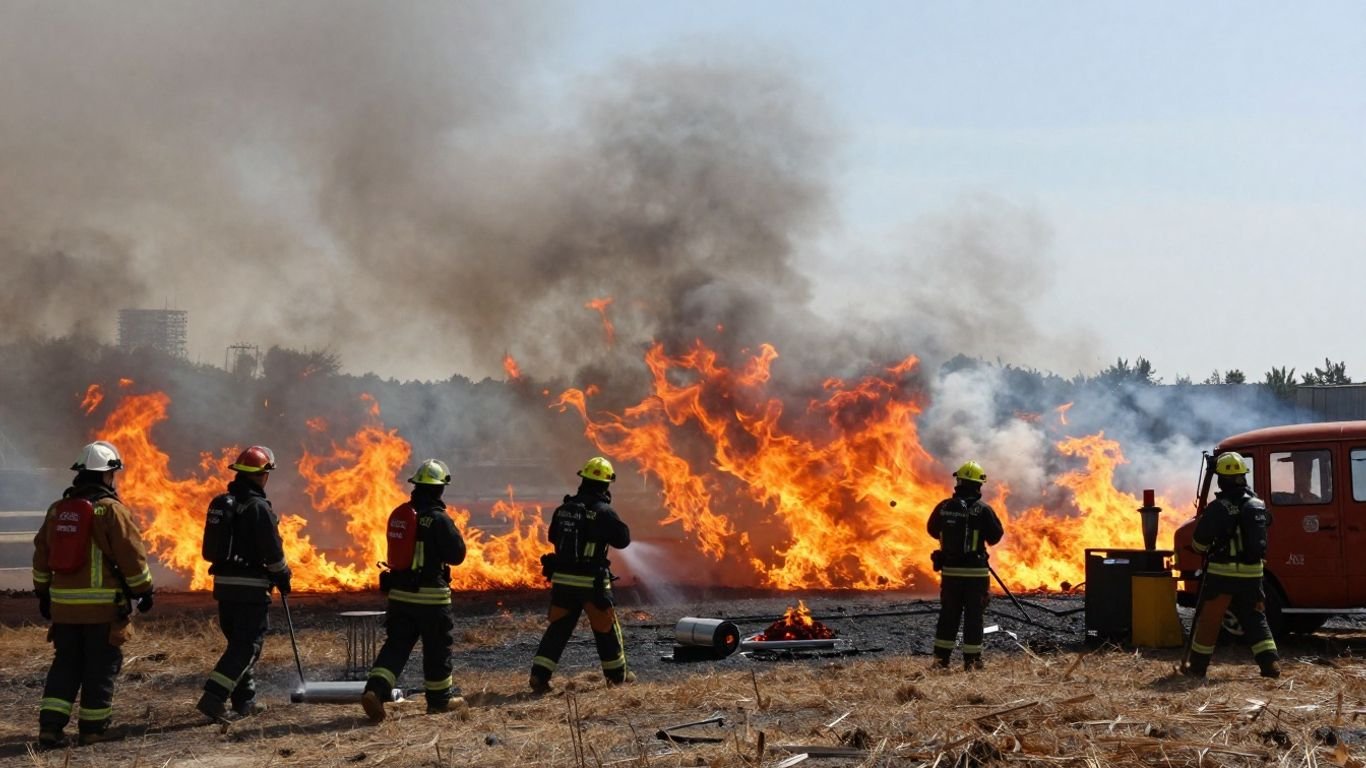
Fire departments are always looking for better ways to do things, whether it’s fighting fires or preventing them. This means sharing what works across different areas, or regional fire exchanges, is super important. It’s not just about new gadgets; it’s about smarter ways to work, keeping folks safe, and making sure everyone knows what to do. We’re going to look at some of the cool stuff happening and what we can all learn from it to make our communities safer from fires.
Key Takeaways
- Sharing knowledge and methods between different fire departments, known as regional fire exchanges, helps everyone get better at their jobs. This includes learning from international groups and setting up places where experts can share what they know.
- New gear and smarter technology, like better protective clothing and equipment that helps put fires out faster, are making firefighters safer and their work more effective.
- Teaching people how to avoid fires in the first place is a big deal. Tailoring these lessons to what each town or area needs, like specific farm fire safety programs, makes a real difference.
- Keeping firefighters healthy, both in their minds and bodies, is a top priority. This involves better ways to clean gear and making sure the air they breathe is clean, even inside their trucks.
- The future of regional fire exchanges involves using new communication systems like NextGeneration 9-1-1 and finding faster ways to adopt new technology and share information so communities are better prepared.
Strengthening Regional Fire Exchanges Through Collaboration
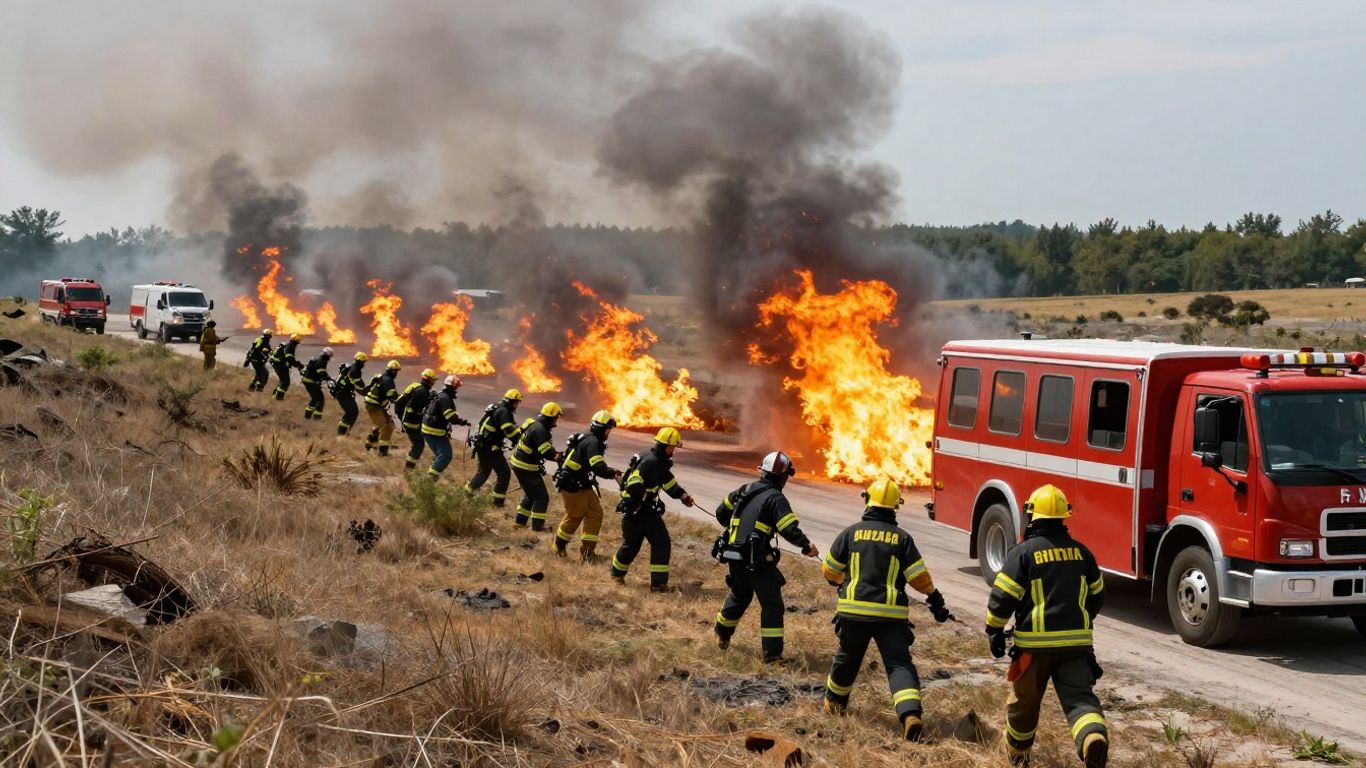
Look, fires don’t care about borders, right? So why should our firefighting efforts? We need to get serious about working together across regions, and even across countries, to share what actually works. It’s not about reinventing the wheel every time a wildfire pops up; it’s about learning from folks who’ve already figured out the tough stuff.
Leveraging International Partnerships for Best Practices
This is where we can really make headway. When departments in Arizona are dealing with desert fires and we’re facing forest blazes, there’s a ton of shared knowledge waiting to be tapped. Take Parkland County Fire Services, for example. They got a spot in this Fire Department Exchange program down in Flagstaff, Arizona. They got to see firsthand how other departments handle wildland-urban interface issues – you know, where houses meet the woods. They even got to show off Canada’s FireSmart Program. This kind of direct exchange is gold. It’s not just about reading reports; it’s about seeing the real-world application and bringing those solid ideas back home.
The Role of Centers of Excellence in Knowledge Mobilization
We need places, or maybe even virtual hubs, that act like a central clearinghouse for fire knowledge. Think of a ‘Center of Excellence.’ These places can connect people and groups, making it easier to share information, get training on new gear, and figure out better ways to manage fires. It’s about building up our collective know-how so we’re not starting from scratch every time. They can help get the word out about what works, whether it’s a new prevention technique or a better way to coordinate during a big incident.
Building National and International Networks
This ties right into the last point. We need solid networks. It’s not just about having a phone number to call when things get bad; it’s about building relationships before the crisis. These networks allow us to:
- Share lessons learned from past fires, both successes and failures.
- Coordinate resources and equipment when a major event stretches local capabilities.
- Develop common standards and protocols so everyone’s on the same page.
- Identify and adopt proven strategies from different regions.
Building these connections takes effort, but the payoff in terms of preparedness and response is undeniable. It’s about recognizing that we’re all in this together, facing similar threats, and that collaboration is our strongest tool. Ignoring this is just asking for trouble down the line. We need to be proactive, not just reactive. The goal is to make sure every community, no matter how small or remote, benefits from the best fire management practices available, regardless of where they originated. It’s about common sense and shared security.
Innovations in Firefighting Technology and Equipment
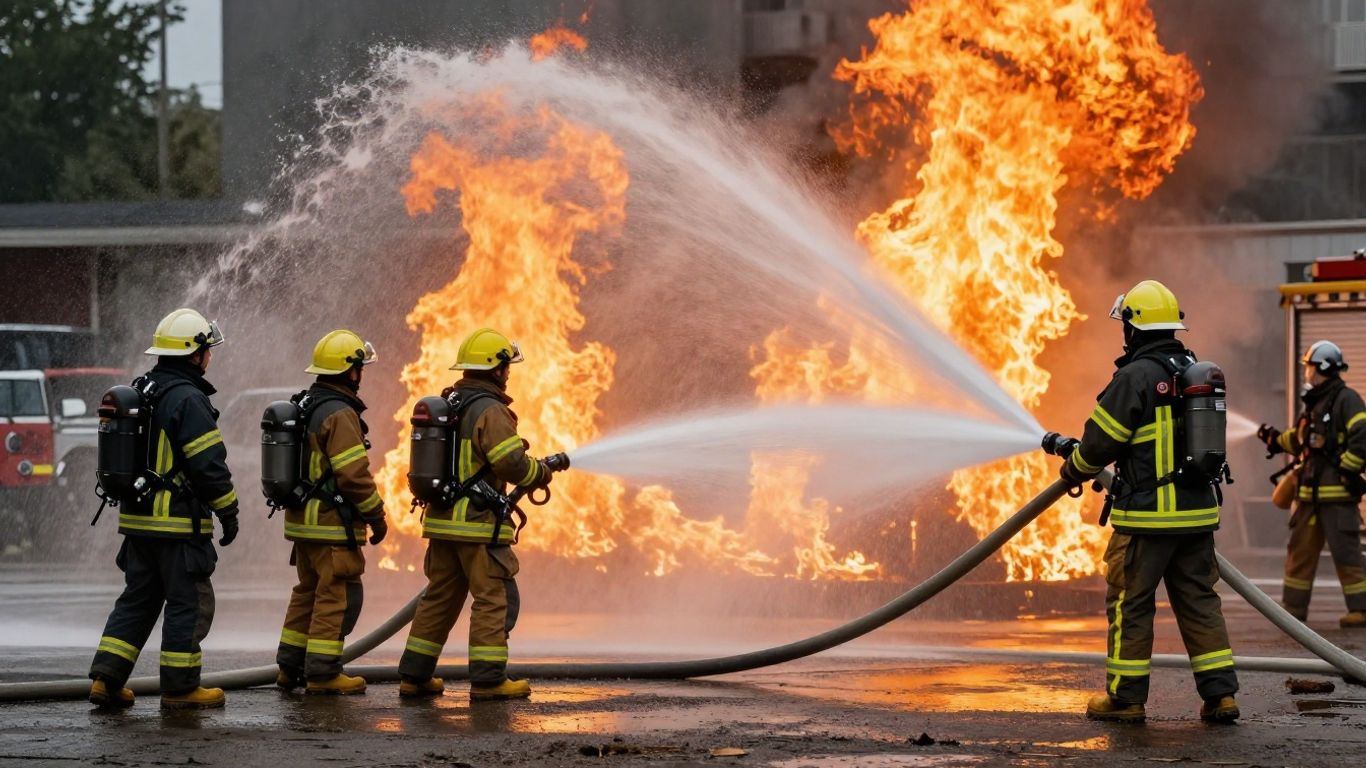
When you think about what keeps our communities safe, you can’t ignore the gear and gadgets firefighters use. It’s not just about having the latest shiny toy; it’s about tools that actually work better and keep our brave men and women out of harm’s way. Firefighting is a tough job, and the people doing it need the best equipment possible to handle the heat, literally.
Advancements in Personal Protective Equipment
Look, the gear firefighters wear has come a long way. Gone are the days of heavy, bulky suits that barely did the job. Today’s personal protective equipment, or PPE, is lighter, tougher, and way more effective at blocking heat and harmful stuff. We’re talking about fabrics that are more fire-resistant and designs that make it easier to move around. Plus, things like personal alert systems are built right in, giving a heads-up if something goes wrong. It’s a big step up in keeping firefighters safe on the front lines.
State-of-the-Art Suppression and Apparatus Technology
Beyond what the firefighter wears, the trucks and the equipment they use to fight fires are getting smarter too. Think about advanced water cannons and foam systems that can knock down a blaze faster. Even the fire trucks themselves are getting upgrades, making them more reliable and easier to handle in tricky situations. It’s all about getting more done with less risk. The ability to know information about an incident before getting to the scene is a game-changer [14c2].
Data-Driven Decision Making for Fire Response
This might sound a bit dry, but data is becoming one of the most important tools in the fire service. It’s not just about the physical equipment anymore. By collecting and analyzing information, fire departments can figure out where fires are most likely to happen, how to respond faster, and what resources they’ll need. This means smarter planning and better use of taxpayer money. It helps departments understand what works best for their specific area and how to put those plans into action.
Using what you have in new ways or ways that are different than intended can be just as innovative as buying the newest gadget. It’s about smart problem-solving under pressure.
Community-Focused Fire Prevention Strategies
When we talk about keeping our towns and neighborhoods safe, it’s not just about having good firefighters ready to go. A big part of the job, and maybe the most important part, is stopping fires before they even start. This means getting out there and talking to people, making sure they know what to do and what not to do. It’s about being smart and proactive, not just reactive.
Tailoring Public Education to Local Needs
Every community is different, right? You can’t just use the same old fire safety talk everywhere and expect it to work. What might be a big problem in one town could be barely a blip in another. That’s why fire departments need to really look at what’s going on in their own backyard. Are there a lot of old houses that are fire hazards? Is there a lot of industry that uses risky materials? Or maybe it’s just folks not changing their smoke detector batteries. Figuring out the specific risks in your area is the first step to making prevention efforts actually stick. It’s like a doctor diagnosing an illness before prescribing medicine. You have to know the problem to fix it. This kind of targeted approach makes the message clearer and more relevant to the people you’re trying to reach. It’s about making fire safety information practical and easy to follow for everyone, from kids to seniors. This is a core part of community risk reduction.
The Impact of Farm Fire Safety Programs
Farms are a whole different ballgame when it comes to fire. You’ve got large buildings, stored fuels, heavy machinery, and often, a lot of dry vegetation around. Fires on farms can be devastating, not just to the farmer’s livelihood but to the surrounding areas too. That’s why specialized programs, like the one developed in Perth East and West Perth, have shown such great results. They saw a huge drop in farm-related fire losses after putting a specific program in place. It shows that when you focus on the unique dangers present in agricultural settings and create programs to address them directly, you can make a real difference. These programs often involve educating farmers on safe storage of fuels, proper maintenance of equipment, and creating defensible space around buildings. It’s about understanding the specific challenges of rural life and providing practical solutions.
Utilizing Social Media for Fire Prevention Outreach
Nowadays, if you want to get a message out, you’ve got to be where people are. And a lot of people are on social media. Fire departments are starting to use platforms like Facebook, Twitter, and Instagram to share fire safety tips, announce fire ban information, and even run campaigns during Fire Prevention Week. It’s a great way to get quick updates out to a lot of people fast. We saw a ton of interaction during the last Fire Prevention Week, which was exciting. It shows that people are paying attention when the information is presented in a way that’s easy to see and share. It’s not just about posting a warning; it’s about creating engaging content that educates and reminds people about fire safety in their daily lives. This modern approach helps build a stronger connection between the fire department and the community it serves, making everyone safer.
Enhancing Firefighter Safety and Well-being
Look, nobody wants to see our brave firefighters getting hurt or sick. It’s just common sense. Over the years, things have gotten a lot better, but there’s always room for improvement. We’re talking about the guys and gals who run into burning buildings when everyone else is running out. They deserve the best we can give them.
Modernizing Decontamination Processes
Cleaning up after a fire used to be a real chore, and honestly, a lot of nasty stuff probably got missed. Now, departments are getting smarter. Think about washing stations for the big trucks, or better ways to clean the gear. It saves time, sure, but more importantly, it gets rid of the cancer-causing gunk that sticks to everything. This isn’t just about looking clean; it’s about staying healthy long-term. It means less time scrubbing and more time training or, you know, resting.
Focus on Mental and Physical Health Support
Fighting fires is tough. It’s not just the heat and smoke; it’s the stuff you see, the stress, the constant readiness. We’re finally starting to get serious about what that does to a firefighter’s mind and body. More departments are looking at ways to support their people, offering resources for stress, PTSD, and just general well-being. It’s about recognizing that these folks are human beings, not just machines. We need to make sure they have the support they need to keep doing their jobs and, more importantly, to live good lives after their service. It’s a tough job, and we need to treat our firefighters right. You can find more information on improving department performance at fire department performance.
Improving Air Quality Within Fire Apparatus
Ever think about what firefighters breathe inside the truck? It’s not always fresh air. Exhaust fumes, soot from previous calls, and all sorts of other junk can build up. New systems are popping up that actually clean the air inside the fire apparatus. They filter out the bad stuff, like carcinogens and other nasty particles. It might sound small, but breathing cleaner air, even when you’re just driving to the next emergency, makes a difference. It’s another step in making sure our firefighters are protected from the ground up, or in this case, from the seat up.
The Future of Regional Fire Exchanges
Looking ahead, the landscape of fire response and regional cooperation is set for some big shifts. It’s not just about having more trucks or better gear, though that’s part of it. We’re talking about smarter systems and a more connected approach to keeping our communities safe. The real game-changer will be how we integrate new technologies and share what we learn across different regions.
NextGeneration 9-1-1 and Evolving Landscapes
One of the most significant upcoming changes is the rollout of NextGeneration 9-1-1 (NG911). This isn’t your grandpa’s 9-1-1 system. It’s designed to handle more than just voice calls; think text messages, video, and data from sensors. This means firefighters will get a clearer picture of what’s happening before they even arrive on scene. Imagine getting real-time building schematics or live video feeds from a fire’s origin point. This kind of information is gold, allowing for quicker, more informed decisions. It’s about adapting to how people communicate and how emergencies unfold in our modern world. This system is a big step towards making sure our emergency services can keep up with the times. You can find more information on how these systems are being developed by looking at how companies like Google are adjusting their services to fit new regulations in search results.
Accelerating Innovation and Technology Uptake
We’ve seen some impressive tech emerge, from advanced personal protective gear to sophisticated suppression systems. But the real challenge is getting these innovations into the hands of every department, especially smaller ones that might not have the same budget. We need streamlined ways to test, approve, and distribute new technologies. This could involve more regional training centers or shared purchasing agreements. The goal is to make sure that cutting-edge tools aren’t just for the big city departments but are accessible to everyone who needs them. Think about the difference advanced communication tools can make in coordinating responses across multiple jurisdictions during a large-scale incident.
Empowering Communities Through Knowledge Sharing
Ultimately, the strength of our fire services relies on the communities they protect. Future fire exchanges need to focus on building stronger ties with the public. This means not only sharing best practices in prevention and response but also making sure communities understand the risks they face and how they can contribute to their own safety. Programs like the Farm Fire Safety Program in Perth East and West Perth show what can be done when you tailor education to local needs. They saw a significant drop in farm-related fire losses after implementing their program. That’s the kind of success we need to replicate.
- Community Risk Assessments: Regularly assessing local hazards and vulnerabilities.
- Public Education Accessibility: Using various platforms, including social media and local events, to reach everyone.
- Volunteer Engagement: Encouraging and training community volunteers to assist in non-emergency preparedness and outreach.
The future isn’t just about the equipment we carry or the systems we use; it’s about building a resilient network of informed communities and well-equipped, adaptable fire services working hand-in-hand. This collaborative spirit, combined with smart technology, is the bedrock of future safety.
Moving Forward
Look, we’ve talked a lot about new gear and fancy programs, and yeah, that stuff matters. But at the end of the day, it’s about common sense and working together. We’ve seen how smart ideas, like focusing on farm fires or getting the community involved, can actually make a real difference. It’s not just about having the latest tech; it’s about using what we have, and what we learn from others, to do the job better and keep our people safe. Sharing what works, and what doesn’t, across different towns and even countries, is how we get stronger. We need to keep that spirit of figuring things out and helping each other, because when the alarm sounds, that’s what really counts.
Frequently Asked Questions
What is the main goal of improving regional fire exchanges?
The main goal is to help fire departments work together better across different areas. This means sharing what works well, like new ways to prevent fires or better equipment, so everyone can fight fires more effectively and keep communities safer. It’s all about learning from each other and using the best ideas available.
How do international partnerships help with fire safety?
Working with fire departments from other countries lets us see what new and successful methods they are using. We can learn about their best practices in stopping fires before they start and how they handle fires when they happen. This sharing helps us improve our own fire safety plans and techniques.
What are ‘Centers of Excellence’ for fire fighting?
Think of these as special places or groups that collect and share the best knowledge and new ideas about fighting fires. They help connect people and groups so they can learn from each other, share research, and find out about the newest technology. It’s like a central hub for fire safety wisdom.
Why is technology important for firefighters?
New technology can make firefighters safer and help them do their jobs better. This includes things like stronger protective clothing, better equipment for putting out fires, and even computer systems that help them make smart decisions quickly during an emergency. It’s about giving them the best tools possible.
How can communities help prevent fires?
Communities play a big role! Fire departments can teach people how to be safe at home and on their farms, especially in areas where fires are common. Using tools like social media helps spread these important safety messages to lots of people, making sure everyone knows how to prevent fires.
What is being done to keep firefighters healthy and safe?
Firefighters face many dangers, so their safety is a top priority. This includes making sure their gear is clean after a fire, giving them support for their mental and physical health, and even improving the air they breathe inside their fire trucks. It’s about taking care of the people who protect us.