
Escalating Tensions: Examining the Recent Surge in Oil Tanker Attacks
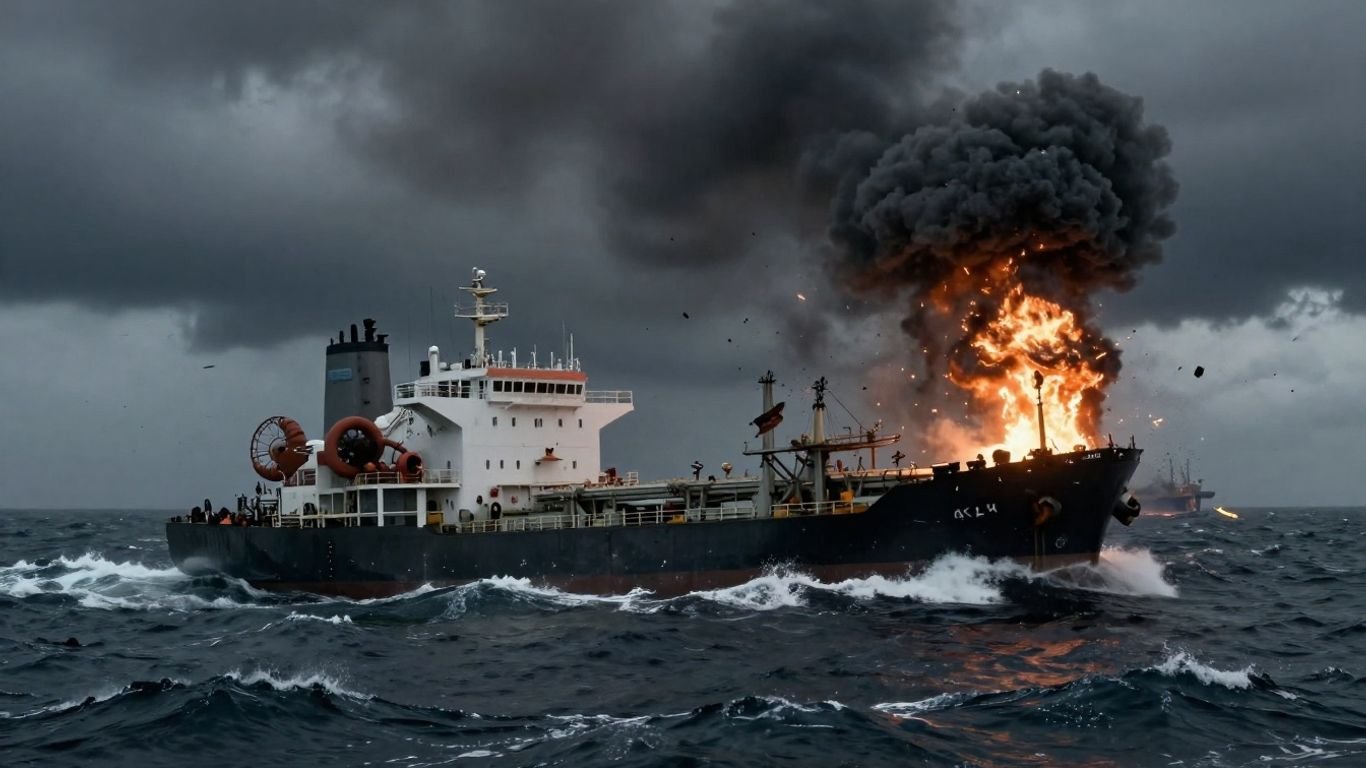
Things are getting pretty tense out there, especially when it comes to oil tankers. We’ve seen a definite uptick in attacks lately, and it’s making waves across the globe. This isn’t just about ships; it’s about the flow of energy that powers our world and how these incidents are shaking things up, from oil prices to just getting gas at the pump.
Key Takeaways
- Attacks on oil tankers, particularly in the Strait of Hormuz, are causing major disruptions to global oil supplies.
- These incidents have led to sharp increases in crude oil prices, impacting markets worldwide, especially in Asia.
- The conflict is creating regional instability, with retaliatory strikes and threats to vital energy shipping lanes.
- Consumers are feeling the pinch with rising gasoline prices, and damage to infrastructure adds to the economic strain.
- The safety of seafarers and maritime security personnel is a growing concern amidst the escalating tensions.
The Strait Of Hormuz: A Critical Chokepoint Under Siege
Iranian Retaliation Disrupts Vital Shipping Lanes
The Strait of Hormuz, that narrow waterway between Iran and Oman, is basically the world’s busiest oil chokepoint. We’re talking about a fifth of all the oil that gets shipped globally passes through here. It’s a pretty big deal for getting oil from places like Saudi Arabia, Iraq, and Kuwait out to the rest of the world, especially to big markets in Asia. Now, after some initial strikes by the US and Israel, Iran has decided to hit back. They’ve been targeting ships and facilities, and it’s really messed with the traffic in the strait. It’s not like Iran has officially closed it down, but the fear is so high that shipping companies and their insurers are just not taking chances. Ships are either stopping or turning around. It’s a mess.
Global Oil Supply Threatened By Escalating Conflict
This whole situation is making the global oil supply pretty shaky. We’ve already seen a bunch of tankers get damaged, and sadly, a sailor lost their life. Reports say Iran hit a fuel tanker with drones, setting it on fire. They also hit a port in Oman and another ship. It’s gotten so bad that shipping activity has dropped off a cliff. We went from over 50 ships a day to just a handful. This kind of disruption is exactly what worries people about our energy security. If this keeps up, it could really impact how much oil is available and where it goes. It’s a serious threat to the flow of energy that keeps economies running. The world is watching to see if Ayatollah Ali Khamenei is still in charge, which adds another layer of uncertainty.
Economic Repercussions Of Strait Blockade
When you mess with the Strait of Hormuz, the economic fallout is immediate and widespread. Just over the weekend, oil prices shot up by more than 10%, hitting over $80 a barrel. That’s a big jump, and it’s because everyone’s worried about supply. If this blockade, or even just the threat of one, continues, we’re going to see prices climb even higher. This isn’t just about crude oil, either. It affects diesel, jet fuel, and gasoline. For countries like China and India, who rely heavily on oil from this region, it’s a major problem. They’re already looking at their oil reserves and trying to find other ways to get fuel. It’s a domino effect that starts in the Gulf and ends up hitting wallets everywhere.
| Benchmark | Price (USD/barrel) | Change (%) |
|---|---|---|
| Brent Crude | $82.37 | +13.0% |
| WTI Crude | $75.33 | +12.0% |
Note: Prices reflect intraday highs following initial reports of disruption.
Oil Tanker Attacks: Fueling Global Market Volatility
Sharp Surges In Crude Oil Prices
It’s no surprise that when you mess with the flow of oil, prices go nuts. We saw it happen again, with crude oil prices jumping like a startled cat. Brent crude futures shot up, hitting levels not seen in ages. West Texas Intermediate wasn’t far behind. This isn’t just some abstract market fluctuation; it’s a direct consequence of the attacks on tankers and the disruption in the Strait of Hormuz.
Here’s a quick look at how prices reacted:
- Brent Crude: Surged significantly, reaching highs not seen since early 2025.
- West Texas Intermediate (WTI): Also saw a big jump, climbing to its highest point since mid-2024.
This kind of volatility makes planning for businesses and consumers a real headache. It’s like trying to hit a moving target. The market is clearly pricing in the risk of further disruptions, and frankly, who can blame them?
Impact On Asian Markets And Supply Chains
Asia, being a massive importer of oil, feels these disruptions pretty hard. Countries like China and India rely heavily on the oil that passes through the Strait of Hormuz. When that gets choked off, even for a short while, it causes a ripple effect. We’re already seeing Asian economies scrambling to figure out their oil stockpiles and look for other ways to get the fuel they need. South Korea is talking about tapping into its reserves, and India is looking at different shipping routes. It’s a scramble, and it highlights how dependent we are on stable energy flows. The idea of securing supply chains for essential resources is more important than ever.
Analysts Warn Of Further Price Hikes
Don’t expect this to be a quick fix. Analysts are already saying that if this situation in the Strait drags on, we could see even higher prices. Some are predicting Brent crude to stay in the $80 to $90 a barrel range. And it’s not just the big international markets; it trickles down. We’re hearing warnings that gas prices here in the U.S. could go over $3 a gallon. That’s a tough pill to swallow for everyday folks, especially with elections coming up. It’s a clear sign that when global energy supplies are threatened, everyone pays the price. The market is acknowledging the seriousness of the conflict, but for now, it seems to be viewed as a geopolitical shock rather than a full-blown crisis, though that could change fast.
Geopolitical Fallout: Iran’s Aggression And Regional Instability
US And Israeli Strikes Spark Iranian Counterattacks
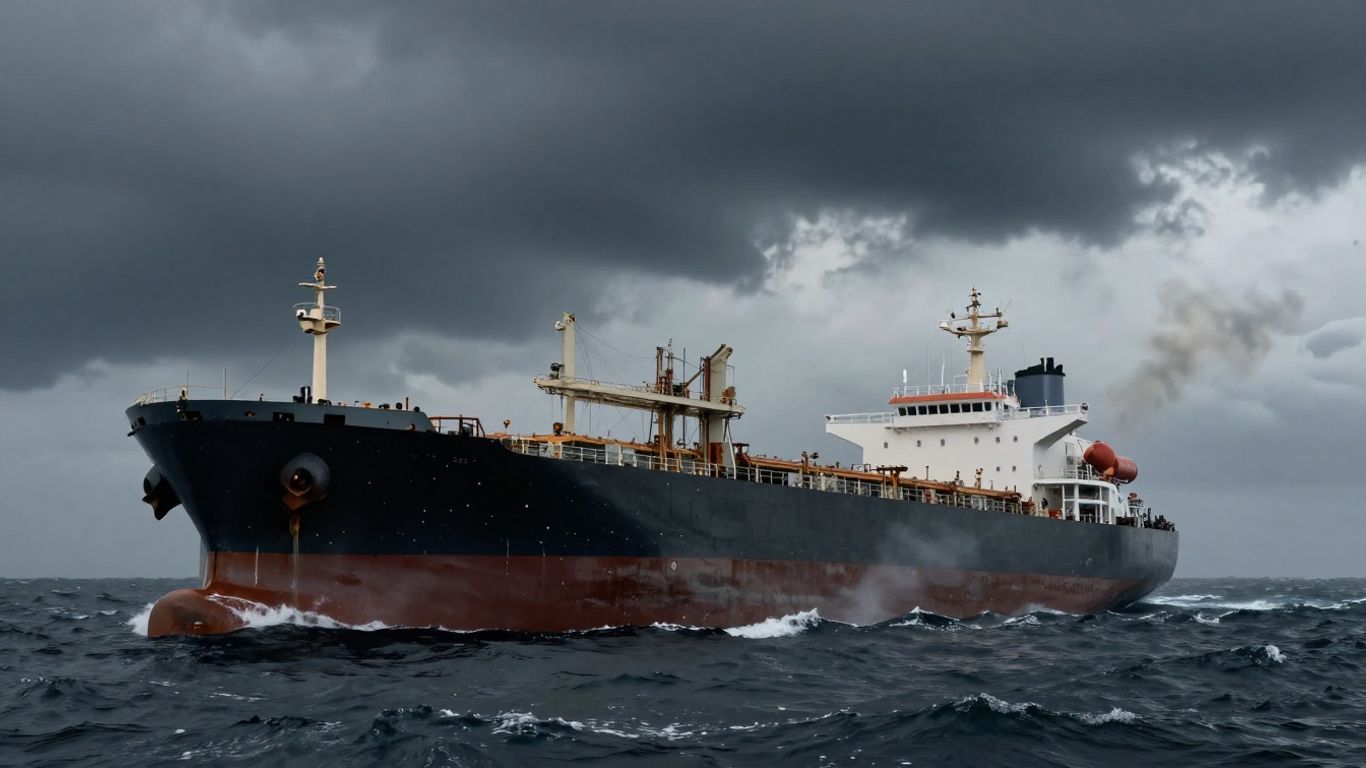
The recent coordinated strikes by the U.S. and Israel against Iran have predictably ignited a firestorm of retaliation. This isn’t just a tit-for-tat; it’s a full-blown escalation that’s destabilizing the entire region. Iran, feeling cornered, has responded with a wave of counterattacks targeting not only Israel but also regional allies hosting U.S. bases. We’re seeing attacks on oil facilities and threats to vital shipping lanes, all stemming from this initial U.S.-Israeli action. It’s a dangerous game of escalation, and the consequences are rippling outwards.
Tehran’s Threat To Global Energy Flow
Iran’s response has directly impacted the flow of oil. The Strait of Hormuz, a critical chokepoint for global energy supplies, is now under severe threat. While Iran hasn’t officially closed it, the fear and actual attacks have brought shipping traffic to a near standstill. Tankers are sitting idle, waiting to see what happens next. This isn’t just about oil prices; it’s about the reliability of the global energy market. The disruption of this vital waterway is a direct challenge to international stability.
Here’s a look at the shipping activity decline:
| Location | Activity Level (Typical) | Activity Level (Recent) | Notes |
|---|---|---|---|
| Strait of Hormuz | >50 vessels/day | ~7 vessels on Sunday | Significant drop due to security concerns |
International Response To Maritime Threats
The international community is watching with alarm. The maritime security threat level in the Strait of Hormuz has been raised to ‘critical.’ Reports indicate Iran has sent messages warning ships against transit. This creates a volatile situation for international shipping and raises serious questions about freedom of navigation. The world needs a strong stance against these aggressive actions that threaten global trade and energy security. The death of Supreme Leader Ali Khamenei following a joint US-Israeli operation [7410] only adds another layer of uncertainty to an already volatile situation.
Economic Consequences: From Refineries To Retail Prices
Damage To Critical Oil Infrastructure
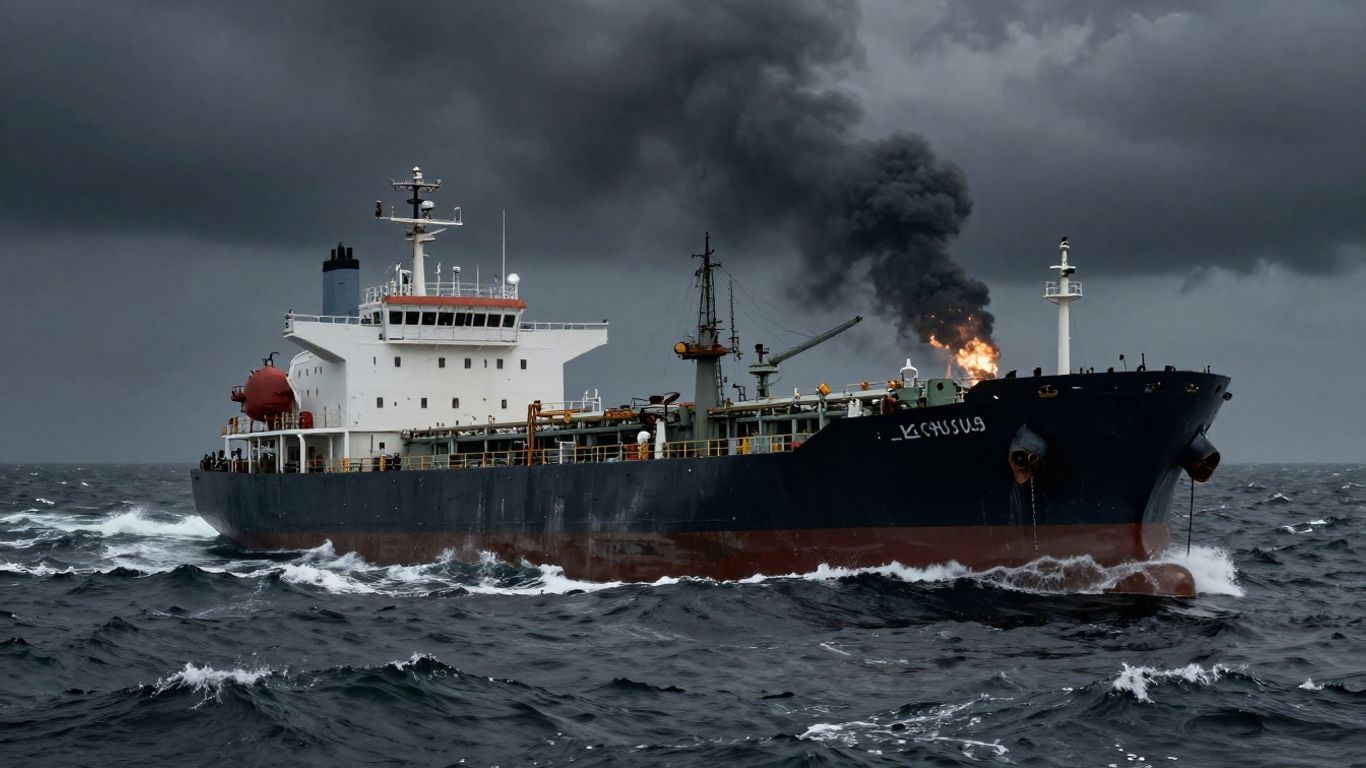
This whole mess with Iran and the tankers isn’t just some distant problem; it’s hitting us right in the wallet. When they start messing with oil infrastructure, it’s not just a few ships getting dinged. We’re talking about refineries and pipelines that keep the whole system running. Take Saudi Arabia’s Ras Tanura refinery, for example. It’s a big deal, processing half a million barrels a day, and it got hit by drone debris. That kind of damage means less oil gets processed, and guess what? Prices go up. It’s a simple cause and effect that impacts everyone.
Disruption Of Liquefied Natural Gas Supplies
It’s not just crude oil, either. Liquefied Natural Gas, or LNG, is getting caught in the crossfire. Qatar, a massive supplier, had to pause production because of drone attacks. This is a big deal, especially for places like Europe that are trying to get away from relying on Russian gas. When Qatar’s supply gets shaky, natural gas prices in Europe shoot up. We saw them hit levels not seen since that whole mess with Russia and Ukraine started. It just shows how connected everything is and how easily one problem can cause a ripple effect.
Rising Gasoline Prices Impacting Consumers
And the one thing everyone notices? The price at the pump. Analysts are already warning that gas prices in the U.S. could go over $3 a gallon. That’s a tough pill to swallow, especially with elections coming up. It’s not just a few cents here and there; it’s a real hit to household budgets. When gas gets more expensive, everything else that needs to be transported – which is pretty much everything – also gets more expensive. So, your groceries, your online orders, even the cost of heating your home could go up. It’s a domino effect that starts with these attacks and ends with us paying more for everyday stuff. We’re seeing futures for gasoline jump significantly, hitting highs not seen in years. It’s a worrying trend for families already feeling the pinch.
The longer this conflict drags on, the more likely we are to see bigger price jumps. This isn’t just about oil anymore; it’s about the cost of almost everything we buy and use. A $10 jump in oil prices can add a noticeable chunk to inflation and slow down economic growth. It’s a serious concern for economies around the world.
Here’s a look at how oil prices have been reacting:
| Benchmark | Price Change (approx.) | Notes |
|---|---|---|
| Brent Crude | Up 7.4% | Reached highest since Jan 2025 |
| WTI Crude | Up 7.1% | Reached highest since June |
This situation is making it tough for countries like India and China, who rely heavily on oil shipped through the Strait of Hormuz. They’re already looking at ways to get oil from elsewhere and checking their own stockpiles. It’s a scramble to keep things running smoothly when a key shipping lane is under threat. The disruption to trade routes is a major concern for global supply chains, and it’s not just oil that’s affected. We’re seeing issues with other goods too, which can lead to shortages and further price increases. It’s a complex web of problems that stem from these attacks.
The Human Cost Of Maritime Warfare
Seafarer Casualties In Gulf Waters
This whole mess in the Strait of Hormuz isn’t just about oil prices and geopolitical games. We’re talking about real people, regular folks just trying to do their jobs, caught in the crossfire. It’s a grim reminder that behind every tanker and every barrel of oil, there are human lives at stake. The attacks on commercial vessels have already led to tragic losses, with reports of seafarer casualties. It’s a dangerous business out there, and when tensions flare, these crews are the first ones to pay the price.
Threats To Maritime Security Personnel
Beyond the crews on the tankers themselves, the increased aggression in these vital shipping lanes puts maritime security personnel in a really tough spot. These aren’t just abstract threats; they’re direct dangers to the men and women tasked with keeping these waters safe. Think about the naval forces, the coast guard, and private security teams – they’re facing increased risks every single day. It’s a constant state of alert, and the potential for escalation means their jobs are more perilous than ever.
The Perilous Journey For Tanker Crews
Imagine being a tanker crew member right now. You’re weeks away from home, stuck on a massive ship in a tense region. Suddenly, your vessel is targeted. It’s not just the immediate danger of an explosion or damage; it’s the psychological toll. The constant uncertainty and fear must be overwhelming. These crews are the backbone of global trade, moving the fuel that powers our world, and their journeys have become incredibly perilous. We’ve seen incidents where ships were damaged, and sadly, lives were lost. It’s a stark reality check on the human element of this conflict, a reality that often gets overlooked when we focus solely on the economic impacts. The situation demands attention, and we need to consider the safety of these individuals who are simply trying to earn a living. The attacks have put a spotlight on the risks faced by those working in maritime transport, a sector vital to global energy supply.
The ongoing hostilities have turned what should be routine voyages into high-stakes operations. Crews are facing not only the physical dangers of potential attacks but also the immense psychological stress of operating in a conflict zone. Their safety and well-being are paramount, yet they are often the unseen victims in these escalating geopolitical disputes.
What Happens Next?
Look, this whole situation with the oil tankers is getting pretty hairy. We’ve seen prices jump, and honestly, it’s a reminder of how much we rely on that oil flowing smoothly. It’s clear that instability in the Middle East has real-world consequences, not just for us at the pump but for global trade too. We need strong leadership that can handle these kinds of threats and keep our energy supplies secure. Letting things get this chaotic isn’t good for anyone, and we can’t just sit back and hope for the best. It’s time to get serious about protecting our interests and making sure this kind of disruption doesn’t become the new normal.
Frequently Asked Questions
Why are oil tankers being attacked?
Oil tankers are being attacked as part of a conflict between Iran and other countries, like the U.S. and Israel. These attacks are happening in important shipping areas, especially the Strait of Hormuz, which is a key route for oil transport.
What is the Strait of Hormuz and why is it important?
The Strait of Hormuz is a narrow waterway that connects the Persian Gulf to the open ocean. A huge amount of the world’s oil passes through it every day. If it gets blocked or unsafe, it can really affect the global oil supply.
How do these attacks affect oil prices?
When oil tankers are attacked and shipping is disrupted, it makes people worried about the oil supply. This fear often causes oil prices to jump up quickly because there’s less oil available or it’s harder to get.
Are these attacks only affecting the Middle East?
No, these attacks have a big impact worldwide. Because so much oil goes through the Strait of Hormuz, disruptions there can lead to higher gas prices and supply problems in places like Asia and even affect countries that don’t directly import oil from the region.
What is the role of Iran in these attacks?
Iran has been involved in retaliatory attacks after being targeted. They have threatened shipping lanes and caused damage to tankers, which increases the tension and uncertainty in the region and the global markets.
What are the consequences for people working on ships?
The attacks put the lives of sailors and other maritime workers at risk. There have been reports of injuries and even deaths. It makes their jobs much more dangerous and uncertain when traveling through these troubled waters.