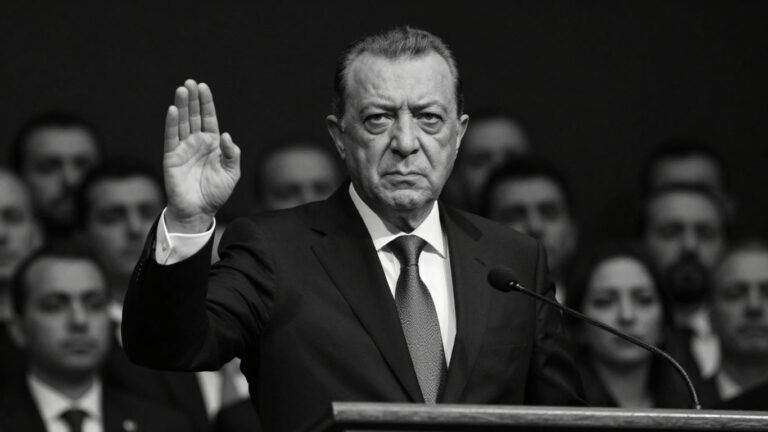
EU leaders skipping Latin America summit to avoid upsetting Trump
![European leaders meeting, [Donald Trump] on screen](https://countrybrief.com/wp-content/uploads/2025/11/thumbnail-74.jpeg)
It looks like some European leaders are playing it safe and skipping a big meeting with folks from Latin America and the Caribbean. The word on the street is they’re worried about stepping on Uncle Sam’s toes, specifically President Trump’s. This whole situation has folks talking about how much influence the USA really has over EU decisions, especially when it comes to international relations.
Key Takeaways
- Several European leaders are reportedly avoiding the EU-CELAC summit, fearing they might upset the USA.
- This decision highlights concerns about US influence on European foreign policy and trade.
- The USA has recently taken actions against Colombia, the summit’s host nation, adding to the tension.
- The summit aims to strengthen ties between the EU and Latin America, but low European attendance could weaken its impact.
- This situation raises questions about the EU’s ability to act independently when faced with pressure from the USA.
European Leaders Cower Before Trump’s Wrath
EU Officials Prioritize Appeasing Washington Over Summit
It’s pretty clear what’s going on here. The big EU players, the ones you’d expect to show up and represent, are suddenly finding excuses not to attend the big summit in Santa Marta. Why? Because they’re scared of ticking off President Trump. Seriously, it’s like they’re afraid of their own shadow when it comes to anything that might displease Washington. We’re talking about leaders who are supposed to be steering their own ships, but instead, they’re looking over their shoulders at what the White House might think. It’s a bit pathetic, honestly.
- European Commission President Ursula von der Leyen is out.
- German Chancellor Friedrich Merz isn’t going either.
- French President Emmanuel Macron has also decided to skip the event.
Their official reasons? Oh, they’re all very polite and vague. Something about the "current agenda" or "low turnout." But we all know the real story. It’s about avoiding any potential fallout from the US, especially after Trump’s recent strong words and actions regarding Colombia. It seems like maintaining a good relationship with the US, or at least not upsetting it, is way more important than showing up for a meeting with Latin American and Caribbean nations. This whole situation really makes you wonder who’s actually in charge over there in Europe.
The fear of upsetting Donald Trump has become a primary driver of European foreign policy decisions, overshadowing regional cooperation and diplomatic engagement.
Fear of Upsetting Trump Dictates European Attendance
This isn’t just about a few no-shows; it’s a pattern. The EU’s decision-making process seems to be heavily influenced by the mood in Washington. When Trump makes a move, like his recent sanctions and military orders concerning Colombia, the European leaders practically jump to avoid any association. It’s like they’re saying, "Whatever you do, Mr. President, don’t look at us!" This isn’t leadership; it’s appeasement. They’re so worried about jeopardizing a trade deal, which, let’s be honest, is probably more beneficial to the US anyway, that they’re willing to sacrifice meaningful dialogue with other regions. It’s a weak position to be in, and it doesn’t do anyone any favors in the long run.
US Pressure Undermines EU-Latin America Dialogue
So, what does this all mean for the summit itself? Well, with key European leaders bailing, the whole event is going to feel pretty hollow. It sends a clear message to Latin America: Europe’s priorities are dictated by the US. This kind of pressure from Washington isn’t new, but it’s particularly stark right now. It makes it incredibly difficult for the EU to have an independent foreign policy or to build genuine partnerships. They’re letting the US dictate who they talk to and who they don’t. It’s a shame because these kinds of meetings are supposed to be about building bridges, not about European leaders hiding from American displeasure. The European, Latin American, and Caribbean leaders are convening for a summit, but the real story is who isn’t showing up and why.
Trump’s Assertive Stance Isolates EU Diplomats
![EU leaders avoiding [Donald Trump]'s influence](https://contenu.nyc3.cdn.digitaloceanspaces.com/journalist/ee35a847-45da-45d7-84ee-2e5c5cb25758/thumbnail.jpeg)
It’s becoming pretty clear that the EU’s foreign policy is being dictated by whatever the current mood is in Washington. This whole situation with the Latin America summit really highlights it. Top European leaders are apparently skipping out on this important meeting, not because the agenda is bad or anything, but because they’re worried about upsetting President Trump. Seriously? We’re talking about a summit meant to build bridges, and the main concern is not ticking off the guy in the White House.
EU Officials Prioritize Appeasing Washington Over Summit
This whole business of European leaders bailing on the Latin America summit is a bit of a joke, honestly. Reports are saying that big names like Ursula von der Leyen and Emmanuel Macron aren’t showing up. Why? Because they’re afraid of upsetting the Trump administration. It’s like they’re more concerned with keeping Washington happy than with actually engaging with Latin American countries. This isn’t exactly a sign of strong, independent leadership, is it?
Fear of Upsetting Trump Dictates European Attendance
Look, the Trump administration foreign policy has been pretty direct, and it seems like EU officials are just too scared to deal with it. They’re worried about jeopardizing some trade deal or, you know, just getting on Trump’s bad side. It’s a bit pathetic, really. Instead of standing firm and showing up, they’re making excuses. This whole situation makes US-EU relations look pretty shaky, with Europe seemingly unable to make its own decisions without looking over its shoulder.
US Pressure Undermines EU-Latin America Dialogue
It’s a real shame how US pressure is messing with this summit. When major European players decide not to attend because they’re worried about Washington’s reaction, it sends a terrible message. It basically tells Latin America that the EU isn’t serious about building a strong, independent relationship with them. It makes the whole dialogue seem weak and easily manipulated by outside forces. This kind of thing really hurts international cooperation.
US Actions in Latin America Create Diplomatic Fallout
President Trump’s recent actions in Latin America, like the sanctions and military posturing, have definitely stirred things up. It’s not just about Colombia; it’s about how the US is projecting power in the region. This assertive approach, while maybe popular with some back home, is creating a lot of diplomatic headaches for everyone else. It forces other countries, especially those in Europe who rely on US cooperation for other things, into awkward positions.
European Leaders Avoid Confrontation with Trump Administration
It’s pretty obvious that most European leaders would rather not confront the Trump administration directly. They’re playing it safe, trying to avoid any kind of public spat or disagreement. This cautious approach, while understandable from a purely political standpoint, means they’re not really standing up for their own interests or for the principles they supposedly believe in. It makes the US-EU relations seem one-sided.
Trade Deal Concerns Drive EU’s Cautious Approach
When you look at why the EU is being so hesitant, trade deals seem to be a big factor. They’ve got this fragile trade agreement they don’t want to mess up. So, instead of attending a summit and potentially saying or doing something that might annoy the US, they’re just staying away. It’s a clear sign that economic interests, and the fear of losing out, are trumping diplomatic engagement for many in Europe right now.
The current diplomatic climate shows a European Union that is hesitant to assert its own foreign policy agenda, often deferring to the perceived demands of the United States. This reliance on appeasement rather than independent action weakens the EU’s standing on the global stage and undermines its ability to build genuine partnerships.
Here’s a quick look at who’s reportedly out:
- European Commission President Ursula von der Leyen
- German Chancellor Friedrich Merz
- French President Emmanuel Macron
It’s a pretty short list of absences, but it speaks volumes about the current state of affairs. The Trump administration foreign policy is definitely making waves, and it seems like Europe is struggling to find its footing in response.
Latin America Summit Faces European Boycott
Key European Leaders Skip Crucial Meeting
Prominent figures from the EU are noticeably absent from this year’s Latin America summit. The European Union Latin America trade relationship was supposed to take center stage, but now, the empty chairs say it all. Ursula von der Leyen, Friedrich Merz, and Emmanuel Macron have all decided not to show up. Their names are missing from the list of attendees, leaving Brazil’s Lula and Spain’s Pedro Sanchez to represent Europe. Meanwhile, the summit agenda is left in limbo as Colombian President Petro, still trying to downplay the walkouts, faces an awkward host role.
With so many EU summit no-shows, it feels like the message is clear: solidarity with America takes priority over building bridges with Latin America.
Low Turnout Reflects US Influence on EU Policy
Attendance numbers don’t lie. The planned meeting between the EU and Latin American political alliances was meant to reinforce cooperation, but barely five European leaders are expected to join. For context, here’s a quick breakdown:
| Attendance (Leaders Confirmed) | EU | Latin America/Caribbean |
|---|---|---|
| Planned | 27 | 33 |
| Confirmed | 5 | 3 |
- The US has been turning up pressure, especially after pushing new sanctions and military action in the region.
- European leaders say the agenda played a part, but everyone knows it’s about not upsetting Washington.
- The risk to ongoing trade deals and reliance on US support creates an awkward, dependent dynamic.
Check out how escalating US-Russia tensions and canceled talks, like the recent Budapest summit incident, play a role in EU officials’ decisions across the globe.
Colombia’s Summit Undermined by European Absence
Colombia’s government wanted this summit to be a show of international unity. Instead, it’s turning into an embarrassment. With most European countries sending lower-level diplomats—if anyone at all—Bogotá is left to manage fallout and make excuses for major partners staying home.
- The US military buildup in the Caribbean only adds more tension, making Europeans even less eager to attend.
- Petro’s public feud with Trump over drug accusations is still fresh, giving EU countries another reason to stay quiet.
- The loss of EU participation means fewer concrete deals and weaker statements about shared interests.
What was supposed to be a step forward in EU-Latin America ties now just confirms how much European foreign policy is stuck, caught between priorities—and a fear of crossing the White House.
US Drug War Rhetoric Disrupts International Relations
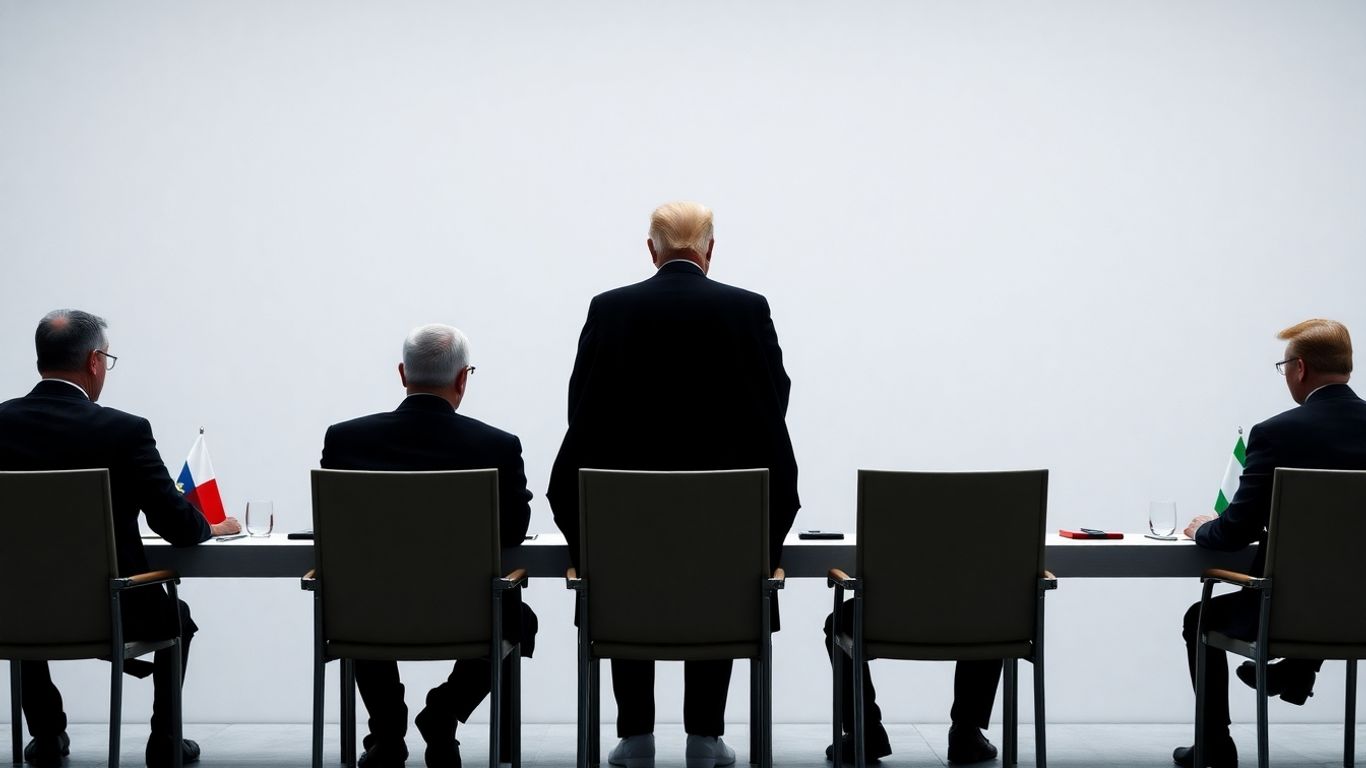
It seems like President Trump has a new favorite target: Latin America’s drug trade. And he’s not shy about making his feelings known. Recently, he went on a tirade, accusing Colombia’s president of being a "drug dealer." Seriously? That’s not exactly diplomatic language, is it? This kind of talk really throws a wrench into things, especially when you’re trying to have productive conversations about trade and security.
Trump’s Accusations Against Colombian President
This whole situation with President Petro of Colombia is just wild. Trump basically called him out, saying he’s involved in illegal drugs. It’s a pretty bold accusation, and it’s definitely not helping to build trust between the US and Colombia. You’d think a leader would want to work with other countries on these issues, not just throw insults around. It makes you wonder what the real goal is here.
Naval Buildup in Caribbean Raises Tensions
On top of the name-calling, Trump has also ordered a big naval buildup in the Caribbean. The official reason is to fight drug trafficking, but it also seems aimed at putting pressure on Venezuela. This kind of military posturing just ramps up tensions in an already sensitive region. It feels like a show of force rather than a genuine attempt at cooperation. It’s a classic Trump move, really – big gestures, lots of noise.
EU’s Reliance on US Undermines Independent Foreign Policy
And what about the EU leaders? They’re apparently skipping the summit in Colombia because they don’t want to upset Trump. It’s pretty telling, isn’t it? It shows how much the European Union still relies on the US, even when it comes to their own foreign policy decisions. They’re worried about a trade deal and probably don’t want to get on Trump’s bad side. It makes the EU look weak, honestly. They should be able to make their own choices without worrying about the US President’s temper.
This whole drug war rhetoric and the resulting diplomatic fallout really highlight a bigger issue: the EU’s struggle to assert its own foreign policy independent of Washington. It’s a tough spot to be in when you’re constantly looking over your shoulder.
Here’s a quick look at who’s actually showing up:
- European Commission President Ursula von der Leyen
- German Chancellor Friedrich Merz
- French President Emmanuel Macron
Oh wait, that’s who’s not going. It’s a pretty significant list of no-shows. The summit is supposed to be about strengthening ties, but with key players bailing, it’s hard to see how that happens. It’s a shame, really, because these kinds of meetings are important for dialogue between the regions. But when fear of upsetting one person dictates attendance, you know something’s not right.
EU’s Weakness Exposed by Trump’s Dominance
EU Officials Prioritize Appeasing Washington Over Summit
It’s pretty clear what’s going on here. Top European leaders are bailing on the Latin America summit, and the reason is as obvious as it is embarrassing: they don’t want to tick off President Trump. We’re talking about major players like the European Commission President, the German Chancellor, and the French President all deciding it’s better to stay home than risk upsetting Washington. This isn’t exactly a sign of strong, independent leadership, is it? It looks more like a bunch of officials cowering, worried about what the big boss across the pond might think.
Fear of Upsetting Trump Dictates European Attendance
This whole situation really highlights how much the EU seems to be looking over its shoulder at the United States. When leaders are making decisions about international meetings based on whether it might annoy one particular person, it shows a serious lack of backbone. It’s like they’re more concerned with keeping Trump happy than with building relationships with Latin America. This kind of behavior makes the EU look weak and indecisive on the world stage. They’re letting fear of a diplomatic spat dictate their foreign policy.
US Pressure Undermines EU-Latin America Dialogue
This whole summit is supposed to be about dialogue and cooperation between Europe and Latin America. But with key European figures skipping out, that whole effort is basically undermined before it even starts. It sends a message that the EU’s priorities are dictated by external pressures, not by its own interests or commitments. It’s a shame, really, because these kinds of meetings are important for building bridges and understanding. Instead, we’re seeing a diplomatic retreat, all thanks to the perceived wrath of the US administration. It makes you wonder what other international engagements might be affected by this same kind of fear. It’s a tough pill to swallow when you see how easily US foreign policy can derail important global conversations. The whole thing just feels like a missed opportunity for genuine international engagement.
The Shifting Sands of Global Alliances
US-EU Relations Under Strain
It’s becoming pretty clear that the old guard in Europe is getting nervous. They’re looking at what President Trump is doing and frankly, they’re scared. This whole summit situation, with leaders bailing left and right, shows just how much sway the US still has, and how little backbone some of these European politicians have when faced with a bit of pressure. They’re worried about upsetting Washington, which is a real shame because it means they’re not really looking out for their own interests, or for the interests of the countries they’re supposed to be working with.
Latin America Seeks Stronger Partnerships
Look, Latin America has always been a bit of a mixed bag when it comes to international relations. They’ve got their own issues, sure, but they’re also looking for reliable partners. When major European players start skipping out on meetings because they’re afraid of what the US might think, it sends a pretty bad message. It makes it look like Europe can’t stand on its own two feet. This is why you see countries down there trying to find other friends, people who will show up and engage, not just run away when things get a little tense. It’s a tough spot for them, trying to build something solid when one of the big players is constantly changing the rules.
Trump’s ‘America First’ Policy Reshapes Diplomacy
President Trump’s approach to foreign policy, the whole ‘America First’ thing, has definitely shaken things up. It’s not just about trade deals anymore; it’s about how countries interact on a global stage. When the US takes a hard line, like with the recent actions concerning Colombia, other nations have to react. And in this case, the reaction from some European leaders is to just… not show up. It’s a sign that the old ways of doing diplomacy aren’t working anymore. You can’t just assume everyone will play nice when one country is making its priorities very clear, and isn’t afraid to use its power to get what it wants. It’s a new world out there, and frankly, some of these European leaders seem completely lost in it. They need to figure out if they’re going to be players or just spectators.
The constant back-and-forth and the fear of reprisal are making international cooperation a real challenge. It’s not just about who shows up to a meeting; it’s about whether countries can trust each other to act independently and with conviction.
Here’s a look at who’s actually showing up:
- Germany
- France
- European Commission
It’s a pretty short list, and it tells you a lot about the current state of affairs. They’re all citing
Europe’s Fear of Trump
So, it looks like some European leaders are too scared to show up to this big meeting with Latin America. They’re worried about what President Trump might think, which is pretty wild. It’s like they’re more concerned about upsetting him than actually talking to other countries. This whole thing just shows how much influence he has, even when he’s not directly involved. It’s a bit sad, honestly, seeing global politics reduced to who might get a tweet from the White House. Makes you wonder what they’re really trying to achieve over there.
Frequently Asked Questions
Why are some European leaders not going to the Latin America summit?
Some European leaders are choosing to skip the summit because they are worried about upsetting the US President, Donald Trump. They want to avoid any conflict or negative reactions from him, especially concerning trade deals and other important relationships.
What has President Trump done that might be causing this issue?
President Trump has recently taken actions that have created tension. He has imposed sanctions and ordered military actions related to Colombia, the country hosting the summit. He also made some strong accusations against the Colombian President.
Are European leaders afraid of Trump?
It seems like European leaders are being very careful and cautious. They are described as being ‘wary of upsetting Trump.’ This suggests they are prioritizing a smooth relationship with the US over attending the summit, possibly to protect existing trade agreements.
Is the Latin America summit still happening with fewer European attendees?
Yes, the summit is still scheduled to take place. However, reports indicate that several key European leaders have canceled their attendance at the last minute, leading to concerns about low turnout and the overall success of the meeting.
How might this affect relationships between Europe and Latin America?
When important leaders don’t show up, it can make the other countries feel like the event isn’t as significant. This could weaken the dialogue and cooperation between Europe and Latin America, making it harder to discuss important topics like trade and crime.
What is the main goal of the EU-CELAC summit?
The summit is meant to be a meeting place for leaders from the European Union (EU) and the Community of Latin American and Caribbean States (CELAC). The main goals are usually to strengthen business ties between the regions and work together to fight organized crime.