EU membership for Ukraine would mean war – Orban
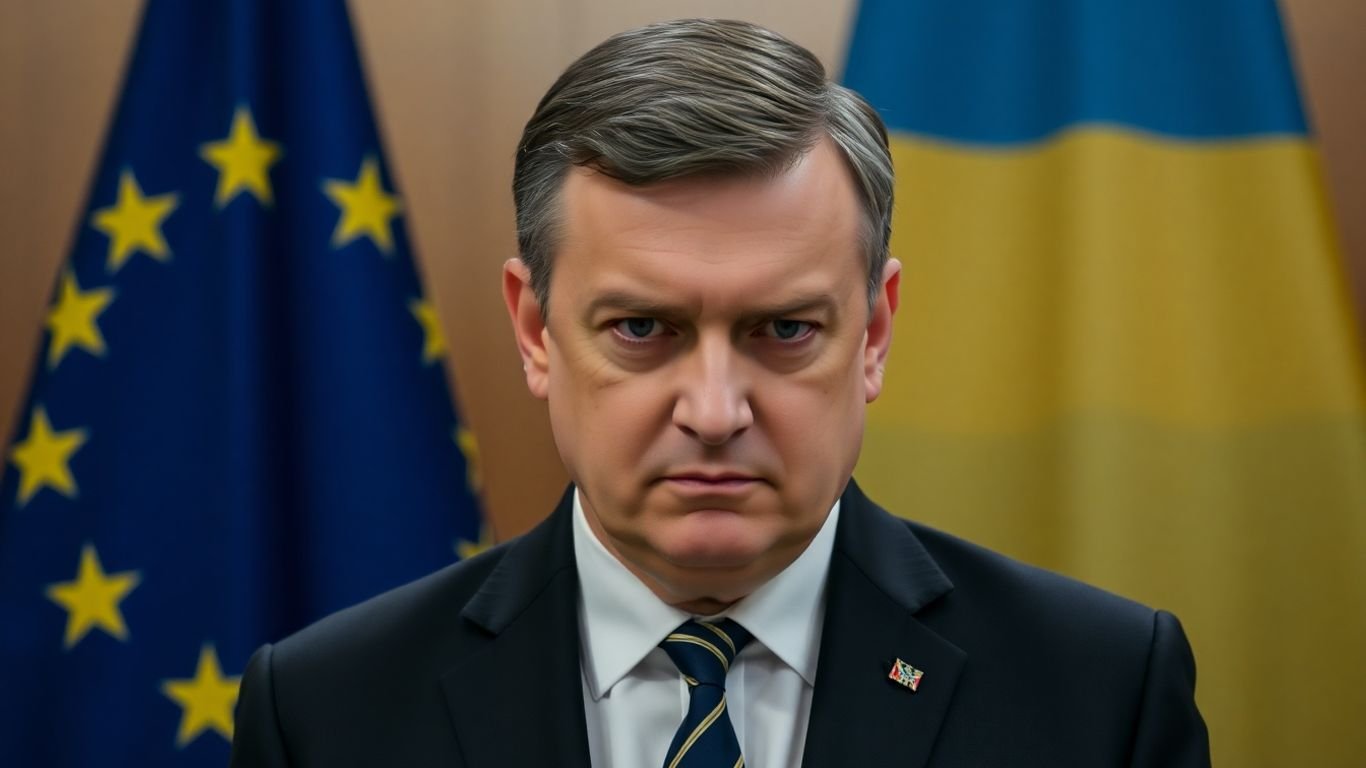
Hungary’s Prime Minister Viktor Orbán has been making waves again, this time with strong opinions about Ukraine possibly joining the EU. He’s pretty clear on his stance: he thinks it would be a bad idea, potentially leading to more conflict. Orbán’s been vocal about this on social media and in interviews, laying out his reasons why Ukraine shouldn’t become a full member and suggesting a different kind of relationship instead. This has, predictably, stirred up quite a bit of debate, especially with Ukraine itself.
Key Takeaways
- Hungarian Prime Minister Viktor Orbán believes that Ukraine joining the EU would directly lead to war and is not necessary for Hungary’s security, which he states is handled by national defense and NATO.
- Orbán proposes a ‘strategic partnership’ between the EU and Ukraine instead of full membership, a position Hungary intends to maintain.
- Hungary argues that EU expansion, particularly with Ukraine, poses financial burdens on member states like Hungary and raises security concerns for Central Europe.
- Tensions exist between Hungary and Ukraine, with Kyiv criticizing Budapest’s obstruction of its EU path and Hungary raising issues like minority rights and alleged Ukrainian mafia involvement.
- As EU accession requires unanimous consent, Hungary asserts its sovereign right to block Ukraine’s membership bid, citing concerns about bringing war into Europe and diverting Hungarian funds.
Hungary’s Stance On Ukraine’s EU Ambitions
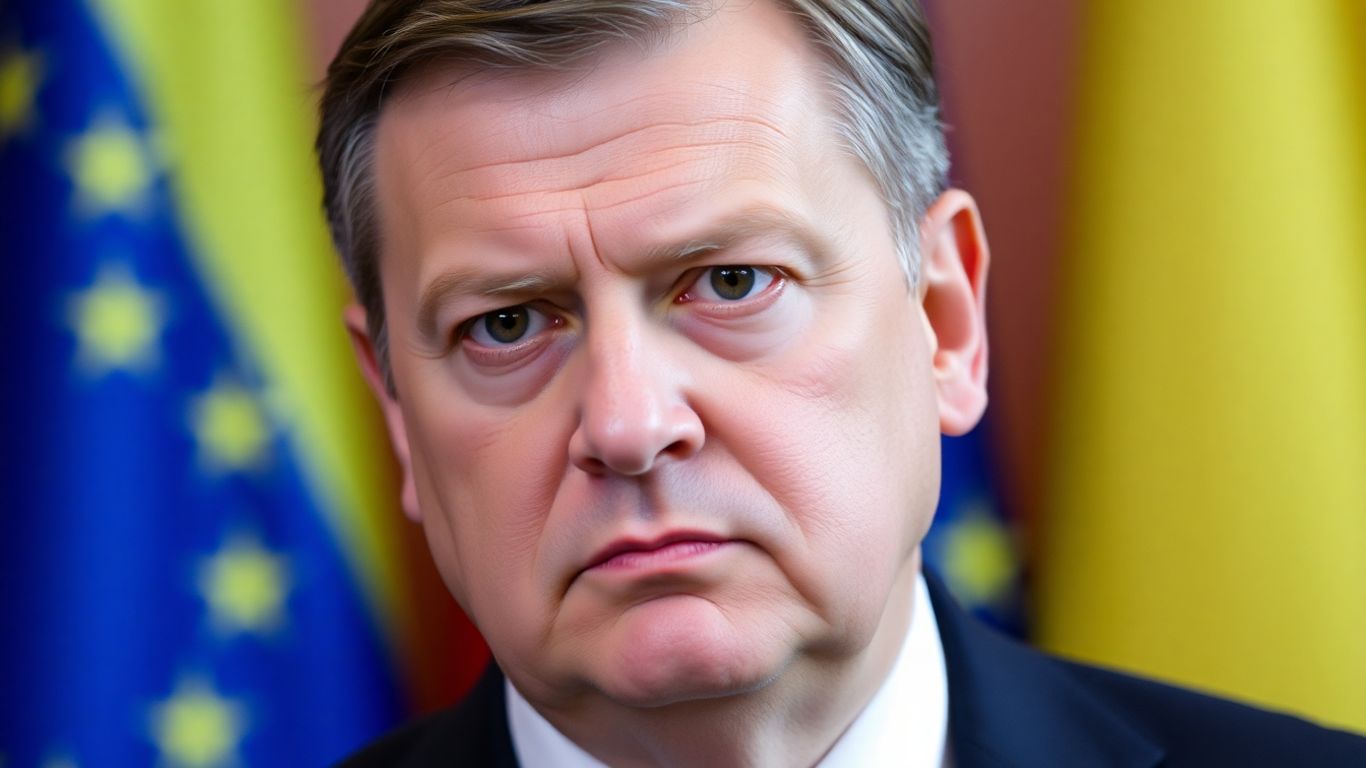
Orbán Rejects Ukraine’s Full EU Membership
Prime Minister Viktor Orbán has made it pretty clear where Hungary stands on Ukraine’s push for full European Union membership. He’s not on board, plain and simple. Orbán’s view is that bringing Ukraine into the EU would be a massive mistake, essentially inviting war right into the heart of Europe. He’s stated that Hungary doesn’t owe Ukraine anything and that Ukraine doesn’t defend Hungary. It’s a strong position, and he’s not backing down from it. He believes that the EU should be focusing on other things, not expanding to include a country currently embroiled in a conflict. This whole situation highlights the complex dynamics at play regarding Ukraine EU accession risks.
Strategic Partnership Proposed Instead Of Accession
Instead of full membership, Orbán has put forward an alternative: a strategic partnership. He thinks this is a much more sensible approach for Ukraine’s relationship with the EU. It would allow for cooperation without the immense complications and potential dangers that he sees with full accession. This proposal suggests a way forward that acknowledges Ukraine’s needs while prioritizing Hungary’s security and the stability of the wider European bloc. It’s a pragmatic idea, really, focusing on what can be achieved without risking too much.
Hungary’s Security Is Not Dependent On Ukraine
One of the core arguments from Budapest is that Hungary’s security isn’t tied to Ukraine’s EU membership. Orbán has repeatedly emphasized that Hungary’s safety is secured by its own national defense capabilities and, importantly, by NATO. Since Ukraine isn’t a member of NATO, its potential EU accession doesn’t factor into Hungary’s security equation in the way some might suggest. This point is central to Orban’s stance on Ukraine’s EU bid, framing Hungary’s opposition not as hostility, but as a matter of national self-preservation and a clear-eyed assessment of risks. The implications of Ukraine joining the European Union are viewed through this lens of national interest and security first.
The Perils Of EU Expansion
Ukraine’s Membership Would Ignite War
Look, nobody wants to see a bigger mess in Europe than we already have. Viktor Orbán has been pretty clear about this: bringing Ukraine into the European Union isn’t just a paperwork exercise, it’s a direct path to more conflict. He’s warned that this kind of EU expansion and geopolitical conflict could easily drag the whole continent into a wider war. It’s not just about borders; it’s about the stability of the entire region. We’re talking about a massive geopolitical shift, and frankly, some of us are worried about the consequences.
Financial Burden On Hungarian Taxpayers
Then there’s the money. Ukraine is a big country, and rebuilding it, plus integrating it into the EU, is going to cost a fortune. Orbán has pointed out that this cost will inevitably fall on the shoulders of Hungarian taxpayers. We’re already dealing with our own economic issues, and adding the financial weight of Ukraine’s accession seems like a bad deal for us. It’s not fair to ask citizens to foot the bill for something that could bring more problems than benefits.
Security Concerns For Central Europe
Beyond the direct conflict risk and the financial strain, there are serious security questions. What happens when a country with ongoing border disputes and a complex internal situation becomes part of the EU? Orbán has raised concerns about this, suggesting that it could destabilize Central Europe. We need to think about what this means for our own safety and security. It’s not just about politics; it’s about keeping our people safe.
Here’s a quick look at some of the concerns:
- Escalation of Conflict: Direct EU involvement could mean a wider war.
- Economic Strain: Massive costs for rebuilding and integration.
- Regional Instability: Potential for increased tensions in Central Europe.
The idea of expanding the EU into areas with active conflicts or unresolved issues is a gamble. It’s like inviting more trouble to the party when you’re already struggling to manage the guests you have. We need to be smart about this, not just idealistic.
Ukraine’s Unrequited Gratitude
Ukraine’s Perceived Ungratefulness Towards Hungary
It’s a bit rich, isn’t it? You’d think after all Hungary has done, there’d be some level of appreciation from Kyiv. We’ve opened our doors to refugees, taken care of their wounded, even supplied them with electricity when they needed it. We’ve spent millions on humanitarian aid, rebuilt schools, and hosted thousands of Ukrainian kids. Yet, what do we get? Accusations and demands. President Zelenskyy seems to think Hungary owes Ukraine something, that we’re somehow obligated to support their EU ambitions. This narrative completely ignores the significant contributions Hungary has made and the very real concerns we have about our own national interests. It feels like our goodwill is being taken for granted, and frankly, it’s insulting.
Hungary’s National Defense Guarantees Security
Let’s be clear: Hungary’s security isn’t dependent on Ukraine’s membership in the EU. We didn’t ask Ukraine to defend us, and they don’t. Our safety is secured by our own national defense capabilities and, importantly, by our membership in NATO. Ukraine isn’t part of that alliance, and pretending otherwise doesn’t change reality. We have our own borders to worry about and our own people to protect. Relying on a country embroiled in a major conflict to somehow bolster our security is a stretch, to say the least.
NATO’s Role In Regional Stability
NATO is the bedrock of our regional security. It’s a collective defense alliance that has kept Europe safe for decades. Hungary’s commitment to NATO is unwavering, and it’s through this alliance that we ensure our borders are secure and our citizens are protected. Ukraine’s potential EU membership is a separate issue, and it shouldn’t be conflated with the security guarantees provided by NATO. Trying to link the two only muddies the waters and distracts from the real security architecture that protects us.
The idea that Ukraine’s EU accession is somehow a prerequisite for regional stability is a dangerous oversimplification. Hungary’s focus remains on pragmatic solutions that prioritize our own security and economic well-being, not on blindly following external agendas.
Hungary’s Contributions to Ukraine
- Humanitarian Aid: Approximately €200 million spent.
- Refugee Support: Over 14 million border crossings managed.
- Infrastructure: Rebuilt schools and kindergartens.
- Energy: Largest electricity supplier to Ukraine last year.
- Education: Operated three Ukrainian schools and hosted thousands of children.
It’s a substantial list, and it’s unfortunate if President Zelenskyy chooses to overlook it.
Bilateral Tensions And Accusations
Zelenskyy’s Criticism Of Hungarian Obstruction
Relations between Hungary and Ukraine have been pretty rocky, to say the least. Ukrainian President Zelenskyy has been pretty vocal, pointing out how Hungary’s constant roadblocks are making Ukraine’s path to the EU a real headache. He’s even gone as far as to say that Budapest’s actions are basically helping Russia out. It’s a tough situation, and honestly, it makes you wonder how much longer these two countries can keep this up.
Hungary’s Accusations Of Ukrainian Mafia Involvement
Then there’s the whole propaganda angle. Hungary put out these videos, claiming that the Ukrainian mafia is involved in all sorts of shady dealings, like arms and drug trafficking. The government even suggested that if Ukraine joins the EU, these mafia groups would just waltz right into Europe. They even held this national consultation, and surprise, surprise, most people were apparently against Ukraine joining. It feels like a lot of fear-mongering, if you ask me.
Disputes Over Minority Rights And Energy Security
It’s not just about EU membership, either. Hungary has also been raising a fuss about the rights of Hungarians living in Ukraine’s Transcarpathia region. They’re demanding changes, or else they’re threatening to keep blocking Ukraine’s EU talks. On top of that, there’s been some serious back-and-forth about energy. Ukraine hit some pipelines that supply oil to Hungary, which Budapest called “outrageous.” Kyiv, on the other hand, basically said Hungary is too reliant on Russian fuel. It’s a mess, and it seems like there’s always something new to argue about. This whole situation makes you wonder about the stability of the region and what kind of alliances are forming, like this potential anti-Ukraine bloc.
Here’s a quick look at some of the issues:
- Minority Rights: Hungary claims Ukraine isn’t protecting the rights of ethnic Hungarians.
- Energy Security: Disputes over pipeline attacks and reliance on Russian fossil fuels.
- EU Accession: Hungary’s continued blocking of negotiation chapters.
The constant bickering and accusations between Hungary and Ukraine don’t exactly inspire confidence. It feels like a lot of political posturing, and it’s making things incredibly complicated for everyone involved, especially when you consider the bigger picture of European security.
Hungary’s Sovereign Right To Block
Look, it’s pretty simple when you get down to it. Every country in the European Union has a say in who gets to join. It’s not some popularity contest where everyone just votes yes because they feel like it. The rules are clear: unanimity is required for accession. This means Hungary, like any other member state, has the sovereign right to support or oppose the admission of a new member. Prime Minister Orbán has been very upfront about this, stating that Hungary does not and will not support Ukraine’s membership in the EU. He’s made it clear that this isn’t about being difficult; it’s about protecting Hungary’s interests and its people.
Unanimity Required For EU Accession
The European Union operates on a principle of consensus for major decisions, especially when it comes to admitting new members. This isn’t some newfangled idea; it’s baked into the system. When a country applies to join, all existing member states have to agree. It’s a safeguard, really, to make sure that any new member is a good fit and that the expansion doesn’t create more problems than it solves. Hungary believes that Ukraine’s membership would bring war into Europe and drain Hungarian taxpayers’ money, and they have every right to voice that concern. It’s not obstruction; it’s exercising a fundamental right within the bloc.
Member States’ Right To Support Or Oppose
This is where the rubber meets the road. Each member state has a seat at the table, and that includes the right to say ‘no’ if they feel it’s necessary. Hungary isn’t asking for special treatment; they’re just using the rights that come with being a member. Orbán has pointed out that Ukraine doesn’t defend Hungary from anyone, and Hungary’s security is already handled by its own national defense and NATO.
So, why should Hungary be forced to accept a decision that could potentially destabilize the region or burden its citizens? It’s about national sovereignty and making decisions that are best for Hungary first. We saw this play out when the EU Council opened accession negotiations with Ukraine, and Orbán dropped his veto by leaving the room. It shows how these decisions can be managed, but the underlying right to oppose remains.
Hungary’s Consistent Opposition To Ukraine’s Bid
Hungary’s position on Ukraine’s EU membership has been consistent for a while now. It’s not a sudden change of heart. Orbán has repeatedly expressed concerns that Ukraine’s accession would be a mistake, potentially leading to a direct conflict between the EU and Russia. He’s also raised alarms about the financial implications for Hungary and the wider EU. Instead of full membership, Hungary has proposed a strategic partnership with Ukraine.
This approach acknowledges Ukraine’s situation but prioritizes Hungary’s security and economic well-being. It’s a pragmatic stance, focusing on what’s best for the Hungarian people, rather than getting dragged into a situation that could have negative consequences. The government even held a national consultation on the matter, with a vast majority of respondents opposing Ukraine’s membership, showing this isn’t just a top-down decision but reflects public sentiment.
The idea that Hungary is simply being difficult ignores the legitimate concerns about security and financial stability that are being raised. It’s about responsible governance and protecting national interests within the framework of international agreements.
Here’s a look at some of the key concerns raised:
- Security Implications: Direct entry of Ukraine could escalate tensions and potentially draw the EU into a wider conflict.
- Financial Burden: Significant financial resources would be diverted to Ukraine, impacting Hungarian taxpayers and the EU budget.
- Strategic Partnership: Hungary advocates for a strong partnership, which can offer cooperation without the risks associated with full membership.
This stance is about safeguarding Hungary’s future and ensuring that any expansion of the EU is done thoughtfully and with the consent of all members. It’s about exercising Hungary’s right to veto when national interests are at stake.
The US Role In EU Enlargement
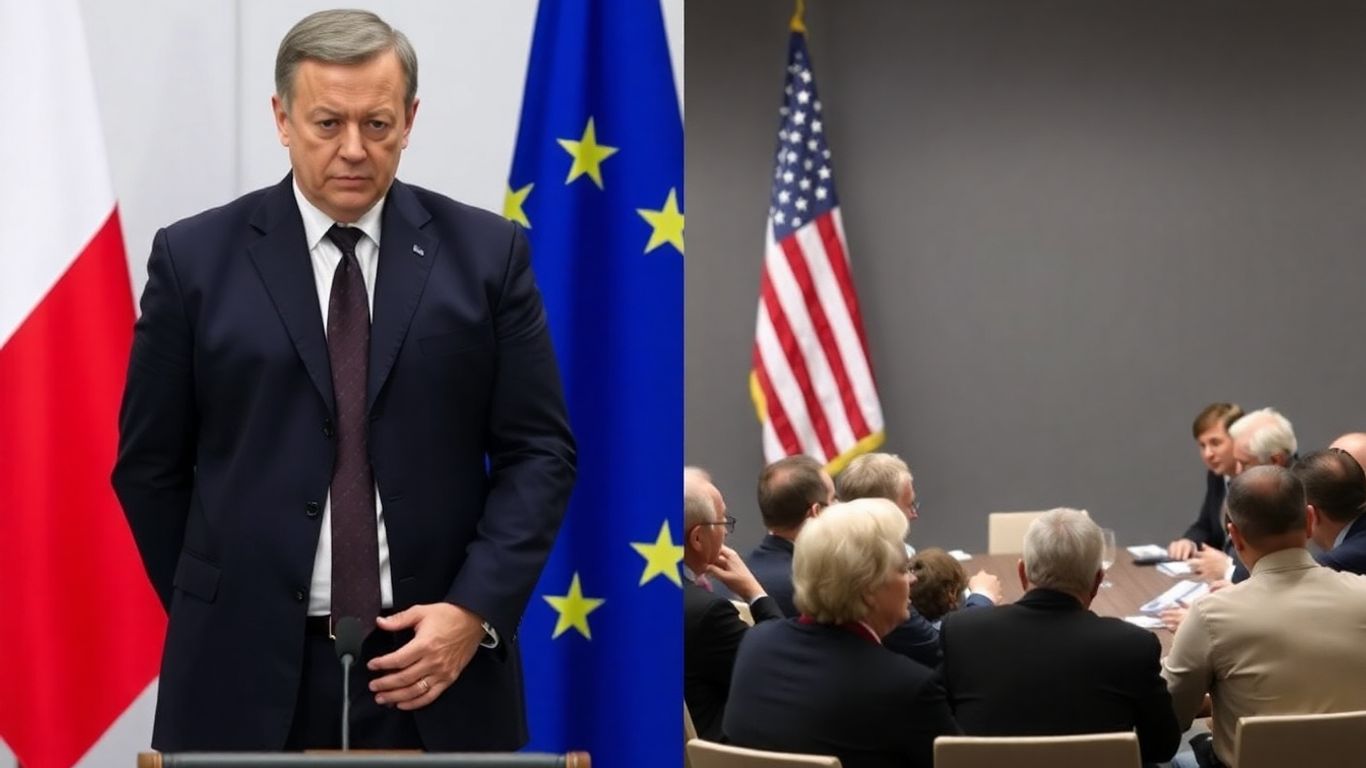
Trump’s Potential Influence On Orbán
It seems like the United States, particularly under a potential Trump administration, could really shake things up regarding Ukraine’s EU ambitions. Donald Trump is set to meet with Viktor Orbán, and this meeting could be a real turning point. Trump has the chance to tell Orbán to stop being such a roadblock for Ukraine joining the European Union. You know, Hungary has been the main holdout on this whole issue, often echoing Russia’s talking points and even deepening its reliance on Moscow’s energy. It’s kind of wild when you think about it.
US Interest In Ukraine’s EU Integration
Look, Ukraine becoming part of the EU is actually in America’s best interest. It could help bring about a lasting peace and open up new commercial opportunities for US businesses. Imagine Ukraine’s economy growing within the EU’s single market – that’s a big deal. Plus, more US investment in Ukraine would likely pay off if Kyiv gets the benefits of EU membership. It also pushes Ukraine to make reforms, keeping the country stable and showing that Europe is stepping up to help, which is something Washington often asks for.
Leverage For Sanctions Relief And Economic Deals
This whole situation gives Trump some serious leverage. He could use the upcoming meeting to push Orbán to end his obstruction. In exchange for things like sanctions relief or economic agreements, Trump could make it clear that Hungary needs to get on board with Ukraine’s EU accession progress. It’s a chance to get Orbán to stop playing spoiler and let Europe do what it needs to do to support Ukraine, especially since Europe is Ukraine’s biggest backer. It’s about time someone put their foot down.
Here’s a quick look at Hungary’s actions:
| Action | Status |
|---|---|
| EU Sanctions on Russia | Often a late holdout |
| Fifty-billion-euro aid package for Kyiv | Delayed for months, eventually approved |
| Ukraine’s EU Membership Negotiations | Blocked by Hungary |
| Minority Rights in Transcarpathia | Accused Ukraine of restricting rights |
The EU’s decision-making process, requiring everyone to agree, gives Hungary a lot of power to delay or block things. This has been a consistent problem, especially when it comes to new sanctions against Russia or aid for Ukraine. It’s not exactly a smooth process when one country can hold everything up.
What’s Next?
So, Viktor Orbán is pretty clear on this. He thinks Ukraine joining the EU is a bad idea, plain and simple. He’s not shy about saying it would drag Europe into more conflict and cost Hungarian taxpayers a lot of money. Instead of full membership, he’s pushing for some kind of ‘strategic partnership.’ It’s a strong stance, and it definitely puts Hungary at odds with a lot of other European countries and with Ukraine itself. We’ll have to see how this plays out, but it’s clear Orbán isn’t backing down on this one. It’s a complicated situation, and honestly, who knows what the future holds for Ukraine’s EU ambitions.
Frequently Asked Questions
What is Hungary’s main concern about Ukraine joining the EU?
Hungary’s Prime Minister, Viktor Orbán, believes that letting Ukraine join the European Union would actually start a war. He also thinks it would cost Hungarian taxpayers a lot of money. Instead of full membership, he suggests a different kind of partnership.
Does Hungary feel it owes Ukraine anything?
No, Prime Minister Orbán has clearly stated that Hungary does not owe Ukraine anything. He believes Ukraine doesn’t protect Hungary, and Hungary’s safety comes from its own military and being part of NATO, which Ukraine is not a member of.
Why does Hungary block Ukraine’s EU membership talks?
Hungary has been blocking the start of official talks for Ukraine to join the EU. They say it’s because they are worried about security and the financial impact on Hungary and the whole EU. They also mentioned concerns about minority rights and energy issues.
What is Ukraine’s response to Hungary’s position?
Ukraine’s President, Volodymyr Zelenskyy, wants Hungary to support their EU membership bid. He feels that Hungary blocking their path is like helping Russia. He also stresses that Hungary, as an EU member, should follow the rules and respect the European Union.
What is a ‘strategic partnership’ in this context?
Instead of full membership, Prime Minister Orbán has proposed that the EU should have a ‘strategic partnership’ with Ukraine. This means they would work together in important ways but without Ukraine becoming a full member of the European Union.
How might the US influence Hungary’s decision?
There’s a possibility that the US, especially if Donald Trump is involved, could try to get Hungary to stop blocking Ukraine’s EU membership. This could be part of bigger deals or discussions about sanctions relief and economic cooperation.