EU unveils plans for ‘military Schengen’
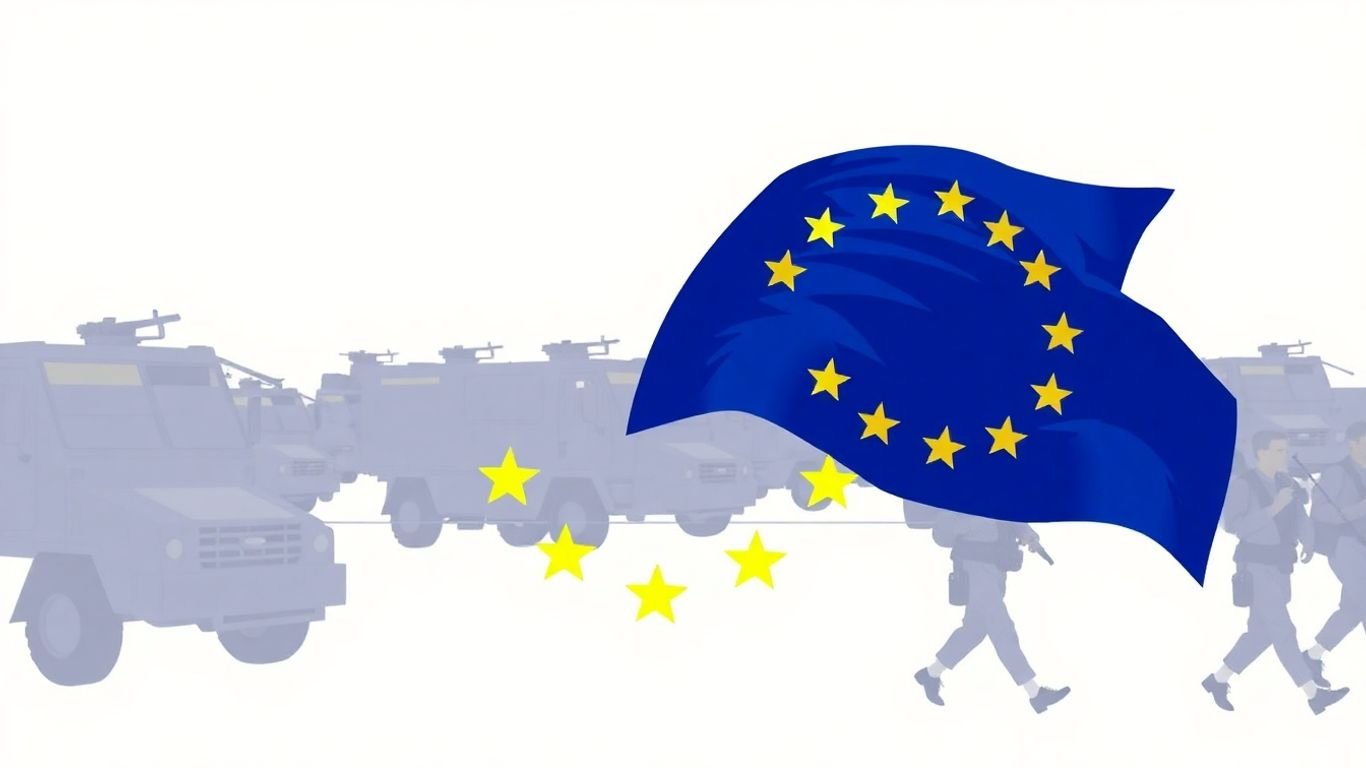
So, the EU is talking about a ‘military Schengen.’ Basically, they want to make it way easier and faster for troops and military gear to move around Europe. Think of it like the regular Schengen Area, but for tanks and soldiers. It’s a big deal because right now, moving things across borders can take ages, and in a crisis, that’s just not good enough. They’re looking at everything from border rules to fixing up roads and bridges to make sure Europe can defend itself better.
Key Takeaways
- The EU is planning a ‘military Schengen’ to speed up troop and equipment movement across member states, aiming to cut transit times from months to days.
- New rules propose approving cross-border military transit within three days in peacetime and six hours during emergencies.
- Significant investment is needed to upgrade roads, railways, and ports to handle heavy military hardware, with an estimated €100 billion required.
- These initiatives are driven by growing concerns about geopolitical threats, particularly Russian aggression, and a desire to bolster EU defense capabilities.
- The EU is also looking to boost its defense industry by simplifying regulations, encouraging domestic production, and addressing labor shortages.
EU’s ‘Military Schengen’ Aims to Streamline Troop Movement
Alright, so the EU is talking about a "military Schengen." Basically, they want to make it way faster to move troops and military gear around the continent. You know how the regular Schengen zone lets people travel between countries without showing passports? This is kind of like that, but for tanks and soldiers. The idea is to cut down the time it takes to get military stuff from one side of Europe to the other from months to just a few days, or even hours if things get really hairy.
Accelerated Border Crossings for Military Personnel
Right now, getting military units across borders can be a real headache. Different countries have different rules, and it can take ages just to get permission. This new plan aims to fix that. They want to set strict time limits for approving cross-border military movements: three days in normal times and a mere six hours when there’s an emergency. It’s all about making sure our forces can get where they need to be, pronto. This is a big deal for European military mobility plans, especially with everything going on.
Reducing Transit Times from Months to Days
Think about it: if there’s a crisis, waiting months for reinforcements to arrive is just not an option. The EU recognizes this. They’re pushing for a system where moving equipment and personnel across the bloc is drastically sped up. This isn’t just about convenience; it’s about actual defense readiness. The goal is to turn a months-long slog into a matter of days, making the whole continent more responsive.
Harmonizing National Regulations for Defense
One of the biggest roadblocks is that each country has its own set of rules and paperwork for military transit. This "military Schengen" concept aims to create a unified approach. It’s about getting all the member states on the same page so that regulations don’t become a barrier when speed is critical. This harmonization is key to making the whole European military mobility plans actually work in practice. It’s a step towards a more unified defense posture, which some argue is long overdue.
Addressing Critical Infrastructure Deficiencies
Look, Europe’s got this big idea about moving troops around faster, right? They’re calling it ‘military Schengen,’ which sounds fancy, but it really boils down to fixing the roads, railways, and ports. Right now, getting tanks and heavy gear from one side of the continent to the other can take ages. We’re talking months, not days, because the infrastructure just isn’t built for it. Think about it: old bridges that can’t handle the weight, train tracks with the wrong gauge, ports that aren’t deep enough. It’s a mess.
The EU is finally waking up to the fact that you can’t have a strong defense if your transport systems are falling apart. They need to upgrade everything to handle serious military hardware. This isn’t just about making things look pretty; it’s about actual continental security agreements and being able to respond if things go south. They’re talking about billions of euros to get these key transport corridors up to snuff. It’s a massive undertaking, but honestly, it should have been done years ago. We’re playing catch-up here.
Here’s a quick look at what needs fixing:
- Roads: Many aren’t strong enough for heavy armored vehicles and need reinforcement.
- Railways: Mismatched track gauges across borders are a huge headache, slowing down or even stopping the movement of military trains.
- Ports and Airports: Need to be able to handle large-scale military logistics, including the rapid loading and unloading of equipment.
The current state of European infrastructure is a serious bottleneck. If we can’t move our own forces efficiently within the bloc, how can we expect to project strength or defend ourselves effectively? It’s a basic requirement that’s been neglected for too long.
They’re looking at using funds from the Trans-European Transport Network (TEN-T) to modernize infrastructure and streamline cross-border military movements. It’s a start, but the scale of the problem is immense. We’ll see if they can actually get it done in time.
EU’s Response to Growing Geopolitical Threats
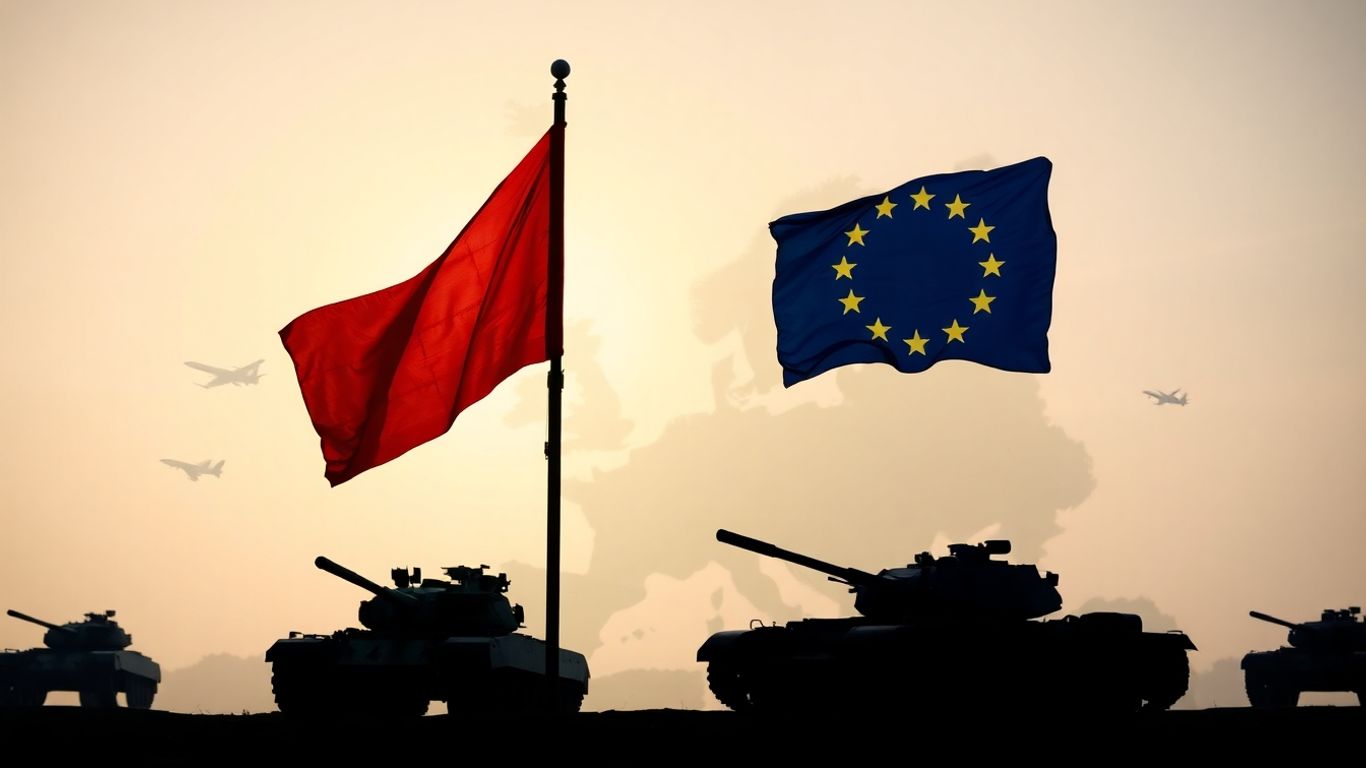
The world feels a bit more… unpredictable these days, doesn’t it? With everything going on, especially with Russia’s actions, the EU is finally waking up and smelling the coffee. It’s like they’ve realized that relying solely on Uncle Sam for protection might not be the best long-term strategy. This whole "military Schengen" idea is a direct result of that realization. They’re talking about needing to move troops and equipment around Europe much faster, cutting down transit times from what sounds like months to just a few days. This isn’t just about convenience; it’s about being ready if things go south.
Concerns Over Russian Aggression Drive Defense Initiatives
Let’s be honest, the situation with Russia has everyone on edge. Ever since they invaded Ukraine, the EU has been watching warily. There have even been reports of mysterious drone activity linked to Russia, which just adds to the unease. Some EU officials are openly saying that weakness invites aggression. The idea is that if the EU beefs up its defenses and shows it can act quickly, Russia might think twice before making any aggressive moves. It’s a pretty stark warning, and it’s pushing the bloc to actually do something about its defense capabilities.
Reducing Reliance on U.S. Security Guarantees
For decades, Europe has leaned pretty heavily on the United States for security. It’s been the status quo since World War II. But with recent political shifts, particularly in the U.S., there’s a growing sense that Europe can’t just assume that protection will always be there. This "military Schengen" initiative is part of a broader effort to become more self-sufficient. They’re looking at how to better coordinate their own defense efforts and reduce their dependence on external security guarantees. It’s a big shift, and it means Europe has to step up and take more responsibility for its own safety.
Bolstering EU Defense Capabilities Before the Decade’s End
The EU has set a target to significantly improve its defense readiness by 2030. This isn’t just talk; they’re putting money behind it. We’re talking about billions being invested to upgrade infrastructure like roads, railways, and ports so they can handle heavy military gear. The goal is to have a more integrated and responsive defense system across the continent. It’s a massive undertaking, and it reflects a serious change in how the EU views its role in global security. They want to be able to move as one, quickly and effectively, when needed. This push for better military mobility is a key part of that broader defense strategy.
New EU Defense Initiatives and Funding
Establishing a ‘Solidarity Pool’ for Transport Assets
The EU is trying to get its act together on defense, and part of that involves pooling resources. They’re setting up something called a ‘solidarity pool.’ Basically, countries can volunteer their transport stuff – think big trucks, trains, maybe even planes – to help out other member states when needed. It’s supposed to make things smoother when moving military gear around the continent. This is all part of their broader push for better European Union defense cooperation.
Identifying Civilian Assets for Military Support
Beyond just military-specific equipment, the EU also wants to create a list, a sort of "military mobility catalogue," of civilian things that could be used for military purposes. This means things like certain types of trucks, ferries, or even cargo planes that aren’t normally military but could be pressed into service if things get serious. It’s a way to get more bang for their buck and use what’s already available. This initiative is tied into wider EU foreign policy initiatives aimed at making the bloc more self-reliant.
Significant Funding Gaps in Military Mobility Projects
Now, here’s where it gets a bit sticky. While the EU is talking big about upgrading infrastructure and creating these pools, the money just isn’t there yet. They’ve identified hundreds of projects that need work, estimating a whopping €100 billion is needed. But the current budget only has about €1.7 billion set aside for military mobility. The next budget proposal is better, but still way short of what’s actually required. It seems like a pretty big hurdle to overcome. This funding shortfall is a major concern for the ‘military Schengen’ concept.
- The Problem: Estimated €100 billion needed for infrastructure upgrades.
- Current Funding: Only €1.7 billion allocated in the current budget.
- Future Funding: Next budget proposes just under €18 billion, still insufficient.
It’s clear that while the intentions are good, the financial commitment is lagging significantly behind the stated goals. This gap raises questions about the timeline and feasibility of these ambitious defense plans.
This whole effort is supposed to help Europe stand on its own two feet more, especially with the way things are going globally. They’re hoping to get more of this infrastructure work done, but it’s going to take a lot more cash than they’ve currently committed. It’s a bit like planning a big road trip but only budgeting for gas money – you’re going to run into trouble pretty fast. You can find more details on how these plans might affect food prices here.
EU’s Push for Defense Industry Transformation
Look, Europe’s defense industry needs a serious shake-up. The EU is finally getting serious about making it easier to build and buy the stuff we need to defend ourselves. They want to cut through the red tape that’s been strangling defense manufacturing for years. It’s about time we stopped relying so much on others and started producing more right here at home. This isn’t just about making more tanks or bullets; it’s about making sure we have the capacity to do it quickly when things get tough.
Simplifying Regulations for Defense Manufacturing
Right now, getting a defense contract approved or a new weapon system designed can take forever. Different countries have different rules, different standards, and it all adds up to a massive headache. The EU is looking at ways to make these processes more uniform across the bloc. Think of it like trying to build the same Lego set in ten different countries, each with slightly different instructions. It’s a mess. They want to create a clearer, faster path for companies to innovate and produce.
Boosting Domestic Production of Weapons and Equipment
This is the core of it. The goal is to get EU nations buying more from European companies. It makes sense, right? Keep the money and the jobs here, and build up our own capabilities. They’re talking about streamlining orders and making it easier for companies to scale up production. We’ve seen how supply chains can get messed up, and relying on outside sources for critical defense gear is just asking for trouble. This push is about building a more self-sufficient defense industrial base.
Addressing Shortages in the Defense Labor Sector
It’s not just about factories and blueprints; it’s about people too. There’s a real shortage of skilled workers in the defense sector. We’re talking about engineers, technicians, machinists – the folks who actually build and maintain this stuff. The EU has plans to try and get more people into these jobs, maybe by retraining workers from other industries. They’re even talking about setting up training programs. It’s a big undertaking, but you can’t build advanced weapons systems without skilled hands.
The current geopolitical climate demands a robust and responsive defense industrial base. Europe has the potential, but years of fragmented regulations and a lack of coordinated investment have held it back. This new focus on simplifying rules and boosting domestic production is a necessary step towards greater self-reliance and security.
Here’s a quick look at what they’re aiming for:
- Faster approvals: Reducing the time it takes to get defense projects off the ground.
- More EU-made gear: Encouraging member states to buy from European suppliers.
- Skilled workforce: Investing in training and attracting talent to the defense industry.
- Innovation: Promoting the use of new technologies in defense manufacturing.
This whole effort is part of a bigger picture to make Europe more secure, and it’s about time we got serious about our own defense capabilities. It’s a complex problem, but at least they’re finally talking about tackling it head-on. You can read more about the broader defense industry roadmap here.
So, What’s the Bottom Line?
Look, the EU is talking about a ‘military Schengen,’ which sounds fancy, but it’s basically about moving troops and gear around faster. They say it’s to defend Europe, especially with all the talk about Russia. It’s a big project, and they need a ton of money to fix up roads and bridges so tanks don’t get stuck. Whether this actually makes Europe safer or just costs a fortune is something we’ll have to wait and see. It feels like a lot of talk and planning, and we’ll see if it actually amounts to anything concrete when it really matters.
Frequently Asked Questions
What is the ‘military Schengen’ plan?
The ‘military Schengen’ is a new plan by the European Union to make it much faster and easier for member countries’ armies and military equipment to travel across borders. Think of it like the regular Schengen Area, where people can travel freely, but for military purposes. The goal is to move troops and gear in days or even hours, instead of the months it often takes now.
Why is the EU creating a ‘military Schengen’ now?
This plan comes as the EU is more worried about security in Europe, especially because of Russia’s actions. They want to be able to respond quickly if there’s a problem or a threat. Also, the EU wants to be more independent in its defense and not rely so much on other countries, like the United States, for security.
How will the EU make military travel faster?
The plan includes new rules to speed up border crossings for the military. Normally, it can take a long time for countries to approve military movement. The new rules aim to have approvals done in just three days during normal times and as little as six hours during emergencies. They also want to fix roads, bridges, and train lines so they can handle heavy military vehicles and equipment.
What kind of improvements are needed for roads and railways?
Many roads, bridges, train tracks, and ports in Europe weren’t built to handle super heavy military tanks or large amounts of equipment. The EU plans to upgrade these important transport routes so they are strong enough and wide enough. This includes making sure bridges can hold the weight and that trains can carry armored vehicles without issues.
Will other countries help share military transport resources?
Yes, the EU is setting up something called a ‘solidarity pool.’ This means countries can offer their special transport tools, like certain types of trains or planes, to other EU countries that might need them. They are also looking at civilian transportation options that could be used by the military if needed.
How much money is the EU spending on this?
Upgrading all the necessary infrastructure will cost a lot – estimates are around $20 billion or more. While the EU has set aside some money, it’s still much less than what’s actually needed. They are hoping member countries will contribute more and are looking for ways to fund these important projects.