Finland’s region losing €1 million a day without Russian visitors
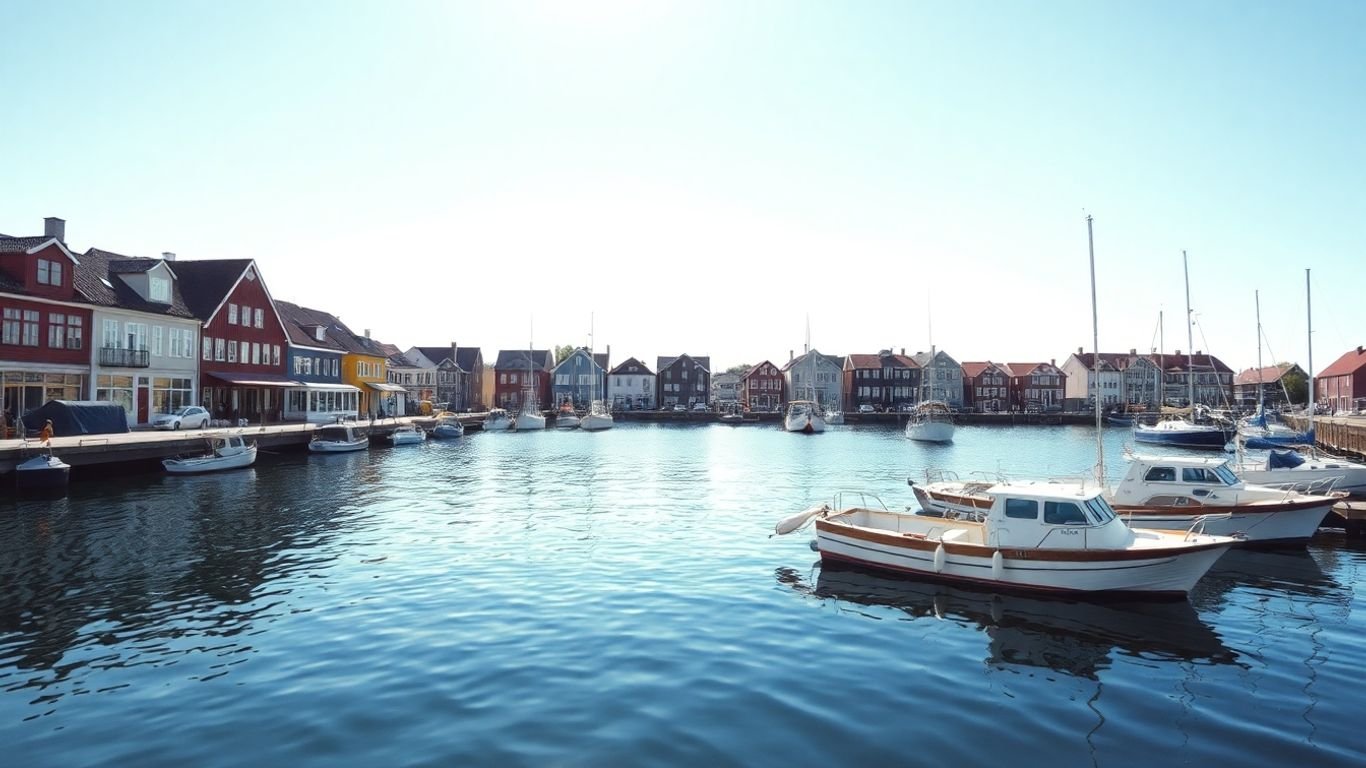
It’s been a rough go for a region in Finland lately. For years, they relied pretty heavily on folks from Russia coming over for shopping, holidays, and work. But now, with the border closed, things have really changed. We’re talking about a huge drop in money coming in, like a million euros a day gone. This has hit businesses hard, especially in places like Imatra, which used to be buzzing with Russian visitors. Now, it’s a lot quieter, and many places are struggling to stay open. It’s a big economic shift for this part of Finland.
Key Takeaways
- The South Karelia region in Finland is losing about €1 million daily because Russian visitors and workers are no longer coming.
- The closure of the Russia-Finland border has led to many businesses in border towns like Imatra shutting down or facing severe financial trouble.
- Local industries, including steel and forestry, have announced job cuts, and the healthcare sector has also had to dismiss employees.
- The Finnish government is providing financial aid to eastern regions, including €4 million for Imatra, to help support local businesses and infrastructure.
- The future reopening of the Russia-Finland border is being considered, but it depends on guarantees from Russia regarding border control.
Economic Fallout From Border Closure
South Karelia’s Daily Financial Losses
It’s been a rough go for South Karelia lately. Ever since Finland decided to shut down its border with Russia late last year, the region has been bleeding money. We’re talking about an estimated €1 million every single day that’s just not coming in. That’s a huge chunk of change, and it’s hitting the local economy hard. For years, this area, which is actually closer to St. Petersburg than to Finland’s capital, Helsinki, relied heavily on its eastern neighbors. It wasn’t just about a few tourists popping over; it was a whole system of shopping, tourism, and even jobs in industries like forestry.
Impact on Local Businesses and Tourism
Think about the shops, the hotels, the restaurants – they’re all feeling the pinch. Places that used to be buzzing with activity are now quiet. It’s a big change from how things were. People who ran businesses here used to see Russian customers buying all sorts of things, from clothes to winter gear. Now, those customers are gone, and the businesses are struggling to stay afloat. Some are even having to close their doors for good.
The Vanishing of Russian Shoppers and Workers
The absence of Russian shoppers is a massive blow. They weren’t just buying a few souvenirs; they were making significant purchases. Beyond that, Russian workers also contributed to the local economy. Their disappearance has left a noticeable void, impacting everything from retail sales to the service industry. It’s a stark reminder of how interconnected economies can be, and how quickly things can change when borders close.
The closure of the border has created a significant economic vacuum in South Karelia, a region that had built a substantial part of its prosperity on cross-border interactions with Russia. The daily financial losses are substantial, impacting businesses of all sizes and leading to a noticeable downturn in economic activity.
Transformation Of Border Towns
Imatra’s Deserted City Center
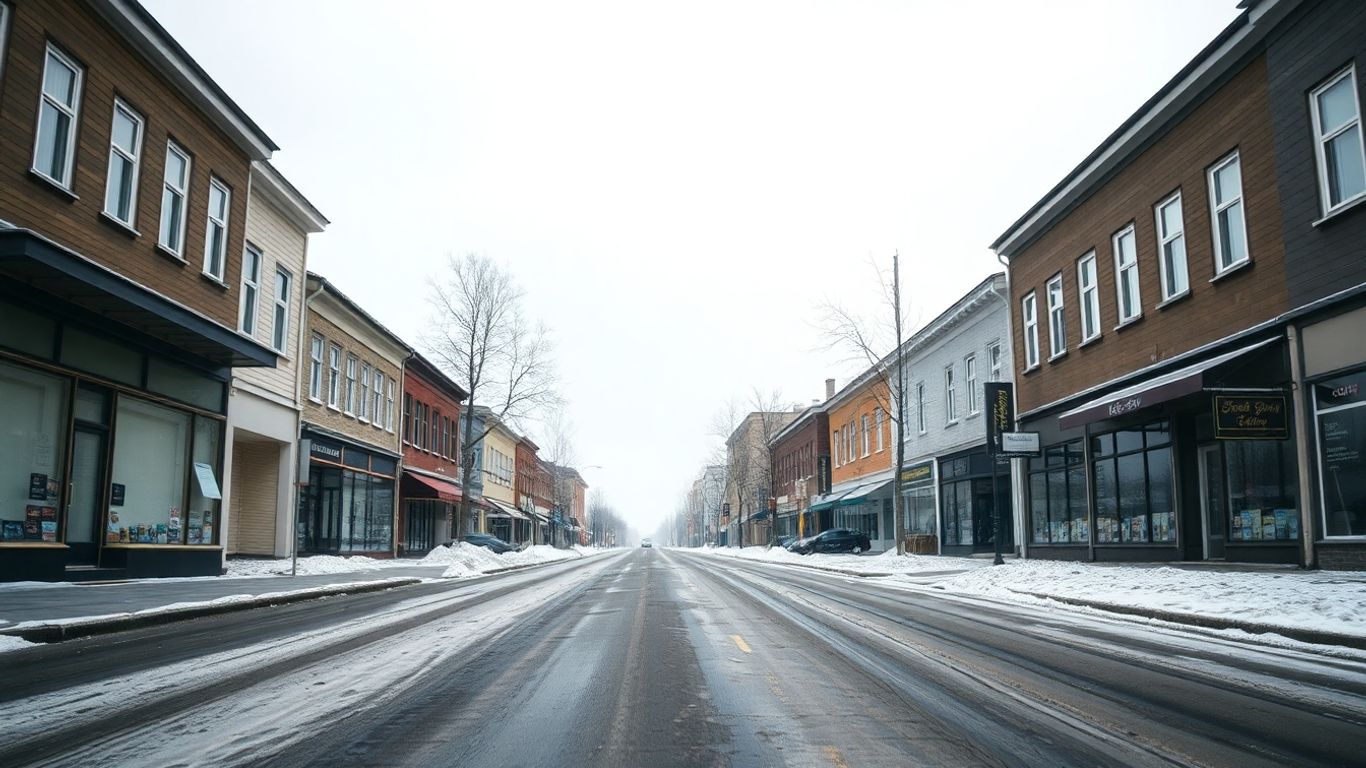
Walking through Imatra these days feels different. The buzz that used to fill the streets, especially from our neighbors across the border, has just… faded. You can see it in the shop windows – many are now dark, their doors permanently closed. It’s a stark change from just a year or two ago when buses and cars, many with Russian plates, were a common sight. The city center, once a lively hub, now has a quietness that’s hard to get used to.
Struggles of Spa Resorts and Hotels
Our hotels and spa facilities, which really relied on that steady stream of visitors, are feeling the pinch. They used to be booked solid, but now, empty rooms are becoming a more frequent problem. It’s not just about fewer guests; it’s about the whole economic ecosystem that supported them. Even historic places are finding it tough to keep going without the usual income.
The End of ‘Easy Money’ from Russia
It’s true, the money that came from Russian tourists and shoppers was significant. It supported a lot of businesses and services that catered specifically to them. Now that it’s gone, it’s forcing a rethink. We have to find new ways to attract visitors and support our local economy, which is a big challenge.
The shift has been rapid and quite jarring. Businesses that thrived on cross-border trade and tourism are now facing tough decisions about their future. It’s a wake-up call for the region to diversify its economic base and not rely so heavily on one source of income.
Here’s a look at how some businesses have been affected:
- Retail Stores: Many shops that specialized in goods popular with Russian shoppers have seen sales drop dramatically, leading to closures.
- Restaurants and Cafes: These establishments, which often catered to a diverse clientele including Russian tourists, are experiencing fewer customers.
- Service Providers: From tour guides to transportation services, many have had to scale back operations or let staff go.
This situation highlights the deep economic ties that existed and the significant impact their sudden severance has had on the local community.
Industry And Employment Hit Hard
Steel Plant Workforce Reductions
The closure of the Russian border has sent ripples through South Karelia’s industrial sector, with significant job cuts becoming a harsh reality. The region’s main steel plant, a major employer, has had to make tough decisions regarding its workforce. This reduction in staff is a direct consequence of the halted cross-border trade and the subsequent economic downturn. Without the usual flow of business and the associated logistical needs, the plant’s operational scale has been impacted, leading to these unfortunate layoffs.
Forest Industry Companies Announce Cuts
Companies in the forest industry, which often relied on cross-border logistics and trade with Russia, are also feeling the pinch. Several key players in this sector have announced plans to reduce their staff numbers. This isn’t just about fewer trucks crossing the border; it’s about the entire supply chain being disrupted. Imports of raw materials and exports of finished goods have become more complicated and costly, forcing these businesses to streamline operations and, sadly, let go of valued employees.
Local Healthcare Sector Dismissals
Even the local healthcare sector hasn’t been immune to these economic shocks. As businesses downsize and unemployment rises, the demand for certain services shifts. Reports indicate that some healthcare providers in the region have also had to make dismissals. This is a complex issue, likely stemming from a combination of factors, including reduced tax revenues from businesses and a potential decrease in the number of cross-border workers who previously utilized these services. It highlights how deeply interconnected the economy is and how a disruption in one area can affect seemingly unrelated sectors.
The economic fallout from the border closure is more than just numbers on a balance sheet; it’s about people’s livelihoods. The ripple effect is felt across various industries, from heavy manufacturing to essential services, painting a stark picture of the challenges facing South Karelia.
Government Response And Future Outlook
The Finnish government is aware of the significant economic strain on its eastern regions and is exploring avenues to mitigate the losses. While the border closure, implemented in 2023 due to concerns about migrant flows, has had a harsh impact, there’s a cautious optimism about potential shifts.
Potential Reopening of the Russia-Finland Border
Finnish Prime Minister Petteri Orpo has indicated that a reopening of the border could be considered in the near future. However, this is contingent on assurances from Russian authorities that illegal migration into Finland will be halted. This delicate balance between economic necessity and border security remains a key point of discussion. The historical context of Finland’s border region and its relationship with Russia adds another layer to these considerations.
Financial Support for Eastern Regions
To address the immediate economic fallout, the Finnish government allocated €7 million towards the development of its eastern regions by the end of 2024. A substantial portion of this, €4 million, is earmarked for Imatra, a city that previously relied heavily on Russian tourism. These funds are intended to bolster local businesses and encourage new investments, aiming to create a more resilient local economy.
Prioritizing Infrastructure for Forestry
Beyond direct financial aid, there’s a strategic focus on strengthening key industries. The development of the Karelian railway has been highlighted as a priority. This infrastructure improvement is seen as vital for supporting the forestry sector, a significant employer in the region, and ensuring its long-term viability in the face of changing cross-border dynamics.
Background Of Russia-Finland Relations
Historical Ties Between Finland and Russia
Finland and Russia share a long and complicated past. For over a century, Finland was part of the Russian Empire. Even after gaining independence in 1917, the relationship remained significant, marked by periods of both cooperation and conflict, including wars in the 1930s and 40s. Despite these challenges, Finland managed to maintain a degree of neutrality and a working relationship with Moscow throughout the Cold War. The border itself has a history stretching back to 1809, initially as an internal administrative line within the empire before becoming an international frontier.
Impact of Sanctions and NATO Membership
Recent years have seen a dramatic shift in this dynamic. Following Russia’s actions in Ukraine, Finland, like many other nations, imposed sanctions. This was a major departure from its previous stance. Then, in a move that signaled a significant change in its security policy, Finland joined NATO. This decision ended decades of military non-alignment and fundamentally altered the geopolitical landscape for both countries.
Accusations Regarding Migrant Influx
The most recent point of contention, leading directly to the border closure, involves accusations of a coordinated migrant influx. Finland has stated that Russia is facilitating the movement of asylum seekers from third countries towards the Finnish border. Moscow has denied these claims, calling them baseless and stating they lack the ability to control such movements. This situation has created a new layer of tension and mistrust between the two neighbors.
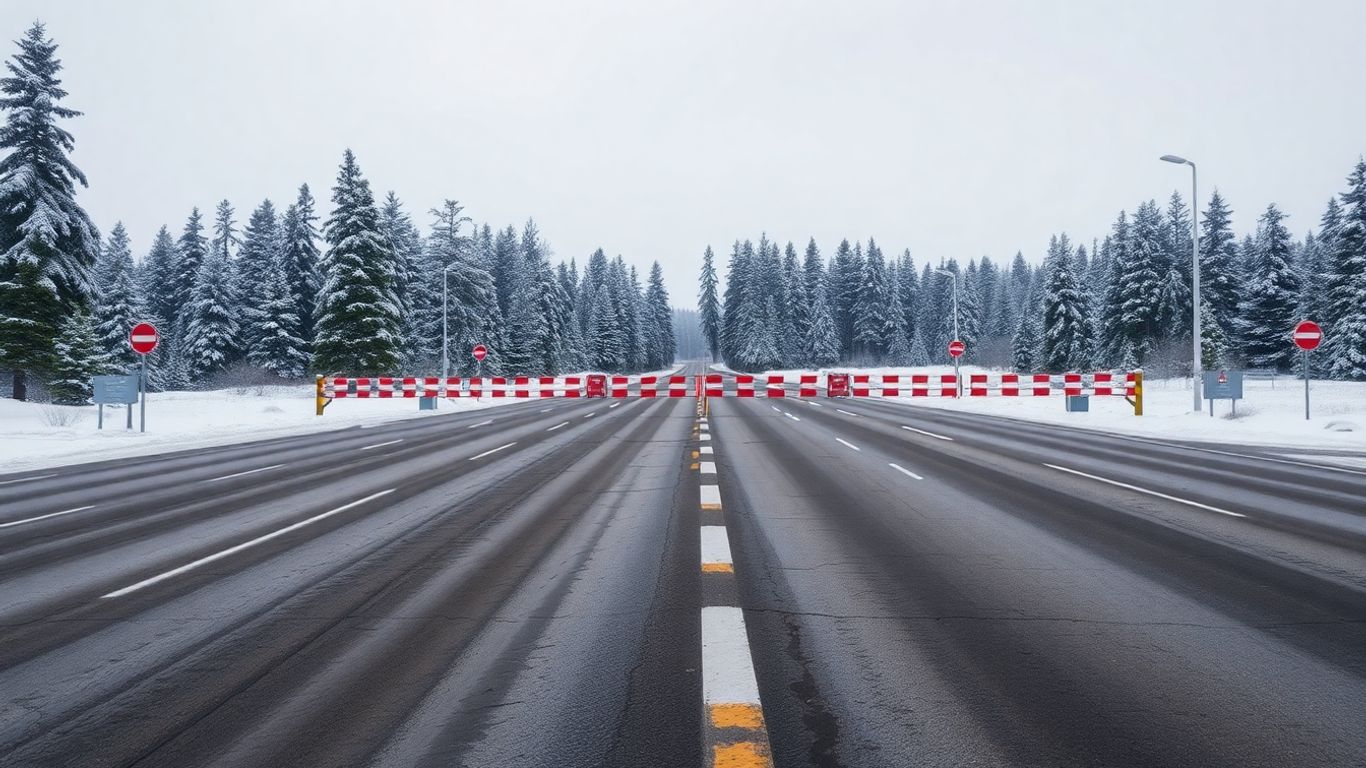
The border closure in late 2023 wasn’t just a sudden decision; it was the culmination of escalating tensions and a response to specific security concerns raised by Finland regarding border management and alleged state-sponsored activities.
- 1809: Finland becomes an autonomous Grand Duchy within the Russian Empire.
- 1917: Finland declares independence.
- 1939-1944: The Winter War and Continuation War are fought between Finland and the Soviet Union.
- Post-WWII: Finland maintains neutrality during the Cold War.
- 2022: Finland imposes sanctions on Russia following the invasion of Ukraine.
- 2023: Finland joins NATO and closes its eastern border with Russia.
This complex history, from imperial ties to modern geopolitical shifts, shapes the current state of relations and the economic consequences being felt today in regions like South Karelia. The historical context of the Finland–Russia border is a key factor in understanding these ongoing developments.
Consequences For South Karelia
Shrinking Regional Economy
It’s pretty clear that South Karelia is feeling the pinch, and hard. For years, this part of Finland, being so close to Russia, really benefited from cross-border trade and visitors. Now, with the border closed, that income stream has just… stopped. We’re talking about a daily loss that adds up fast. Shops that used to be busy are now quiet, and some are even closing their doors for good. It’s a tough situation for a region that relied on that connection.
Rising Unemployment Rates
This economic slowdown has a direct impact on jobs. Places like Imatra, which used to see a lot of Russian tourists, are now facing some of the highest unemployment numbers in the country. When businesses lose customers and revenue, they have to make cuts, and unfortunately, that often means people losing their jobs. It’s a ripple effect that hits families and the community hard.
Loss of Lucrative Cross-Border Trade
Before all this, trade between South Karelia and Russia was a big deal. Think about all the shopping, the services, and even the workers who crossed the border regularly. That whole system has been disrupted. It wasn’t just about souvenirs; it was about everyday business for many companies. The absence of Russian shoppers and workers has left a significant void in the local economy.
The region’s reliance on Russian visitors and trade meant that when the border closed, the economic shock was immediate and substantial. This wasn’t a gradual decline; it was an abrupt halt to a significant source of revenue and employment, forcing a rapid reassessment of the local economic landscape.
Looking Ahead: A Region’s Road to Recovery
So, it’s pretty clear that South Karelia is really feeling the pinch without its Russian neighbors. We’re talking about a massive daily hit to the economy, and you can see it in the empty shops and the job losses. The government is tossing some money at the problem, hoping to boost local businesses and maybe get things moving again, but it’s a tough situation. Whether these new plans will be enough to fill the gap left by Russian tourism and trade remains to be seen. It’s a big challenge for this part of Finland, and everyone’s watching to see how they bounce back.
Frequently Asked Questions
Why is the Finnish region of South Karelia losing so much money?
South Karelia, a region in eastern Finland, is losing about €1 million every day because the border with Russia is closed. This means Russian tourists and shoppers, who used to spend a lot of money there, can no longer visit. Many businesses that relied on them have had to close or cut back.
What caused Finland to close its border with Russia?
Finland closed its border crossings with Russia in late 2023. The Finnish government said it was because Russia was letting people from other countries, like those in the Middle East and Africa, cross into Finland. Finland believed Russia was behind this increase in people trying to enter the country.
How has the border closure affected towns like Imatra?
Towns like Imatra, which used to be popular with Russian visitors, have seen their city centers become much quieter. Many shops have shut down, and places like hotels and spas are struggling financially. The ‘easy money’ from Russian visitors is gone, and local officials have had to find ways to support businesses.
Are other industries in the region also suffering?
Yes, the economic problems aren’t just affecting tourism. Major industries like steel and forestry have had to reduce their staff. Even the local healthcare sector has had to let some employees go because of the overall economic slowdown in the region.
Is there any hope for the border to reopen?
Finland’s Prime Minister has mentioned that the border might reopen in the future. However, this would depend on Russia agreeing to stop letting migrants cross into Finland. The Finnish government is also providing financial help to eastern regions like South Karelia to try and lessen the economic impact.
What does ‘lucrative cross-border trade’ mean in this context?
Lucrative cross-border trade means that the exchange of goods and services between Finland and Russia was very profitable. For decades, people from Russia would come to Finland to shop, and Finnish companies also benefited from selling goods and services to them, as well as importing things like wood. This trade brought a lot of money into the region.