
Gaza’s Rafah Crossing: A Lifeline in Waiting Amidst Uncertainty
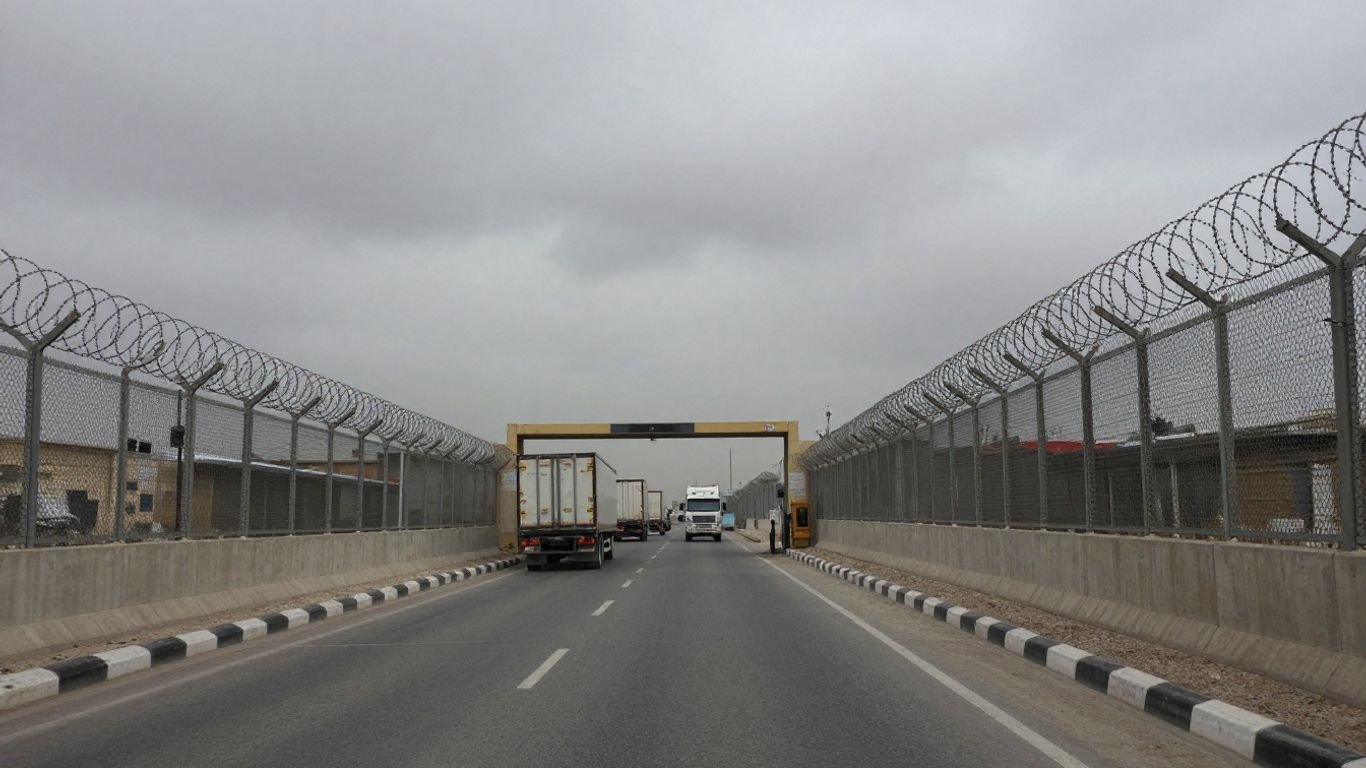
Residents of Gaza are anxiously awaiting the reopening of the Rafah border crossing, a critical artery for humanitarian aid and the passage of people. The closure has exacerbated the already dire humanitarian situation in the besieged enclave, leaving many stranded and vital supplies unable to enter. Hopes are pinned on diplomatic efforts to ensure the crossing’s resumption.
Key Takeaways
- The Rafah crossing is a crucial gateway for Gaza, impacting humanitarian aid and civilian movement.
- Its closure intensifies the existing crisis in the Gaza Strip.
- International attention is focused on diplomatic solutions for its reopening.
The Significance of Rafah Crossing
The Rafah border crossing, situated on the Gaza-Egypt border, serves as the primary exit and entry point for Palestinians not under Israeli control. It is indispensable for the flow of essential goods, medical supplies, and for individuals seeking to travel abroad for education, medical treatment, or family reunification. Its consistent operation is vital for the economic and social well-being of Gaza’s population.
Humanitarian Impact of Closure
When the Rafah crossing is closed, the impact on Gaza’s population is immediate and severe. Humanitarian organizations struggle to deliver much-needed aid, including food, medicine, and shelter materials. This exacerbates existing shortages and contributes to a worsening health crisis. Furthermore, individuals with urgent travel needs, such as those requiring specialized medical care unavailable locally, are left with no viable alternatives.
Diplomatic Efforts and Hopes for Reopening
International bodies and regional actors are actively engaged in discussions to facilitate the reopening of the Rafah crossing. The goal is to establish a stable and predictable mechanism for its operation that ensures the unimpeded flow of humanitarian assistance while addressing security concerns. The outcome of these diplomatic efforts is closely watched by the international community and, more importantly, by the people of Gaza who depend on this vital lifeline.
![[Trump] looks thoughtful, reflecting on election night.](https://countrybrief.com/wp-content/uploads/2025/11/thumbnail-50-768x432.jpeg)



![Presidential seal and [Donald Trump] in a powerful stance.](https://countrybrief.com/wp-content/uploads/2025/10/thumbnail-43-768x432.jpeg)
